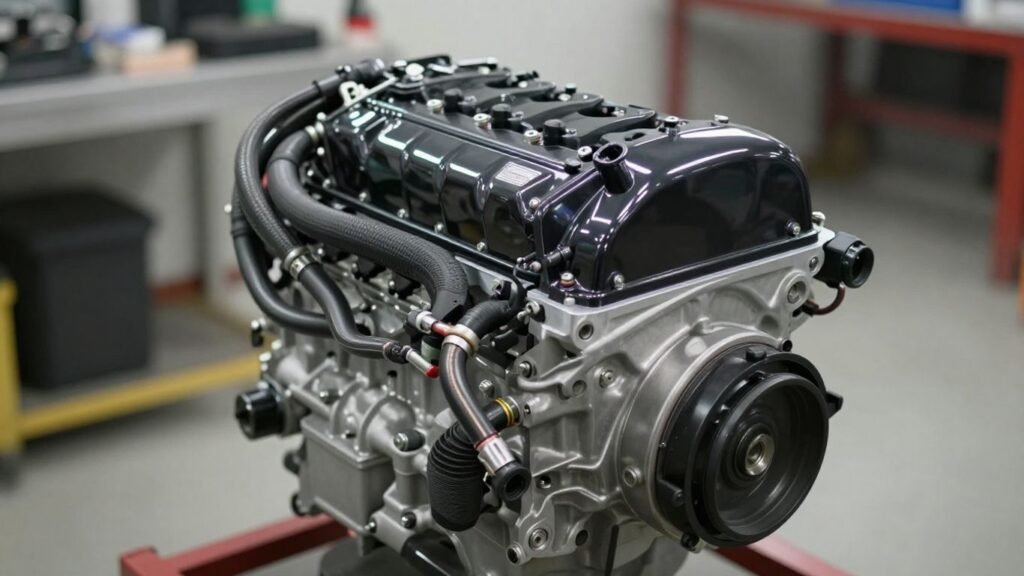
Looking for a replacement engine for your Toyota on the Gold Coast? You’ve probably considered going the used route to save some cash. It’s a smart move, especially if you can find one with low kilometers. This guide will help you find reliable used Toyota engines Gold Coast – low km guaranteed, so you can get your car back on the road without breaking the bank.
Key Takeaways
- When buying used Toyota engines on the Gold Coast, prioritize suppliers who can prove low mileage. This is often the biggest indicator of an engine’s remaining life.
- Always check the engine’s Vehicle Identification Number (VIN) and history. Ask about its previous life, any repairs, and how many kilometers it actually has.
- Don’t skip the warranty. A good return policy and warranty coverage are your safety net against buying a faulty engine.
- Inspect the engine yourself if possible, or ask for detailed photos and information. Look for signs of damage or wear that might not be obvious.
- Compare prices from different wreckers and suppliers. Sometimes a slightly higher price from a reputable source with a solid warranty is a better deal in the long run.
Finding Quality Used Toyota Engines on the Gold Coast
Why Choose Used Toyota Engines?
Thinking about a new engine for your Toyota? It’s a big decision, and honestly, a brand-new engine can cost a small fortune. That’s where looking into used engines comes in. It’s a smart way to get your car back on the road without emptying your wallet. Toyota engines are known for being tough, so finding a good used one can give you plenty of life left. Plus, with the way cars are built these days, they last a lot longer, meaning parts like engines often have way more miles left in them than you might think.
The Benefits of Low Kilometers
When you’re hunting for a used engine, the number on the odometer is a big deal. Engines with low kilometers are generally a safer bet. Think of it like buying a used pair of shoes – a pair that’s only been worn a few times is going to be in much better shape than a pair that’s seen years of heavy use. Low mileage means less wear and tear on all those important internal parts. It suggests the engine hasn’t been pushed to its limits as often, which can translate to fewer potential problems down the line. It’s not just about the number, though; it’s about what that number represents: a potentially healthier, more reliable engine.
Identifying Reputable Suppliers
Finding a good used engine isn’t just about the engine itself; it’s also about who you buy it from. You want to deal with people who know their stuff and stand behind their products. Look for wreckers or suppliers who specialize in Toyota parts. They’ll have a better understanding of what to look for and how to test engines. Check out online reviews, ask for recommendations, or see if they have a physical location where you can actually see the engine. A supplier who is open about the engine’s history and offers some kind of guarantee is usually a good sign.
Here’s a quick checklist for finding a good supplier:
- Specialization: Do they focus on Toyota or Japanese vehicles?
- Transparency: Are they willing to share engine history and details?
- Physical Location: Can you inspect the engine in person?
- Reputation: What do other customers say about them?
Buying used doesn’t have to be a gamble. With a bit of research and by choosing the right supplier, you can find a quality used Toyota engine that will serve you well for years to come.
Navigating Gold Coast Wreckers for Toyota Parts
Specialized Toyota Wreckers
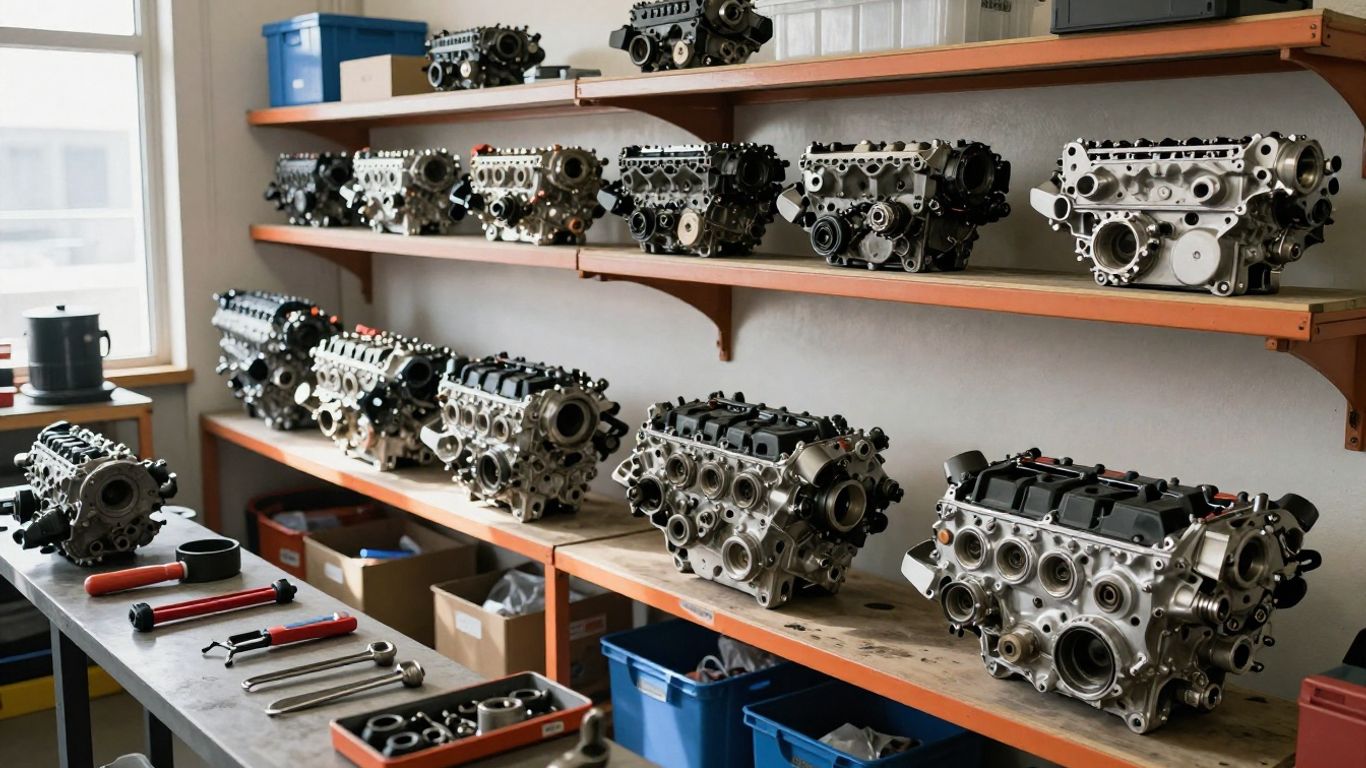
When you’re on the hunt for a used Toyota engine, hitting up a specialized Toyota wrecker on the Gold Coast can really pay off. These places know their Toyotas inside and out. They’re not just general auto recyclers; they focus on specific makes, meaning they’re more likely to have the exact model and year engine you need. Think of it like going to a specialist doctor instead of a general practitioner – you get more targeted knowledge and a better chance of finding exactly what you’re looking for. They often have a good stock of popular Toyota models, from Corollas to Hiluxes, and their staff usually have a decent grasp of what fits what.
Understanding the Wrecking Process
So, what actually happens at a wrecker? Basically, they acquire vehicles that are no longer roadworthy, often due to accidents or age. Then, they carefully dismantle them, salvaging usable parts. For engines, this means they’ll drain fluids, disconnect components, and carefully remove the entire unit. The condition of the engine before it was removed is key, and reputable wreckers will have some system for assessing this. They might test compression or at least visually inspect for obvious damage. It’s a process that can give a second life to perfectly good parts that would otherwise end up in a landfill.
In-Person Inspection Advantages
While you can find parts online, nothing beats seeing an engine with your own eyes. Visiting a Gold Coast wrecker allows you to do just that. You can check for any visible leaks, rust, or damage that might not be obvious in a photo. It’s also your chance to get a feel for the place and the people. Are they organized? Do they seem knowledgeable? You can ask questions directly and get a sense of their honesty. Plus, you can often negotiate the price a bit better when you’re standing right there with the engine in front of you. It’s a more hands-on approach that can save you headaches down the line.
Here’s a quick look at what to check:
- Visual Inspection: Look for cracks in the block, oil leaks, or corrosion.
- Fluid Check: See if the oil or coolant looks unusually dirty or milky.
- Component Condition: Check the condition of attached parts like the alternator or starter motor.
- Mileage Verification: Ask for proof of the engine’s odometer reading if possible.
Ensuring the Integrity of Your Used Engine Purchase
Buying a used engine, especially one with low kilometers, is a smart move for your wallet and your Toyota. But you don’t want to end up with a dud, right? Taking a few steps to check things out can save you a lot of headaches down the road. It’s not just about finding a part; it’s about finding a good part that’s going to keep your car running smoothly.
Verifying Engine Identification Numbers
This is super important. Every engine has a unique identifier, kind of like a serial number. You need to make sure this number matches what you expect. Sometimes, you can find this on the engine block itself, or it might be listed on the paperwork from the seller. If you’re unsure, it’s worth taking a photo and comparing it carefully. Getting the right identification number is your first line of defense against buying the wrong engine.
Understanding Engine History
Knowing where an engine has been is almost as important as its mileage. Was it in a minor fender-bender or a major crash? Has it been regularly serviced, or was it neglected? Some sellers might be upfront about this, while others might be a bit vague. Don’t be afraid to ask direct questions about the engine’s past. If they can’t give you clear answers, that’s a bit of a red flag.
Here’s what you should try to find out:
- Previous Vehicle: What kind of car did the engine come from?
- Reason for Removal: Why was the engine taken out of the original vehicle?
- Maintenance Records: Were there any major repairs or rebuilds done?
- Accident History: Was the donor vehicle involved in any accidents?
The Importance of Return Policies
This is a big one. No matter how good a deal seems, or how confident the seller is, always, always check the return policy. What happens if you get the engine installed and it doesn’t run right? A good supplier will have a clear policy in place. Some might offer a short warranty period, while others might have a restocking fee if you simply change your mind. Make sure you understand the terms before you hand over any cash.
Buying a used engine doesn’t have to be a gamble. By doing your homework and asking the right questions, you can significantly reduce the risk. It’s about being prepared and knowing what to look for to make sure you’re getting a reliable piece of machinery for your Toyota.
Guarantees and Warranties for Used Toyota Engines
What to Expect from Engine Warranties
When you’re looking at a used Toyota engine, especially one with low kilometers, a warranty is your best friend. It’s basically the seller’s promise that the engine won’t conk out on you right after you install it. Most reputable places will offer some kind of warranty, but they can vary a lot. Some might cover just the basic engine block, while others might include things like the turbo or even the transmission if it’s sold as a package. Don’t assume anything; always ask exactly what’s covered. It’s not uncommon to see warranties that last anywhere from 30 days to six months, sometimes even a year for premium engines.
Reading Warranty Fine Print
This is where things can get a little tricky, so pay attention. The "fine print" is super important because it tells you the conditions under which the warranty is actually valid. For example, a warranty might be void if you don’t use specific types of oil, or if you fail to have the engine installed by a certified mechanic. Some warranties might also have mileage limitations, meaning they’re only good for a certain number of kilometers driven after installation.
Here’s a quick rundown of things to look for:
- Duration: How long does the warranty last?
- Coverage: What specific parts of the engine are covered?
- Exclusions: What situations or damages are not covered?
- Installation Requirements: Are there specific installation procedures you must follow?
- Labor Costs: Does the warranty cover the cost of labor if a covered part fails?
- Transferability: Can the warranty be transferred if you sell the vehicle?
Always get the warranty details in writing. Verbal promises don’t hold much weight when something goes wrong. Make sure you understand every single clause before you hand over your cash.
Peace of Mind with Guarantees
Ultimately, a good warranty and clear guarantees are about giving you peace of mind. Buying a used engine is a big investment, and you want to know that you’re protected if something unexpected happens. A seller who stands behind their product with a solid warranty is usually a sign of a trustworthy business. It shows they’re confident in the quality of the engines they’re selling. So, when comparing prices and options for used Toyota engines on the Gold Coast, factor in the warranty. A slightly higher price for an engine with a better warranty can save you a lot of headaches and money down the road.
Key Considerations When Buying Used Engines
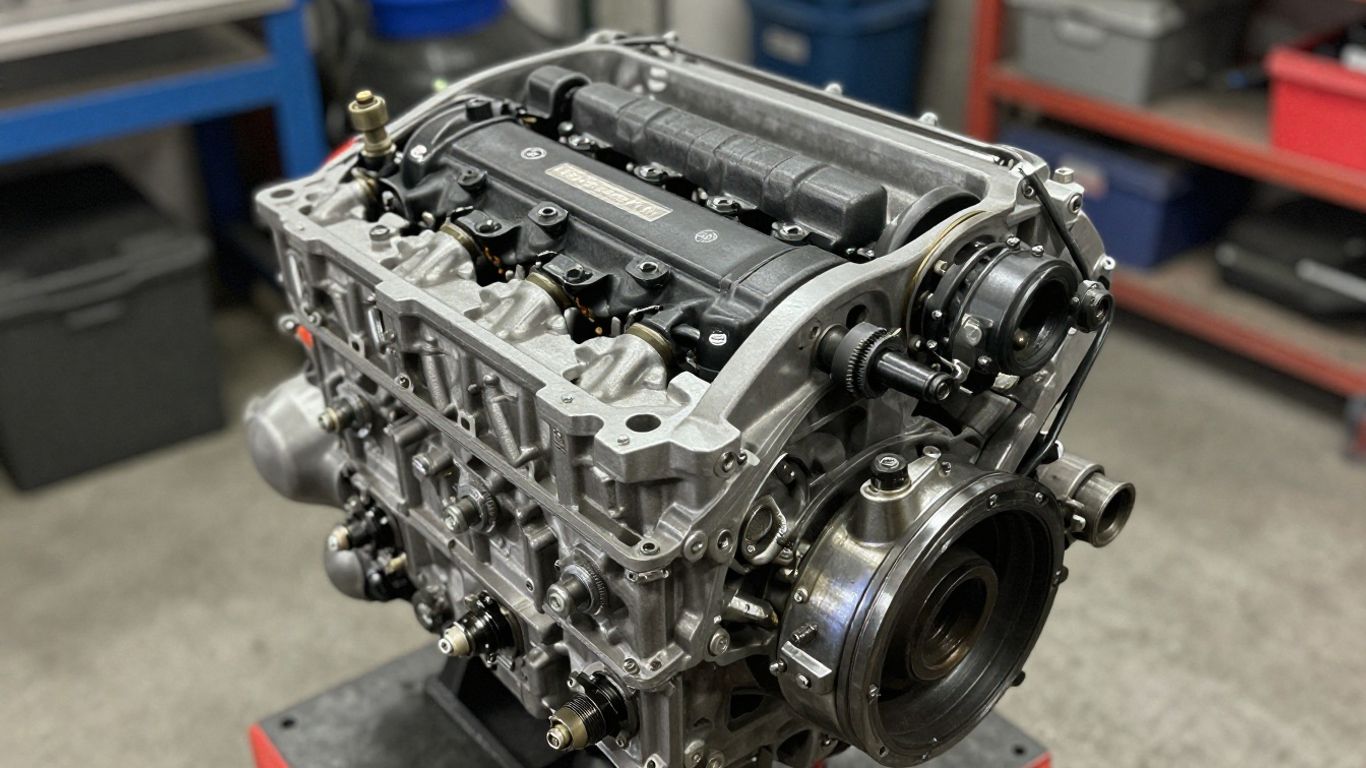
So, you’re looking for a used Toyota engine on the Gold Coast, and you want to make sure you’re getting a good deal, right? It’s not just about finding the cheapest option; there are a few things to keep in mind to avoid headaches down the road. Let’s break it down.
Avoiding Mismatched Parts
This might sound a bit picky, but getting parts that don’t quite match can be a real pain. It’s not just about how your engine looks, though that can matter. Sometimes, even small differences in design can affect how your engine performs. Imagine a part that’s slightly off – over time, it could cause more problems or even damage. Always double-check that the engine you’re looking at is the exact model and year that fits your vehicle. It’s better to be safe than sorry.
The Role of Engine Mileage
We’ve talked about low kilometers being a big plus, but it’s worth reiterating. The mileage on an engine tells a story about its life so far. An engine with significantly lower kilometers is generally going to have more life left in it. Think of it like buying a used car – you’d want one with fewer miles, all else being equal. When you’re looking at engines, ask for the exact kilometer reading and try to get a history if possible. This number is a pretty good indicator of wear and tear.
When to Buy New vs. Used
Not every part is a good candidate for buying used. While a whole engine can be a great value when bought used, especially with low kilometers, some components are better off being purchased brand new. Think about parts that wear out quickly or are critical for safety, like starters or brake components. The savings from buying these used might not be worth the risk or the shorter lifespan. For major components like the engine itself, a solid warranty is key when buying used, but for smaller, frequently replaced parts, new is often the smarter choice.
When you’re shopping for a used engine, don’t be afraid to ask a lot of questions. A reputable seller will be happy to provide details about the engine’s history, mileage, and any previous work done. If they seem hesitant or can’t provide clear answers, it might be a red flag.
Here’s a quick rundown of what to consider:
- Engine Identification: Make sure you have the correct engine code or VIN to match. This is super important to avoid buying something that won’t fit.
- History Check: Ask about the engine’s past. Has it been repaired? Rebuilt? How many kilometers did it have when removed?
- Visual Inspection: If possible, see the engine in person. Look for obvious signs of damage, leaks, or corrosion.
- Seller Reputation: Stick with known wreckers or suppliers who have good reviews and offer warranties. It’s worth paying a little more for peace of mind.
Making an Informed Used Toyota Engine Purchase
So, you’ve decided to go the used engine route for your Toyota on the Gold Coast. Smart move, especially if you’re eyeing those low-kilometer options. But before you hand over your cash, let’s talk about how to make sure you’re getting a solid deal and not a headache down the road. It’s not just about finding a used engine, it’s about finding the right used engine.
Comparing Prices Effectively
Price is obviously a big factor, but don’t just grab the cheapest one you see. Think of it like shopping for anything else important – you get what you pay for, usually. A slightly higher price might mean a better-maintained engine, a longer warranty, or a more reputable seller. It’s worth doing a little digging.
- Check multiple suppliers: Don’t settle for the first place you look. Get quotes from a few different wreckers or suppliers on the Gold Coast.
- Factor in extras: Does the price include any kind of warranty? What about delivery? These things add up.
- Consider the kilometers: A low-kilometer engine will naturally cost more than one with higher mileage, and that’s usually a good trade-off for reliability.
Asking the Right Questions
This is where you separate the pros from the amateurs. A good seller will be happy to answer your questions. If they seem hesitant or vague, that’s a red flag.
- What’s the engine’s history? Ask about its previous life. Was it in an accident? Was it regularly serviced? How many kilometers did it have when removed?
- Has it been tested? Reputable places will often test their engines before selling them. Ask for proof or details of these tests.
- What’s the warranty situation? Get the specifics. How long is it covered? What exactly does it cover, and what’s excluded?
- Can I see it? If possible, seeing the engine in person is always best. You can spot potential issues that photos might hide.
Securing Your Low-Kilometer Engine
Once you’ve found the engine that ticks all the boxes, it’s time to seal the deal. Make sure everything is clear and documented.
Always get everything in writing. This includes the engine’s identification number, the agreed-upon price, the warranty details, and the return policy. Verbal agreements can easily lead to misunderstandings later on.
- Verify the Engine Identification Number (EIN): Double-check that the EIN on the engine matches the paperwork. This is your proof of what you’re buying.
- Understand the return policy: Know the timeframe and any conditions for returns. This is your safety net if something isn’t right.
- Payment: Use a payment method that offers some protection, if possible. Keep all receipts and transaction records.
Wrapping It Up
So, if you’re on the hunt for a used Toyota engine on the Gold Coast, remember to do your homework. Checking out local wreckers and asking about warranties can save you a lot of headaches down the road. Getting a low-kilometer engine means your Toyota can keep running strong for years to come, without costing you an arm and a leg. It’s a smart move for keeping your car on the road and your wallet happy.