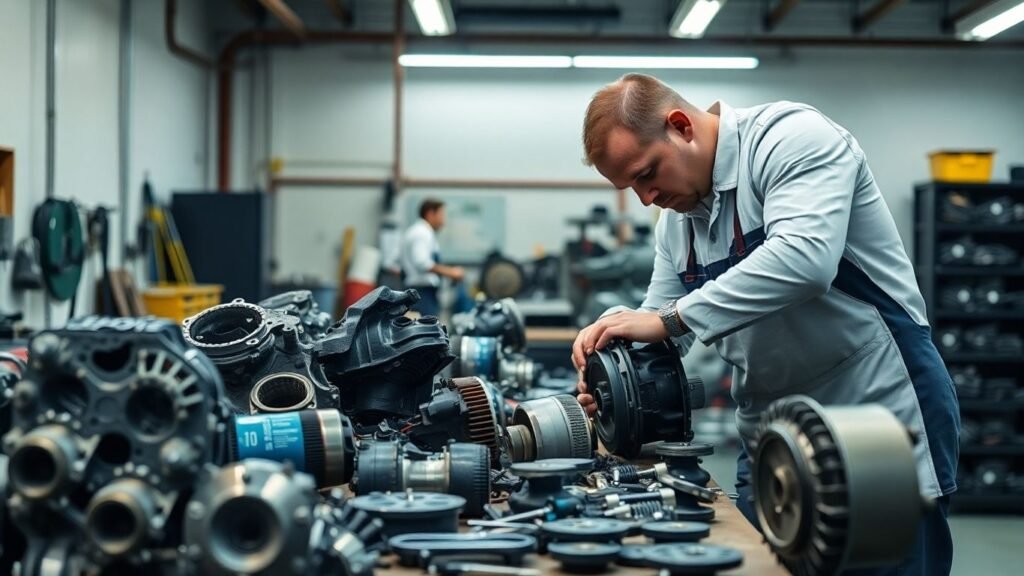
Choosing the right genuine car engine spare parts suppliers can feel overwhelming, especially when you want your car to run smoothly for years. There are so many options out there, and not all of them are trustworthy. If you’ve ever bought a part that didn’t fit or failed too soon, you know how frustrating it is. It’s not just about finding the cheapest part; it’s about making sure you’re getting real, high-quality components that actually work for your car. In this guide, I’ll walk you through what to look for so you can avoid headaches and keep your vehicle in top shape.
Key Takeaways
- Always check if the supplier has the right certifications and is authorized by manufacturers to sell genuine parts.
- Compare OEM parts with aftermarket options, but prioritize suppliers who clearly label and guarantee authenticity.
- Look for suppliers with a wide range of inventory, especially if you need rare or hard-to-find engine components.
- Read customer reviews and check how long the supplier has been in business to get a sense of their reliability.
- Don’t just go for the lowest price—make sure the supplier is transparent about pricing, return policies, and warranties.
Evaluating the Authenticity of Spare Parts Suppliers
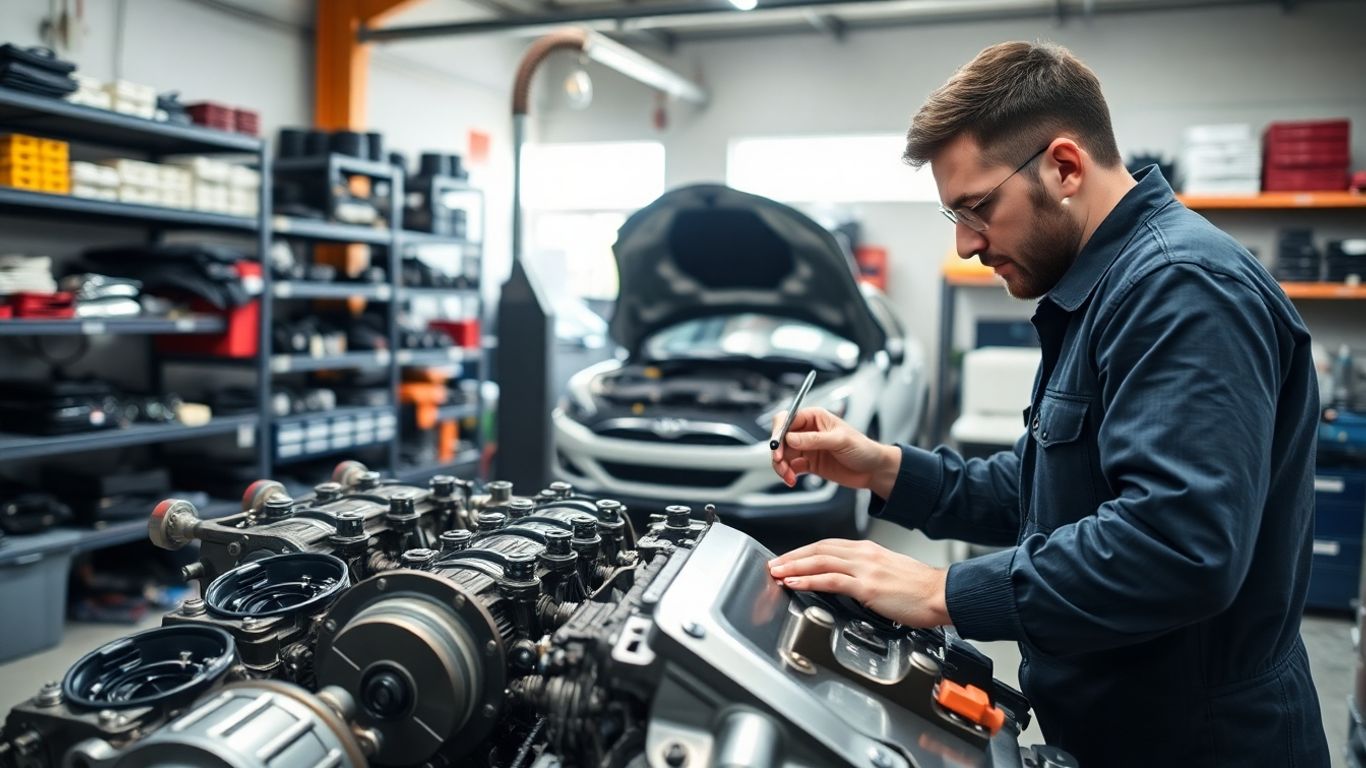
Finding genuine car engine spare parts usually starts with identifying suppliers you can actually trust. There are a few steps you should walk through, each of which helps you avoid wasting time—and money—on low-quality or fake parts.
Checking for Certifications and Licenses
When it comes to car parts, claims are cheap but certifications aren’t. Legit suppliers are usually certified by respected organizations and should have proper business licenses. Here’s what you should look for:
- Evidence of licenses and registration numbers visible on their website or at their physical store
- Certificates from well-known industry groups or car brands
- Membership in automotive associations that have some teeth (not fake clubs!)
<table>
<tr>
<th>Certification Type</th>
<th>What it Means</th>
<th>How to Verify</th>
</tr>
<tr>
<td>Business License</td>
<td>Supplier operates legally in your area</td>
<td>Ask for a copy or look them up in a public registry</td>
</tr>
<tr>
<td>OEM Certificates</td>
<td>Approved to sell official components</td>
<td>Check company website or contact the part manufacturer</td>
</tr>
<tr>
<td>Industry Association Membership</td>
<td>Meets industry standards</td>
<td>Cross-check association websites</td>
</tr>
</table>
It’s worth making a quick call or sending a simple email to double-check any questionable credentials—most honest places will get back to you fast, while sketchier businesses may dodge the question.
Identifying OEM vs. Aftermarket Offerings
A lot of confusion hits when you see a list of engine parts for sale at wildly different prices. Some will be OEM (Original Equipment Manufacturer), while others are aftermarket. Here’s how you make sense of what’s safe:
- OEM parts: Made by or for the same company as your car; usually more expensive but a safer bet.
- Aftermarket parts: Built by third parties; can be high-quality or total junk. Prices vary a lot.
- Ask the supplier directly and never feel bad about double-checking part numbers or compatibility.
If a supplier is shy about whether a part is OEM or aftermarket, walk away. The best ones will tell you upfront, sometimes even showing the packaging.
Examining Manufacturer Authorizations
Reliable suppliers often have formal ties or written permissions from engine brands. A trustworthy supplier will:
- Display their letters of authorization (either in store or online)
- Provide a list of brand partners
- Let you verify their partnership with the manufacturer
You’re setting yourself up for trouble if you go with someone who can’t prove these links. A quick phone call to the manufacturer, armed with the supplier’s name, can clear up any uncertainty.
Not all suppliers will have every type of official guarantee, but a legitimate one should have at least one solid industry or brand connection you can check out. Taking a few minutes for these steps can make all the difference between a working car and a major headache later.
Assessing Product Quality and Inventory Diversity
When picking a supplier for car engine spare parts, it’s easy to focus only on price. But, if you’re after dependability, what really matters is the quality of their inventory and whether they’ve got what you need. A good supplier not only stocks reliable parts but also offers a wide mix, from everyday engine bits to harder-to-find components. Here’s what to pay attention to:
Choosing Suppliers With Comprehensive Inventories
- Look for suppliers who have both common and less common parts on their shelves.
- Check if they stock major engine components, like pistons, gaskets, sensors, and timing belts.
- Make sure they have parts for various car makes and models, not just one brand.
- It’s helpful if they offer both Original Equipment Manufacturer (OEM) parts and quality aftermarket alternatives.
Sample Inventory Table:
| Supplier | OEM Parts | Aftermarket Parts | Rare Parts | Brands Covered |
|---|---|---|---|---|
| Company A | Yes | Yes | Some | 10+ |
| Company B | Yes | No | Few | 3-5 |
| Company C | No | Yes | Many | 15+ |
Verifying Quality Control Processes
- Ask the supplier about their sourcing policies and inspection steps.
- Trusted suppliers often work with original manufacturers or certified distributors.
- Look for seals of approval, safety marks, or quality certifications.
- Don’t be afraid to request documentation on quality checks or standards compliance.
- Find out if parts come with warranties or guarantees—it can save headaches later.
Looking For Rare and Hard-to-Find Engine Parts
- Older cars or less common models often need specialty parts; check if the supplier can source these.
- Some vendors offer search services or sourcing for out-of-stock items—ask if this is an option.
- Availability of rare components shows the supplier is well-connected in the industry.
A supplier worth trusting should make it simple to get both everyday and rare engine parts, and back them up with clear information on where they come from and how they’re checked for quality. Don’t settle for vague answers or a limited selection—your car deserves better.
Understanding Customer Support and Service Standards
You don’t notice how important a supplier’s customer service is until something goes wrong with your order. A supplier’s support team can make or break your whole experience, especially when there’s a hiccup with delivery, a missing part, or if something goes sideways after the sale. Here are some details to keep in mind:
Reviewing Return and Warranty Policies
- Look for clear and simple return procedures—no one likes jumping through hoops.
- Good suppliers usually offer straightforward warranties on parts, so you’re covered if things don’t work out as expected.
- Transparent policies let you know exactly where you stand if something arrives broken or doesn’t fit.
| Policy Factor | What to Check |
|---|---|
| Return Window | Number of days from delivery for returns (ex: 30 days) |
| Warranty Coverage | What’s covered and for how long (parts, labor, etc.) |
| Restocking Fees | If you’ll be charged to return a part |
It’s surprisingly easy to end up with the wrong part. Flexible return and warranty options can save a lot of headaches and protect your wallet.
Analyzing Delivery Speed and Order Fulfillment
- Check if the supplier gives tracking info on shipments.
- They should offer reliable delivery estimates, especially if you need the part ASAP.
- Ask about expedited shipping options if fast turnaround is important to you.
| Shipping Speed | Typical Timeframe | Expedited Options? |
|---|---|---|
| Standard Ground | 3–7 business days | Yes/No |
| Express | 1–3 business days | Yes |
| Local Pickup | Same or next business day | N/A |
Testing Responsiveness to Inquiries
- Try sending an email or message before you buy—see how long it takes to hear back.
- Good suppliers have a hotline or chat option for questions about fit, stock, or order issues.
- Always check their support hours, especially if you’re in a different time zone.
- Quick response times show the supplier cares about helping customers.
- Clear, friendly answers build trust and make future problems easier to solve.
- If you keep getting the run-around, it’s a red flag.
Helpful, human support can save the day when you’re stuck or unsure about what to do next.
Verifying Supplier Reputation and Track Record
Choosing the right supplier for genuine car engine spare parts isn’t just about who has what you need in stock today. A supplier’s reputation and past performance tell you a lot about your future experience with them. Here’s how to really get a sense of who you’re dealing with before handing over your hard-earned money.
Researching Customer Reviews and Testimonials
Jump into customer reviews. They’re a goldmine for honest feedback—good and bad. Pay special attention to:
- Consistency of positive experiences across multiple platforms
- Detailed accounts about part quality and service interactions
- Any warning signs about fake or faulty parts
| Supplier | Avg. Review Score | # of Reviews | Common Kudos | Recurring Complaints |
|---|---|---|---|---|
| AutoPartsCo | 4.7/5 | 460 | Fast shipping & easy returns | Pricey |
| EngiDirect | 4.2/5 | 320 | Helpful tech support | Slow refunds |
| SpareXperts | 3.5/5 | 120 | Low prices | Quality concerns |
Not every negative review is a dealbreaker, but if the same problems keep popping up, consider it a red flag.
Analyzing Longevity in the Industry
How long a supplier’s been around says a lot. It usually means they’re reliable and haven’t burned too many bridges.
- Established companies tend to have more efficient operations and clearer processes
- They’re more likely to have long-term partnerships with big manufacturers
- New suppliers aren’t always a risk, but older players give you more peace of mind
When in doubt, ask how long they’ve been serving your specific car make or engine type.
Evaluating After-Sales Support
After the sale, what happens if something goes wrong? Good after-sales support is a critical sign of a trustworthy supplier. Look for:
- Clear instructions for returns and warranty claims
- Help with installation or compatibility questions
- Ongoing support, not just pre-sale attention
If they ignore you once they’ve got your money, it’s a bad sign for future purchases or issues.
Taking the time to check a supplier’s reputation and track record now can save you a mountain of frustration (and cash) later.
Comparing Pricing and Value for Money
Choosing the right engine spare parts is not just about finding the lowest price. It’s about getting honest value without risking the safety and performance of your ride. Here are a few steps and tips to help you sort through pricing and make good choices:
Avoiding Counterfeit and Suspiciously Low Prices
- If a deal looks too good to be true, it probably is. Suspiciously cheap prices can mean fake or poor-quality parts.
- Watch out for sellers that don’t provide information on part branding or manufacturers.
- Stick with suppliers who give product details, offer signed warranties, and have a history of reliability.
Finding Transparent and Competitive Offers
- Request detailed quotes from several suppliers so you can compare what you’re actually getting.
- Look for upfront descriptions of what’s included—some sellers will hide added fees until the last second.
- Pick companies that lay out shipping, taxes, and warranties clearly in their price breakdown.
| Supplier | Price ($) | Warranty | Shipping Cost ($) | Return Policy |
|---|---|---|---|---|
| AutoPartsCo | 180 | 12 months | 20 | 30 days, free return |
| MaxCarParts | 160 | 6 months | 30 | 15 days, paid return |
| GenuineGear | 200 | 24 months | 15 | 45 days, free return |
Understanding Terms, Conditions, and Guarantees
- Always read the fine print. Some suppliers might put restrictions or short timeframes on returns or warranties.
- Good sellers are up front about what happens if a part fails or is defective.
- Secure payment methods and easy-to-understand policies help build trust.
Smart buyers look at the whole package—not just what’s cheapest at first glance—because reliability and clear return policies can save time, money, and headaches down the road.
Balancing price with clear guarantees, real reviews, and visible customer service is what separates risky buys from real value. Never gamble with your engine on price alone.
Ensuring Compatibility and Technical Guidance
Selecting engine spare parts isn’t just about grabbing whatever’s cheapest or arrives fastest. You want parts that fit your specific model and function exactly as the original would. Some days, compatibility checks are a breeze, but if you miss a detail, the whole process gets frustrating quickly.
Cross-Checking Part Numbers and Car Specifications
- Always match the part number to your car’s manual or the previous component.
- Double-check compatibility on the supplier’s website.
- Use online tools to confirm the part works with your precise make and model.
If you skip these steps, you risk ordering parts that won’t fit or, worse, parts that might damage the engine. Sometimes, you’ll see suppliers mention regulation compliance – picking one that classifies parts properly and works with a notified body like SASO for certification can help avoid future headaches.
Cross-referencing is the single most important step in getting the right car part.
Requesting Expert Recommendations
When you’re unsure, don’t guess. Good suppliers should have trained staff who can suggest the correct spare parts based on your car’s brand, model, and year. Here’s how to get help:
- Call or message the supplier with your car’s details and the part you need.
- Ask about differences between OEM and aftermarket choices.
- Request part compatibility checks based on your vehicle identification number (VIN).
If your supplier has knowledgeable staff, it takes the stress out of ordering – you can focus your energy on the actual repair work instead of worrying whether you got the right part.
Assessing Return and Exchange Flexibility
No matter how careful you are, sometimes you’ll end up with a part that doesn’t quite fit. That’s when the supplier’s return or exchange policy matters. Look for suppliers who:
- Offer clear return guidelines and reasonable time frames.
- Make the return process hassle-free, especially for incorrect or incompatible items.
- Clearly state any restocking fees or special conditions upfront.
| Return Policy Feature | What to Look For |
|---|---|
| Return window | 14-30 days is standard |
| Restocking fees | None or minimal |
| Exchange for compatibility | Easy, no extra paperwork |
| Policy transparency | Details shown on the website |
Choosing a supplier with flexible returns means fewer worries if something doesn’t match up—just send it back and try again. That way, you avoid losing money on a part that ends up collecting dust.
Building Long-Term Relationships with Trusted Suppliers
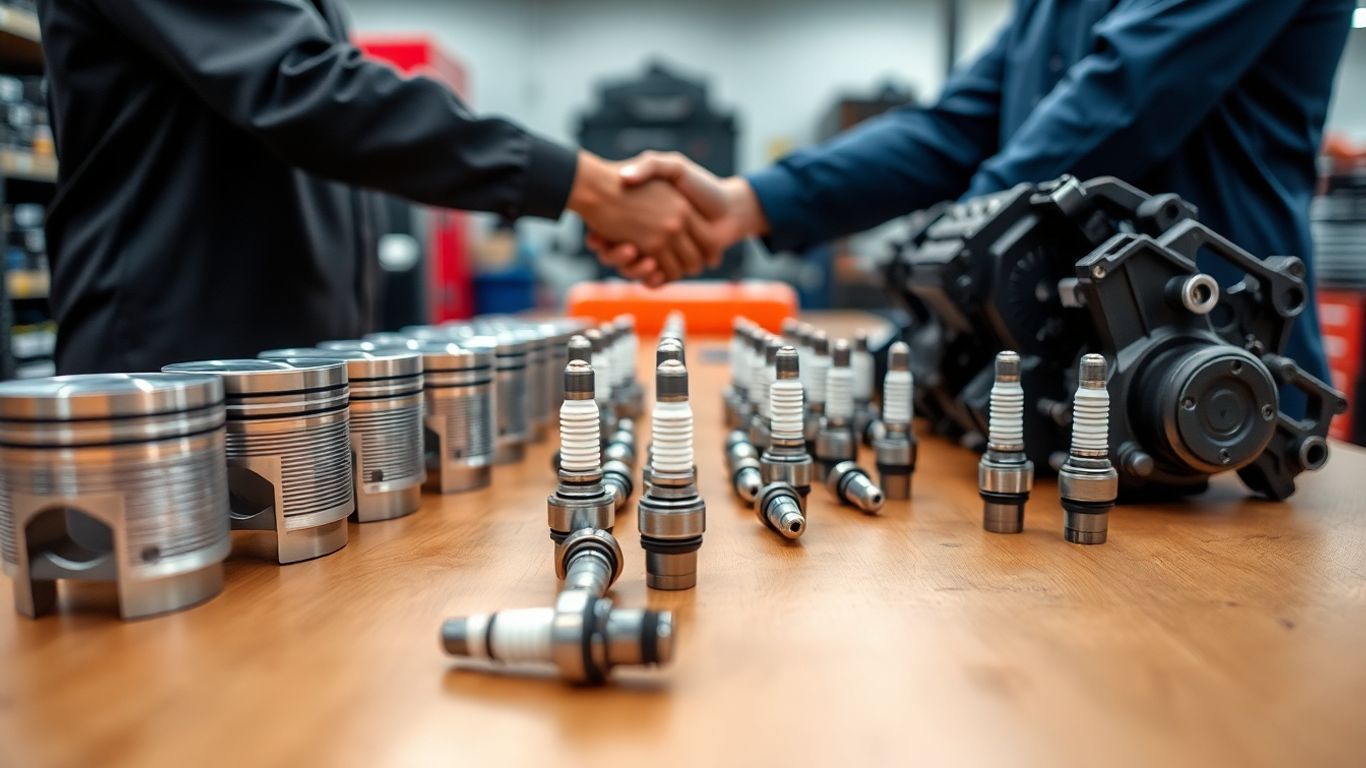
Establishing a steady relationship with your car engine parts supplier makes life simpler. It’s not just about repeat purchases. Over time, a good supplier gets to know your needs and can help you avoid headaches when something urgent pops up.
Prioritizing Reliable Communication Channels
The way your supplier communicates says a lot about what to expect long term. Here’s what to look for:
- Quick responses to questions and concerns.
- A dedicated contact person or team.
- Multiple ways to reach them (phone, email, chat).
A supplier who’s easy to talk to—and listens—makes every step smoother, from placing an order to following up on a delivery.
Monitoring Consistency in Quality and Service
Don’t set it and forget it. While the first few orders might go well, it’s smart to keep an eye on how things go over time. Consider making a simple table after a few orders:
| Order # | Delivery Time | Condition | Customer Service | Issues? |
|---|---|---|---|---|
| 101 | 2 days | Perfect | Helpful | None |
| 110 | 3 days | Good | Average | Slight delay |
| 125 | 2 days | Excellent | Great | None |
A pattern of on-time shipments and clear communication is a good sign. If things start slipping, think twice about future orders.
When you stick with a trustworthy supplier, your orders start to feel less stressful—and you worry less about surprise problems or unreliable parts.
Requesting Loyalty Benefits and Exclusive Perks
Suppliers value loyal customers and often show appreciation through extra perks. Try asking about:
- Volume discounts for repeat or bulk orders
- Early access to hard-to-get or new parts
- Tailored service, like automatic restocks or priority shipping
By working with the same supplier, you’re in a good position to request these benefits. It’s a win for both sides: you get more value, and they keep a steady customer.
If you build trust slowly, back it up with clear communication, keep tabs on quality, and ask for loyalty rewards, you’re much more likely to end up with a supplier who has your back when it matters the most.
Conclusion
So, picking the right car engine spare parts supplier isn’t something you want to rush. It’s not just about grabbing the cheapest part or going with the first name you see online. Take your time to check reviews, ask around, and see if the supplier actually stocks genuine parts. Make sure they’re easy to reach if you have questions, and don’t be afraid to ask about warranties or return policies. It might feel like a hassle now, but it’ll save you a lot of trouble down the road. At the end of the day, your car’s performance and your own peace of mind are worth that extra bit of effort. Stick with suppliers who are honest, reliable, and have a good track record—your car (and your wallet) will thank you later.
Frequently Asked Questions
How can I tell if a car engine spare parts supplier is genuine?
To check if a supplier is genuine, look for official certifications and business licenses. Also, see if they are authorized by car manufacturers to sell original parts. Reading customer reviews can help you spot trusted suppliers.
What is the difference between OEM and aftermarket engine parts?
OEM parts are made by the same company that built your car, so they fit perfectly and work reliably. Aftermarket parts are made by other companies and may be cheaper, but quality can vary. Always ask your supplier about the source of their parts.
Why is it important to avoid very cheap engine parts?
Parts that are much cheaper than usual may be fake or low quality. These can break easily or damage your car. It’s better to pay a fair price for genuine, reliable parts that will last longer and keep your car safe.
How do I make sure the part I buy will fit my car?
Check the part number in your car manual or ask the supplier to match it with your car’s make, model, and year. Good suppliers can help you find the right part and may offer returns or exchanges if it doesn’t fit.
What should I look for in a supplier’s customer service?
A good supplier should answer your questions quickly, help you pick the right parts, and explain return or warranty policies. Fast delivery and easy order tracking are also signs of great service.
Can I build a long-term relationship with my spare parts supplier?
Yes! If a supplier gives you quality parts, fair prices, and good service every time, you can trust them for future needs. Some suppliers even offer loyalty rewards or special deals for regular customers.