
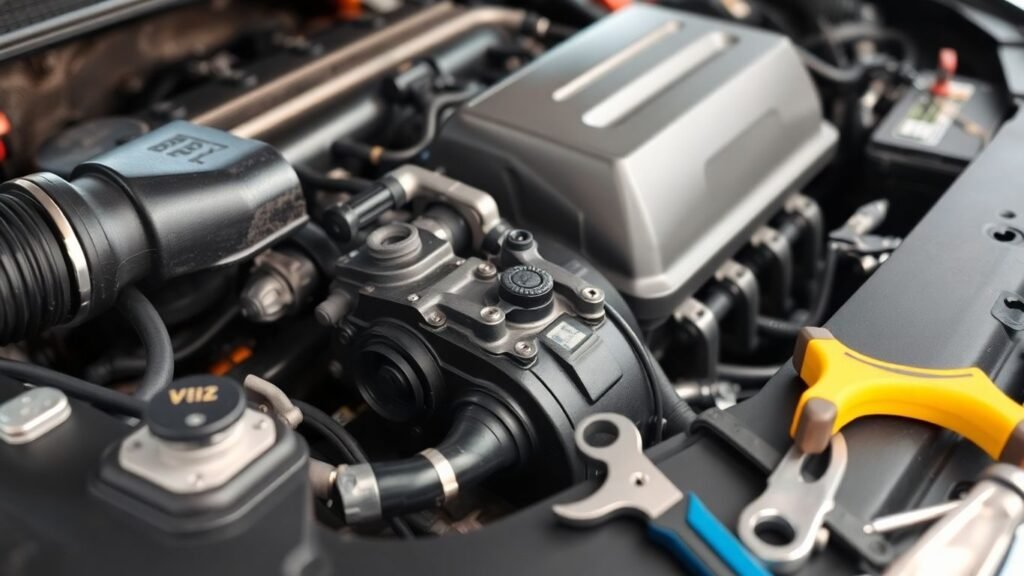
Keeping your car’s engine in good shape is super important. It’s not just about avoiding a breakdown on the side of the road, though that’s a big plus. Regular engine maintenance and repair tips for car owners can actually save you money in the long run and help your car run better. Think of it like going to the doctor for a check-up; it’s better to catch small things before they become big, expensive problems. We’ll go over some straightforward advice to help you keep your engine humming along smoothly.
Key Takeaways
- Regularly changing your engine oil is a big deal. It keeps all the moving parts lubricated and prevents gunk from building up, which can seriously damage your engine over time.
- Don’t forget about your coolant! Keeping an eye on your engine coolant levels prevents overheating, especially when it’s hot out. Just make sure the engine is cool before you check it.
- Your engine needs to breathe, so keeping the air filter clean is a simple way to help your car run more efficiently and last longer.
- Things like spark plugs, serpentine belts, and differential fluids might sound complicated, but they’re important for your engine’s power and overall function. Get them checked when your car manual says to.
- Seasonal changes can affect your car. Batteries can struggle in extreme cold, and having the right tires for winter can make a huge difference in safety and performance.
Understanding Your Engine’s Vital Fluids
Think of your car’s fluids like the blood in your own body. They keep everything running smoothly and prevent serious problems. Ignoring them is like holding your breath – not a good long-term strategy. Let’s break down the key ones you need to keep an eye on.
The Importance of Regular Oil Changes
Engine oil is the lifeblood of your engine. It does a bunch of jobs: it lubricates all those moving metal parts so they don’t grind against each other, it helps seal things up to keep dirt out, it carries away heat, and it even helps prevent rust. Over time, oil gets dirty. It picks up gunk and metal bits from inside the engine, and it can even break down. If you don’t change it, that dirty oil can clog up passages and cause parts to wear out way faster than they should. Plus, your engine actually burns a little oil, so the level can drop. Low oil is a fast track to major engine damage.
- Check your oil level at least once a month. Pull out the dipstick, wipe it clean, stick it back in, pull it out again, and check the level. It should be between the ‘min’ and ‘max’ marks.
- Follow your car’s manual for oil change intervals. Some cars can go 5,000 to 10,000 miles between changes, especially with synthetic oil. Others might need it sooner, maybe every 3,000 to 5,000 miles.
- Don’t forget the oil filter. It needs to be changed with the oil to keep the new oil clean.
Running your engine with old, dirty oil is one of the quickest ways to shorten its life. It’s a simple maintenance task that pays off big time in the long run.
Monitoring Your Engine Coolant Levels
Your engine gets hot when it runs, and coolant is what keeps it from overheating. It circulates through the engine, absorbing heat, and then goes to the radiator to cool down. If your coolant level gets too low, your engine can overheat, and that can cause some really expensive damage, like a warped cylinder head. It’s also important to know that coolant is a mix of antifreeze and water, and it has special properties to prevent freezing in the winter and boiling in the summer.
- Never check coolant when the engine is hot. Wait for it to cool down completely. Opening a hot system can cause hot fluid to spray out, which is dangerous. Also, adding cold fluid to a hot engine block can potentially crack it.
- Look for leaks. Check under your car for any puddles or stains that look like coolant (often brightly colored – green, orange, or pink).
- Top it off if needed. Use the correct type of coolant specified in your owner’s manual. Don’t just use water, especially in freezing temperatures.
Transmission Fluid and Its Role
Whether you have an automatic or a manual transmission, it has fluid. This fluid is like the oil for your transmission’s gears and other parts. It lubricates them, cools them down, and in automatic transmissions, it’s also used to engage the gears. If the fluid is low or dirty, your transmission can start to slip, shift roughly, or even fail completely. Replacing a transmission is one of the most expensive repairs you can face.
- Check your owner’s manual for the recommended service interval. This can vary a lot depending on your car and how you drive.
- Automatic transmissions often have a dipstick. Check it when the engine is warm and running, usually in Park or Neutral (check your manual!).
- Manual transmissions might require a mechanic to check. The fill plug is often on the side of the transmission case.
| Fluid Type | Primary Function |
|---|---|
| Engine Oil | Lubrication, cooling, cleaning, sealing |
| Engine Coolant | Temperature regulation (prevents overheating/freezing) |
| Transmission Fluid | Lubrication, cooling, hydraulic pressure (automatics) |
Essential Air and Fuel System Checks
Your car’s engine needs a steady supply of clean air and the right amount of fuel to run smoothly. Ignoring these systems can lead to all sorts of problems, from a sluggish ride to serious engine damage. Let’s break down what you need to keep an eye on.
Keeping Your Air Filter Clean
The air filter is like your engine’s lungs. It stops dirt, bugs, and other junk from getting into the engine where they can cause wear and tear. A dirty air filter means your engine is struggling to breathe, which can hurt your gas mileage and make it run rough. You should check your air filter regularly, and most owners’ manuals suggest changing it every 15,000 to 30,000 miles, or sooner if you drive in dusty conditions. It’s usually a pretty simple job you can do yourself. Just pop the hood, find the air filter box (it’s often a black plastic box with clips), unclip it, pull out the old filter, and pop in a new one. Easy peasy.
The Function of Spark Plugs
Spark plugs are the little guys that actually start the whole combustion process. They create a spark that ignites the air-fuel mixture in your engine’s cylinders. If they’re worn out or fouled, that spark can be weak or non-existent, leading to misfires, rough idling, and a noticeable loss of power. You might also notice your check engine light coming on.
Here’s a quick rundown of what happens when spark plugs aren’t doing their job:
- Rough Idling: The engine shakes or vibrates more than usual when you’re stopped.
- Poor Acceleration: The car feels slow to respond when you press the gas pedal.
- Reduced Fuel Economy: You’ll find yourself stopping at the gas station more often.
- Difficulty Starting: The engine might crank for a long time before it finally starts, or not start at all.
Most manufacturers recommend checking or replacing spark plugs somewhere between 30,000 and 100,000 miles, depending on the type of plug. If you’re not comfortable with this job, it’s definitely one to leave to the professionals.
Keeping your air filter clean and your spark plugs in good shape are two straightforward ways to keep your engine happy and running efficiently. Don’t overlook these simple checks; they can save you a lot of headaches and money down the road.
Maintaining Key Engine Components
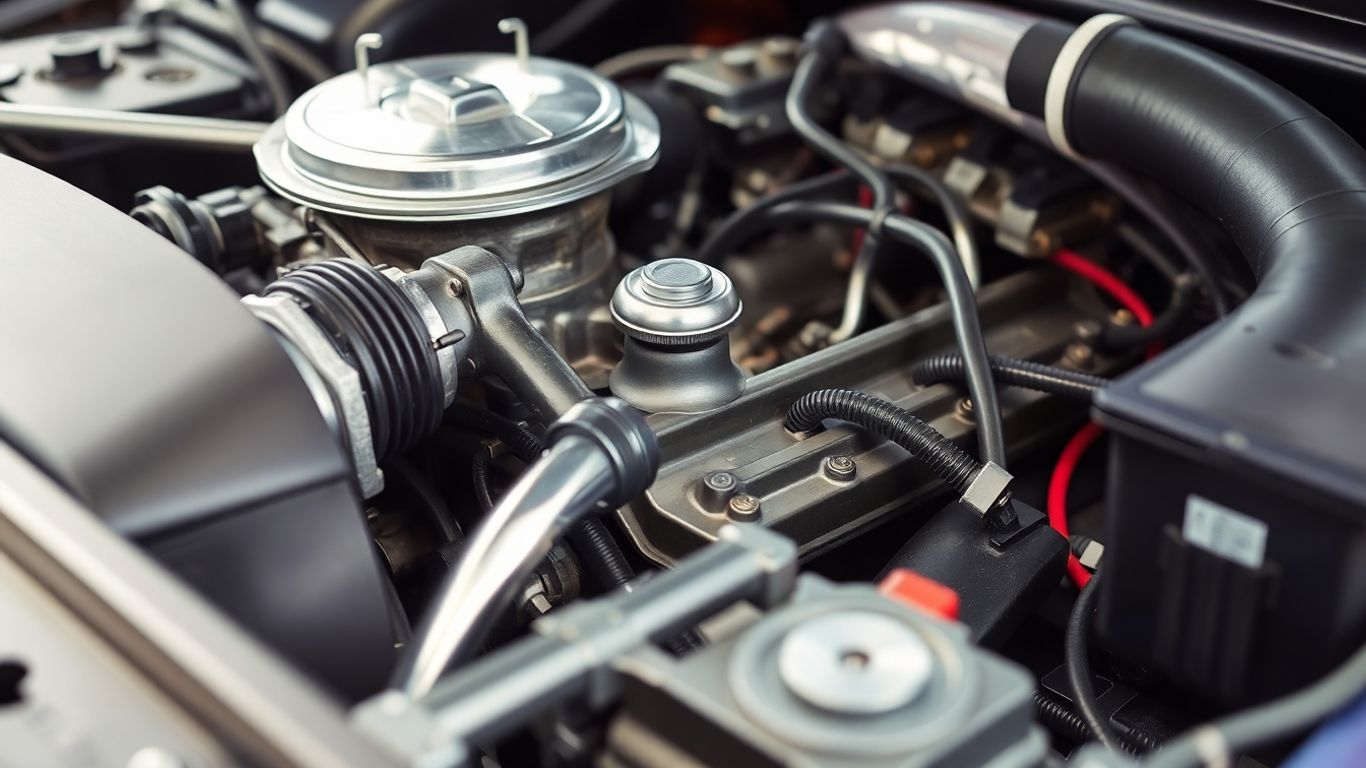
Your car’s engine has several parts that need regular attention to keep everything running smoothly. Ignoring these can lead to bigger, more expensive problems down the road. Let’s look at a few of these important components.
Inspecting the Serpentine Belt
The serpentine belt is a long, rubbery band that powers a lot of your engine’s accessories. Think of your alternator, power steering pump, and air conditioning compressor – they all rely on this belt to do their jobs. It’s not hard to give it a quick look-over yourself. You’re looking for any signs of cracking, fraying, or excessive wear. If you see any damage, or if your car’s manual suggests it, it’s time for a replacement. A broken serpentine belt can stop your car dead in its tracks.
Checking Differential Fluids
Differentials are pretty neat pieces of engineering. They take the power from your engine and split it up so your wheels can turn at different speeds, especially when you’re turning a corner. This is super important for front-wheel drive, rear-wheel drive, and all-wheel drive vehicles. To keep these parts working right, they need proper lubrication. This means checking and changing the differential fluid. Most of the time, you’ll want a professional to handle this, following the schedule in your car’s owner’s manual. It’s not something you’ll do every oil change, but it’s vital for the longevity of your drivetrain.
Transfer Case Fluid Maintenance
If you drive a vehicle with four-wheel or all-wheel drive, you’ve also got a transfer case. This component is what actually sends power to all four wheels. Like the differentials, it needs its own special fluid to keep it from overheating and wearing out. The maintenance schedule for transfer case fluid can vary a lot depending on your vehicle and how you use it. Some manufacturers recommend checking it at specific mileage intervals, while others might suggest it only when other major services are due. It’s best to consult your owner’s manual or a trusted mechanic to know when this fluid needs attention. Neglecting it can lead to serious issues with your vehicle’s four-wheel-drive system.
Keeping these components in good shape might seem like a hassle, but it’s way better than dealing with a breakdown. A little bit of looking and following the recommended service intervals can save you a lot of headaches and money in the long run. Don’t wait until something feels or sounds wrong; be proactive with your car’s maintenance.
Long-Term Engine Health Strategies
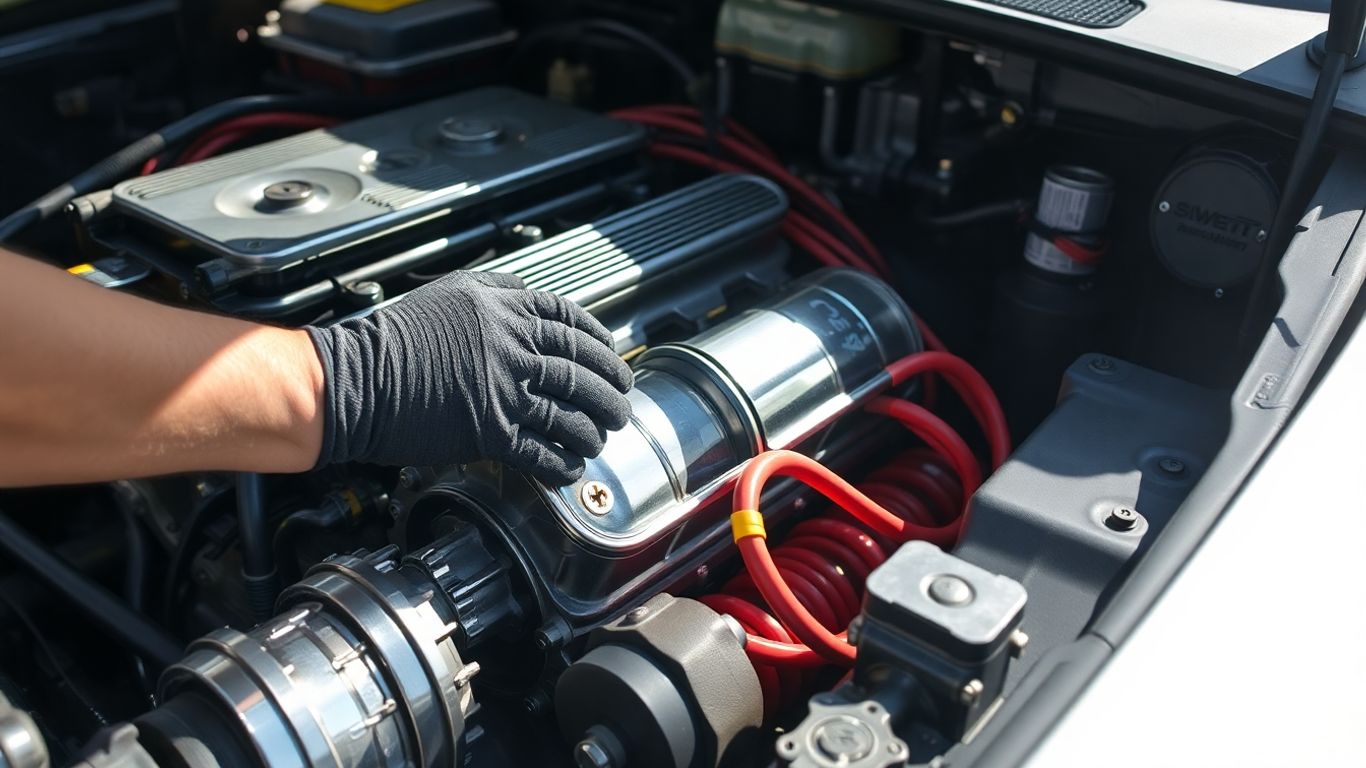
Keeping your engine happy over the long haul is all about being proactive. It’s not just about fixing things when they break, but about doing little things regularly that stop big problems from happening in the first place. Think of it like going to the doctor for check-ups instead of only going when you’re really sick. It saves you a lot of trouble and money down the road.
Coolant Fluid Exchange Procedures
Your engine coolant, also called antifreeze, does more than just keep your engine from overheating in the summer. It also stops it from freezing up in the winter. Over time, though, the protective additives in coolant break down. This can lead to rust and gunk forming inside your engine’s cooling system, which is definitely not good. A coolant flush and replacement means draining out the old stuff and putting in fresh coolant. This keeps the system clean and working right.
Here’s a general idea of when you might want to think about this:
- Every 30,000 to 60,000 miles: This is a pretty common range, but always check your car’s manual. Some cars might need it sooner, others can go a bit longer.
- If the coolant looks dirty: If you pop the hood and the coolant looks rusty, murky, or has bits floating in it, it’s probably time for a change, even if you haven’t hit the mileage mark.
- After major engine work: If you’ve had significant repairs done to the cooling system, it’s a good idea to get the coolant replaced.
Flushing the cooling system involves more than just draining and refilling. It often includes using a cleaning solution to remove any buildup before the new coolant goes in. This helps ensure the entire system is clean and ready to protect your engine.
When to Inspect Shocks and Struts
While shocks and struts aren’t directly part of the engine itself, they play a big role in how your car handles and how smoothly it rides. Worn-out shocks and struts can affect your braking distance and put extra stress on other parts of your car, including things connected to the engine and suspension. Worn suspension components can lead to a rougher ride and make your engine work harder than it needs to.
Keep an eye out for these signs:
- Bouncy ride: If your car feels like it’s bouncing excessively after hitting bumps, or continues to bounce for a while, your shocks or struts might be going bad.
- Uneven tire wear: If you notice your tires are wearing out faster on one side than the other, it could be a sign of suspension problems.
- Leaking fluid: Check for any oily fluid leaking from the shock or strut bodies. This is a clear indicator that they need to be replaced.
- Car pulling to one side: If your car tends to drift to one side when you’re driving on a straight road, it might be a suspension issue.
Seasonal Engine Care Considerations
When the seasons change, your car’s needs can change too. Paying attention to a few key areas can help keep your engine running smoothly, no matter the weather outside. It’s not just about avoiding breakdowns; it’s about making sure your car is ready for whatever the road throws at it.
Battery Performance in Extreme Temperatures
Your car’s battery is like its heart, pumping out the electrical juice needed to start the engine and power all the gadgets. But extreme temperatures, both hot and cold, can really mess with its performance. In the winter, cold weather makes it harder for the battery to crank the engine, and if your battery is already a bit weak, it might just give up. Regularly testing your battery’s health, especially before winter hits, is a smart move. You can usually get this done for free at most auto parts stores. They’ll check its voltage and cranking power to see if it’s up to the task.
Winter Tire Considerations
If you live in an area that gets snow or ice, switching to winter tires is a really good idea. When the temperature consistently stays at or below freezing, the rubber in regular tires gets stiff. This makes them less grippy, which means longer stopping distances and trickier handling. Winter tires are made with special rubber compounds that stay soft in the cold, and they have tread patterns designed to bite into snow and ice. It’s a noticeable difference in how your car handles in bad weather. You can find out more about preparing your vehicle for autumn by checking vital fluids.
Here’s a quick rundown of what to think about:
- Battery Test: Get your battery checked before the first big freeze.
- Tire Swap: Consider winter tires if you face snow or ice regularly.
- Antifreeze Check: Make sure your coolant is at the right level and mix for freezing temperatures.
Keeping up with these seasonal checks might seem like a hassle, but it’s way better than dealing with a car that won’t start on a freezing morning or a car that slides around on an icy road. A little bit of preventative care goes a long way in keeping you safe and your car reliable.
Wrapping It Up: Keeping Your Engine Happy
So, there you have it. Taking care of your car’s engine doesn’t have to be some big, scary mystery. A little bit of regular attention, like checking your oil and keeping things clean, can go a really long way. It’s not about becoming a master mechanic overnight, but just knowing the basics and sticking to a simple schedule. Doing these small things can help you avoid bigger, more expensive problems down the road and keep your ride running smoothly for years to come. Think of it as giving your car a little TLC – it’ll thank you for it.
Frequently Asked Questions
How often should I change my car’s oil?
It’s a good idea to check your car’s oil at least once a month. Most cars need an oil change every 5,000 to 7,500 miles, but it’s best to check your owner’s manual for the exact recommendation for your specific vehicle.
Why is it important to check my engine coolant?
Engine coolant keeps your engine from getting too hot. If the coolant level gets too low, your engine could overheat and get damaged. Always check the coolant when the engine is cool, never when it’s hot!
What does the air filter do for my engine?
Your engine’s air filter is like its lungs. It cleans the air going into the engine, keeping out dirt and bugs. A clean filter helps your car run better and use less gas. You should check and change it regularly, usually every few thousand miles.
What are spark plugs and why do they matter?
Spark plugs create the spark that ignites the fuel and air mix in your engine, making your car go. If they aren’t working right, your car might feel sluggish or lose power. It’s good to have them checked periodically.
What is the serpentine belt and what does it do?
The serpentine belt is a long rubber belt that powers important parts of your engine, like the alternator (which keeps your battery charged) and the air conditioning. You should look at it sometimes to make sure it doesn’t have cracks or look worn out.
Do I need special tires for winter?
If you live somewhere with cold, snowy winters, winter tires are a great idea. Regular tires can get stiff and lose grip when it’s freezing. Winter tires are made to stay softer in the cold and give you better traction on snow and ice.