Finding the right parts for your car can feel like a puzzle, especially when you need engine components. You want something that fits, works well, and doesn’t cost a fortune. It’s easy to get lost with so many options out there, and let’s be honest, not everyone selling parts online is on the up and up. This guide is here to help you sort through the noise and find trusted engine component suppliers in the UK, making sure you get good quality parts without the headache.
Key Takeaways
- Always look for suppliers who can show you proof of where their parts come from, especially if they claim to be genuine or OEM.
- Check if the seller has a real UK address and phone number, and see what other customers are saying online. Reviews can tell you a lot.
- Understand the warranty and return policies before you buy. What happens if the part doesn’t fit or breaks?
- For luxury or performance cars, be extra careful. Precision matters, and using the wrong part can cause more problems than it solves.
- Consider suppliers who can also fit the part. It can save you hassle and avoid arguments about who’s to blame if something goes wrong.
Identifying Reputable UK Engine Component Suppliers
Understanding the Importance of Verified Authenticity
When you’re looking for engine parts in the UK, especially after all the changes with imports, it’s really important to know you’re getting the real deal. Buying fake or low-quality parts can cause all sorts of problems down the line, from your car not running right to safety issues. It’s all about making sure the parts you buy are genuine and will work as they should. You don’t want to end up with something that looks the part but fails when you need it most.
Key Indicators of a Trustworthy Seller
So, how do you actually spot a good supplier? It’s not always obvious, but there are a few things to look out for. A seller that’s on the up-and-up will usually have clear information about their business, like a registered address and contact details. They’ll also be upfront about whether a part is original equipment (OEM) or aftermarket.
Here are some signs of a seller you can probably trust:
- Clear Business Information: Look for a registered company number and a physical UK address. A working phone number is also a good sign.
- Customer Feedback: Check reviews on sites like Trustpilot or Google. Lots of positive comments about quality and service are a good indicator.
- Warranty and Returns: A reputable seller will have a clear policy on warranties and returns. They should be willing to help if a part doesn’t fit or has a problem.
- VIN Verification: Many good suppliers offer to check if a part will fit your specific car using your Vehicle Identification Number (VIN).
Be wary of sellers who are vague about where they are based, don’t offer clear warranty information, or use generic pictures for their listings. These can be red flags.
Navigating the Post-Brexit Import Landscape
Things have changed a bit with how parts are imported into the UK since Brexit. This can sometimes mean longer delivery times or extra costs. A good supplier will be transparent about this. They’ll know the current rules and can tell you if there are any potential delays or extra charges you need to be aware of. It’s worth asking them directly about their import processes if you’re ordering something that might come from overseas. This way, you avoid any nasty surprises when the bill arrives or when you’re waiting for your part.
Prioritizing Genuine and OEM Quality Parts
Why OEM Parts Remain Crucial for Vehicle Longevity
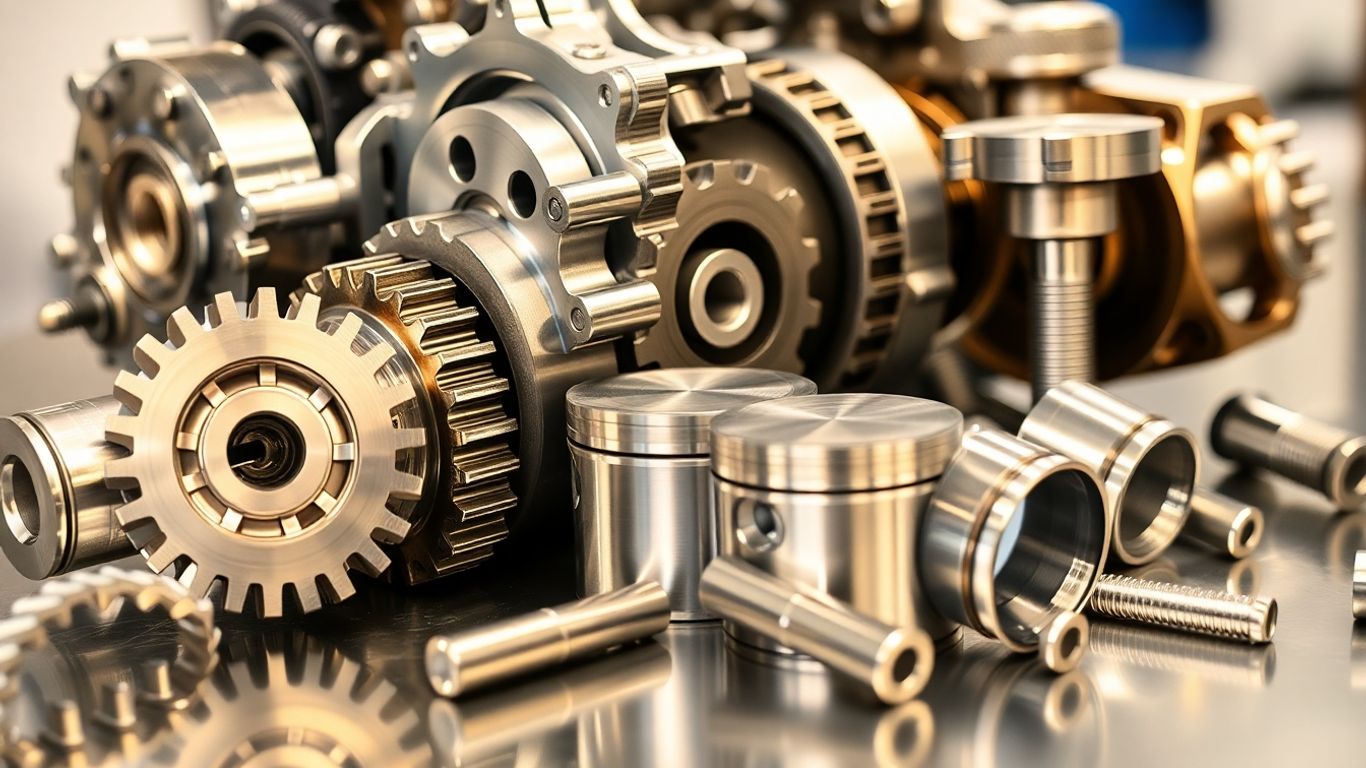
When you bought your car, it came with parts made specifically for it. Those are called OEM, or Original Equipment Manufacturer, parts. They’re designed by the same company that built your car, so they fit just right and work the way they’re supposed to. Even if your car is a few years old, sticking with OEM parts helps keep it running smoothly for a long time. It’s like using the right tools for a job; it just works better. Using parts that aren’t quite right can lead to more problems down the road, costing you more time and money.
The Risks Associated with Sub-Par Aftermarket Components
Okay, so sometimes you see parts online that look like the real deal but are way cheaper. Be careful with those. These are often aftermarket parts, and not all of them are made with the same care. Some might use cheaper materials that wear out faster, or they might not fit perfectly. This can cause all sorts of issues, from a part failing unexpectedly to causing damage to other components. It’s a gamble, and usually, it’s not worth the risk, especially when it comes to important things like brakes or engine parts.
Ensuring Fitment and Performance with Exact Components
Getting the right part the first time is a big deal. You don’t want to order something, wait for it to arrive, and then find out it doesn’t actually fit your car. That’s where checking the part number or using your car’s VIN (Vehicle Identification Number) comes in handy. Reputable suppliers will often have a way for you to check if a part is compatible with your specific car model and year. This saves you the headache of returns and makes sure your car gets the exact components it needs to perform at its best. It’s all about making sure everything lines up and works together like it should.
Essential Checks for Online Auto Parts Retailers
So, you’re looking to buy engine components online in the UK. It’s a smart move, often quicker and with more choice than heading to a physical store. But let’s be real, not all online sellers are created equal. You’ve probably seen those websites with unbelievably low prices that just feel a bit… off. It’s super important to do your homework before you click ‘buy’. You don’t want to end up with a part that doesn’t fit, is a fake, or leaves you with no support if something goes wrong.
Verifying Business Registration and Physical Presence
First things first, check if the company is legit. A genuine UK business will have its registration details easily accessible. You can usually find this information on their website, often in the footer or an ‘About Us’ section. Look for a Companies House registration number. If they don’t list one, or if it looks dodgy, that’s a red flag. Also, see if they have a physical UK address and a working phone number. A real business has a real address and a way to contact them directly. It’s not just about having a .co.uk domain; it’s about knowing they have a tangible presence here in the UK. This is especially important now, post-Brexit, as import rules have changed and having a UK-based supplier with local stock can save a lot of hassle.
Scrutinizing Customer Reviews and Testimonials
What are other people saying? This is where online reviews come in handy. Look beyond the star ratings. Read a few reviews, both good and bad. Are people happy with the quality of the parts? Is the delivery prompt? How was the customer service when issues arose? Sites like Trustpilot or Google Reviews can give you a good sense of a seller’s reputation. Be wary of sellers who only have glowing, generic reviews – these can sometimes be faked. Look for specific comments about the parts they sell and the service they provide. For example, if many customers mention quick delivery and good support for parts like suspension components, that’s a positive sign.
Understanding Warranty and Returns Policies
This is a big one. What happens if the part you ordered doesn’t fit your car, or if it fails prematurely? A trustworthy seller will have a clear, fair warranty and returns policy. Check how long you have to return an item and what the process is. Are there any restocking fees? What kind of warranty is offered on the parts themselves? Some sellers offer 30-day returns, while others might have longer periods for specific items. It’s also worth noting if they offer VIN-specific fitment guarantees, which can save you a lot of trouble.
Always take the time to read the fine print on warranties and returns. It might seem boring, but it could save you a lot of money and frustration down the line. Knowing your rights and the seller’s obligations is key to a smooth transaction.
Special Considerations for Luxury and Performance Vehicles
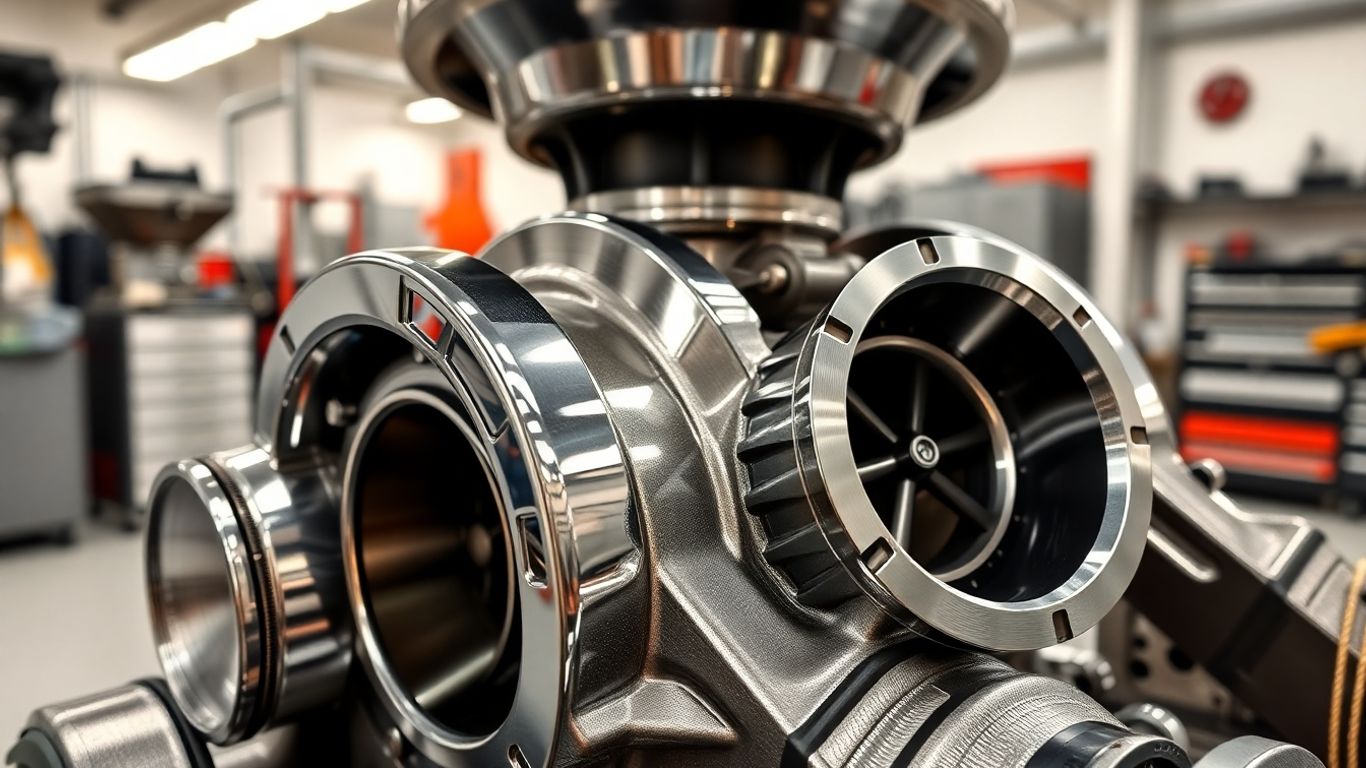
When you’re driving something a bit more high-end, like a BMW, Mercedes-Benz, or a Jaguar, the parts you need are often… well, different. It’s not just about getting your car running again; it’s about keeping that specific feel and performance that you paid for. These cars are built with very precise engineering, and using the wrong part can really mess things up. Finding suppliers who understand this difference is key.
Commonly Sought Parts for Premium Brands
For many luxury and performance cars, certain parts tend to need replacing more often, or they’re just more critical to the car’s overall experience. Think about things like:
- Brake Systems: High-performance brakes are a hallmark of these vehicles. Brands like Brembo or Bosch are often sought after, not just for stopping power but for the feel they provide. For a Mercedes or Audi, you want brakes that perform exactly as designed.
- Suspension Components: Whether it’s the adaptive suspension on a Range Rover or the precise handling of a Porsche, suspension parts are vital. Control arms, bushings, and air suspension components need to be spot-on.
- Engine and Turbochargers: For performance models, the engine is everything. Parts like turbos, timing chain kits (especially for BMW engines like the N47), and fuel injectors need to be top-notch to maintain that power.
- Electrical Systems: Modern luxury cars are packed with electronics. Sensors, control modules (ECUs), and lighting components are complex and require exact replacements.
The Necessity of Precision for European Luxury Cars
European manufacturers like BMW, Audi, and Mercedes-Benz are known for their engineering. They use specific materials and tolerances. When you buy a part for one of these cars, it really needs to match the original specifications. Using a generic part might seem like a good idea to save money, but it can lead to issues down the line. You might notice a change in how the car drives, or worse, you could end up with premature wear on other components. It’s about maintaining that factory-level performance and reliability. For these vehicles, sticking to OEM or very high-quality aftermarket parts is usually the best bet. You can find a wide range of components for these brands at places like Exotic Auto Parts.
Sourcing Rare Components for High-End Marques
Sometimes, you need a part for a car that’s a bit older or a more exclusive model, like a specific Jaguar or a rarer Land Rover. These parts can be hard to find. Dealerships might not stock them anymore, or they might be incredibly expensive. This is where specialized suppliers come in. They often have better connections or a wider inventory for these less common items. It’s important to find a supplier who can actually source these rare parts and verify their authenticity. You don’t want to wait weeks for something that turns out to be a poor imitation. Always ask about the part’s origin and if it’s a genuine OEM component or a reputable equivalent.
When dealing with luxury and performance vehicles, the stakes are higher. It’s not just about fixing a problem; it’s about preserving the integrity and performance of a complex machine. Choosing the right supplier who understands these nuances can save you a lot of headaches and money in the long run, even if the initial cost seems a bit higher.
The Role of Integrated Supply and Fitting Services
When you need a new engine or a major component, figuring out who supplies it and who fits it can get complicated. Sometimes, if something goes wrong, the mechanic points fingers at the supplier, and the supplier blames the mechanic. It’s a real headache, and honestly, it can cost you more time and money in the long run. That’s where integrated supply and fitting services really shine.
Eliminating Blame Between Suppliers and Mechanics
Think about it: you get a new engine installed, and then a problem pops up. Who do you call? If the supplier and the fitter are separate outfits, you’re stuck in the middle. One might say the part was faulty, the other might claim it wasn’t installed right. An integrated service means one team handles both the part and the installation, cutting out that blame game entirely. They’re responsible from start to finish.
Benefits of Professional Installation and Calibration
Getting a part is one thing, but making sure it’s installed correctly is another. Professional mechanics know the ins and outs of your specific vehicle. They have the right tools and the know-how to fit the component perfectly and calibrate any related systems, like the ECU. This isn’t just about getting the car running; it’s about making sure it runs right and lasts.
Here are some advantages:
- Guaranteed Compatibility: The fitter knows the part is meant for your car.
- Correct Calibration: Systems like the engine control unit are set up properly.
- Reduced Risk of Errors: Professional hands mean fewer mistakes.
- Optimized Performance: Your engine will work as it should.
Ensuring Warranty Validity Through Integrated Services
Many warranties have clauses about how parts must be installed. If a part isn’t fitted by a qualified professional, or if it’s installed incorrectly, your warranty could be voided. When you use a service that supplies and fits the part, you’re usually covered. They know the warranty requirements and will make sure the installation meets them. It’s a safety net that protects your investment.
Using a service that handles both the supply and the fitting of your engine components can save you a lot of hassle. It means fewer headaches if something goes wrong and a better chance that the job is done right the first time. Plus, it often keeps your warranty in good shape.
Understanding Engine Replacement Options and Warranties
Evaluating Used vs. Reconditioned Engines
So, your car’s engine has finally given up the ghost. It’s a bummer, for sure, and the first big question is what kind of replacement you’re looking at. You’ve got a couple of main paths here: used or reconditioned. A used engine is pretty much what it sounds like – pulled from another vehicle. It’s often the quickest and cheapest way to get your car back on the road, especially if you’re on a tight budget. Think of it as a pre-owned part. The big thing with used engines is making sure you get one from a supplier you can actually trust, one that’s been tested and ideally comes with some kind of warranty, even if it’s short. You don’t want to buy someone else’s problem, right?
Then there’s the reconditioned engine. This is like giving an old engine a serious makeover. They strip it down, replace all the worn-out bits – think pistons, rings, bearings – and then put it all back together. It’s basically rebuilt to be like new, or at least very close. This usually costs more upfront than a used engine, but you’re getting something that’s been thoroughly checked and renewed. It’s a good middle ground if you want more reliability than a basic used engine but can’t quite stretch to a brand-new one.
Here’s a quick look at what you might expect:
- Used Engines:
- Generally the most affordable option.
- Often come with lower mileage.
- Best for quick fixes when budget is key.
- Warranty coverage can be limited.
- Reconditioned Engines:
- More expensive than used, but cheaper than new.
- Worn parts are replaced and rebuilt.
- Offers a better balance of cost and reliability.
- Typically includes a more substantial warranty.
When you’re looking at either option, always ask about the supplier’s reputation and what kind of guarantee they offer. A good warranty can save you a lot of headaches down the line.
The Value of Unlimited Mileage Warranties
Okay, so you’ve picked out your engine – maybe it’s a used one, maybe it’s reconditioned. Now, let’s talk about that warranty. You’ll see a lot of talk about "unlimited mileage warranties," and honestly, it sounds almost too good to be true. But when you find a reputable supplier, these can be a really big deal. It means that for the duration of the warranty – which could be anywhere from one to five years – you’re covered no matter how many miles you put on the car. This is super important because it takes away the worry about racking up miles quickly, which is what most of us do with our cars.
Think about it: if you drive a lot for work or just enjoy long road trips, a standard mileage-limited warranty could expire before you even know it. An unlimited one gives you peace of mind that you’re protected for the long haul. It shows the supplier has a lot of confidence in the engine they’re selling you. It’s not just about fixing a problem if it pops up; it’s about the confidence that the engine is built to last.
Ensuring UK Roadworthiness and MOT Compliance
Getting a replacement engine isn’t just about making your car run again; it’s also about making sure it’s legal to drive on UK roads. This means it has to pass your MOT test. The big thing here is emissions. Your replacement engine needs to meet the same emissions standards as your original engine did when it left the factory. This information is usually on your car’s V5C logbook. If you put in an engine that’s significantly different, especially in terms of emissions, you’re going to fail your MOT, and that’s a problem. You could also face fines.
So, when you’re buying an engine, especially from a UK supplier, make sure they can confirm it’s a like-for-like replacement or an approved equivalent that meets all the legal requirements. They should be able to provide you with the necessary paperwork to update the DVLA (Driver and Vehicle Licensing Agency) and prove your car is compliant. This makes sure you stay insured and legal. It’s not just about the engine working; it’s about the whole package being road-legal and safe.
Wrapping It Up
So, finding the right engine parts in the UK can feel like a puzzle, but it doesn’t have to be a headache. We’ve talked about why sticking with genuine or good quality OEM parts really matters, especially for those pricier cars like Land Rovers or Porsches. It’s about making sure your car runs right and keeps its value. Remember to check out suppliers carefully – look for clear info, good reviews, and easy returns. Websites that offer VIN matching and have a solid UK presence are usually a safe bet. Don’t just go for the cheapest option; think about the long run and what gives you peace of mind. Getting it right the first time saves you trouble down the road.
Frequently Asked Questions
What are OEM parts, and why are they better?
OEM stands for Original Equipment Manufacturer. These are parts made by the same company that built your car. Think of it like buying a brand-new phone from the company that made your original one. They’re designed to fit perfectly and work exactly as the car maker intended, keeping your car running smoothly and holding its value better.
How can I tell if an online car parts seller in the UK is trustworthy?
Look for sellers who clearly show their business registration details and have a real UK address and phone number. Good sellers also have honest customer reviews on sites like Trustpilot and offer clear policies for returns and warranties. They should also be able to help you confirm the part will fit your specific car using your vehicle’s VIN (Vehicle Identification Number).
Does Brexit affect buying car parts in the UK?
Yes, Brexit has changed things. You might now have to pay extra taxes like VAT and customs fees on parts imported from the EU. This can also sometimes cause delivery delays. It’s often easier and more reliable to buy from UK-based sellers who have their own stock here.
What’s the difference between a used engine and a reconditioned engine?
A used engine is taken from another car and sold as-is, though trusted sellers will test it and offer a warranty. A reconditioned engine has been taken apart, cleaned, and had worn-out parts replaced or repaired to bring it back to good working order. Reconditioned engines usually offer better reliability and come with longer warranties.
Why is professional installation important for engine parts?
Getting a professional to install your engine parts ensures they are fitted correctly and everything is calibrated properly. This is crucial for the part to work right and to keep your warranty valid. If a part is installed incorrectly, it could lead to more problems and cost you more money down the line.
What should I do if the car part I ordered doesn’t fit my car?
Don’t panic! First, contact the seller right away. Give them your order number and your car’s VIN. Check their website for their return or exchange policy. Most reputable sellers will help you sort it out, either by exchanging the part for the correct one or arranging a return.