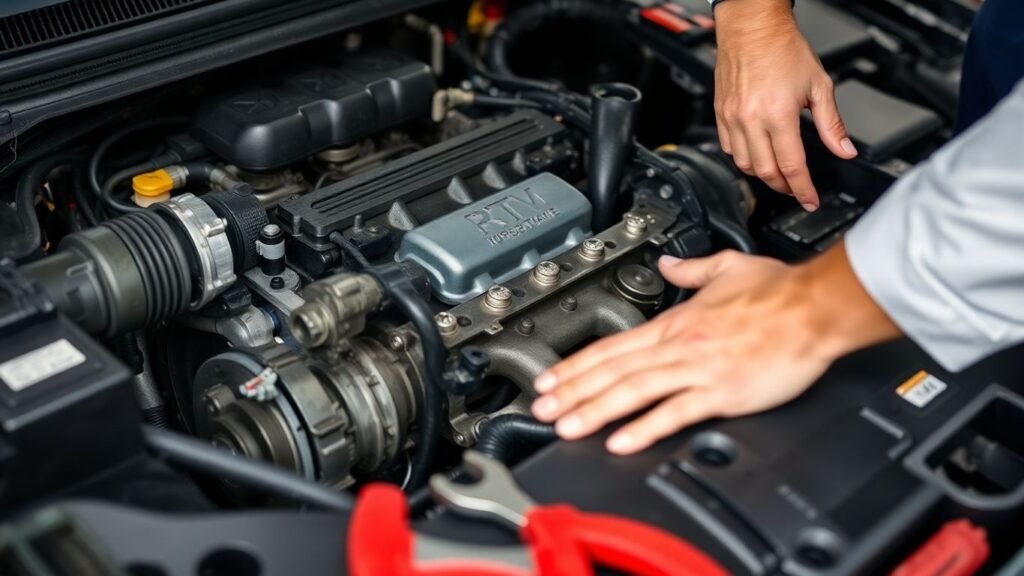
Your car’s engine is pretty important, right? It’s what makes the whole thing go. But sometimes, things go wrong with it, and it can be a real headache. You might notice weird noises, smoke, or just that your car isn’t running right. This guide is all about those common car engine problems and their solutions, so you can hopefully catch things early and avoid a big repair bill. We’ll break down what to look out for and what you can do about it.
Key Takeaways
- Keep an eye on your engine temperature gauge; if it creeps up, pull over safely. Overheating can cause serious damage.
- Listen for strange noises like knocking or squealing. These sounds often point to specific issues like low oil or a worn belt.
- Don’t ignore the check engine light. It could be a simple fix like a loose gas cap, or something more serious.
- Regularly check your fluids, filters, and belts. Simple maintenance like changing your oil and air filter can prevent a lot of headaches.
- If you notice persistent problems, strange smells, or warning lights you can’t figure out, it’s usually best to get a mechanic to take a look.
Understanding Engine Overheating Issues
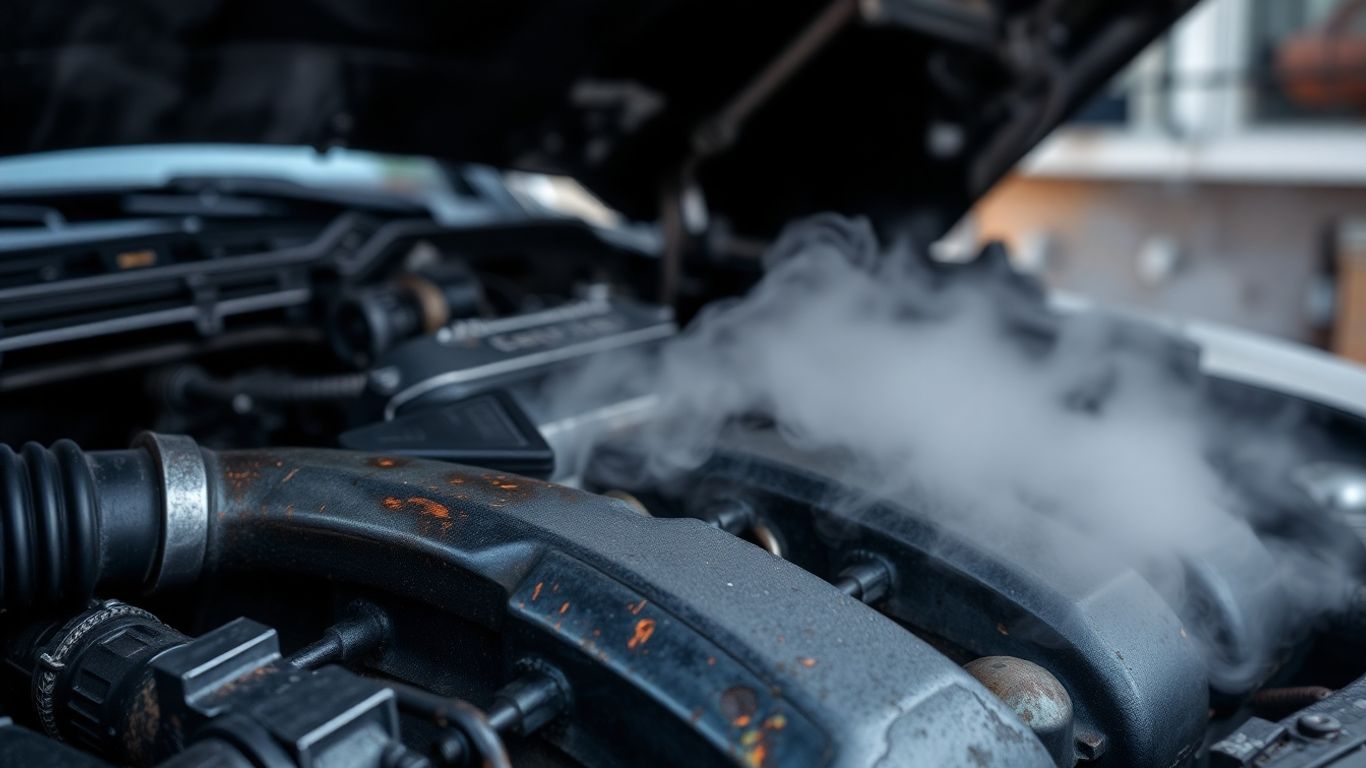
Your car’s engine generates a lot of heat when it’s running. That’s totally normal. But if that heat builds up too much, you’ve got a problem: overheating. This is one of the more serious issues your engine can face, and if you ignore it, you could be looking at some really expensive repairs. It’s like your engine running a fever – not good.
Recognizing the Signs of Overheating
So, how do you know if your engine is getting too hot? The most obvious sign is the temperature gauge on your dashboard. If it’s creeping up into the red zone, that’s a clear warning. You might also notice steam or smoke coming from under the hood, especially after you’ve turned the engine off. Sometimes, you’ll smell a sweet, syrupy odor, which often means coolant is leaking. Your car might also start to lose power, or you could hear some strange noises, like pinging or knocking, coming from the engine. Paying attention to these signals is your first line of defense.
Common Causes of Engine Overheating
Why does an engine overheat? Usually, it’s a problem with the cooling system not doing its job. Here are some common culprits:
- Low Coolant Levels: This is probably the most frequent reason. If there isn’t enough coolant, the system can’t effectively transfer heat away from the engine. This could be due to a leak somewhere.
- Coolant Leaks: Hoses can crack or get loose, radiators can develop leaks, and even the water pump seal can fail. Any of these will let coolant escape. A blockage in a coolant hose can also stop coolant from flowing properly.
- Thermostat Failure: The thermostat acts like a valve, controlling coolant flow. If it gets stuck closed, coolant can’t circulate to the radiator to cool down, and the engine temperature spikes.
- Water Pump Malfunction: The water pump is what circulates the coolant throughout the engine and radiator. If it’s not working right, the coolant just sits there, and the engine gets hot.
- Radiator Issues: The radiator is where the coolant cools down. If it’s clogged with debris or corrosion, or if the cooling fan isn’t working, it can’t do its job.
Ignoring these issues can quickly turn a minor inconvenience into a major mechanical disaster. It’s always better to get it checked out sooner rather than later.
Preventative Measures for Cooling System Health
Keeping your cooling system in good shape is key to preventing overheating. It’s not rocket science, just a bit of regular attention. Here’s what you can do:
- Check Coolant Levels Regularly: Pop the hood and check your coolant reservoir. Make sure the level is between the ‘min’ and ‘max’ marks. Do this at least once a month, and especially before long trips.
- Inspect Hoses and Belts: Look for any cracks, bulges, or signs of wear on your radiator hoses and other coolant hoses. Also, check the drive belts that power the water pump.
- Flush the Cooling System: Over time, sediment and rust can build up in the cooling system. Flushing it out and refilling with fresh coolant every few years (check your owner’s manual for the recommended interval) helps keep everything clean and flowing.
- Keep the Radiator Clean: Make sure the front of your radiator isn’t blocked by leaves, bugs, or other debris. You can gently rinse it off if it looks dirty.
If you’re not comfortable doing these checks yourself, most auto shops can perform a cooling system inspection as part of your regular maintenance. It’s a small price to pay for peace of mind and a healthy engine.
Addressing Rough Idling and Stalling
Ever notice your car sputtering a bit when you’re stopped at a light, or maybe it just dies on you unexpectedly? That’s rough idling and stalling, and it’s a pretty common headache for car owners. It usually means something in the engine isn’t quite happy. Don’t just ignore it; these symptoms are your car’s way of telling you it needs attention.
Recognizing the Signs of Rough Idling and Stalling
Besides the obvious stalling, you might notice a few other things:
- Vibrations: The whole car might shake more than usual when it’s idling.
- Hesitation: When you press the gas pedal, there’s a delay or a stumble before the engine picks up speed.
- Engine Light: Often, a rough idle or stalling will trigger your check engine light. It’s a good clue to start looking for problems.
- Fuel Smell: Sometimes, unburned fuel can escape, leading to a noticeable gas smell.
Common Causes of Rough Idling and Stalling
There are a few usual suspects when your engine starts acting up like this. One common culprit is a dirty or failing idle air control valve. This little guy manages the air that bypasses the throttle plate when you’re not pressing the gas. If it’s gunked up, it can’t regulate the air properly, leading to an uneven idle. Another possibility is a malfunctioning mass airflow sensor. This sensor tells the car’s computer how much air is entering the engine, which is key for getting the right fuel-air mix. If it’s off, the mix will be wrong, causing all sorts of performance issues. And of course, we can’t forget about the basics: worn-out spark plugs or issues with the fuel delivery system can also cause these problems. A dirty fuel filter or clogged fuel injectors can definitely cause hesitation and rough running. If you’re experiencing these symptoms, it might be time to look into fuel injector cleaning.
Solutions for Engine Stalling Problems
Fixing stalling issues often comes down to addressing the root cause identified above. For a dirty idle air control valve, a good cleaning might do the trick. If the mass airflow sensor is faulty, it will likely need to be replaced. Spark plugs are relatively easy to replace, and doing so can often smooth out an engine’s performance. For fuel system problems, this could mean replacing a clogged fuel filter or having the fuel injectors professionally cleaned or replaced. Sometimes, a simple fix like tightening a loose vacuum hose can even solve the problem.
It’s important to remember that these symptoms can sometimes be linked. For instance, a vacuum leak might affect the readings from the mass airflow sensor, leading to a cascade of issues. That’s why a thorough diagnosis is always best.
The Role of Sensors in Engine Performance
Modern cars have a whole network of sensors that constantly monitor everything from engine temperature to oxygen levels. These sensors feed information to the car’s computer, which then makes tiny adjustments to keep the engine running as smoothly and efficiently as possible. When a sensor starts acting up, like the mass airflow sensor or an oxygen sensor, it can throw off the entire balance. This is why sometimes the check engine light comes on – it’s the computer telling you one of its eyes and ears isn’t working right. Keeping these sensors clean and functional is a big part of preventing rough idling and stalling.
Diagnosing Smoke, Leaks, and Odors
Ever popped the hood and seen smoke, noticed a puddle under your car, or caught a weird smell? These aren’t just random occurrences; they’re often your engine trying to tell you something’s up. Ignoring these signs can turn a small hiccup into a major headache, so let’s break down what they might mean.
Interpreting Engine Bay Smoke
Smoke from the engine bay is usually a pretty clear indicator that something is burning or leaking. The color of the smoke can give you a clue:
- White or Blue Smoke: This often means oil or coolant is getting into the combustion chamber and burning. It could be worn piston rings, bad valve seals, or a leaky head gasket. If you see this, it’s time to get it checked out.
- Dark Smoke: Usually points to a rich fuel mixture, meaning too much fuel is getting into the engine. This could be an issue with your fuel injectors or air intake system.
- Acrid or Burning Smell with Smoke: This might indicate that fluids like oil or coolant are leaking onto hot engine parts. A quick way to pinpoint leaks is with a smoke machine, which can help find even small issues. The Shop Series Automotive Smoke Machine is a popular choice for DIYers.
Pinpointing Fluid Leaks
Finding a puddle under your car is never fun. Different fluids have different characteristics:
- Oil Leaks: Typically dark brown or black, and often leave a greasy residue. They can come from the oil pan, valve cover gasket, or oil filter. Persistent oil leaks can severely damage your engine over time.
- Coolant Leaks: Usually brightly colored (green, orange, pink, or blue) and have a sweet smell. These often originate from hoses, the radiator, or the water pump.
- Transmission Fluid Leaks: Reddish and slick, these can affect your car’s ability to shift gears.
Checking your fluid levels regularly can help you spot a leak before it becomes a major problem.
Understanding Strange Engine Odors
Sometimes, you don’t see smoke or leaks, but you smell something off. These smells can be just as telling:
- Sweet Smell: Almost always points to a coolant leak. You might also notice a hissing sound if it’s a pressurized leak.
- Burning Rubber Smell: Could be a slipping or damaged belt, like the serpentine belt, or perhaps a hose rubbing against a moving part.
- Rotten Egg Smell: This usually indicates a problem with your catalytic converter, often due to unburned fuel entering the exhaust system.
Paying attention to these sensory clues – sight, smell, and even sound – is a big part of keeping your engine healthy. They’re your car’s way of communicating, and learning to listen can save you a lot of trouble and money down the road. Don’t dismiss them as minor annoyances; they’re often early warnings of issues that need attention.
If you’re unsure about what these signs mean or how to fix them, it’s always best to consult a qualified mechanic. They have the tools and knowledge to accurately diagnose the problem and get you back on the road safely.
The Significance of the Check Engine Light
What the Check Engine Light Indicates
That little orange or yellow light on your dashboard, often shaped like an engine, is your car’s way of telling you something’s up. It’s called the Check Engine Light, or sometimes the Malfunction Indicator Lamp (MIL). It’s not usually a sign of immediate danger, but it definitely shouldn’t be ignored. Think of it as your car’s way of saying, "Hey, I’ve got a little issue that needs looking at." This light can be triggered by a wide range of problems, from something as simple as a loose gas cap to more complex issues affecting your engine’s performance or emissions system.
Common Triggers for the Check Engine Light
So, what usually sets off this warning? A lot of things can cause it, but some are more common than others. Here are a few frequent culprits:
- Loose Gas Cap: Seriously, this is a surprisingly common one. If your gas cap isn’t tightened properly, it can allow fuel vapors to escape, triggering the light. Always give it a good twist until it clicks.
- Faulty Oxygen Sensor: Your car has oxygen sensors that measure the amount of oxygen in your exhaust. If one of these goes bad, it can mess with your fuel mixture and emissions, leading to the light coming on.
- Bad Spark Plugs or Ignition Coils: These are key players in igniting the fuel in your engine. If they’re worn out or failing, your engine might misfire, and that’s a surefire way to get the Check Engine Light.
- Catalytic Converter Issues: This part of your exhaust system cleans up harmful emissions. If it’s failing, it’s a big deal for both the environment and your car’s performance, and it will definitely light up that dashboard warning.
- Mass Airflow Sensor (MAF) Problems: This sensor tells your engine’s computer how much air is coming in, which is vital for the right fuel mix. If it’s dirty or faulty, your engine might run rough.
Steps to Take When the Light Illuminates
Okay, so the light is on. What now? Don’t panic, but don’t put it off either. Here’s a sensible approach:
- Check the Gas Cap: First things first, pull over safely and check your gas cap. Make sure it’s tight. If you just refueled, this might be your fix. Drive for a bit, and if the light goes off, you’re good to go.
- Observe Your Car’s Performance: Pay attention to how your car is driving. Are there any noticeable changes? Is it running rough, making strange noises, losing power, or getting worse gas mileage? If you notice significant issues, it’s best to get it checked out sooner rather than later.
- Get a Diagnostic Scan: The best way to know for sure what’s wrong is to have the car’s computer scanned. Most auto parts stores offer this service for free. They can read the trouble codes stored in your car’s system, which will give a mechanic a starting point for diagnosis.
- Consult a Mechanic: Based on the diagnostic codes and any performance issues you’re experiencing, take your car to a trusted mechanic. They can pinpoint the exact problem and recommend the necessary repairs.
Ignoring the Check Engine Light can turn a minor, inexpensive fix into a major, costly repair. It’s your car’s way of communicating, and listening to it is key to keeping it running smoothly for years to come. Don’t wait for a small problem to become a breakdown.
Maintaining Engine Health Through Regular Checks
Your car’s engine is a complex piece of machinery, and just like any other part of your vehicle, it needs consistent attention to keep it running right. Ignoring small things can turn into big, expensive headaches later on. Think of it like going to the doctor for a check-up; it’s way better to catch something early than wait until you’re really sick.
The Importance of Spark Plug Maintenance
Spark plugs might seem small, but they’re super important for how your engine fires up and runs. When they get old or worn out, you might notice your car isn’t getting as much gas mileage, or it might idle rough, making it feel like it’s shaking. Sometimes, starting the car can even become a struggle. Keeping your spark plugs in good shape is key to a smooth-running engine. You’ll want to check them out every so often, maybe every 30,000 to 100,000 miles, depending on what your car manual says. If you see any gunk buildup or damage, it’s probably time for a new set. It’s a pretty simple fix that can save you from bigger issues.
Ensuring Optimal Airflow with Clean Filters
Beyond spark plugs, your engine needs to breathe properly, and that’s where the air filter comes in. A clogged-up air filter is like trying to run a marathon with a stuffy nose – not going to work well. It can really mess with your engine’s performance and make your fuel go away faster. It’s a good idea to peek at your air filter every 12,000 to 15,000 miles. If it looks dirty, you can often clean it with some compressed air, or just swap it out for a new one. A clean filter means your engine gets the air it needs to do its job efficiently.
Inspecting Belts and Hoses for Wear
Don’t forget about the belts and hoses! These rubbery bits are responsible for moving fluids and power around your engine. You need to keep an eye out for any cracks, fraying, or signs of wear. If a belt snaps or a hose bursts, it can cause all sorts of problems, from your engine overheating to a complete breakdown. Check for any softness in the hoses, and make sure the belts aren’t too loose or too tight. It’s also smart to check your coolant levels regularly, as this is a vital fluid for keeping things from getting too hot.
Regular checks on these components – spark plugs, air filters, belts, and hoses – are not just routine tasks; they are preventative measures. Catching a worn belt or a dirty filter early can prevent a roadside breakdown and save you a significant amount of money on repairs. Think of it as a small investment in time for a much larger return in reliability.
If you’re hearing strange noises, noticing performance drops, or seeing warning lights, it’s always best to get it checked out by a professional. Sometimes, what seems like a minor issue can point to something more serious that needs expert attention.
Resolving Fuel System and Ignition Problems
When your car starts acting up, especially with sputtering or a general lack of pep, it often points to issues within the fuel system or ignition. These two systems work hand-in-hand to get your engine running right, and when one falters, the other can be affected too. Ignoring these signs can lead to bigger, more expensive repairs down the road.
Troubleshooting Fuel Delivery Issues
Your engine needs a consistent supply of clean fuel to perform. If that flow gets interrupted, you’ll notice it. Think of it like trying to drink through a straw that’s half-blocked – it’s just not going to work efficiently.
Common culprits include:
- Clogged Fuel Filter: Over time, your fuel filter traps dirt and debris. If it gets too full, it restricts fuel flow. Replacing this is usually a pretty straightforward job, often recommended every 30,000 miles or so, but always check your car’s manual.
- Failing Fuel Pump: This is the part that pushes fuel from the tank to the engine. If it’s weak or dying, your engine won’t get enough fuel, especially under load. You might notice hesitation or a complete loss of power.
- Dirty Fuel Injectors: These tiny nozzles spray fuel into the engine cylinders. If they get gunked up, they can’t spray fuel correctly, leading to poor combustion. Using quality fuel can help prevent this, and sometimes a professional cleaning is needed.
If your car won’t start after refueling, it might be a sign of a faulty fuel pump or injectors, which definitely needs a closer look by a professional.
Addressing Engine Misfires
A misfire happens when one or more of your engine’s cylinders doesn’t ignite the fuel-air mixture properly. This can feel like a shudder, a hesitation, or a rough idle. It’s not just annoying; it wastes fuel and increases emissions.
Here’s what usually causes them:
- Spark Plugs: These are the little guys that create the spark to ignite the fuel. If they’re worn out, fouled, or the gap is wrong, they won’t do their job. Replacing them is a common maintenance task, typically every 30,000 to 100,000 miles depending on the type.
- Ignition Coils: These coils provide the high voltage to the spark plugs. If a coil goes bad, the spark plug it’s connected to won’t fire.
- Fuel Injector Problems: As mentioned above, if an injector isn’t spraying fuel correctly, the cylinder won’t have the right mixture to ignite.
When an engine misfires, it’s not just about a rough ride. It means unburned fuel is getting dumped into your exhaust system, which can damage your catalytic converter over time. That’s a repair you definitely want to avoid.
The Impact of Fuel Quality on Engine Performance
Don’t underestimate the power of good fuel. Using cheap or contaminated gas can cause all sorts of problems. It can lead to carbon buildup on your fuel injectors and spark plugs, making them work less effectively. Over time, this can cause misfires, reduced power, and worse fuel economy. Stick to reputable brands and consider using a fuel system cleaner periodically, especially if your car’s manufacturer recommends it. It’s a small step that can make a big difference in keeping your engine happy and healthy.
Preventing Catastrophic Engine Failures
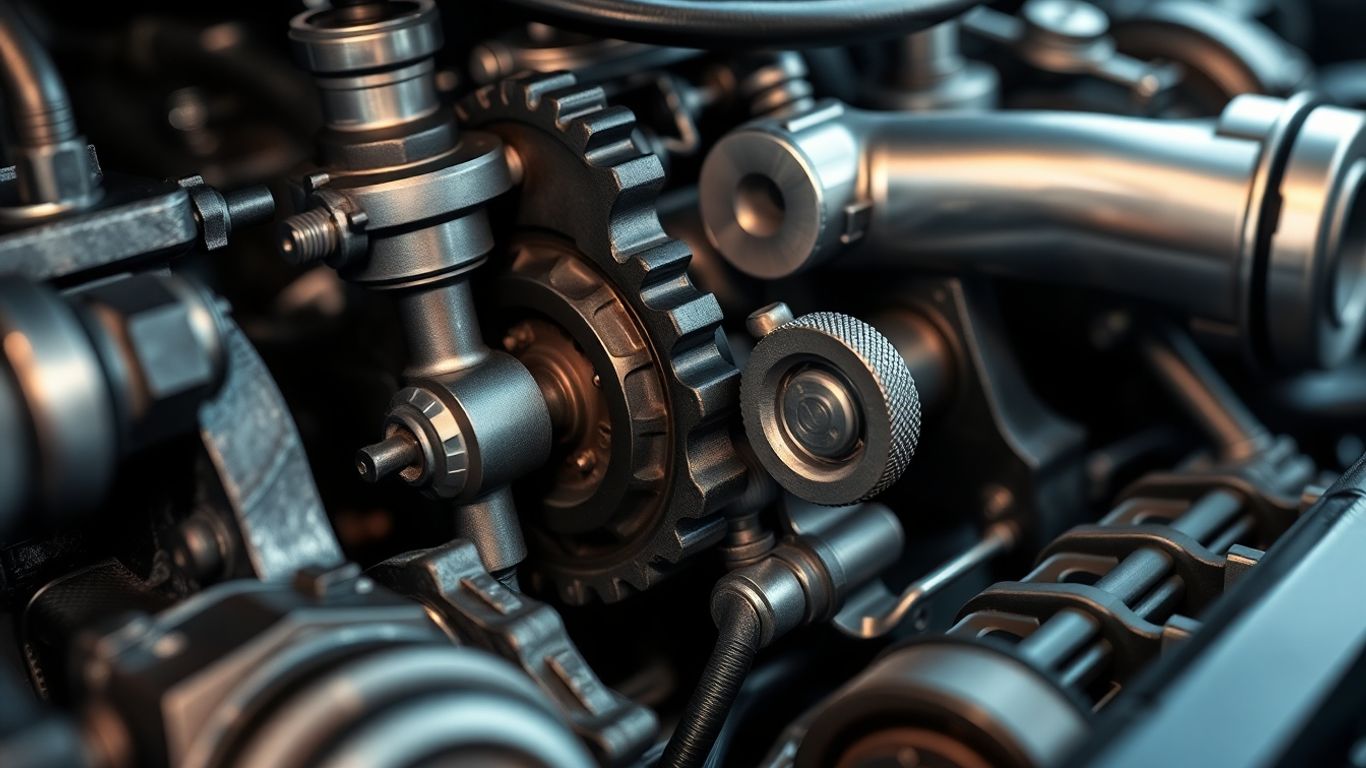
Nobody wants their car to just die on them, especially not in a way that requires a massive repair bill. Sometimes, though, small issues can snowball into really big, expensive problems if you’re not careful. Thinking about the major parts that keep your engine running smoothly is key here. We’re talking about things like the timing belt and the whole exhaust system. Getting these checked out regularly can save you a ton of headaches and cash down the road.
The Critical Role of the Timing Belt
The timing belt, or sometimes a timing chain, is like the conductor of an orchestra for your engine. It makes sure the valves and pistons are in sync. If this belt snaps or slips, those parts can crash into each other, and that’s usually game over for the engine, leading to really costly repairs. It’s not something you want to mess with.
- Timing Belt Replacement Schedule: Most manufacturers suggest replacing the timing belt somewhere between 60,000 and 100,000 miles. Check your owner’s manual for the exact number for your car.
- Listen for Trouble: A worn timing belt might start making a ticking sound from the engine. Don’t ignore that noise.
- Visual Checks: When you can, take a look at the belt. See if there are any cracks, fraying edges, or if it looks loose. A mechanic can do a more thorough inspection.
Ignoring a worn timing belt is a gamble you don’t want to take.
Understanding Exhaust System Issues
Your exhaust system does more than just quiet down your engine’s noise. It also helps get rid of harmful gases. Problems here, like a leaky exhaust or a bad catalytic converter, can mess with your engine’s performance and even cause it to overheat or run poorly. A rotten egg smell or a noticeable drop in gas mileage are often signs something’s up.
- Catalytic Converter Health: This part cleans up exhaust gases. If it fails, your car won’t run right, and it’s a pricey fix.
- Exhaust Leaks: Holes or rust in the pipes can let exhaust fumes into the cabin or affect engine sensors.
- Oxygen Sensors: These sensors monitor exhaust gases and help the engine computer adjust the fuel mixture. They usually need replacing around 60,000 to 100,000 miles.
When to Seek Professional Engine Repair
Sometimes, you can handle minor car stuff yourself, but when it comes to major engine components or if you’re seeing warning lights you don’t understand, it’s best to call in the pros. Trying to fix a complex engine problem without the right tools or knowledge can actually make things worse. If you’re hearing weird noises, noticing significant performance drops, or if that check engine light just won’t go off, don’t hesitate to get it looked at by a qualified mechanic. They have the diagnostic tools and experience to figure out what’s really going on and fix it right the first time. Keeping up with your coolant levels is also a good idea, especially before long trips or when the seasons change. Check coolant levels regularly.
It’s always cheaper to prevent a big problem than to fix one after it’s already happened. Regular check-ups and addressing small issues quickly can stop your car from breaking down unexpectedly and keep it running better for longer.
Keep Your Engine Happy
So, we’ve gone over a bunch of common engine hiccups, from overheating to weird noises and those dreaded dashboard lights. The big takeaway here is that your car isn’t going to fix itself. Paying attention to what your engine is telling you – whether it’s a strange sound or a warning light – is super important. Doing some basic checks yourself, like looking at your oil or coolant, can go a long way. But honestly, if you’re not sure what’s going on, or if it seems like a bigger deal, it’s always best to get a trusted mechanic to take a look. A little bit of regular care can save you a whole lot of headaches and cash down the road. Keep those engines running smoothly!
Frequently Asked Questions
What are the main signs that my car’s engine is overheating?
If your car’s temperature gauge climbs too high, or if you see steam coming from under the hood, it’s a clear sign of overheating. You might also notice a sweet smell from the coolant or a warning light on your dashboard.
Why does my car sometimes idle roughly or stall unexpectedly?
Rough idling or stalling can happen for a few reasons. It could be a dirty air control valve that messes with airflow, a sensor that’s not working right, or even problems with your spark plugs or how fuel is getting to the engine. Checking the ‘check engine’ light can often give you a clue.
What does it mean if I see smoke, leaks, or smell strange odors from my engine?
Smoke, leaks, or weird smells are like your engine’s way of telling you something’s wrong. Dark spots under your car might mean an oil leak. A sweet smell could be a coolant leak. Burning smells or colored smoke often point to oil or coolant burning inside the engine.
What should I do if my ‘check engine’ light comes on?
Don’t ignore it! The ‘check engine’ light can mean anything from a simple loose gas cap to a more serious problem like a faulty sensor or a failing part. It’s best to get your car checked by a mechanic as soon as possible to find out what’s wrong.
How often should I change my car’s spark plugs and air filter?
Spark plugs usually need replacing every 30,000 to 100,000 miles, depending on your car. It’s a good idea to check your air filter every 12,000 to 15,000 miles and clean or replace it if it looks dirty. Keeping these parts in good shape helps your engine run better.
What is a timing belt, and why is it so important?
The timing belt is a crucial part that keeps the engine’s moving parts working together perfectly. If it breaks, it can cause major damage to your engine, leading to very expensive repairs. It’s important to replace it according to your car’s maintenance schedule, usually between 60,000 and 100,000 miles.