
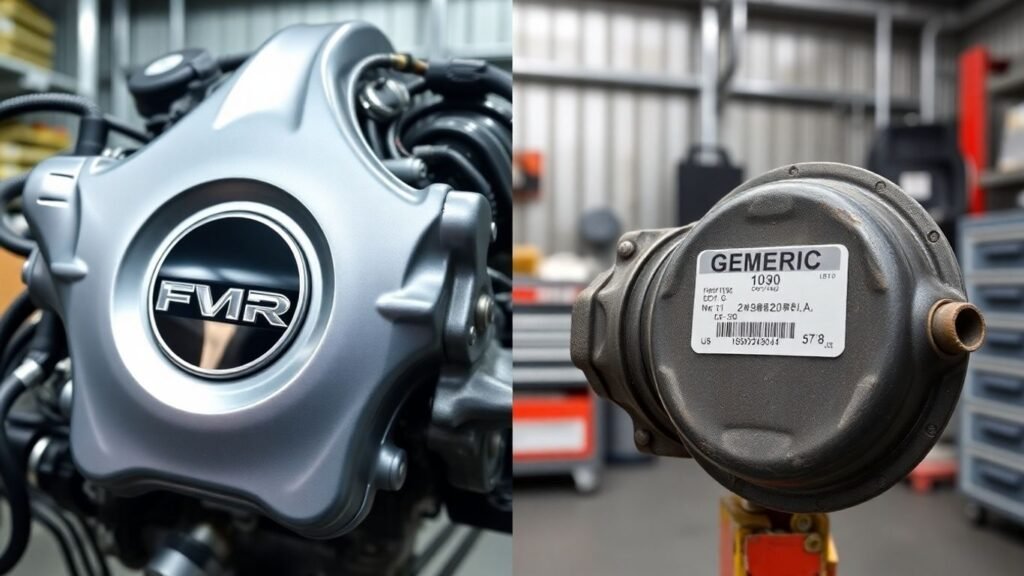
When your car needs new parts, you’ve got a choice to make. Do you go with the parts the car company itself recommends, or do you look at options made by other companies? This decision, between OEM and aftermarket spare parts — which is better? — can really affect your car’s performance, how long it lasts, and what you pay. We’re going to break down what each type of part is all about, look at how they stack up in terms of quality and price, and help you figure out which way to go for your next repair.
Key Takeaways
- OEM parts are made by your car’s manufacturer, meaning they’re designed to fit perfectly and meet factory standards, which is great for maintaining your car’s original condition and warranty.
- Aftermarket parts are made by independent companies and can offer more variety and lower prices, but their quality can vary a lot.
- For newer cars, leased vehicles, or safety-critical repairs, sticking with OEM parts is often the safer bet to avoid warranty issues and ensure exact fit.
- If you’re on a tighter budget or looking for specific performance upgrades, high-quality aftermarket parts can be a smart choice, but do your homework on the brand.
- Ultimately, the best choice between OEM and aftermarket spare parts — which is better? — depends on your car’s age, your budget, the specific part needed, and your personal priorities for performance and reliability.
Understanding OEM and Aftermarket Spare Parts
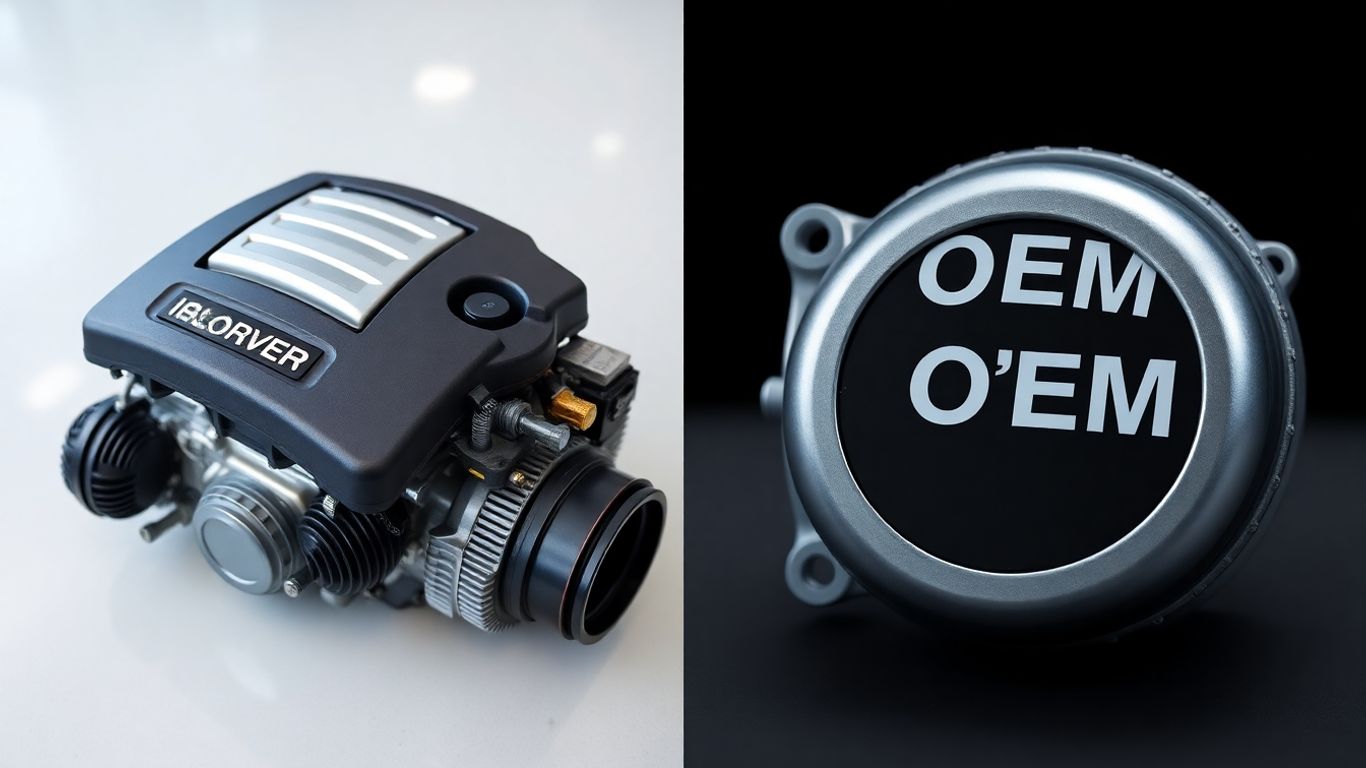
What Are Original Equipment Manufacturer Parts?
Original Equipment Manufacturer, or OEM, parts are essentially the same components that your car rolled off the assembly line with. Think of them as the factory-approved pieces. They’re made by the same company that built your car, or by a supplier that the car manufacturer has specifically contracted. This means they’re designed to fit your vehicle’s make and model perfectly, meeting all the original specifications for performance, safety, and durability. When you buy an OEM part, you’re getting something that’s been tested and approved by the people who designed your car in the first place. They usually come with the car manufacturer’s logo on them, and you’ll typically find them at dealerships or authorized service centers.
What Are Aftermarket Parts?
Aftermarket parts are made by companies that are not affiliated with your car’s original manufacturer. These independent companies create parts that can be used as replacements for OEM components. The range of aftermarket parts is huge. Some are made to be exact replicas of the original parts, while others might be designed with slight improvements or even entirely different features. You can find aftermarket parts for almost anything, from basic filters and brake pads to more complex engine components and body panels. They’re generally available through a wider network of auto parts stores, online retailers, and independent repair shops.
Key Differences Between OEM and Aftermarket
So, what really sets them apart? It boils down to a few main things:
- Origin: OEM parts come directly from or are approved by the vehicle manufacturer. Aftermarket parts are made by independent companies.
- Design & Fit: OEM parts are engineered for a specific make and model, guaranteeing a precise fit and function. Aftermarket parts are designed to fit a range of vehicles, and while many fit well, there can be variations.
- Quality Control: OEM parts undergo rigorous testing by the car manufacturer. Aftermarket quality can vary widely, from parts that meet or exceed OEM standards to those that are made with less durable materials.
- Branding: OEM parts usually carry the vehicle manufacturer’s logo. Aftermarket parts will have the logo of their own manufacturing company.
Choosing between OEM and aftermarket parts often comes down to balancing cost, availability, and your specific needs for the repair or replacement. It’s not always a clear-cut decision, and what’s best can depend on the part itself and your vehicle’s situation.
Here’s a quick look at some general differences:
| Feature | OEM Parts | Aftermarket Parts |
|---|---|---|
| Manufacturer | Original vehicle manufacturer or approved supplier | Independent third-party companies |
| Compatibility | Exact fit for specific make/model | Designed to fit multiple makes/models; fit can vary |
| Availability | Dealerships, authorized service centers | Auto parts stores, online retailers, independent shops |
| Price | Generally higher | Generally lower, but varies by brand |
Evaluating Quality and Performance
When you’re looking at car parts, it’s easy to get lost in the details. You’ve got the original stuff, the OEM parts, and then there’s the whole world of aftermarket options. Figuring out which one is actually better in terms of how well it works and how long it’ll last can be a real puzzle. It’s not always as simple as ‘original is best’ or ‘aftermarket is cheaper and just as good.’
OEM Parts: Rigorous Testing and Factory Standards
Original Equipment Manufacturer (OEM) parts are made by the same company that built your car, or by a supplier they picked. Because of this, they have to meet some pretty strict rules. Think of it like a recipe: the car maker has a very specific way they want things done, and the OEM part follows that exactly. They go through a lot of testing to make sure they work right with your car’s systems. This means they’re designed for a perfect fit and function, right out of the box. This attention to detail is why OEM parts are often seen as the most reliable choice for maintaining your vehicle’s original performance.
Aftermarket Parts: Innovation and Variable Quality
Aftermarket parts are made by companies other than your car’s manufacturer. This is where things get interesting, and sometimes a bit tricky. You can find everything from parts that are basically identical to OEM ones, to parts that are designed to make your car perform even better than it did when it was new. However, the quality can really swing. Some aftermarket companies are top-notch, investing a lot in research and development, and their parts might even be better than what the car maker originally used. Other companies might cut corners to save money, using less durable materials or less precise manufacturing. It really pays to do your homework on the brand you’re considering. For example, some premium aftermarket parts can offer significant advantages.
Here’s a quick look at what to expect:
- High-End Aftermarket: Often uses better materials, advanced designs, and can sometimes outperform OEM. Think performance brake pads or upgraded suspension components.
- Standard Aftermarket: Aims to match OEM quality and fit, usually at a lower price point. Good for general replacements.
- Budget Aftermarket: May use cheaper materials and simpler designs, potentially leading to a shorter lifespan or less optimal performance.
Performance Enhancements Through Aftermarket Options
For car enthusiasts, aftermarket parts can be a way to give their ride a little extra something. Want better acceleration? Maybe sharper handling? There are aftermarket parts designed specifically for that. You might find performance exhaust systems that give your car a sportier sound and a bit more power, or high-flow air filters that help the engine breathe easier. It’s not just about speed, though. Upgraded suspension can make your car handle corners like it’s on rails, and better brakes can give you more confidence when you need to stop quickly. It’s all about finding the right parts that match what you want your car to do.
When considering aftermarket performance parts, it’s important to think about your actual driving needs. A part designed for a race track might be overkill for your daily commute and could even make the ride less comfortable. Balancing desired performance with everyday usability is key.
It’s also worth noting that some aftermarket parts are specifically designed to be direct replacements for OEM parts, aiming to offer a similar level of quality and durability at a potentially lower cost. This means that for many common repairs, you can find aftermarket options that are perfectly suitable and won’t break the bank.
Cost Analysis: Financial Impact of Your Choice
When you’re looking at fixing up your car, the price tag on parts is usually one of the first things that jumps out at you. It’s a big part of the whole repair bill, and honestly, it can make or break whether you get the work done right away or have to put it off.
OEM Parts: The Premium Price Tag
Let’s be real, Original Equipment Manufacturer (OEM) parts tend to cost more. Think about it – they’re made by the same company that built your car, to the exact specifications. This usually means they’re built to last and fit perfectly, which is great, but that quality and guaranteed fit come at a price. You’re often paying for that peace of mind and the fact that it’s an exact match. For critical components, especially on newer cars, this might be the way to go, but it definitely adds up.
Aftermarket Parts: Budget-Friendly Alternatives
This is where things get interesting for your wallet. Aftermarket parts are made by companies other than your car’s manufacturer. Because there’s more competition and they aren’t tied to the original brand’s overhead, they can often be significantly cheaper. We’re talking potentially saving 30-60% on some parts. For everyday items like filters, spark plugs, or even brake pads, this can lead to some serious savings over time. It’s a smart way to keep your car running without breaking the bank, especially if you’re looking at routine maintenance.
Balancing Cost and Value
So, how do you figure out what’s best? It’s not just about the sticker price. You’ve got to think about the whole picture. Sometimes, a cheaper aftermarket part might not last as long, meaning you’ll have to buy another one sooner. That can end up costing you more in the long run, not to mention the extra labor costs for installation. On the flip side, a really good quality aftermarket part might perform just as well as an OEM part but cost half as much. It really comes down to doing a little homework on the brands and what you need for your specific car and how long you plan to keep it. For example, if you’re dealing with a major repair on a critical system, you might want to lean towards OEM for reliability, but for less vital components, a reputable aftermarket brand can be a fantastic value.
When you’re weighing your options, remember that labor costs can also change depending on the part. Sometimes, an aftermarket part might need a little extra fiddling to get it installed just right, which can add to your bill. Always ask your mechanic about potential installation differences.
Here’s a quick look at how costs can stack up:
- Routine Maintenance (e.g., Oil Filter, Air Filter): Aftermarket parts are usually much cheaper and perform comparably.
- Brake Components: Quality aftermarket pads and rotors can offer significant savings over OEM.
- Suspension Parts: You can often find good value with aftermarket struts and shocks, but check reviews.
- Engine Internals/Transmission Parts: For these critical systems, OEM parts often provide better long-term reliability, though premium aftermarket options exist.
Warranty Implications and Legal Protections
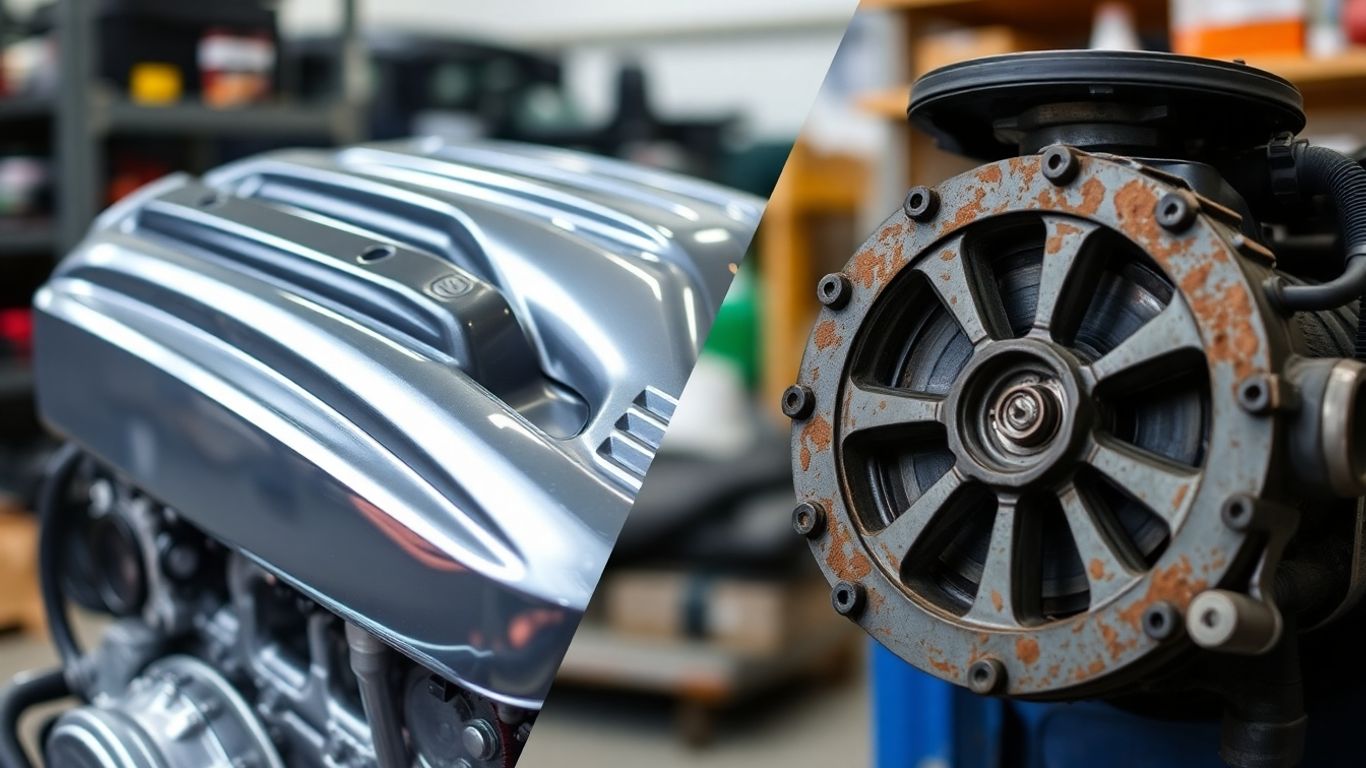
When you’re looking at fixing up your car, the warranty situation is a big deal. It can feel like a minefield, honestly. You’ve got the manufacturer’s warranty, and then you’ve got whatever warranty might come with the part you’re buying. It’s enough to make your head spin.
OEM Parts: Manufacturer Warranties and Support
Going with Original Equipment Manufacturer (OEM) parts usually means you’re sticking with what the car came with. This is generally the safest bet when it comes to your vehicle’s factory warranty. If an OEM part fails prematurely, and it’s covered by the manufacturer’s warranty, the dealership will typically replace it without much fuss. They made the part, they stand behind it. It’s pretty straightforward.
- Direct Manufacturer Backing: Repairs using OEM parts are usually covered without question under the vehicle’s original warranty.
- No Argument: The car maker can’t really argue that their own part caused a problem.
- Peace of Mind: Especially for newer cars, this can be a huge relief.
Aftermarket Parts: Warranty Coverage Varies
This is where things get a bit more complicated. Aftermarket parts don’t automatically void your car’s warranty, thanks to a law called the Magnuson-Moss Warranty Act. Basically, the manufacturer has to prove that the aftermarket part caused the problem before they can deny warranty coverage for that specific issue. But, and it’s a big ‘but’, if that aftermarket part fails and messes up another part of your car, they can deny the warranty claim for the damage caused by the failure.
- The Law’s Protection: Using aftermarket parts doesn’t automatically void your warranty.
- The Catch: If the aftermarket part causes damage, repairs for that damage might not be covered.
- Research is Key: You really need to check the warranty offered by the aftermarket part manufacturer itself. Some have great coverage, others have very little, or none at all.
It’s always a good idea to keep detailed records of all parts and labor, no matter what you choose. This documentation can be a lifesaver if you ever need to make a warranty claim.
Impact on Vehicle Warranties and Leases
So, how does this all play out with your car’s warranty or lease agreement? For a brand new car still under its comprehensive warranty, using OEM parts is often the path of least resistance. It avoids potential headaches down the road if something goes wrong. If you’re leasing, the terms might be stricter, and sometimes they prefer or even require OEM parts to maintain the vehicle’s condition. Always check your lease agreement carefully. For older cars, especially those out of their original warranty period, the warranty implications are less of a concern, and cost often becomes the bigger factor.
Ultimately, understanding the specific warranty terms for both your vehicle and the replacement part is crucial before making a decision.
Availability and Accessibility
When you need a replacement part, how easy is it to get your hands on one? This is where OEM and aftermarket parts can really differ. It’s not just about the part itself, but the whole process of finding and acquiring it.
OEM Parts: Dealerships and Authorized Channels
Original Equipment Manufacturer (OEM) parts are typically found through a car manufacturer’s official channels. This usually means your local dealership or an authorized repair shop. While this guarantees you’re getting the exact part designed for your car, it can sometimes mean a longer wait.
- Dealerships: The most direct route, but often comes with a higher price tag.
- Authorized Repair Shops: These places are certified by the manufacturer and stock genuine parts.
- Manufacturer Websites/Online Stores: Some car brands now sell OEM parts directly online.
If a part isn’t in stock, it might need to be ordered directly from the manufacturer, which can add days or even weeks to the repair time, especially for less common vehicles. This direct line ensures authenticity but can sometimes create a bottleneck.
Aftermarket Parts: Widespread Availability
Aftermarket parts are a different story. Because they’re made by independent companies, they’re available from a much wider range of sources. This generally makes them easier and quicker to find.
- Auto Parts Stores: Think of your local NAPA, AutoZone, or O’Reilly. They stock a huge variety of aftermarket components.
- Online Retailers: Websites like Amazon, eBay, and specialized auto parts sites offer an enormous selection.
- Independent Repair Shops: Many mechanics have relationships with aftermarket suppliers and can source parts quickly.
This broad availability means you can often get your car fixed faster, which is a big plus if you rely on your vehicle daily. You can often find these parts for less than OEM prices too.
Sourcing Parts for Older or Discontinued Models
This is where aftermarket parts really shine. When a car gets older, manufacturers might stop producing certain OEM parts. Finding them can become a real challenge, sometimes impossible.
For older vehicles, especially those no longer in production, aftermarket parts are often the only practical option for repairs. While OEM parts might be ideal in theory, their unavailability can force owners to seek out alternatives to keep their cars running.
In these situations, aftermarket manufacturers often step in to fill the gap. They might produce exact replicas or even improved versions of the original parts. This keeps older cars on the road that might otherwise be retired simply because a specific component can no longer be found.
Making the Informed Decision: Which Is Better?
So, we’ve talked about what OEM and aftermarket parts are, how they stack up in quality and cost, and what it all means for your car’s warranty. Now comes the big question: which one is actually better for you? Honestly, there’s no single right answer that fits every car owner. It really boils down to your specific situation, your vehicle, and what you prioritize.
When OEM Parts Are Recommended
If you’ve got a newer car, especially one that’s still under a manufacturer’s warranty or is leased, sticking with OEM parts is usually the smartest move. Think about it: these are the exact parts the car was built with. They’re designed to fit perfectly and work with all your car’s systems without any fuss. Plus, using OEM parts often keeps your warranty valid, which is a huge deal if something goes wrong down the road. It also helps maintain your vehicle’s resale value, which is nice if you plan to trade it in or sell it later. For critical components where precision is key, like engine internals or complex electronic modules, OEM parts offer that peace of mind.
- Newer Vehicles (Under 5 Years Old): To maintain factory condition and value.
- Leased Vehicles: Often required by lease agreements to avoid penalties.
- Vehicles Under Manufacturer Warranty: To avoid voiding coverage.
- High-Value or Luxury Cars: Where specific fit and performance are paramount.
When in doubt for newer vehicles, especially for major repairs, OEM parts are generally the safest bet to avoid unexpected issues and maintain the car’s integrity.
When Aftermarket Parts Are a Viable Option
Now, if you’re looking to save some cash, or if you’re driving an older car where OEM parts are getting hard to find or are super expensive, aftermarket parts can be a fantastic alternative. The aftermarket industry has really stepped up its game over the years. You can find parts from reputable brands that meet or even exceed OEM standards, often at a much lower price. This is especially true for common wear-and-tear items like brake pads, filters, or suspension components. For car enthusiasts looking to tweak performance, premium aftermarket parts can even offer upgrades that OEM doesn’t provide. Just remember, quality can vary a lot, so doing a little research on the brand is important. You can find a wide range of options for auto parts that fit different budgets.
- Older Vehicles (Over 5-7 Years Old): When OEM parts are scarce or costly.
- Budget-Conscious Repairs: To significantly reduce repair costs.
- Routine Maintenance Items: For parts like filters, wipers, or bulbs.
- Performance Upgrades: When seeking enhanced capabilities beyond stock.
Factors Influencing Your Final Choice
Ultimately, deciding between OEM and aftermarket comes down to a few key things:
- Your Vehicle’s Age and Value: Newer cars often benefit more from OEM, while older cars might be better suited for cost-effective aftermarket solutions.
- The Specific Part Needed: Critical safety or complex systems might lean towards OEM, while simpler components offer more aftermarket flexibility.
- Your Budget: Aftermarket parts generally offer significant savings.
- Your Tolerance for Risk: OEM offers more predictability; aftermarket requires a bit more research into brands and quality.
- Warranty and Lease Terms: Always check what your agreements require.
By weighing these factors, you can make a choice that keeps your car running smoothly without breaking the bank or compromising its long-term health.
So, Which is Better?
Alright, so we’ve looked at both sides of the coin when it comes to OEM and aftermarket car parts. It’s not really a simple ‘one is always better’ situation, is it? For newer cars, especially if they’re still under warranty or you’re leasing, sticking with OEM parts usually makes the most sense. They’re made specifically for your car, so you know they’ll fit right and work with all the car’s systems without any fuss. Plus, it keeps your resale value looking good. But, if you’ve got an older ride, or you’re just trying to keep repair costs down, good quality aftermarket parts can be a really smart choice. There are tons of options out there, and some are even better than the original parts, especially if you’re looking for a performance boost. Just remember to do a little homework on the brand before you buy. Ultimately, the best choice really comes down to your car, your budget, and what you need the part to do.
Frequently Asked Questions
What exactly are OEM parts?
OEM parts, which stands for Original Equipment Manufacturer, are basically parts made by the same company that built your car. Think of them as the original parts that came with your vehicle from the factory. They’re designed to fit perfectly and work just like the ones they replace.
And what are aftermarket parts then?
Aftermarket parts are made by companies other than your car’s manufacturer. These companies create parts that can fit your car, but they aren’t the ‘official’ ones. They can range from really good quality to not-so-good, so it’s important to know who made them.
Is there a big difference in quality between OEM and aftermarket parts?
Quality can really vary. OEM parts are usually built to strict standards set by the car company, so they’re generally reliable. Some aftermarket parts are just as good, or even better, especially for performance upgrades. But, some cheaper aftermarket parts might not last as long or work as well.
Why are OEM parts usually more expensive?
OEM parts often cost more because you’re paying for the brand name and the guarantee that they were made specifically for your car. The car manufacturer has strict rules for how these parts are made, and that can add to the cost. Aftermarket parts can be cheaper because they don’t always have the same level of testing or brand overhead.
Can using aftermarket parts mess up my car’s warranty?
Sometimes, yes. If your car is still under warranty, especially a new car warranty, using aftermarket parts for certain repairs might void that part of your warranty. It’s always a good idea to check your warranty details or ask your dealer if you’re unsure.
When should I think about using aftermarket parts?
Aftermarket parts can be a great choice if you’re trying to save money on repairs, especially for older cars where OEM parts might be hard to find or very expensive. They’re also good if you’re looking for upgrades to make your car perform better or look different. Just be sure to pick a reputable brand.