So, you’re hearing some weird noises from your car, or maybe it’s just not driving like it used to. It’s easy to panic and think the worst, but often, these are just signs your gearbox is trying to tell you something. Ignoring them can lead to bigger, more expensive problems down the road. Let’s break down what those sounds, smells, and feelings really mean, so you know when it’s time to get it checked out. We’re talking about the signs your gearbox needs replacement, and why paying attention now can save you a lot of hassle later.
Key Takeaways
- Listen for unusual sounds like grinding, whining, clunking, or humming, as these are early indicators of gearbox trouble.
- Pay attention to changes in how your car drives, such as slipping gears, delayed shifting, rough gear changes, jerking, or shuddering.
- A burning smell often signals overheating transmission fluid, which can quickly damage internal components.
- Don’t ignore dashboard warning lights, especially the check engine or transmission warning light, as they point to specific issues.
- While minor repairs might suffice for some problems, widespread internal damage or contamination often means a rebuild or replacement is the more practical and cost-effective long-term solution.
Recognizing the Audible Clues Your Gearbox Is Sending
Sometimes, your car doesn’t just break down; it starts talking to you, or rather, making noises that tell a story. Your gearbox is no different. Ignoring these sounds is like ignoring a friend who’s clearly upset – it’s not going to end well.
The Symphony of Sounds: What Grinding and Whining Mean
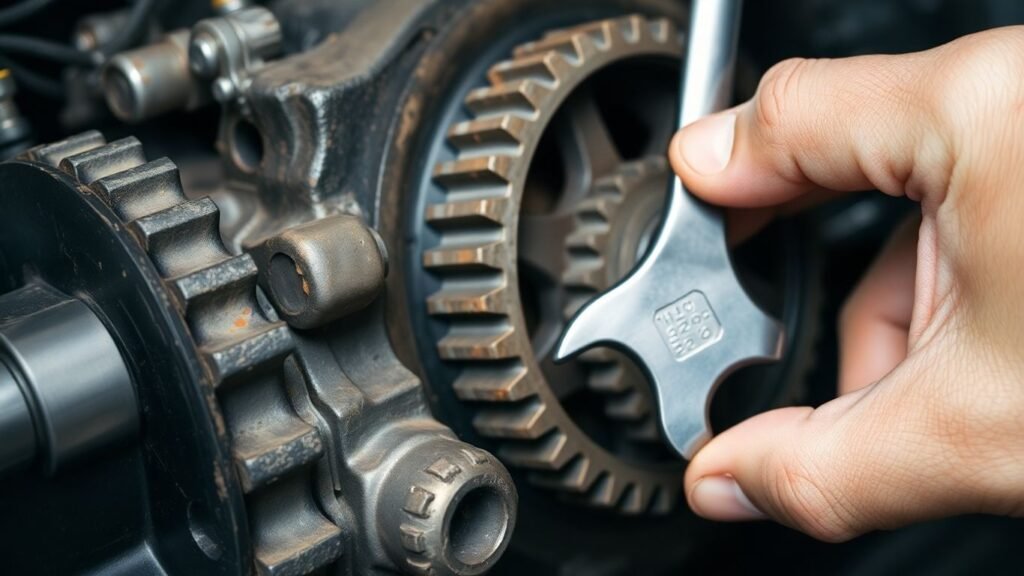
That awful grinding noise, especially when you’re shifting gears or even just accelerating, is a big red flag. It usually means metal is scraping against metal, which is never a good sign. This can happen if the gears aren’t meshing properly, or if there’s a problem with the synchronizers that help them connect smoothly. A persistent whining sound, often getting louder as you speed up, can indicate issues with the bearings or the differential. It’s like a high-pitched scream from deep within the transmission, telling you something isn’t lubricated or aligned correctly.
Decoding Clunks and Humms: Identifying Specific Gearbox Issues
Beyond the grinding, listen for other sounds. A sudden clunk when you shift into drive or reverse? That could be worn-out mounts or a problem with the transmission’s internal components trying to engage. A low hum that seems to come from the transmission area, especially at certain speeds, might point to issues with the transmission fluid level or even the torque converter. These aren’t just random noises; they’re specific signals about what’s going on inside. For instance, a humming noise that changes pitch with your speed could be related to the transmission fluid itself, or the gears within.
When Silence Isn’t Golden: The Danger of Unusual Noises
It’s easy to think that if you don’t hear anything, everything is fine. But sometimes, the absence of expected sounds, or the presence of completely new ones, is just as worrying. A transmission that suddenly goes quiet when it used to make normal operating noises might be slipping internally. Conversely, any new, strange sound – a rattle, a squeal, or even a loud bang – should be investigated immediately. These sounds are your gearbox’s way of communicating distress, and the sooner you listen, the better chance you have of avoiding a costly breakdown.
- Grinding: Often occurs during gear changes or acceleration.
- Whining: Typically gets louder with increased speed.
- Clunking: Usually heard when shifting into gear (Drive or Reverse).
- Humming: Can be speed-dependent and indicate fluid or torque converter issues.
These sounds are not just annoying; they are direct indicators of mechanical stress or failure within the gearbox. Addressing them promptly can prevent minor issues from escalating into major, expensive repairs.
Understanding Performance Degradation: Signs Your Gearbox Needs Replacement
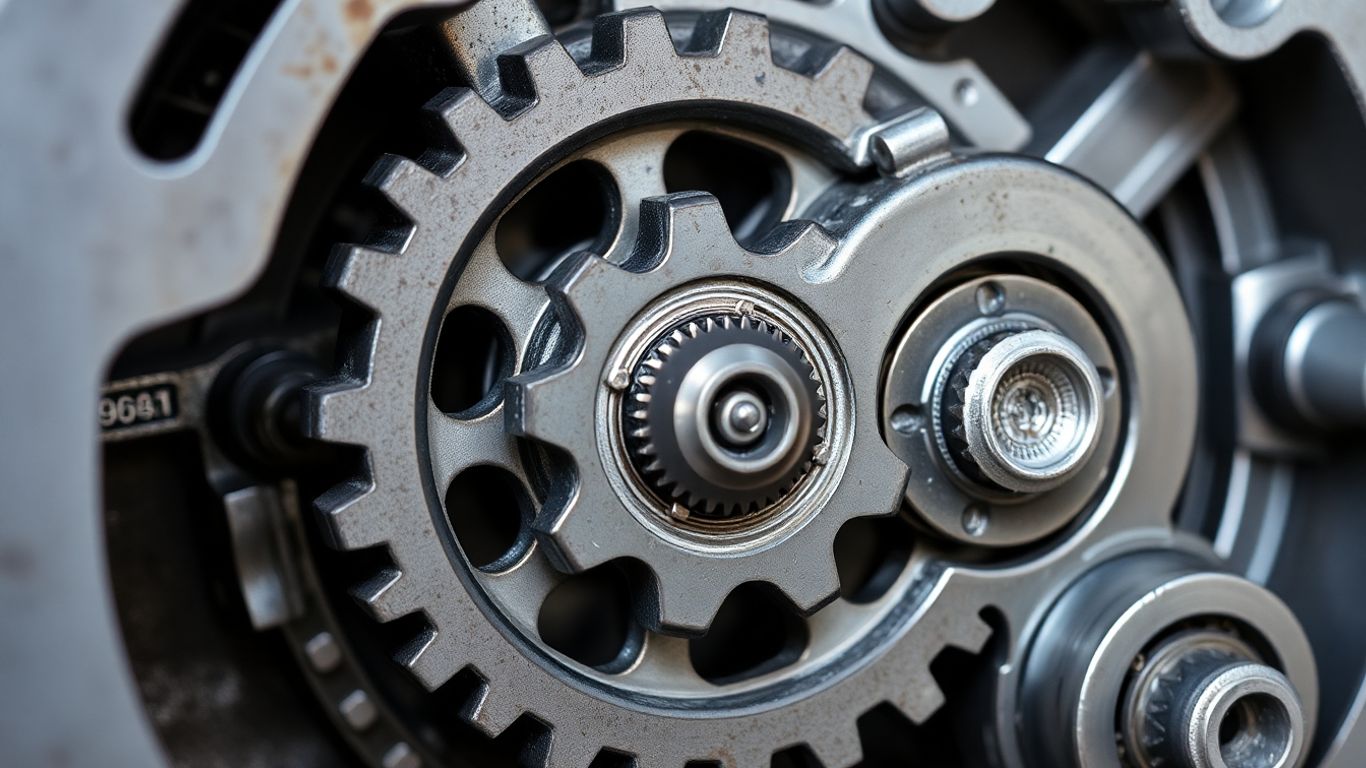
Sometimes, your gearbox doesn’t scream for attention with loud noises or weird smells. Instead, it starts to act a little… off. You might notice changes in how your car drives, subtle at first, but they can point to bigger problems brewing inside. Ignoring these performance dips is like hoping a small leak will just fix itself – usually not how it goes.
Slipping Gears: The Most Common Indicator
This is a big one. You’re driving along, maybe accelerating, and suddenly the engine revs up, but your speed doesn’t increase like it should. Or, you might feel like the car is suddenly in neutral for a split second before catching itself. This feeling of the gear not holding is a classic sign of internal wear. It means the components responsible for locking gears in place aren’t doing their job properly. This often happens because of low transmission fluid, which messes with the hydraulic pressure needed for smooth engagement. Every time this happens, it creates more friction and heat, making the problem worse.
Delayed Engagement: Hesitation When Shifting
Ever put your car in Drive or Reverse and it just sits there for a second or two before actually engaging? That hesitation, that pause before you feel the car lurch forward, is another red flag. It’s not just a minor annoyance; it’s your gearbox telling you it’s struggling to connect the engine’s power to the wheels. This can also be linked to fluid issues, but it can also point to problems with the solenoids that control fluid flow or even the torque converter. It’s a sign that the system isn’t responding as quickly or as smoothly as it should.
Rough or Hard Shifting Between Gears
Modern cars are supposed to shift gears so smoothly you barely notice it. If you start feeling a noticeable jolt, a clunk, or even a grinding sensation when the transmission changes gears, that’s not normal. It feels like the gears aren’t meshing properly. This can happen for a few reasons, including low fluid levels, but it can also indicate that the internal components are worn out or damaged. Sometimes, this rough shifting is more noticeable at certain speeds, like when you’re cruising around 30-45 mph, which can specifically point to issues with the torque converter.
When your gearbox starts acting up, it’s easy to dismiss it as just a quirk. But these performance changes, from slipping gears to rough shifts, are often the first signs that internal damage is occurring. Ignoring them can lead to more severe and expensive problems down the road, potentially leaving you stranded.
The Smell of Trouble: Identifying Overheating Gearbox Fluid
Sometimes, your car doesn’t just make noise when something’s wrong; it can actually smell. And when it comes to your gearbox, a strange odor is a pretty clear sign that things are getting too hot for comfort. It’s not just a minor inconvenience; overheating fluid can seriously damage the delicate parts inside your transmission.
The Acrid Odor: What a Burning Smell Signifies
That acrid, burning smell, often described as similar to burnt toast or even slightly sweet but sharp, is usually your transmission fluid telling you it’s in distress. This happens when the fluid gets too hot. Think of it like cooking oil left on the stove too long – it breaks down, gets nasty, and starts to smell bad. In your transmission, this breakdown means the fluid isn’t lubricating or cooling properly anymore. It’s a warning that internal components are likely experiencing excessive friction and heat.
When Overheating Becomes Critical
Overheating isn’t just about a bad smell. When the transmission fluid gets excessively hot, its ability to do its job plummets. This can lead to:
- Reduced Lubrication: Metal parts rub against each other more, causing wear and tear.
- Poor Cooling: Components that should be kept cool start to overheat, leading to warping or failure.
- Hydraulic System Issues: The fluid’s viscosity changes, affecting the pressure needed for smooth gear changes.
- Seal and Gasket Damage: Extreme heat can cause seals and gaskets to harden and crack, leading to leaks.
If you notice this smell, especially after driving for a while, going uphill, or towing something, it’s a sign you need to pay attention. Ignoring it can quickly turn a manageable problem into a costly repair.
The Link Between Fluid Levels and Burning Smells
Often, that burning smell is directly tied to low transmission fluid levels. When the fluid is low, the torque converter, which is crucial for transferring power from the engine to the transmission, can’t operate correctly. It starts to slip and work harder, generating a lot of heat. Plus, with less fluid circulating, the cooling system for the transmission is less effective. It’s a vicious cycle: low fluid causes overheating, and overheating degrades the fluid and damages parts.
Checking your transmission fluid level regularly is one of the simplest yet most effective ways to prevent serious damage. If you notice a burning smell, it’s worth checking the fluid condition and level immediately. Healthy fluid is typically bright red and clear; if it’s dark, smells burnt, or has particles in it, that’s a big red flag.
If your vehicle has a sealed transmission without a dipstick, you’ll need to have a mechanic check it. But even then, the burning smell is a universal indicator that something is seriously wrong inside.
Visual Indicators: Leaks and Warning Lights
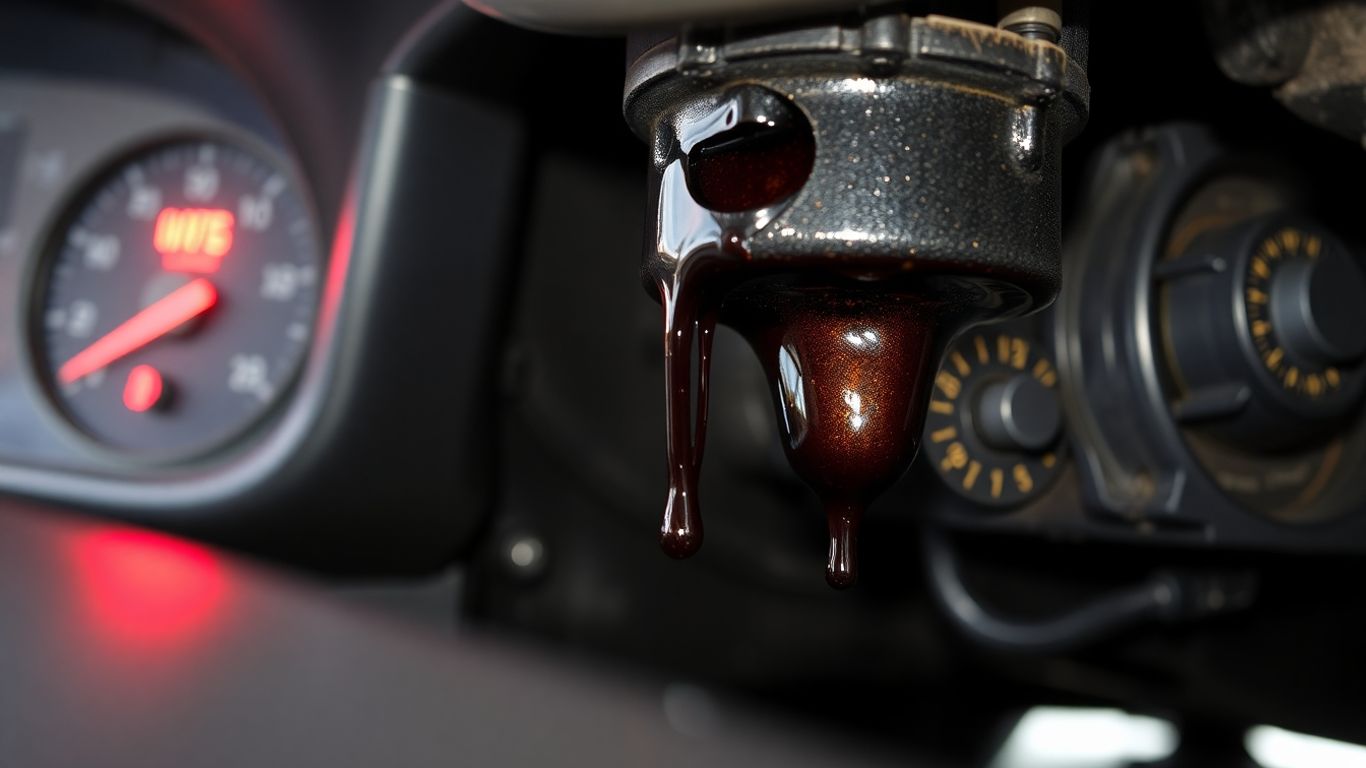
Sometimes, your gearbox doesn’t just make noise or feel weird; it shows you something’s wrong. Two big visual cues to watch out for are leaks and those little lights on your dashboard.
Transmission Fluid Leaks: Spotting the Red Puddles
Transmission fluid is like the lifeblood of your gearbox. It keeps things lubricated, cool, and working right. When it starts to leak, that’s a serious problem. You’ll usually see reddish or sometimes brownish puddles under your car after it’s been parked. This fluid has a distinct smell, too – fresh fluid smells a bit sweet, but if it’s burning, it’ll smell acrid, almost like burnt toast. Don’t ignore these puddles; they’re a clear sign that your transmission is losing vital fluid.
Here’s what to look for:
- Fluid Color: Healthy transmission fluid is typically bright red. If it’s dark brown or black, it’s old and probably not doing its job well.
- Location: Check where the puddle is. If it’s directly under the middle or rear of your car, it’s likely the transmission.
- Consistency: If you can safely touch a bit (once it’s cooled!), it should feel smooth. Gritty or chunky fluid means there’s internal damage.
If you spot these leaks, it’s important to get it checked out. A small leak can quickly turn into a big problem, leading to serious transmission problems.
Illuminated Dashboard Warnings: Check Engine and Transmission Lights
Those lights on your dashboard aren’t just for decoration. The ‘Check Engine’ light can come on for all sorts of reasons, and sometimes, a transmission issue is one of them. More specifically, some cars have a dedicated transmission warning light. If either of these lights stays on, it’s your car’s way of telling you to pay attention. It could be something minor, or it could be a sign of a developing transmission failure.
Ignoring dashboard warning lights is a gamble. While not every illuminated light means immediate disaster, they are indicators that a system in your vehicle is not operating as intended. For transmission-related warnings, it’s always best to err on the side of caution and have a professional diagnose the issue before it escalates into a more significant and expensive repair.
Physical Sensations: Jerking and Shuddering
Sometimes, your gearbox doesn’t just make noise; it starts to feel… off. You might notice your car lurching or shaking in ways it never did before. These aren’t just quirks; they’re often clear signals that something’s not right inside your transmission.
Sudden Jerks While Driving
Ever been driving along, and suddenly your car lurches forward unexpectedly? Or maybe you experience hesitations followed by abrupt acceleration? This jerky movement when changing speeds or inconsistent power delivery can be pretty unsettling. It often happens because the transmission fluid level is low. When there isn’t enough fluid, the hydraulic pressure needed for smooth gear changes becomes erratic. You get moments of not enough pressure, then suddenly too much, and bam – you feel that jerk. This symptom indicates your transmission is already suffering damage. Each time the gears slip like this, extra friction and heat are generated, which speeds up wear on the delicate parts inside.
Shaking or Shuddering on the Road
This feels a bit like driving over those rumble strips on the side of the road, or maybe the whole vehicle just trembles. It can be particularly noticeable at certain speeds, sometimes even making the steering wheel shake. You might even notice it gets a little better after the car warms up, only to return later. This kind of shaking or shuddering often points to issues with the torque converter. Low transmission fluid can mess with how the torque converter smoothly transfers power from the engine to the transmission. If it’s happening most between 30-45 mph, that’s a strong hint that the fluid level is the culprit. It’s a sign that the connection between your engine and wheels isn’t as solid as it should be.
The Role of Torque Converters in Shuddering
The torque converter is basically a fluid coupling that lets your engine spin without stalling when you’re stopped, and then smoothly transfers power when you accelerate. It relies on a specific amount of transmission fluid to work correctly. When that fluid level drops, the converter can’t do its job right. It might struggle to lock up properly, leading to that vibrating or shuddering feeling, especially when you’re trying to maintain a steady speed. It’s like trying to paddle a canoe with a leaky oar – you’re not getting smooth, consistent propulsion.
When you feel these physical sensations, like jerking or shuddering, it’s easy to dismiss them as minor annoyances. However, these are often the gearbox’s way of telling you it’s struggling. Ignoring them can lead to more significant and costly repairs down the line, potentially requiring a full transmission rebuild.
Here’s a quick rundown of what to watch for:
- Sudden Lurches: Unexpected forward movements or hesitations followed by acceleration.
- Vibrations: A shaking or trembling sensation, often at specific speeds.
- Inconsistent Power: The car feels sluggish or hesitant when you press the gas pedal.
- Torque Converter Issues: Shuddering, particularly in the 30-45 mph range, often signals problems here.
If you’re experiencing any of these symptoms, it’s a good idea to get your transmission checked out sooner rather than later. It might be a simple fluid top-up, or it could be the early warning of a bigger problem.
When Minor Fixes Aren’t Enough: The Case for Replacement
Sometimes, you can patch up a transmission issue. A leaky seal here, a faulty sensor there – these might be fixable without breaking the bank. But what happens when the problems go deeper? When the grinding isn’t just a noise, but a sign of metal bits chewing each other up inside? That’s when you have to start thinking about the big guns: a rebuild or a full replacement.
Internal Mechanical Damage: Beyond Simple Repairs
If you’re hearing serious grinding, feeling gears slip constantly, or experiencing violent shudders that feel like the transmission is about to give up the ghost, it’s likely more than just a loose wire or a bit of low fluid. We’re talking about worn-out gears, damaged clutch packs, or even broken internal components. These aren’t things you can just tighten or top up. They require taking the whole unit apart, inspecting every single piece, and replacing what’s broken.
- Worn-out gears: These can cause that awful grinding sound and make shifting feel rough, or even impossible.
- Damaged clutch packs: These are vital for smooth gear changes. When they’re shot, you’ll feel slipping and jerking.
- Broken bands or seals: These can lead to leaks and prevent the transmission from engaging gears properly.
Trying to fix just one of these internal issues without addressing the others is often a losing game. It’s like putting a band-aid on a broken bone – it doesn’t solve the real problem and can lead to more damage down the road.
Widespread Contamination and Wear
Think about what happens inside a transmission. It’s a complex system with lots of moving parts, all bathed in fluid. Over time, these parts wear down, and tiny metal particles can get into the transmission fluid. If this fluid isn’t changed regularly, or if there’s a more serious internal failure, these metal shavings can circulate throughout the entire system. They act like sandpaper, grinding away at everything they touch – gears, bearings, seals, you name it.
When contamination gets this bad, it’s not just one part that’s failing; the entire system is compromised. Trying to clean it out and replace just a few parts is rarely enough. The damage is often too widespread, and those tiny metal particles can cause new problems almost immediately after a ‘repair’.
This kind of widespread wear means that even if you replace the obviously broken part, other components are already weakened and on their way out. It’s a ticking time bomb. For vehicles with high mileage, a preventative rebuild can sometimes be a good idea to replace parts that are showing wear but haven’t failed yet, saving you from a bigger breakdown later.
The Long-Term Value of a Rebuild or Replacement
So, when is it time to bite the bullet? If you’re facing significant internal damage or widespread contamination, a simple repair probably won’t cut it. You’re looking at either a full rebuild or a complete replacement.
- Rebuilding: This involves taking your existing transmission apart, replacing all the worn or damaged parts with new ones, and putting it back together. It’s often a good option because it uses your original transmission casing, which is already matched to your vehicle. A good rebuild can make your transmission feel like new again.
- Replacement: This means swapping out your old transmission for a different one. You could get a brand-new one from the manufacturer (usually the most expensive), a professionally remanufactured unit (often a good balance of cost and quality, usually with a warranty), or a used one from a salvage yard (cheapest, but highest risk).
While these options can seem dauntingly expensive upfront, they often provide the best long-term value. A proper rebuild or a quality remanufactured unit can give you many more years of reliable service, preventing the recurring costs and headaches of repeated, inadequate repairs. If you plan on keeping your vehicle for a while, investing in a solid transmission solution now is usually the smarter financial move compared to constantly patching up a failing one.
Don’t Wait for the Grind to Get Louder
So, we’ve talked about all the weird noises and feelings that mean your gearbox might be on its last legs. It’s easy to just turn up the radio and ignore that clunk or shudder, but honestly, that’s usually not the best move. Paying attention to these signs early on can save you a ton of cash and hassle down the road. Whether it’s a simple fluid check or a more serious internal issue, knowing what to listen for and when to get it looked at is key. Don’t let a small problem turn into a massive repair bill. Get it checked out, and keep your ride running smoothly.
Frequently Asked Questions
How do I know if my transmission is making weird noises?
Listen for sounds like grinding when you shift gears, a constant humming or whining that gets louder as you go faster, or clunking noises when you put the car in drive or reverse. These sounds can mean your transmission fluid is low, and metal parts are rubbing together.
What does it mean if my car feels like it’s slipping or hesitating?
If your car feels like it’s losing power, revs up but doesn’t speed up, or takes a while to switch gears, it might be slipping. This often happens when there isn’t enough transmission fluid to properly engage the gears.
Can a burning smell mean my transmission is in trouble?
Yes, a burning smell, especially one that smells a bit like burnt toast, is a big warning sign. It usually means the transmission fluid is overheating and breaking down because it’s too low or old, causing parts inside to get too hot.
What should I do if I see red fluid under my car?
Seeing red puddles under your car is a clear sign of a transmission fluid leak. You should get it checked by a mechanic right away to find the leak and refill the fluid before more damage occurs.
Are warning lights on my dashboard serious?
If your ‘Check Engine’ light or a specific transmission warning light comes on, don’t ignore it. These lights mean the car’s computer has found a problem, and it could be related to your transmission needing attention.
What’s the difference between repairing, rebuilding, and replacing a transmission?
Repairing usually means fixing a small, specific part. Rebuilding means taking the whole transmission apart, fixing or replacing all worn parts, and putting it back together. Replacing means putting in a completely new or used transmission. Rebuilding or replacing is often better for the long run if there are many problems.