Keeping your car running well means more than just filling it with gas and hoping for the best. Think of it like taking care of yourself – a little bit of regular attention can stop small issues from becoming big headaches. We’re talking about preventive maintenance tips for better vehicle performance here. It’s about making sure your car is ready for the road, saving you money, and just making life a bit easier. Let’s get into some simple things you can do.
Key Takeaways
- Check your car’s fluids regularly, like oil, transmission fluid, brake fluid, and coolant. Low levels can cause serious problems.
- Keep an eye on your tires. Make sure they have the right air pressure and get them rotated so they wear evenly.
- Don’t forget about your battery. Clean the terminals and make sure it’s charged to avoid getting stranded.
- Change your air filter when needed. A clean filter helps your engine run better and use less gas.
- Pay attention to any strange noises or warning lights. They’re your car’s way of telling you something needs attention.
Essential Fluid Checks for Optimal Performance
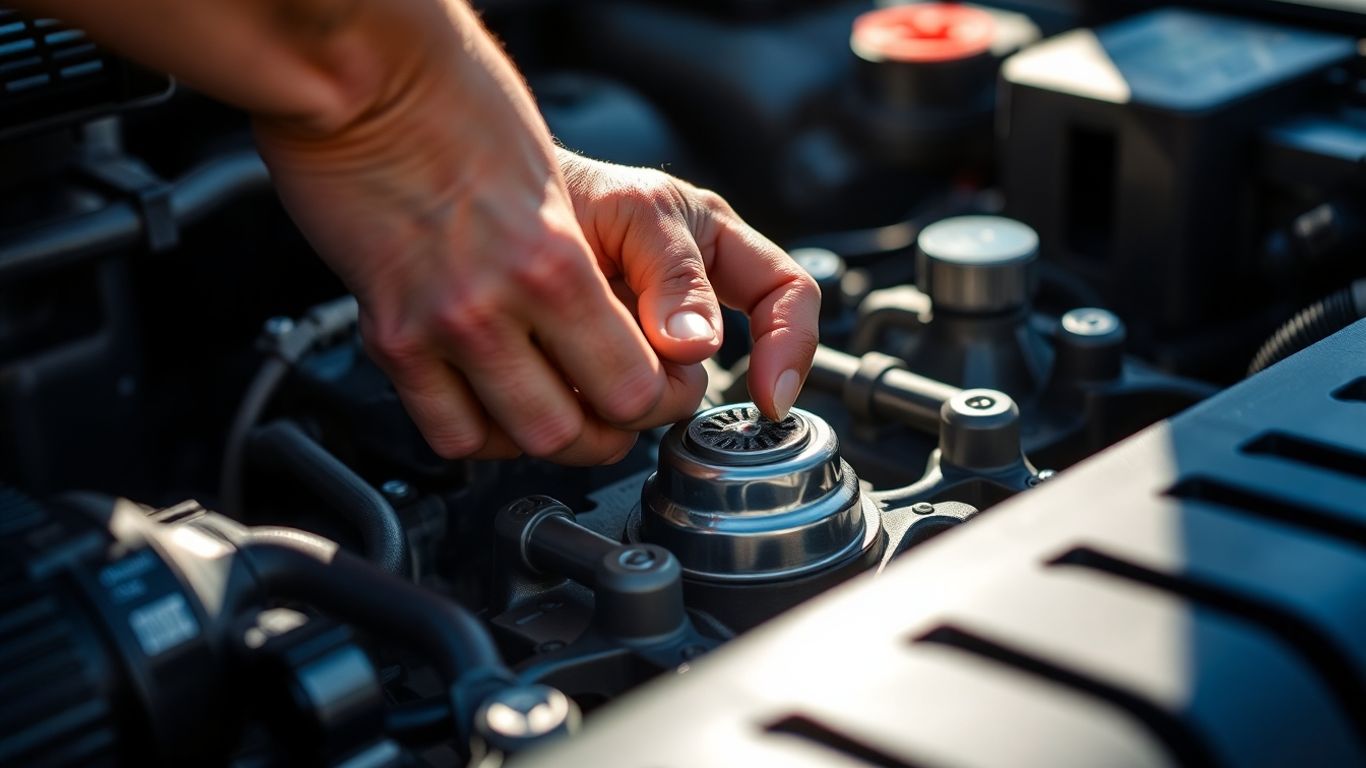
Think of your car’s fluids like its lifeblood. They keep everything moving smoothly and prevent parts from grinding against each other. Skipping checks on these can lead to some pretty big headaches down the road, and nobody wants that. It’s not super complicated, and a little bit of attention can save you a lot of trouble.
Monitoring Engine Oil and Transmission Fluid
Engine oil is probably the one most people know about. It lubricates all the moving parts inside your engine, reducing friction and heat. When it gets old or low, it can’t do its job properly, and that’s when engine damage can start. You should check your oil level regularly, maybe once a month, and definitely before any long trips. Just pull out the dipstick, wipe it, stick it back in, pull it out again, and check the level against the markings. If it’s low, add the type of oil recommended in your owner’s manual. Don’t just pour anything in there!
Transmission fluid is just as important, but it’s often overlooked. This fluid keeps your transmission gears lubricated and helps with smooth shifting. If the level is low or the fluid is dirty, you might notice your car hes and jerks when it shifts gears. Eventually, this can cause serious damage to the transmission, and those repairs are no joke. Checking it usually involves a dipstick too, but sometimes it’s a bit trickier to access, and you might need to do it with the engine running. Again, your owner’s manual is your best friend here.
Ensuring Proper Brake Fluid and Coolant Levels
Brake fluid is what makes your brakes work. When you press the brake pedal, this fluid transfers that force to the brake calipers, which then squeeze the rotors to slow you down. If the brake fluid level is low, your brakes won’t be as effective, which is a major safety concern. You’ll usually see a small reservoir for it under the hood. Keep an eye on the level in that reservoir. If it’s consistently dropping, it could mean there’s a leak somewhere in the brake system, and you should get that checked out immediately.
Coolant, also known as antifreeze, is what keeps your engine from overheating, especially in hot weather or when you’re stuck in traffic. It circulates through the engine, absorbing heat, and then goes to the radiator to cool down. You’ll find a separate reservoir for coolant, usually made of translucent plastic. Make sure the level is between the ‘min’ and ‘max’ lines when the engine is cool. If it’s low, add a 50/50 mix of coolant and distilled water, or whatever your manual suggests. Overheating can cause severe engine damage, so don’t mess around with this one.
Keeping these fluids topped up and clean isn’t just about preventing breakdowns; it’s about making sure your car operates safely and efficiently every time you get behind the wheel. A few minutes of checking can save you hours of frustration and a lot of money later on.
Here’s a quick rundown:
- Engine Oil: Check monthly. Lubricates engine parts, prevents wear.
- Transmission Fluid: Check as per manual. Ensures smooth gear changes.
- Brake Fluid: Check reservoir level regularly. Critical for stopping power.
- Coolant: Check reservoir level when cool. Prevents engine overheating.
Tire and Battery Care for Reliability
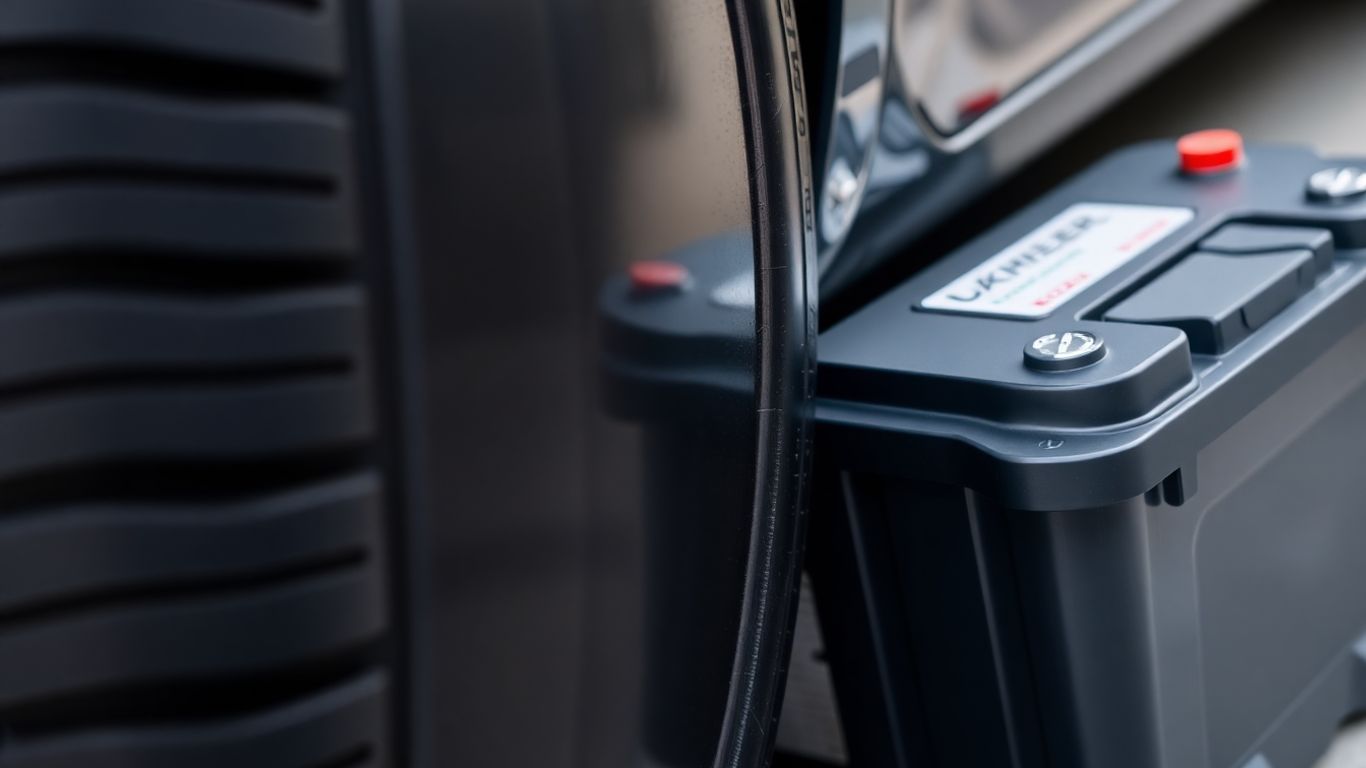
Maintaining Optimal Tire Pressure and Rotation
Your tires are literally the only part of your car connecting you to the road, so taking care of them is a big deal. Keeping your tires properly inflated isn’t just about comfort; it directly impacts your safety and how much gas you use. When tires are underinflated, they wear out unevenly and can make your car harder to steer. Overinflated tires can lead to a rougher ride and are more prone to damage from potholes.
It’s a good idea to check your tire pressure at least once a month, and definitely before any long trips. You can find the correct pressure for your specific vehicle on a sticker inside the driver’s side doorjamb or in your owner’s manual. Don’t just guess – use a reliable tire pressure gauge. Remember, the pressure listed on the tire’s sidewall is the maximum it can hold, not the recommended operating pressure.
Beyond just pressure, regularly rotating your tires is super important. This means moving them from one position on the car to another. Doing this helps them wear down more evenly, which means they’ll last longer. Most manufacturers suggest rotating tires every 5,000 to 7,500 miles. If you’re not sure how to do it, a local mechanic can handle this for you. It’s a simple step that makes a big difference in tire longevity and your car’s handling.
Keeping the Battery Terminals Clean and Charged
A dead battery can leave you stranded faster than you can say "jump start." Most car batteries last between 3 to 5 years, but this can change depending on where you live and how you drive. If you’re noticing your car taking a bit longer to start up, or if you’ve had to jump it more than once recently, it might be time to get your battery checked. Another sign is a warning light on your dashboard that specifically mentions the battery.
One of the most common issues is corrosion on the battery terminals. This looks like a white or bluish powdery substance. It can block the electrical connection, making it hard for power to flow. Cleaning these terminals is usually pretty straightforward. You can often do it yourself with a wire brush and a mixture of baking soda and water. Just make sure the car is off and disconnect the cables carefully – negative first, then positive. After cleaning, reconnect them in the reverse order (positive, then negative).
Keeping your battery in good shape is more than just avoiding a breakdown; it’s about ensuring all your car’s electrical systems, from the headlights to the radio, have a stable power source. A healthy battery is the heart of your car’s electrical network.
If your battery is getting old, or if you’re seeing signs of trouble, it’s wise to have it tested. Many auto shops can do this for free. They can tell you if it’s still holding a strong charge or if it’s time for a replacement. Replacing a battery proactively, before it dies completely, can save you a lot of hassle. You can find more information on car maintenance and what to look out for.
Engine Health and Airflow Management
Regular Oil Changes for Engine Longevity
Think of your engine oil as the lifeblood of your car. It’s not just about lubrication; it’s also cleaning, cooling, and protecting all those moving metal parts. Over time, oil breaks down, gets dirty, and loses its ability to do its job effectively. This is especially true for engines that work hard, like those in performance vehicles or cars that do a lot of stop-and-go driving. Sticking to a regular oil change schedule, as recommended in your owner’s manual, is probably the single most important thing you can do to keep your engine running smoothly for a long time. Skipping them can lead to increased wear, overheating, and eventually, some pretty expensive repairs.
Air Filter Replacement for Peak Efficiency
Your engine needs to breathe, just like you do. The air filter is what keeps dirt, dust, and other debris from getting into your engine. A clogged air filter means your engine is struggling to get enough air, which can hurt its performance and fuel economy. It’s a pretty simple part to check and replace, and doing so regularly can make a noticeable difference in how your car runs. You might even notice better gas mileage.
Here’s a quick rundown on why it matters:
- Performance: A clean filter allows for optimal air intake, helping your engine produce its intended power.
- Fuel Economy: When an engine struggles for air, it often burns more fuel to compensate.
- Engine Protection: It prevents harmful particles from entering and damaging sensitive engine components.
Timing Belt and Water Pump Maintenance
These two components often work together and are pretty critical. The timing belt keeps the engine’s valves and pistons in sync. If it snaps or slips, it can cause catastrophic engine damage, often meaning the engine needs to be replaced entirely. The water pump, on the other hand, circulates coolant to keep the engine from overheating. Both have a lifespan, and it’s usually recommended to replace them around the same time, typically based on mileage or age. Ignoring these can lead to sudden, major breakdowns.
It’s easy to forget about parts that you can’t see or don’t interact with daily. However, neglecting components like the timing belt and water pump is a gamble that rarely pays off. Their failure isn’t usually a gradual decline; it’s often an abrupt event with severe consequences for your engine.
Proactive Measures for Vehicle Longevity
Taking care of your car before something breaks is a smart move. It’s not just about avoiding a tow truck on a rainy Tuesday; it’s about keeping your ride running smoothly for years and saving yourself a headache (and a lot of cash) down the line. Think of it like going to the doctor for a check-up instead of waiting until you’re really sick.
Understanding Your Owner’s Manual Recommendations
Your car’s owner’s manual is like its own personal instruction booklet. It’s packed with information specific to your make and model, telling you exactly what needs attention and when. Don’t just toss it in the glove box and forget about it. Seriously, give it a read. It’ll tell you things like when to change your oil, what kind of oil to use, and when certain parts, like the timing belt, need replacing. Sticking to these guidelines is the first step in keeping your car happy.
Recognizing Warning Signs and Unusual Noises
Cars have a way of telling you when something’s not quite right. You just have to listen. That little squeak when you brake? The odd rattle when you go over a bump? Or maybe a new light blinking on your dashboard? These aren’t just random sounds or lights; they’re your car’s way of signaling a potential problem. Ignoring them is like ignoring a persistent cough – it might not be serious at first, but it could turn into something bigger if left unchecked. Pay attention to how your car usually sounds and feels, so you can spot when something changes.
The Benefits of Regular Cleaning and Waxing
Keeping your car clean isn’t just about appearances, though a shiny car does feel good. Washing your vehicle regularly helps get rid of dirt, grime, salt from winter roads, and other gunk that can eat away at your car’s paint and body over time. This prevents rust and keeps the exterior looking good. A good coat of wax adds another layer of protection, like sunscreen for your car’s paint, shielding it from sun damage and making it easier to wash off dirt next time. It’s a simple step that really helps preserve your car’s finish and value.
A clean car is often a well-cared-for car. Beyond just looking good, regular washing and waxing protect the paint and metal from corrosive elements, preventing rust and maintaining the vehicle’s aesthetic appeal and resale value.
Adapting Maintenance to Seasonal Demands
Preparing Your Vehicle for Winter Conditions
Winter can really put your car through its paces. Cold temperatures don’t just make it unpleasant to get out of bed; they can also affect your vehicle’s performance. It’s smart to get ahead of the freeze by checking a few key things before the first snowflake falls.
Here’s what to focus on:
- Antifreeze Levels: Make sure your coolant is topped up and has the right mix for cold weather. This stops your engine from freezing up. You can usually find the recommended type and ratio in your owner’s manual.
- Battery Check: Cold weather is tough on batteries. If yours is a few years old, it might be worth having it tested. Clean off any corrosion on the terminals to make sure you get a good connection.
- Tire Condition: Winter tires can make a big difference on snow and ice. If you don’t use winter tires, check your regular tires for good tread depth and make sure they’re properly inflated. Cold air can lower tire pressure.
- Wiper Blades and Fluid: You’ll need clear visibility. Replace worn wiper blades and fill up your washer fluid reservoir with a de-icing formula.
Winter driving can be unpredictable. Having your car ready for the cold means fewer surprises and a safer ride when the weather turns nasty.
Ensuring Summer Readiness and Cooling System Checks
Once winter is behind us, the heat of summer brings its own set of challenges for your car. Overheating is a real concern, and you want your air conditioning to be working when you need it most.
- Cooling System Inspection: This is the big one for summer. Check your coolant level and condition. Look for any leaks around the radiator or hoses. A flush and refill might be a good idea if it’s been a while.
- Air Conditioning Service: Nobody wants to be stuck in a hot car. Get your A/C system checked to make sure it’s blowing cold air efficiently. This might involve checking refrigerant levels or looking for leaks.
- Tire Pressure and Tread: Just like in winter, proper tire inflation is important. Hot roads can increase tire pressure, so check them when they’re cool. Also, ensure your tires have enough tread to handle summer driving conditions.
- Belts and Hoses: Heat can make rubber parts brittle. Inspect the belts and hoses for any signs of cracking or wear. A broken belt can leave you stranded.
| Component | What to Check |
|---|---|
| Coolant | Level, color, and presence of debris |
| Radiator | Leaks, bent fins, secure mounting |
| Hoses | Cracks, bulges, softness, or hardness |
| Air Conditioning | Cooling performance, unusual noises |
| Tires | Pressure (when cool), tread depth, visible damage |
Getting your car ready for the changing seasons isn’t just about comfort; it’s about preventing breakdowns and keeping your vehicle running smoothly all year long.
Wrapping It Up
So, there you have it. Keeping your car running well isn’t some big mystery. It just takes a little bit of regular attention. Think of it like going to the doctor for check-ups – you catch small things before they become major problems. By sticking to these maintenance tips, you’re not just saving yourself a headache and a bunch of cash down the road, but you’re also making sure your car is safe and reliable for whatever you need it for. It’s really about being smart with your ride so it can keep taking you where you need to go, without any drama.
Frequently Asked Questions
Why is checking my car’s fluids so important?
Think of your car’s fluids like its blood. Engine oil keeps the engine parts moving smoothly, transmission fluid helps the gears shift, brake fluid makes your brakes work, and coolant stops the engine from getting too hot. If any of these run low or get dirty, your car won’t work right and could get seriously damaged.
How often should I change my car’s oil?
It’s best to check your car’s manual for the exact recommendation, but generally, changing your oil every 3,000 to 5,000 miles is a good habit. This keeps the engine clean and prevents parts from rubbing together and wearing out too fast.
What happens if my tires don’t have enough air?
When your tires aren’t filled up enough, they wear out unevenly, which means you’ll need to buy new ones sooner. It also makes your car harder to steer and can make you use more gas. Checking the air pressure regularly and keeping them topped up is super important.
How can I tell if my car needs maintenance?
Your car will often tell you! Pay attention to any strange noises, like squealing brakes or knocking sounds from the engine. Also, watch out for warning lights on your dashboard. If your car starts driving differently, like pulling to one side, it’s a sign something needs a look.
Does cleaning my car actually help it last longer?
Yes, it really does! Washing your car gets rid of dirt, salt, and other stuff that can eat away at the paint and cause rust. Waxing adds an extra layer of protection, like a shield, against the weather. A clean car is a healthier car.
Why is preparing my car for different seasons important?
Weather can be tough on cars. In winter, the cold can make batteries weak and affect tire pressure. In summer, the heat can make the engine overheat. Getting your car ready for each season, like checking the antifreeze for winter or the cooling system for summer, helps prevent big problems.