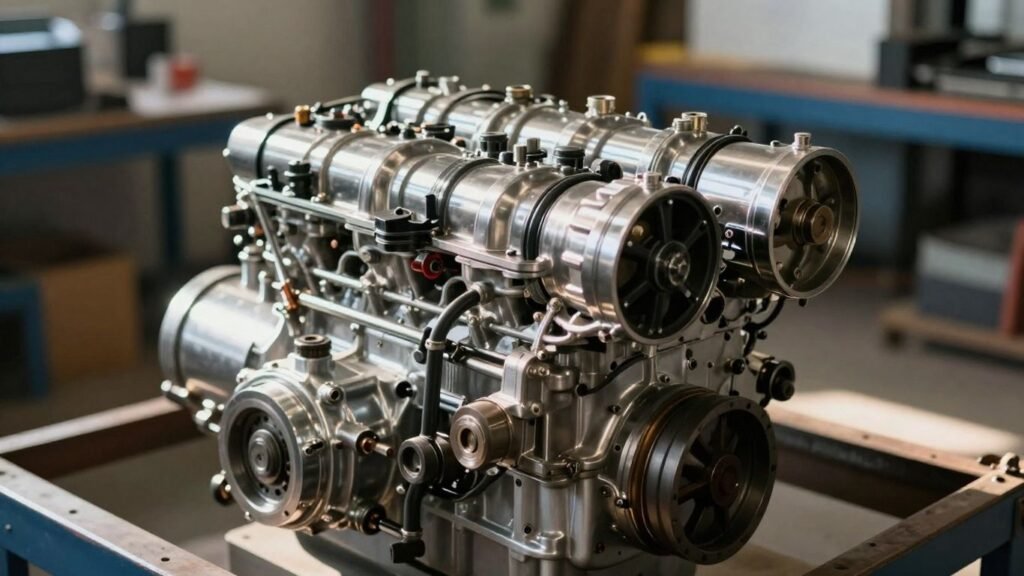
Picking the right engine for your car can feel like a big deal, especially when you’re looking in Engines Australia. Whether you need something tough for work, a zippy motor for the city, or a powerful heart for a project car, there are tons of options out there. We’re going to look at some popular choices that people often go for, covering a range of needs and budgets. It’s all about finding that perfect fit to get you back on the road or out there exploring.
Key Takeaways
- When looking for Engines Australia, consider both new crate engines and reliable used options to fit your budget and needs.
- Many suppliers offer engines built specifically for Australian conditions, focusing on durability and real-world performance.
- Check for engines with updated designs and improved reliability features, not just older stock.
- Look for suppliers who hold their own stock and can dispatch quickly, avoiding long waits and overseas shipping issues.
- Understand the warranty process; a clear, evidence-based approach is better than vague promises.
1. Holden 308 V8
The Holden 308 V8 is a classic piece of Australian automotive history. For years, it powered many Holden models, becoming a familiar sound and feel for drivers across the country. It’s known for its solid construction and the distinctive rumble that enthusiasts love.
When people talk about building or upgrading these engines, they often look for parts that can bring out more power while keeping that classic V8 character. Think about things like better intake manifolds, improved exhaust systems, or even a camshaft upgrade to give it a bit more punch.
Here’s a quick look at what makes the 308 special:
- Robust V8 design: Built with durability in mind, making it a good base for modifications.
- Iconic Australian engine: A significant part of local car culture and heritage.
- Adaptable for performance: Can be modified to suit various driving needs, from daily use to more spirited driving.
This engine is a favorite for restoration projects and custom builds where that authentic Australian V8 experience is desired.
It’s not uncommon to see these engines being rebuilt with modern touches. People might add electronic ignition for better reliability or upgrade the carburetion for improved fuel delivery. The goal is often to keep the spirit of the original engine while making it perform better for today’s roads.
Working with a Holden 308 often means dealing with parts that have been around for a while. Finding good quality replacements or performance upgrades requires a bit of know-how, but the result is an engine that has a real connection to Australia’s motoring past.
2. Ford V8
When you think of classic Aussie muscle, the Ford V8 often comes to mind. These engines have a long history down under, powering everything from Falcons to F-Series trucks. They’re known for their distinctive rumble and the sheer grunt they provide.
Ford Australia has offered a few different V8 flavours over the years, but the Windsor and Cleveland families are probably the most talked about. The Windsor, often seen in smaller displacements, is a bit of a workhorse, while the Cleveland, typically larger, is all about brute force.
Finding a good Ford V8 for your project in Australia is definitely achievable, whether you’re looking for a fresh crate engine or a solid used unit. Many specialists focus on these iconic engines, offering parts and full rebuilds.
Here’s a quick look at what makes them special:
- Sound: That unmistakable V8 burble is a big part of the appeal.
- Power Potential: With the right modifications, these engines can make serious horsepower.
- Parts Availability: Thanks to their popularity, parts are generally easy to find, especially for common models.
- Heritage: They’re a piece of Australian automotive history.
If you’re after that classic Ford V8 experience, you’ll want to look for engines that have been well-maintained or professionally rebuilt. Many suppliers offer crate versions that come ready to drop in, often with upgrades for better reliability and performance.
Building or restoring a Ford V8 often means diving into a rich history of Australian performance. These aren’t just engines; they’re part of the country’s motoring culture, and getting one right can be a really rewarding experience.
3. Chevy LS1
The Chevy LS1 engine is a pretty popular choice for a lot of Aussie car enthusiasts, and for good reason. It’s a 5.7-liter V8 that first showed up in the late 90s, and it’s found its way into all sorts of vehicles, from Commodores to early Monaros and even some performance Fords back in the day.
It’s known for being a solid performer right out of the box, but it also has a ton of potential for upgrades. People love them because they’re relatively compact for a V8, they make good power, and there’s a massive aftermarket for parts. You can find pretty much anything you need to tweak them, whether you want a bit more grunt for daily driving or something seriously wild for the track.
Here’s a quick look at some of its key specs:
- Displacement: 5.7 Liters (346 cubic inches)
- Configuration: V8
- Block Material: Aluminum
- Power Output (Stock): Typically around 305-350 horsepower, depending on the application.
- Torque Output (Stock): Around 335-385 lb-ft.
When you’re looking at an LS1, especially if you’re thinking about buying one for a project, it’s always a good idea to check its history. Like any engine, they can have their quirks, and maintenance is key. Finding a well-looked-after unit makes a huge difference.
The LS1 represents a significant step in V8 engine design, offering a blend of performance and efficiency that made it a favorite for both factory applications and aftermarket tuning. Its aluminum construction helps keep weight down, which is always a bonus for handling.
Whether you’re building a classic muscle car or just want a reliable, powerful engine for your daily driver, the LS1 is definitely worth considering. There are plenty of specialists in Australia who know these engines inside and out, ready to help you get the most out of yours.
4. LS2 Engine
The LS2 engine is a pretty solid choice if you’re looking for a bit more grunt than the LS1, but maybe don’t need the absolute top-tier power of the LS3. It’s a 6.0-liter V8 that really hit its stride in performance vehicles and has become a popular swap for many Aussie builds. Think of it as the reliable middle child of the LS family – strong, capable, and widely available.
This engine offers a good balance of power and reliability for a wide range of applications.
What makes the LS2 stand out is its displacement. At 6.0 liters (364 cubic inches), it’s got more air-moving capability than its smaller LS siblings. This translates to more torque, especially down low, which is great for getting heavier vehicles moving or for that satisfying push when you hit the accelerator.
Here’s a quick look at some of its key specs:
| Specification | Value |
|---|---|
| Displacement | 6.0L (364 cu in) |
| Bore x Stroke | 4.00 in x 3.62 in |
| Compression Ratio | 10.9:1 |
| Power (approx.) | 400 hp |
| Torque (approx.) | 400 lb-ft |
| Fuel System | Electronic Fuel Injection (EFI) |
When people talk about putting an LS2 into something, they often mention a few common benefits:
- Improved Torque: That extra half-liter over the LS1 really makes a difference in pulling power.
- Strong Foundation: It shares a lot of the same architecture as other LS engines, meaning parts availability and aftermarket support are generally excellent.
- Versatility: It’s been used in everything from sports cars like the Pontiac GTO and Chevrolet SSR to trucks and SUVs, showing it can handle different roles.
If you’re considering an LS2, you’ll find them in various states – from pulled engines from donor vehicles to fully rebuilt crate engines. The key is to find one that’s been well-maintained or properly reconditioned. Like any engine, its history and how it’s been treated will heavily influence its performance and longevity.
When looking for an LS2, especially for a project in Australia, it’s wise to check if the engine has had any specific upgrades for local conditions. Things like improved cooling or different intake setups can make a big difference in our climate and driving styles. Don’t just assume it’ll be perfect out of the box; a little bit of foresight goes a long way.
5. LS3 Crate
When you’re looking for serious power and modern reliability, the LS3 crate engine is a top contender for many Australian builds. These aren’t just generic engines; they’re often built with specific Australian conditions in mind, meaning they’re designed to handle our heat and demanding use.
These engines are built new, right, and specifically for Australia, avoiding the pitfalls of old stock or unknown histories. You’re getting a fresh unit with updated designs for better reliability, which helps sidestep compatibility problems and early failures that can come with older engine types.
Here’s what makes a crate LS3 a solid choice:
- Improved Reliability: Manufacturers often incorporate design revisions that boost longevity and performance under load.
- Ready for Dispatch: Unlike some suppliers, reputable crate engine providers in Australia have stock ready to go, meaning faster delivery and less waiting.
- Warranty Support: Good suppliers offer clear, evidence-based warranty processes, not just vague promises.
- Modern Performance: The LS3 offers a great balance of power and efficiency for daily drivers or weekend warriors.
Choosing a crate engine means you’re often getting a package that’s already been thought through by people who know engines. They focus on using reliable components and making practical improvements that suit how we use vehicles here in Australia, whether it’s for towing or just everyday driving. It takes a lot of the guesswork out of building a powerful and dependable machine.
6. Toyota Engine
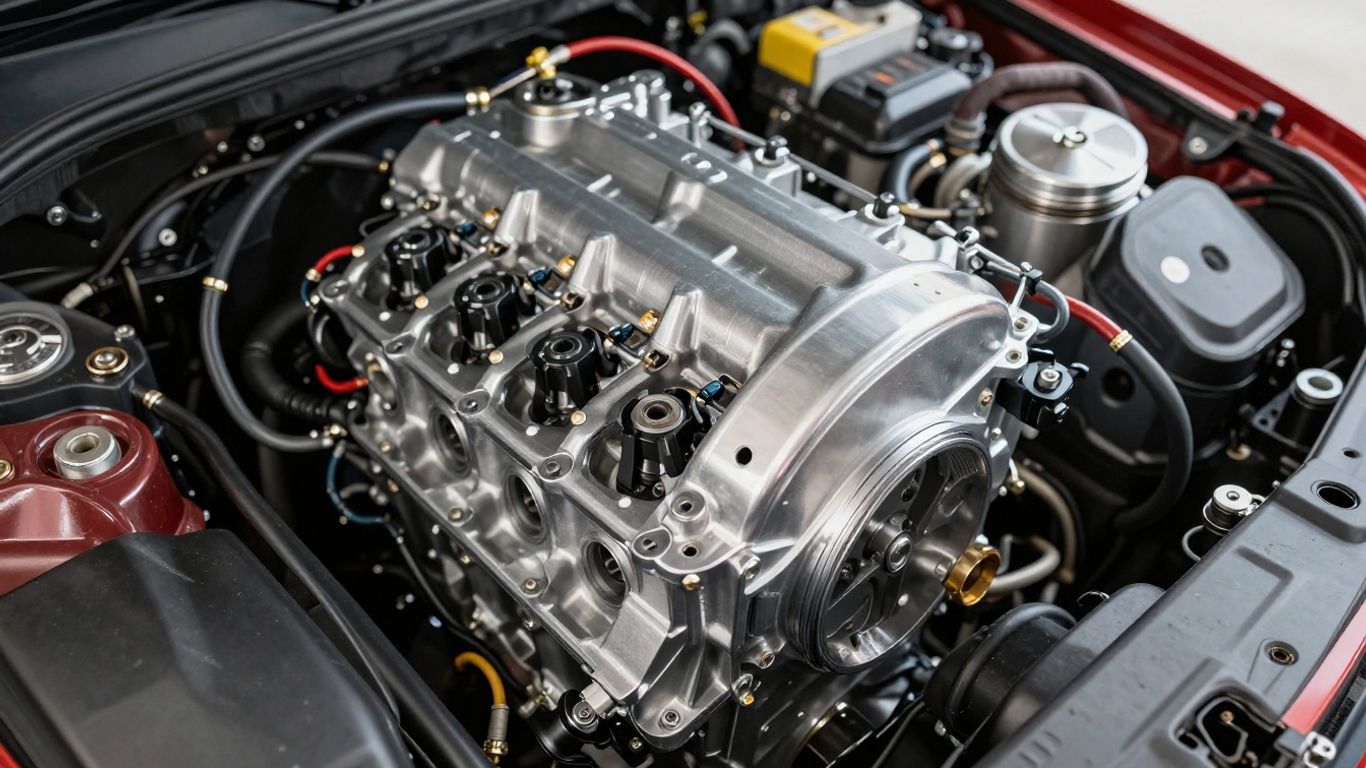
When you’re looking for a reliable engine in Australia, Toyota often comes to mind. They’ve built a solid reputation over the years for making engines that just keep going. Whether you’re after something for a daily driver, a work ute, or even a project car, there’s usually a Toyota engine that fits the bill.
Toyota’s range is pretty diverse. You’ve got your smaller, fuel-efficient four-cylinders that are great for everyday commuting and keeping running costs down. Then there are their more robust engines found in their popular SUVs and 4x4s, built to handle a bit more punishment.
Here are a few things people often look for in a Toyota engine:
- Durability: They’re known for lasting a long time with regular maintenance.
- Fuel Efficiency: Many models offer good mileage, which is a big plus.
- Parts Availability: Because they’re so common, finding replacement parts is usually straightforward.
- Versatility: From city cars to off-roaders, there’s a Toyota engine for many different uses.
Many mechanics and car owners agree that Toyota engines are a safe bet for dependability. They might not always be the most powerful or exciting, but they tend to be incredibly reliable, which is often what matters most when you need your vehicle to start every day.
When considering a Toyota engine, especially if you’re looking at a used or reconditioned unit, it’s wise to check its service history. While they are tough, like any engine, they benefit from proper care. Checking for common wear points or signs of neglect can save you headaches down the line. It’s about getting a good, solid engine that’s ready for more miles.
7. Nissan Engine
When you’re looking for a Nissan engine in Australia, you’ve got a few solid paths to go down. Nissan has a long history of putting good engines in their cars, and many of these are still sought after for replacements or even project builds.
Many people turn to Nissan engines for their reputation for reliability and decent performance, especially in the four-cylinder and V6 categories. They’re often found in popular models that have been around for ages, meaning parts and knowledge are usually pretty accessible.
Here are some common types you might encounter:
- RB Series: These are legendary, especially the RB26DETT from the Skyline GT-R. Even the more common RB20 and RB25 variants are popular for their robust build and tuning potential. They’re known for being strong and capable of handling a good amount of power.
- VQ Series: Nissan’s V6 engines, like the VQ35DE, are found in everything from 350Zs to Maximas. They offer a good balance of power and smoothness, making them a great choice for a variety of vehicles.
- QR Series: These are common four-cylinder engines, often found in models like the X-Trail and some Pulsars. They’re generally reliable workhorses, good for everyday driving.
- SR Series: Another popular four-cylinder, especially the SR20DET found in Silvias. These are a favourite for drift and performance builds due to their turbocharging and tuning capabilities.
When buying a Nissan engine, whether it’s new, reconditioned, or used, it’s always a good idea to check its history and condition. Reputable suppliers will often provide details on the engine’s origin and any work done.
Getting the right engine means looking at what you need it for. A high-performance turbo engine might be overkill for a daily driver, while a standard naturally aspirated engine might not cut it for a serious project. Always match the engine’s specs to your intended use and vehicle.
Some suppliers offer engines that are ready to go, often with updated components for better reliability in Australian conditions. They might also offer warranties, which is always a plus when you’re making a significant purchase like an engine replacement.
8. Mitsubishi Engine
When you’re looking for a Mitsubishi engine in Australia, you’ve got a few solid options depending on what you need. Mitsubishi has a long history of making reliable engines, from the smaller, fuel-efficient ones found in everyday cars to more robust options for performance or commercial use.
Many people turn to specialist suppliers for reconditioned or used Mitsubishi engines. These suppliers often have a good stock of engines for popular models like the Lancer, Pajero, or Triton. Finding a quality used engine can be a smart move if you’re on a budget, but it’s important to go with a reputable dealer who tests their engines thoroughly.
Here’s what you might find when searching for a Mitsubishi engine:
- Reconditioned Engines: These have been taken apart, cleaned, inspected, and rebuilt with new or re-machined parts. They often come with a warranty, giving you some peace of mind.
- Used Engines: Pulled from other vehicles, these are generally cheaper than reconditioned ones. They’re usually tested, but the history might be less clear.
- New Crate Engines: For specific performance builds or if you need a brand-new unit, these are available but can be more expensive.
When you’re shopping around, look for suppliers who can tell you:
- The engine’s mileage (if used).
- What tests have been performed.
- The warranty details (what’s covered and for how long).
- If they offer installation services.
Choosing the right engine replacement is a big deal. It’s not just about getting your car running again; it’s about ensuring it runs well for a long time. Taking the time to research and ask the right questions will save you headaches down the road. Don’t be afraid to ask for proof of testing or details about the rebuild process if you’re looking at a reconditioned unit.
9. Honda Engine
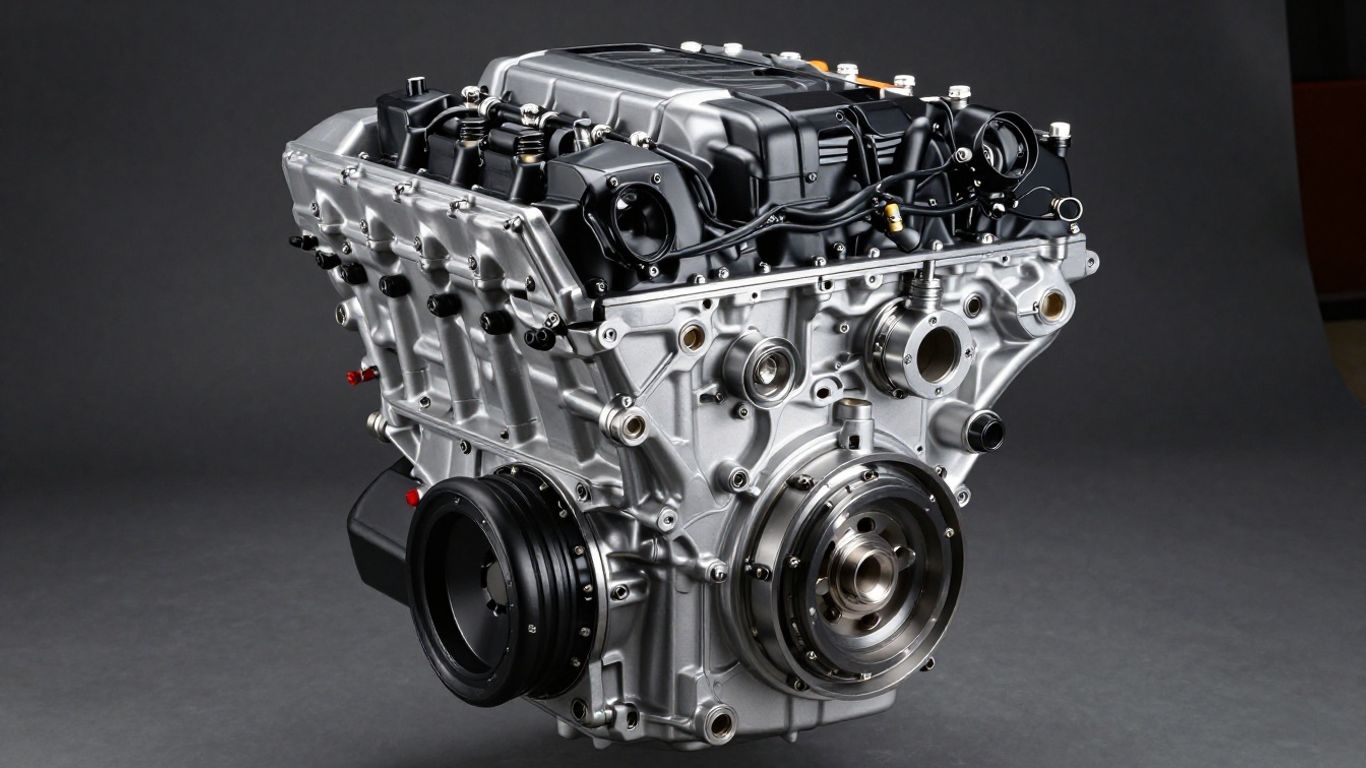
When you’re looking for a Honda engine in Australia, you’ve got a few solid options, whether you’re after something brand new or a reliable used one. Honda’s known for making engines that just keep going, and that reputation holds true whether it’s in a small car or something a bit more robust.
For those needing a replacement, there are plenty of suppliers stocking both new and pre-owned Honda engines. You can find engines with low kilometers that have been checked over, ready to drop into your vehicle. It’s a good way to get back on the road without breaking the bank.
Here’s a quick look at what you might find:
- Used Honda Engines: Often come from vehicles with minor damage but good running gear. They’re inspected and ready for a second life.
- Reconditioned Honda Engines: These have been taken apart, cleaned, and rebuilt with new parts where needed. They usually come with a decent warranty.
- New Crate Engines: Less common for the average car owner, but available for specific performance or restoration projects. These are built to factory specs or better.
Finding the right Honda engine often comes down to balancing cost, condition, and warranty.
It’s always a smart move to check the engine’s history if you’re going the used route. Ask about its previous life, how many kilometers it’s done, and if it’s had any major work. Some places offer a basic warranty, which is a nice bit of security.
When you’re shopping around for a Honda engine, remember that reliability is key. These engines are generally built to last, so even a well-maintained used one can be a great choice. Just do your homework on the seller and the engine’s background.
10. Hyundai Engine
When you’re looking for a Hyundai engine in Australia, you’ve got a few solid options, especially if you’re thinking about replacements or upgrades. Hyundai has a pretty good reputation for building reliable engines across their range, from smaller, fuel-efficient units to more powerful ones found in their performance models.
Many people turn to the used engine market when their original Hyundai unit gives up the ghost. It’s a smart way to save some cash, and reputable suppliers in Australia put these engines through their paces before selling them. They’ll check things like compression, oil leaks, and overall performance to make sure you’re not getting a dud. It’s not just about getting a cheaper engine; it’s about getting a tested one that’s ready to go.
Here’s what you might find when looking for a Hyundai engine:
- Direct Replacement Engines: These are often used or reconditioned engines that match your specific Hyundai model and year. They’re designed to be a straightforward swap, minimizing installation headaches.
- Performance Upgrades: If you’re feeling adventurous, some aftermarket specialists might offer modified or higher-output engines that can fit certain Hyundai vehicles, though this is less common for everyday replacements.
- Crate Engines: While less common for typical Hyundai passenger cars compared to V8s, some performance-oriented Hyundai models might have crate engine options available from specialized builders, offering a fresh start with potential improvements.
When buying any used engine, especially for a popular brand like Hyundai, it’s always a good idea to ask about:
- Mileage: How many kilometres does the engine have on it?
- Warranty: What kind of guarantee, if any, comes with the engine? Even a short warranty offers some peace of mind.
- Condition Report: Can the seller provide details on any tests performed and the results?
Finding a good replacement engine doesn’t have to be a huge headache. With a bit of research and by dealing with trusted suppliers, you can get your Hyundai back on the road without breaking the bank. It’s all about finding that balance between cost and confidence in the part you’re buying.
Finding Your Next Engine
So, whether you’re looking to save some cash with a solid used engine, need something brand new built tough for Aussie conditions, or are chasing serious power for a V8 project, there are plenty of good options out there. We saw places that have tons of used engines ready to go for all sorts of cars, and others that build new crate engines with upgrades specifically for Australia. There are also specialists for high-performance V8 parts and those focusing on diesel. It really comes down to what your car needs and what your budget looks like. Just remember to check out their warranties and how they handle support – nobody wants more headaches after getting a new engine.