If you’re on the hunt for car engines for sale on the Gold Coast, it can feel a bit overwhelming. You want something reliable without emptying your wallet, right? Well, you’re in the right spot. This guide is designed to make finding a quality engine for your vehicle much simpler. We’ll walk you through the best places to look, what to check for, and how to make sure you’re getting a good deal in 2025. Let’s get started on finding those engines for sale Gold Coast.
Key Takeaways
- Check local Gold Coast car wreckers and auto recyclers for affordable engine options.
- Explore online marketplaces, but always verify seller reputation and engine condition.
- Connect with local car clubs and online forums for recommendations and advice on engines for sale Gold Coast.
- Always test engines if possible and look for warranties or guarantees for peace of mind.
- Compare prices from different suppliers and factor in potential installation costs before buying.
Finding Quality Engines for Sale on the Gold Coast
Understanding Your Engine Needs
Before you even start looking, you really need to know what you’re after. What kind of engine does your car actually need? Is it a specific make and model, or are you open to something that fits? Think about the year of your vehicle too, because engines change over time. You’ll want to jot down the engine code if you can find it – that’s usually on a sticker under the hood or in your car’s manual. This little detail is super important for making sure you get the right fit. Also, consider how you use your car. Are you just commuting, or do you need something with a bit more grunt for towing or off-roading? This can influence the type and condition of the engine you should be looking for.
Where to Source Engines Locally
When you’re on the Gold Coast, you’ve got a few main places to check out. First up are the local auto parts stores. Some of these places might have new or reconditioned engines, though they can be pricey. Then there are the car wreckers, which are often a goldmine for used engines. These places take in old cars and sell off the usable parts. It’s a good way to find something more affordable. Don’t forget about mechanics too; sometimes they have engines they’ve removed from other jobs or know where you can get one. It’s worth calling around a few different places to see who has what you need.
The Benefits of Used Engines
Buying a used engine can save you a serious chunk of cash compared to a brand-new one. Seriously, the difference in price can be huge. Plus, it’s a more eco-friendly choice because you’re reusing a part that’s already been made, cutting down on manufacturing waste. A lot of wreckers will even test their engines before selling them, so you can often get a decent, working engine for a fraction of the cost. It’s a smart move if you’re on a budget or working on an older car where new parts are hard to come by anyway.
Here’s a quick rundown of why used engines make sense:
- Cost Savings: Significantly cheaper than new or reconditioned engines.
- Environmental Impact: Reduces waste and the need for new manufacturing.
- Availability: Often easier to find for older or less common vehicles.
- Tested Options: Many wreckers offer engines that have been checked for basic functionality.
When looking for a used engine, remember that condition is everything. A little research and a few phone calls can save you a lot of headaches down the road. Don’t be afraid to ask questions about the engine’s history and any tests that have been performed.
Navigating Gold Coast Car Wreckers for Engine Parts
Why Choose a Car Wrecker?
When you’re on the hunt for an engine, especially if you’re trying to keep costs down, Gold Coast car wreckers can be a real lifesaver. These places take in old or damaged vehicles, pull out usable parts, and sell them off. It’s a smart way to get what you need without paying full price for a brand-new component. Plus, it’s better for the environment since parts are being reused instead of just ending up in a landfill. It’s a win-win for your wallet and the planet.
Here are some good reasons to check out a wrecker:
- Cost Savings: Used parts are almost always cheaper than new ones. This can make a big difference when you’re dealing with a major repair like an engine.
- Environmental Friendliness: Reusing parts means less manufacturing and less waste. It’s a more sustainable way to keep cars on the road.
- Variety: Wreckers often have parts from all sorts of makes and models. You might find exactly what you need, even if it’s for an older or less common car.
Sometimes, the best deals are found in places that aren’t the most obvious. Car wreckers are a prime example of this. They might not have the shiny showroom appeal of a dealership, but they often have the practical solutions you’re looking for at a much more reasonable price.
How to Find Reputable Wreckers
Finding a good wrecker is key. You don’t want to end up with a faulty part. Start by doing a bit of online searching for "Gold Coast car wreckers" and see what comes up. Look for businesses that have been around for a while and check out any reviews or testimonials people have left. A wrecker with a solid reputation is usually a safe bet.
Here’s a quick checklist:
- Check Online Reviews: See what other customers are saying. Look for consistent positive feedback about service and part quality.
- Visit Their Website: Many wreckers list their inventory online. This can give you an idea of what they have before you even go there.
- Ask for Recommendations: If you know other car people on the Gold Coast, ask them where they go.
Inspecting and Verifying Engine Condition
Once you’ve found a potential engine, you’ve got to check it out. Don’t just take someone’s word for it. If you can, go see the engine in person. Look for obvious signs of damage, like cracks or leaks. Ask about the engine’s history – where did it come from? How many kilometers did it have on it? Some wreckers might even offer a short warranty, which is always a good sign. It’s worth asking about this upfront. Getting a written record of the engine’s details and any warranty is a smart move.
Exploring Online Marketplaces for Engines
Tips for Buying Engines Online
So, you’re looking for an engine and the internet seems like the place to start. It’s true, online marketplaces can open up a huge world of options, way beyond what you might find locally. But, like anything online, you’ve got to be smart about it. The key is to do your homework before you click ‘buy’.
Here are a few things to keep in mind:
- Know exactly what you need: Before you even start browsing, figure out your engine’s make, model, year, and any specific codes. Having your VIN handy is a really good idea, too. It helps avoid those "oops, that’s not the right one" moments.
- Check seller reviews: Just like you’d look at reviews for a restaurant, check out what other buyers are saying about the seller. Look for consistent positive feedback regarding quality, shipping, and customer service.
- Understand the listing details: Read everything carefully. What’s included? Is it a complete engine, or just a block? Are there any known issues mentioned? Don’t be afraid to ask the seller for more photos or details if something isn’t clear.
- Ask about testing: A reputable seller will have tested their engines. Ask what kind of tests were performed and if they have any documentation or results they can share.
Evaluating Seller Reputation
When you’re buying something as significant as an engine online, the seller’s reputation matters a lot. You don’t want to end up with a dud. Look for sellers who are transparent and have a solid history.
- Look for established businesses: Many online marketplaces host established auto parts businesses. These often have more robust return policies and better quality control.
- Check for contact information: A legitimate seller will have clear contact details – a phone number, a physical address, and responsive customer service.
- Read the fine print: Pay attention to their policies on warranties, returns, and shipping. If these are hard to find or seem unreasonable, it might be a red flag.
Buying an engine online can save you a good chunk of money, but it also means you can’t physically inspect it before handing over your cash. That’s why trusting the seller and understanding their policies is so important. It’s about finding that balance between a good price and peace of mind.
Understanding Shipping and Returns
Shipping an engine isn’t like mailing a t-shirt. It’s heavy, bulky, and needs careful handling. You need to know what you’re getting into.
- Shipping Costs: Engines are heavy, so shipping can add a significant amount to the total cost. Get a clear quote for shipping to your location. Sometimes, local pickup might be an option if the seller is within a reasonable distance.
- Shipping Time: How long will it take to arrive? If your car is your only transport, you’ll want to know the estimated delivery time.
- Return Policy: What happens if the engine arrives damaged or doesn’t work? A good seller will have a clear and fair return policy. Understand the process, any restocking fees, and who covers return shipping costs. Make sure you know the timeframe you have to report issues after delivery.
Specialty Shops and Enthusiast Communities
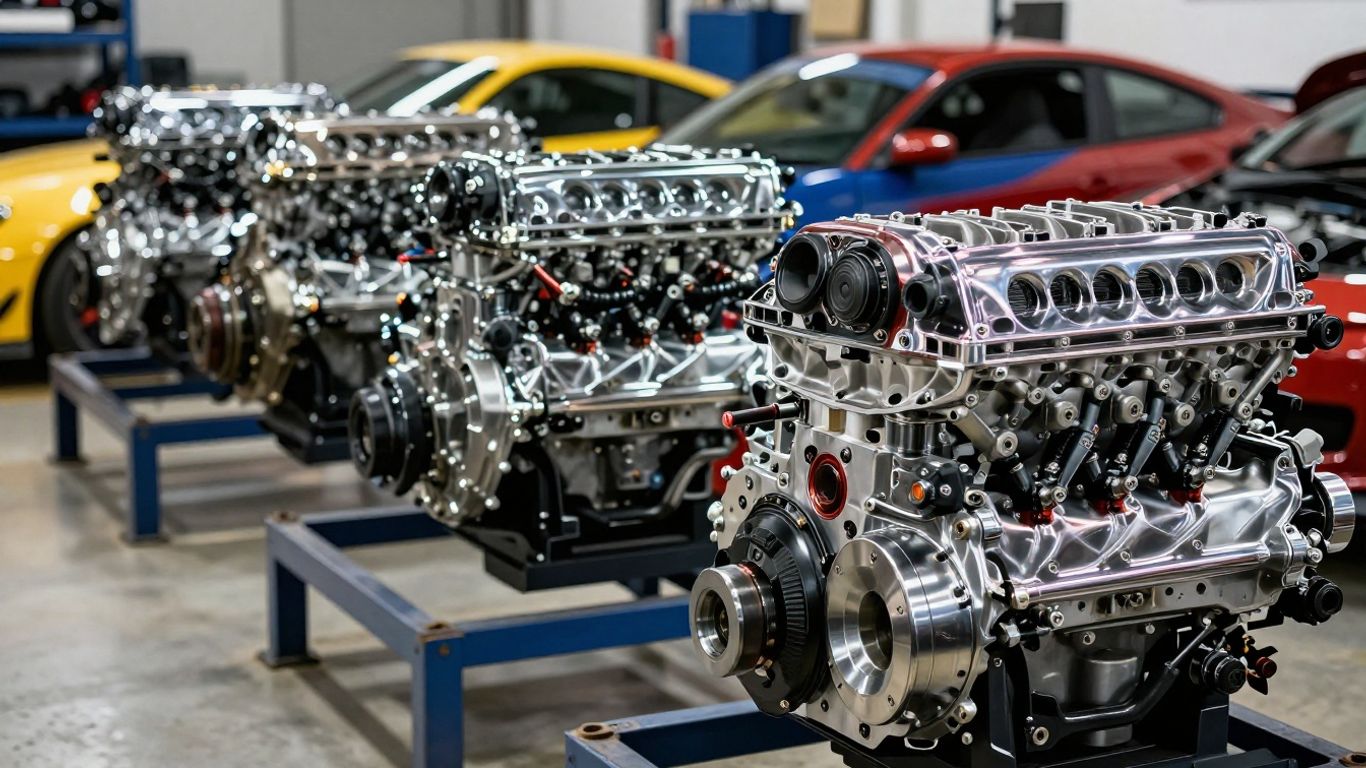
Sometimes, the engine you need isn’t just a generic part; it’s something specific to a certain make or model, or maybe you’re looking for something with a bit more performance. That’s where specialty shops and the local car community really shine.
Identifying Specialty Engine Suppliers
Forget the big box auto parts stores for a moment. If you’re after something particular, like an engine for a classic car, a performance build, or even a specific European model, you’ll want to look for shops that focus on those niches. These places often have staff who are genuinely passionate about what they sell. They know the engines inside and out, not just the part numbers. They can often help you find exactly what you’re looking for, even if it’s a bit obscure. Think of them as the experts who can tell you the difference between a standard engine and one that’s been tuned for racing, or the specific engine variations used across different years of a particular car.
Leveraging Local Car Clubs
This is where you find the real gems. Gold Coast has a bunch of car clubs for all sorts of makes and models. Joining one, or even just attending a meet-up, is a fantastic way to tap into a network of people who are just as into cars as you are. You can ask around, and chances are someone knows a guy who knows a guy with the engine you need, or they might even have one sitting in their garage. Plus, you get to see some cool cars and maybe even get some hands-on advice.
Here are a few things you can gain from local clubs:
- Direct Recommendations: Get honest opinions on suppliers and specific engines.
- Networking Opportunities: Meet people who might have parts or know where to find them.
- Shared Knowledge: Learn about common engine issues for your car and how to fix them.
Connecting Through Online Forums
If you can’t make it to a physical meet-up, or you want to cast a wider net, online forums and social media groups are your next best bet. There are tons of forums dedicated to specific car makes, models, or even engine types. You can post what you’re looking for, and you’ll often get responses from people all over. Just be sure to vet sellers carefully, just like you would anywhere else. It’s a great way to find parts that might be rare in your local area.
When dealing with specialty suppliers or community members, always ask questions. Don’t be shy about inquiring about an engine’s history, maintenance records, or any known issues. The more information you can get upfront, the better your chances of making a good purchase.
Ensuring Engine Quality and Compatibility
So, you’ve found a potential engine for your car on the Gold Coast. That’s great! But before you hand over your cash, we need to talk about making sure it’s actually a good buy and that it’ll work with your vehicle. Nobody wants to buy an engine only to find out it’s a dud or it won’t even bolt up.
The Importance of Engine Testing
This is a big one. You really want to know that the engine you’re considering has been checked out. What kind of checks? Well, ideally, they’ve tested the compression to see if the cylinders are sealing properly. They should also be looking for any oil or coolant leaks, which can be a sign of bigger problems. Some sellers might even run the engine briefly to check if it starts and runs smoothly. A properly tested engine gives you a much better chance of a smooth installation and a reliable ride afterward.
Checking for Warranties and Guarantees
This is where you get some backup. A warranty is basically a promise from the seller that the engine will work for a certain period. It’s not usually for a super long time, maybe 30, 60, or 90 days, but it’s better than nothing. It covers you if something major goes wrong shortly after you buy it.
Here’s what to look for:
- Warranty Length: How long is it covered?
- What’s Covered: Does it cover just the main parts, or does it include things like the turbo or injectors?
- What’s Not Covered: Usually, labor costs for installation or removal aren’t included, and things like wear-and-tear items are often excluded.
- The Seller’s Reputation: Is the company offering the warranty likely to be around if you need to use it?
Buying a used engine can feel like a bit of a gamble. A good warranty is like a safety net, giving you some confidence that you’re not just throwing money away on a faulty part. It shows the seller stands behind their product.
Confirming Vehicle Compatibility
This is where you need to be super careful. Engines aren’t one-size-fits-all. You need to make sure the engine you’re looking at is designed for your specific car model, year, and even trim level. The easiest way to do this is by using your car’s Vehicle Identification Number (VIN).
- VIN Check: Provide your VIN to the seller. They should be able to cross-reference it to confirm the exact engine specifications. This is the most reliable method.
- Engine Codes: Different versions of the same car model might have different engine codes. Make sure the code on the engine matches what your car needs.
- Transmission Match: Is your car manual or automatic? The engine needs to be compatible with your transmission type.
- Other Systems: Think about things like the exhaust system and electrical connections. Will they bolt up and connect correctly to your car’s existing setup?
Getting this wrong can mean a lot of extra work, or worse, the engine just won’t work at all. Always double-check compatibility before you commit to buying.
Making an Informed Purchase Decision
So, you’ve done your homework, found some potential engines, and now it’s time to actually buy one. This is where you want to be smart about it. Don’t just grab the first thing that looks okay. Think about the whole picture, not just the sticker price.
Comparing Prices Across Suppliers
It’s easy to get fixated on the lowest number you see, but that’s not always the best move. You really need to check out a few different places. Call up a couple of wreckers, check out those online listings again, and maybe even see what the specialty shops are asking. Sometimes a slightly higher price from one place might include a better warranty or more reliable shipping, which can save you trouble later.
Here’s a rough idea of what you might see, just to give you a starting point:
| Supplier Type | Estimated Price Range (AUD) | Notes |
|---|---|---|
| Local Car Wrecker | $800 – $2500 | Often includes removal from vehicle |
| Online Marketplace | $700 – $2200 | Varies wildly by seller and condition |
| Specialty Engine Shop | $1500 – $4000+ | Usually higher quality, often rebuilt |
Remember, these are just ballpark figures. The actual price depends a lot on the engine’s make, model, year, and its condition.
Considering Installation Costs
Don’t forget that buying the engine is only half the battle. You’ve got to get it into your car. If you’re not doing it yourself, this is a big chunk of change you need to account for. Installation can really add up, especially if the mechanic finds other issues while they’re working on it. It’s a good idea to get a quote for the installation before you buy the engine, so you know the total cost. Some mechanics might even have preferred suppliers or can give you advice on which engines are easier or harder to fit.
Keeping Records of Your Purchase
This is one of those things that seems small but can save you a lot of hassle down the line. Keep everything. I mean, receipts, invoices, any paperwork from the seller, warranty details, even notes you took during your inspection. If something goes wrong and you need to make a warranty claim, or if you ever want to sell the car, having these records is super helpful. It shows you bought the part legitimately and can prove its history. A simple folder or a digital scan works just fine.
When you’re looking at prices, think about the total cost. That means the engine itself, plus any shipping, taxes, and most importantly, the cost to get it installed and running in your vehicle. A cheap engine that costs a fortune to fit might end up being more expensive than a pricier one that’s straightforward to install.
Wrapping It Up
So, finding a quality engine for your vehicle on the Gold Coast doesn’t have to be a massive headache. We’ve looked at a few ways to track down what you need, whether that’s checking out local shops, browsing online, or even talking to other car folks. Remember to do a bit of homework, read what others say, and don’t be afraid to ask questions. Getting your car back in good shape is totally achievable, and with a little effort, you’ll be back on the road in no time. Happy hunting for that perfect engine!