Key Takeaways
Transitioning to a reconditioned engine can be a practical strategy for extending the life of your vehicle while managing maintenance budgets. This guide simplifies the technical aspects and selection process to help you find the right component for your specific needs.
- Understand the key differences between used, rebuilt, and remanufactured parts.
- Prioritize rigorous testing standards and documented manufacturing processes.
- Evaluate the practical benefits, including long-term cost efficiency and environmental sustainability.
- Always cross-reference serial numbers and VINs to guarantee mechanical compatibility.
- Plan for professional installation to ensure your new engine runs optimally.
Understanding the basics of reconditioned engines
Choosing a replacement for your drivetrain is an important decision that requires a clear understanding of the industry terminology. When you start searching for a unit, you will encounter various classifications that impact both price and expected longevity.
Definition of reconditioned vs. rebuilt vs. used
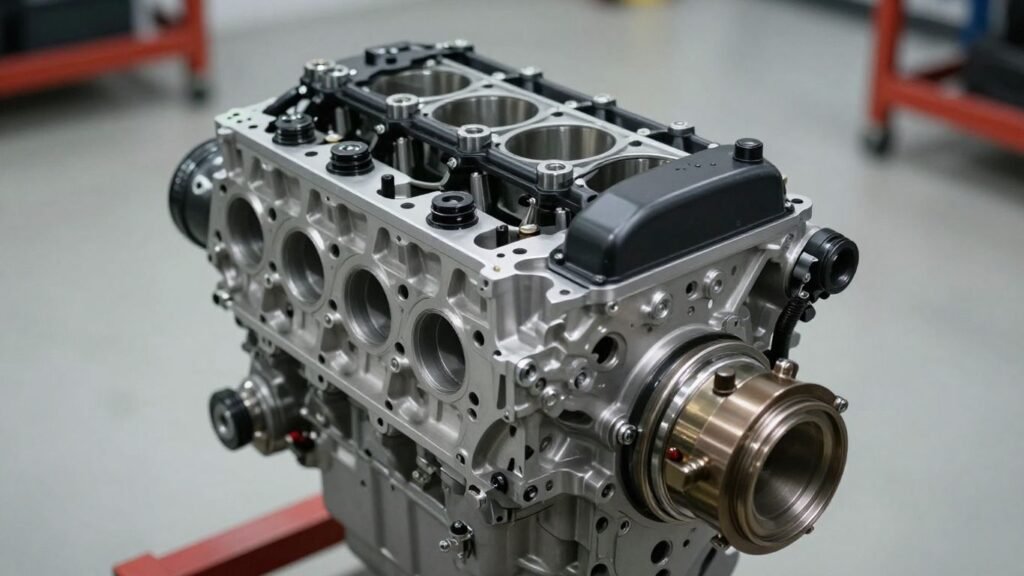
Used engines are typically pulled directly from salvage vehicles with their original parts intact, meaning they have not been serviced or restored. A rebuilt engine involves repairing only the failed components, while reconditioned or remanufactured engines undergo a precise process that restores them to factory specifications. Companies like JASPER provide remanufactured units that serve as an example of engines built to meet or exceed original equipment standards. Understanding these nuances helps you avoid overpaying for parts that lack the necessary overhaul.
The remanufacturing process explained
The remanufacturing process is extensive and involves stripping the engine down to its core to inspect every internal component. Technicians replace or machine parts like pistons, camshafts, and cylinder heads to ensure they meet exact structural tolerances. This standardized approach allows firms like JASPER to deliver consistency for various engines and components, restoring performance levels that might have degraded over years of use.
Why quality matters for long-term reliability
Installing an engine is a labor-intensive task, so opting for a high-quality unit ensures that your investment stays on the road instead of returning to the shop. Reliability hinges on the precision of the assembly and the quality of the replacement parts used during the build. When you prioritize documented quality, you are essentially securing a reliable heart for your vehicle that can provide many thousands of miles of dependable service.
Benefits of choosing a reconditioned engine
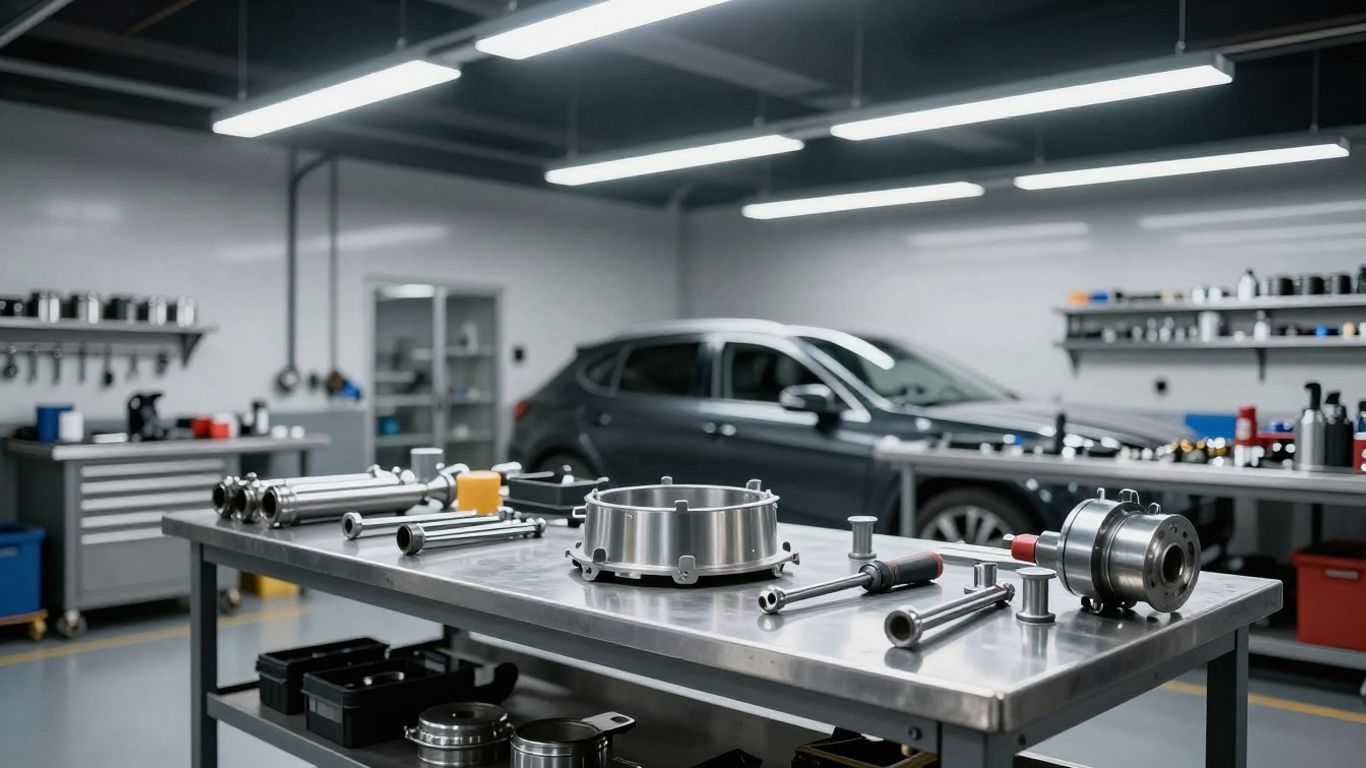
Opting for a reconditioned unit can change your economic outlook on maintaining an older car or truck. Many owners find that this path provides a middle ground between buying a brand-new vehicle and risking the unknown of a high-mileage wrecking yard find.
Cost savings compared to buying a new vehicle
Replacing a drivetrain is significantly less expensive than financing a new vehicle or taking on a new series of monthly payments. By extending the life of a chassis you already own, you preserve your capital while still gaining the benefit of a clean, efficient engine. This is particularly advantageous for trucks or specialty cars that remain mechanically sound despite having an engine with internal wear.
Environmental impact of engine recycling
Engine remanufacturing is a form of industrial recycling that keeps heavy materials out of landfills and reduces the need for raw resource extraction. Conserving the original engine block through advanced machining techniques saves the massive amount of energy required to cast and forge a brand-new engine from scratch. It is a responsible choice for drivers who want to keep their vehicle running without excessive waste.
Maintaining the vehicle’s original value
Keeping the original configuration of your car helps maintain its character and ensures that all other integrated systems continue to communicate properly. Because the geometry and mounting points remain identical to the factory design, you avoid the complications often associated with engine swaps or modifications. This original-spec focus simplifies future maintenance and helps retain the vehicle’s market appeal over time.
How to verify the quality of an engine
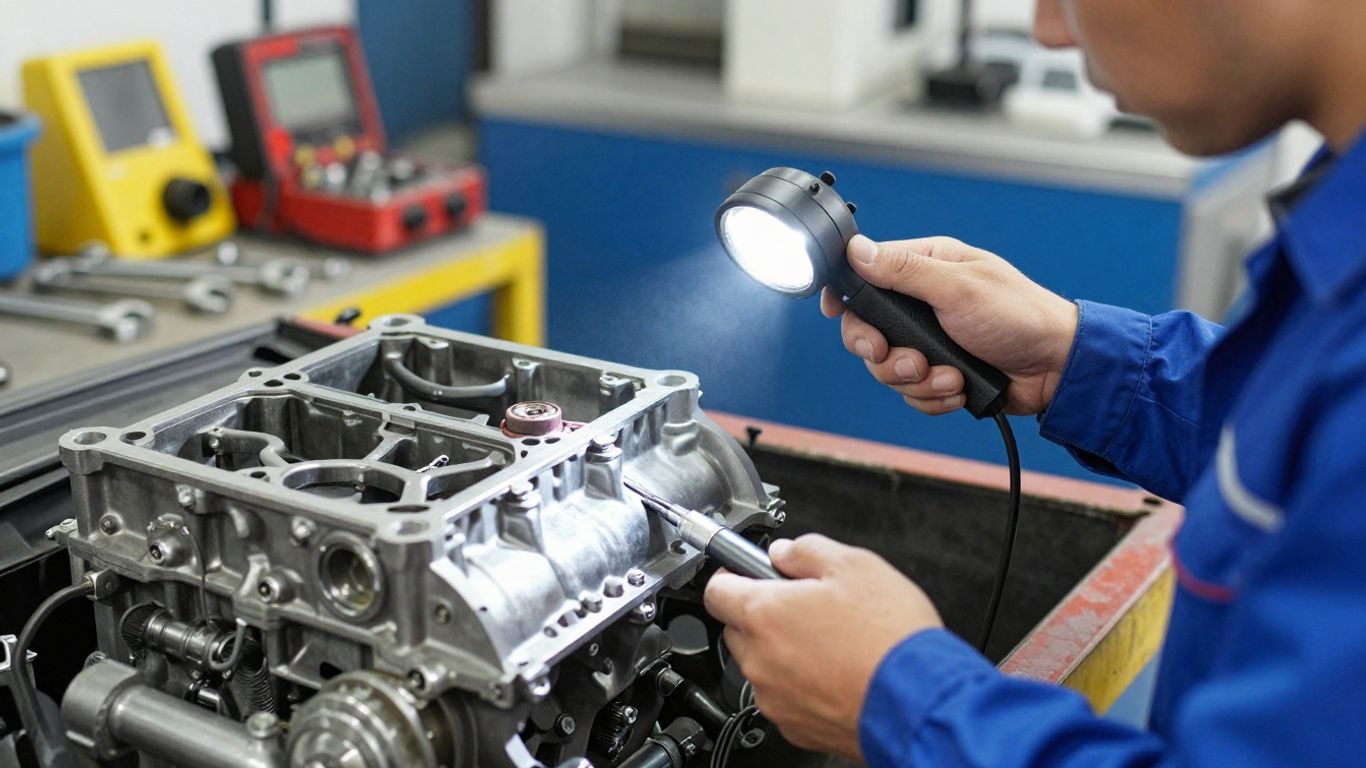
Before you commit to a purchase, it is vital to audit the supplier’s work to ensure the product matches their claims. A simple visual inspection is never enough, as the most critical issues often live inside the block.
Checking testing standards and certification protocols
Professional remanufacturers maintain strict internal quality control to verify that every engine exits the facility in prime condition. Reliable suppliers perform hot-running tests to monitor oil pressure, compression, and cooling performance before the engine is ever shipped. The following table summarizes how professional standards ensure performance:
| Feature | Standard Requirement | Quality Assurance Level |
|---|---|---|
| Compression Test | 100% of Cylinders | Verified Consistent |
| Oil Pressure Check | Factory Specs | Monitored Hot |
| Torque Verification | Precision Calibrated | Documented Specs |
These rigorous checks allow you to move forward with a clear understanding of the product you are installing in your engine bay.
Reviewing the depth of warranty coverage
A comprehensive warranty is a strong indicator of how much a supplier trusts their own remanufacturing process. Look for coverage that spans both parts and labor across a significant time or mileage threshold. Companies like JASPER offer expansive warranty terms that reflect the technical confidence they place in their remanufacturing procedures, reinforcing the idea that the engine is built for durability.
The importance of documented history and serial numbers
Serial numbers act as the DNA of your engine and are essential for tracking the history and specifications of your purchase. Always confirm that the supplier provides a complete build record, as this trail of documentation ensures that parts are correctly identified and compatible with your car. This record-keeping is a standard practice for reputable shops and should be treated as a requirement before any transaction takes place.
Common pitfalls when shopping for engines
Navigating the market requires caution because misleading marketing or poor handling can undermine even a well-built project. Staying alert to specific warning signs will help you steer clear of low-quality components.
Identifying red flags in seller documentation
Vague descriptions such as "tested" without explicit proof or certification logs should immediately raise concerns. If a seller is unwilling to provide detailed specifications for internal parts like gaskets, bearings, or rings, you should look elsewhere. Transparency in documentation is a baseline expectation for any professional engine supplier.
The risk of improper storage and shipping damage
Even a high-quality engine can be ruined by improper storage or reckless handling during the delivery process. Moisture in the cylinders or bent components from poor crating can lead to immediate failure upon startup. When you receive your shipment, observe these precautions:
- Inspect all external surfaces for signs of oil leaks or rust.
- Check all mounting flanges for bent metal or chipped castings.
- Verify that all ports are properly sealed against debris.
- Document the condition immediately upon delivery.
Doing this helps you protect your investment before you begin the labor of installation.
Neglecting compatibility with your specific vehicle identification number
Using the vehicle identification number (VIN) is the only way to ensure the engine matches the emissions, sensor, and hardware requirements of your car’s computer. Even within the same engine model series, manufacturers often release mid-year changes that alter wiring harnesses or sensor inputs. Failing to verify the VIN compatibility can turn a simple swap into an electrical diagnostic nightmare.
Preparing for installation and break-in
Once your engine arrives, the final phase involves careful installation and a smart break-in protocol to seat the rings and valves correctly. Treat this stage with patience, as rushing the process rarely ends well for the new mechanical components.
Selecting a qualified professional for the swap
Tasking a certified mechanic with the removal and installation is worth the expense, as they will have the specialized tools needed for a clean swap. Professionals know how to handle the integration of the ECU and the flushing of the fuel system, which are often prone to errors when done by amateurs. They can also perform a final safety inspection to catch any minor mistakes before you drive off.
Essential cooling and ignition system upgrades
When installing a new block, you must ensure that the supporting cast, particularly the cooling and ignition, is also up to the task. Old, gummed-up radiators or frayed ignition wires can tax a new engine, causing it to run hot or misfire soon after installation. Refreshing these peripherals is the smartest way to allow your new motor to breathe and operate within its design parameters.
Best practices for the initial engine break-in period
The first few hundred miles are critical for the long-term health of your engine as the internal surfaces mate together. Follow the manufacturer’s guidance on engine speed, oil changes, and load variations to ensure the rings seat perfectly against the cylinder walls. Consistent temperature management during these initial miles lays the foundation for thousands of miles of trouble-free driving.
Conclusion
Finding and installing high-quality reconditioned engines available now is a process that rewards patience, research, and professional execution. By focusing on certified remanufacturing processes, verifying compatibility through your VIN, and adhering to strict break-in protocols, you can effectively revitalize your vehicle for years to come. This commitment to quality ensures that your car remains a reliable transportation solution that balances cost, value, and performance without the need for a new vehicle purchase.