Key Takeaways
Understanding how your vehicle functions can help you maintain longevity and save on costly repairs. By staying observant of mechanical changes, you can address minor issues before they escalate into major failures.
- Regular fluid checks prevent long-term engine degradation.
- Unusual noises often indicate specific component wear or damage.
- Monitoring dashboard warnings helps identify failures early.
- Proper maintenance scheduling extends vehicle lifespan significantly.
- Professional diagnostic tools ensure complex repairs are accurate.
Identifying common engine warning signs
Every driver eventually encounters a situation where the vehicle feels a bit different than usual. Keeping an eye on signs such as idling fluctuations or strange smells is important, as these are often the first hints that something needs attention. When you need to solve your engine problems today, consistency in your observations is your best tool for maintenance.
Deciphering the check engine light codes
The check engine light is designed to be an early detection system for emissions and performance abnormalities. While modern sensors are highly complex, the codes they generate can often point you toward a specific sensor or component malfunction. Using an specialized reader allows you to translate these cryptic signals into actionable steps.
Detecting changes in exhaust smoke color
Smoke color is a direct indicator of what is burning inside your cylinders. Blue smoke typically suggests oil consumption, while thick white smoke might indicate a coolant leak within the combustion chamber. Paying attention to these color shifts helps differentiate between minor seal issues and major mechanical failures.
Recognizing sudden losses in power or efficiency
A noticeable drop in acceleration or fuel economy is rarely a coincidence. If your vehicle feels sluggish, it could be struggling to intake enough air or failing to combust fuel effectively. Establishing a baseline for your vehicle’s typical performance helps you discern when these efficiency gaps become serious enough to warrant an immediate inspection.
Troubleshooting ignition and fuel system issues
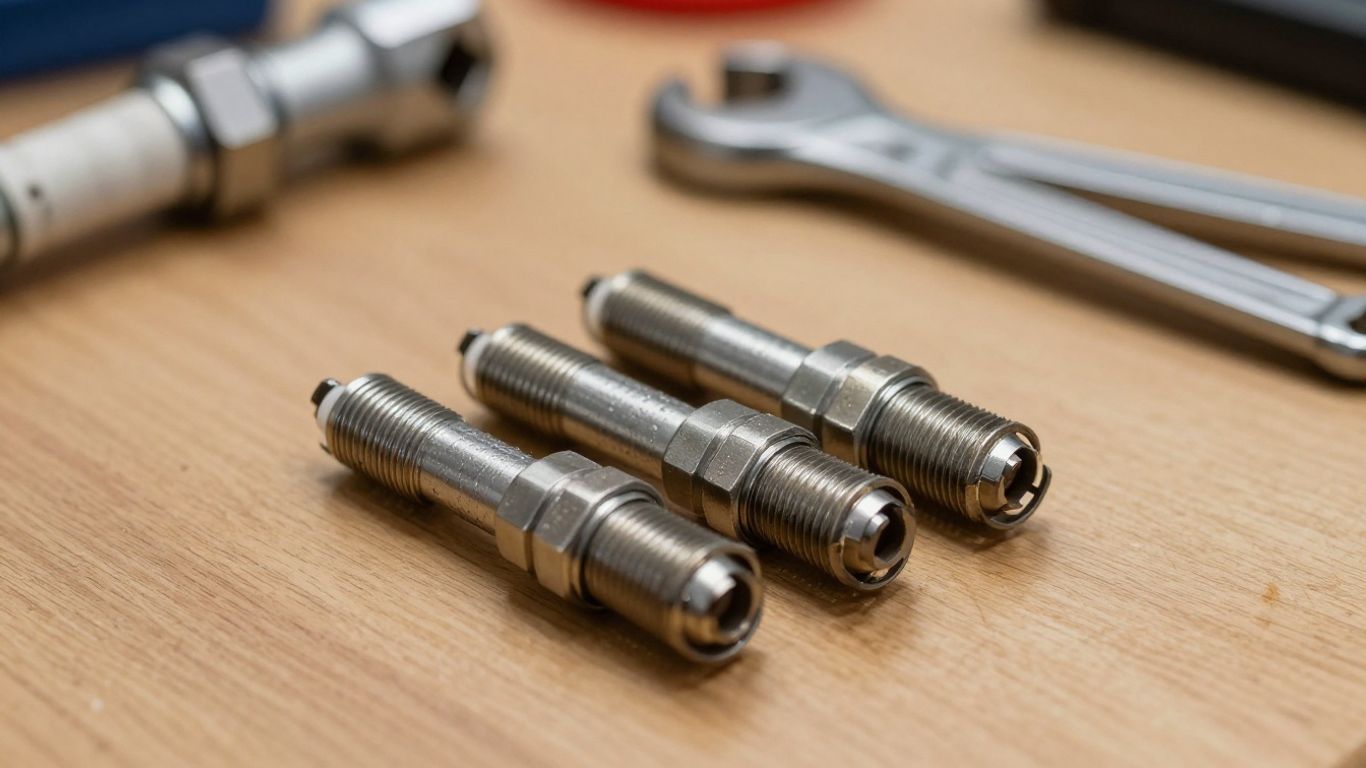
Modern fuel systems require a precise balance of chemistry and mechanics to function correctly. If an engine struggles to turn over or fails to maintain steady operation, the culprit often lies in the delivery of spark or fuel. These systems work in concert to ensure power is generated efficiently and safely.
Inspecting spark plugs and ignition coils
Spark plugs are essentially the heartbeat of your ignition system, firing at thousands of times per minute to ignite the fuel mixture. When they wear down, the engine experiences misfires that rob it of power and comfort. You should periodically remove them to check for electrode wear or heavy carbon buildup.
- Check the gapping on each spark plug carefully.
- Look for signs of oil fouling on the plug tip.
- Inspect ignition coil connectors for signs of heat damage.
- Replace plugs that show visible discoloration or cracked porcelain.
Replacing these components can immediately restore smooth engine operation and improve response during acceleration.
Checking for clogged fuel filters or injectors
Fuel injectors deliver atomized fuel into the engine, but they can become clogged over time, leading to poor performance. A dirty filter will restrict fuel flow, causing the engine to starve under heavy loads or during high-speed driving. Keeping the fuel path clean helps preserve the integrity of your spray pattern.
Testing the fuel pump pressure
The fuel pump drives fuel from the tank to the engine, and if it fails to maintain pressure, your vehicle will struggle to run properly. Testing the pressure requires specific equipment that can be used to compare current outputs against factory standards.
| Component | Normal Pressure Range | Status Indication |
|---|---|---|
| Fuel Rail | 40-50 PSI | Operational |
| Idle Supply | 35-45 PSI | Stable |
| Full Load | 45-55 PSI | High Demand |
If the pressure values fall significantly below these metrics, the pump or a regulator might be failing, which often requires professional hands to resolve.
Addressing overheating and cooling system failures
Heat management is critical for the long-term survival of internal engine components. Coolant circulates through the block to absorb excess energy and dissipate it through the radiator, preventing the warping of sensitive parts.
Monitoring coolant levels and detecting leaks
Low coolant levels are a common indicator that a leak exists somewhere in the cooling loop. Checking the reservoir regularly after allowing the engine to cool prevents the accidental release of pressurized fluid. If you see spots on your driveway, trace them back to the source to avoid a total system failure.
Testing the thermostat and radiator fan operation
A thermostat stuck in the closed position effectively walls off the radiator, trapping hot fluid inside the engine. Concurrently, a radiator fan must trigger at specific temperatures to force air through the fins. Both of these mechanisms are vital for temperature control during heavy traffic.
Inspecting water pump integrity
The water pump is the central mechanical feature that moves fluid. If the internal bearings fail or the impeller shows signs of heavy corrosion, coolant circulation will grind to a halt. At this point, replace the entire pump to avoid future overheating crises.
Dealing with strange engine noises and vibrations
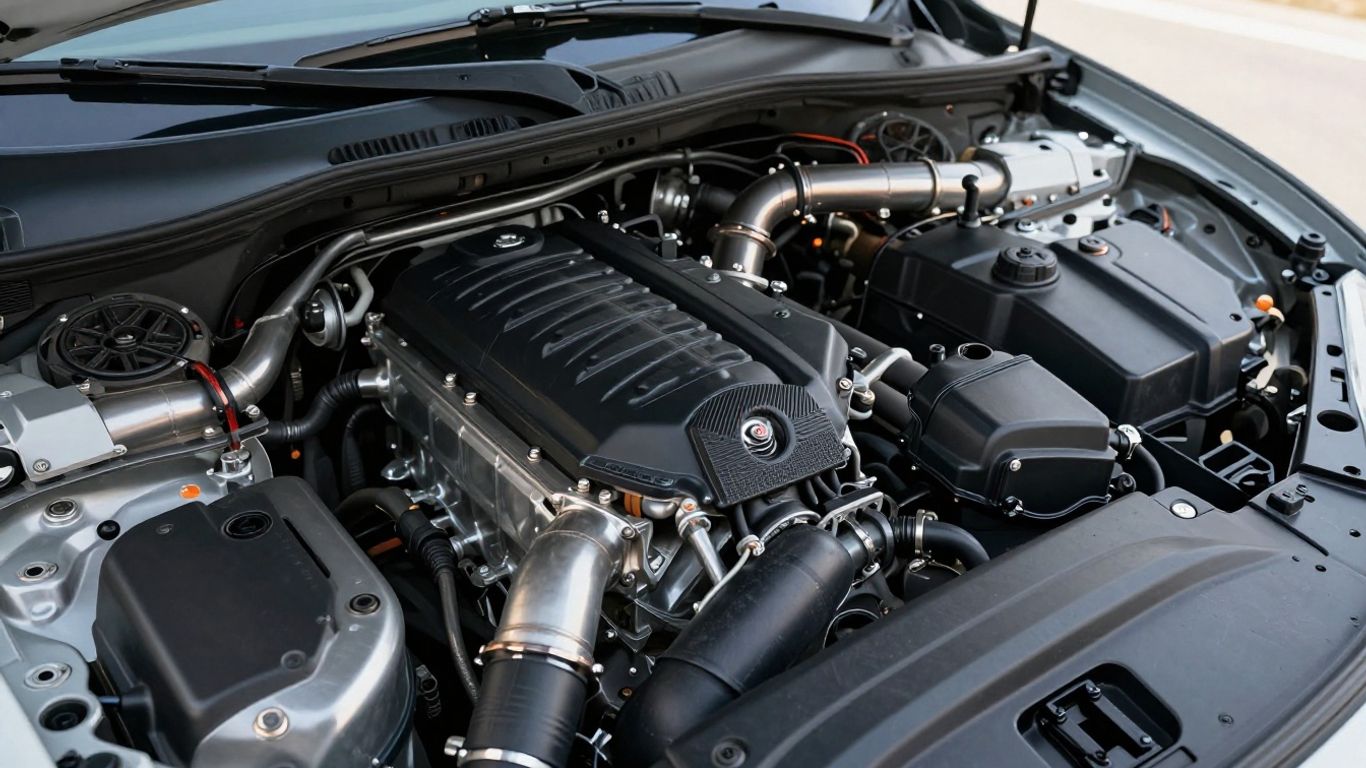
Sounds from the engine often provide the most detailed reports on the internal condition of your vehicle. Mechanical movements create specific frequencies, and when those patterns deviate, it usually signals an issue with internal clearances or component seating. Addressing these early stops the chain reaction of damage.
Diagnosing knocking or mechanical pinging sounds
Deep knocking sounds can indicate severe internal wear, such as damaged rod bearings or an imbalance in the bottom end. Pinging, on the other hand, is often related to timing issues or low-octane fuel usage. Both types of noises require an immediate investigation to pinpoint the location of the impact.
Investigating rhythmic ticking or clicking from the valvetrain
Valvetrain noise is often caused by valves or lifters missing proper oil lubrication or having incorrect clearance adjustments. When you hear a consistent clicking sound that speeds up with engine RPM, it likely points to the upper end of the engine. Driven Racing Oil provides specialized lubricants that can help coat these components to reduce friction and minimize metallic tapping.
Troubleshooting rough idling and intermittent stalling
Rough idling presents as a vibrating steering wheel or uneven engine output while stopped at a red light. This often links back to vacuum leaks or dirty intake sensors, which disrupt the air intake ratios. Smooth idling is an indicator that every intake cycle is happening exactly as intended.
When to seek professional repair services
Sometimes, the complexity of a problem exceeds what can be handled in a home garage. When diagnostics require deep computer interaction, it is time to call in the experts. Ames Ford, for instance, provides the advanced tools necessary to read proprietary controller modules that are often hidden from standard scanners.
Identifying safety risks and dashboard emergency indicators
If your dashboard displays a fire symbol, a blinking transmission light, or an oil pressure warning, do not ignore these signs. Driving with active emergency lights can turn a fixable issue into a total drivetrain replacement. Stop the car and allow the system to be towed rather than risking a dangerous catastrophic breakdown.
Handling complex electrical and sensor failure diagnostics
Electrical gremlins are notoriously difficult to track, requiring deep knowledge of ground loops and wire harnesses. If your issues span multiple subsystems, a technician can trace the signal path more efficiently than guesswork. Relying on professional expertise in these instances protects the integrity of your wiring.
Assessing when a repair requires specialized dealership tooling
Certain jobs, such as updating ECU firmware or calibrating transmission solenoids, demand specialized software that only a dealership can access. If you find yourself needing to reprogram modules, recognize that this is the point where the repair requires a specialized professional environment to ensure the work is calibrated correctly.
Implementing preventative engine maintenance
Prevention remains the most effective form of engine care. By staying ahead of the wear curves, you avoid the stress of sudden failures and maintain the value of your vehicle.
Adhering to manufacturer oil change intervals
Oil changes keep the engine clean by suspending contaminants that would otherwise score cylinder walls. Following the schedule provided in your owner’s manual ensures that the protective additives in the oil are always performing at their peak. For routine work, Christian Brothers Automotive can provide the standardized service required to document your maintenance history accurately.
Cleaning air intake and filtration systems
Air filters prevent fine grit from entering the internal combustion chamber where it could wreak havoc. A clean intake system allows the engine to breathe freely, which keeps power levels consistent and the airflow sensors reporting accurately. Consider swapping your filter whenever you notice excessive dust in your driving environment.
Developing a schedule for routine fluid flushes and inspections
Comprehensive schedules for transmission fluid, brake fluid, and coolant flushes are the cornerstone of a high-mileage vehicle. These fluids break down chemically over time, regardless of how often you drive. Creating a printed calendar or digital reminder helps you track these cycles without relying on memory alone.
Conclusion
Managing your engine health is a continuous process rather than a one-time task. By paying attention to the small details and following through with consistent maintenance, you ensure that your vehicle remains in reliable operating condition for years to come.