Key Takeaways
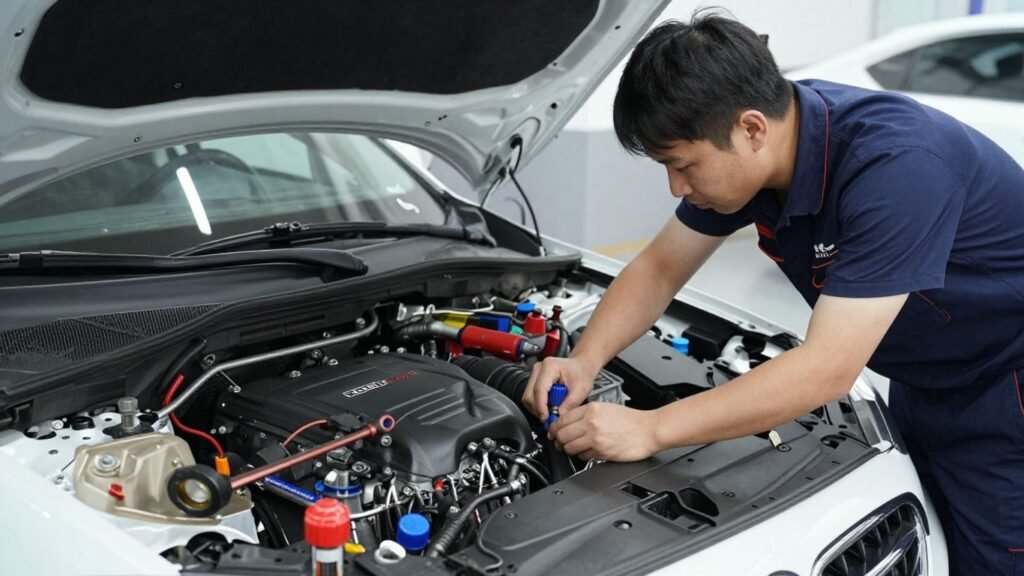
When faced with a failing powerplant, managing engine replacement without the headache requires a blend of methodical planning and honest evaluation of your vehicle’s condition. Follow these essential steps to ensure a smooth transition from a broken vehicle to a reliable daily driver.
- Perform a thorough diagnostic to distinguish between repairable issues and total engine failure.
- Research and choose between remanufactured, crate, or used engine sources based on your specific longevity goals.
- Vet your mechanic through detailed labor estimates and previous project history.
- Budget for mandatory secondary parts, such as hoses and gaskets, to prevent future leaks.
- Follow the manufacturer’s break-in protocols meticulously to protect your significant investment.
Evaluating the need for a full replacement
Deciding to swap an entire engine is a significant decision that requires assessing the overall health of your vehicle beyond just the engine block. You must distinguish between manageable maintenance tasks and a catastrophic failure that renders the current unit beyond saving. A thoughtful approach involves weighing your emotional attachment and the car’s current market value against the reality of an intensive mechanical overhaul.
Distinguishing between major repairs and total failure
Many common symptoms like loud ticking or persistent misfires can occasionally be resolved with a targeted top-end repair or a sensor replacement. If the problem is confined to a specific component like a fuel pump, replacing that single part is almost always the most efficient path. However, when you observe metal shavings in your oil or a cooling system that suffers from catastrophic pressure loss, the issue is likely integrated deeper into the assembly.
Identifying signs of irreparable block or internal damage
When an engine block loses structural integrity, it usually produces audible, rhythmic knocking that signals internal failure. In such scenarios, trying to patch the issue with additive treatments or minor repairs is often a futile waste of resources. Look for these specific indicators when a technician performs a visual inspection of your engine bay.
| Observation | Implication | Expected Outcome |
|---|---|---|
| Metal shavings in oil pan | Internal bearing failure | Immediate replacement |
| Cracked engine block casting | Irreparable structural damage | Full engine swap |
| Persistent overheat seizure | Warped cylinder head/block | Overhaul or replacement |
Mechanics at DriveSafe Diagnostics frequently encounter these indicators when evaluating whether a salvage effort is even worth the time. By recognizing these signs early, you avoid pouring money into a failing core that will never regain peak performance.
Calculating the cost-benefit analysis of replacement versus car purchase
Before you commit to the project, compare the total expense of the swap against the realistic resale value of your vehicle. If the project costs reach or exceed 75 percent of the car’s current worth, consider how many years of service you expect to get from it after the installation. You want to ensure that the long-term reliability and performance of the vehicle will justify the upfront costs you incur.
Selecting the right engine source
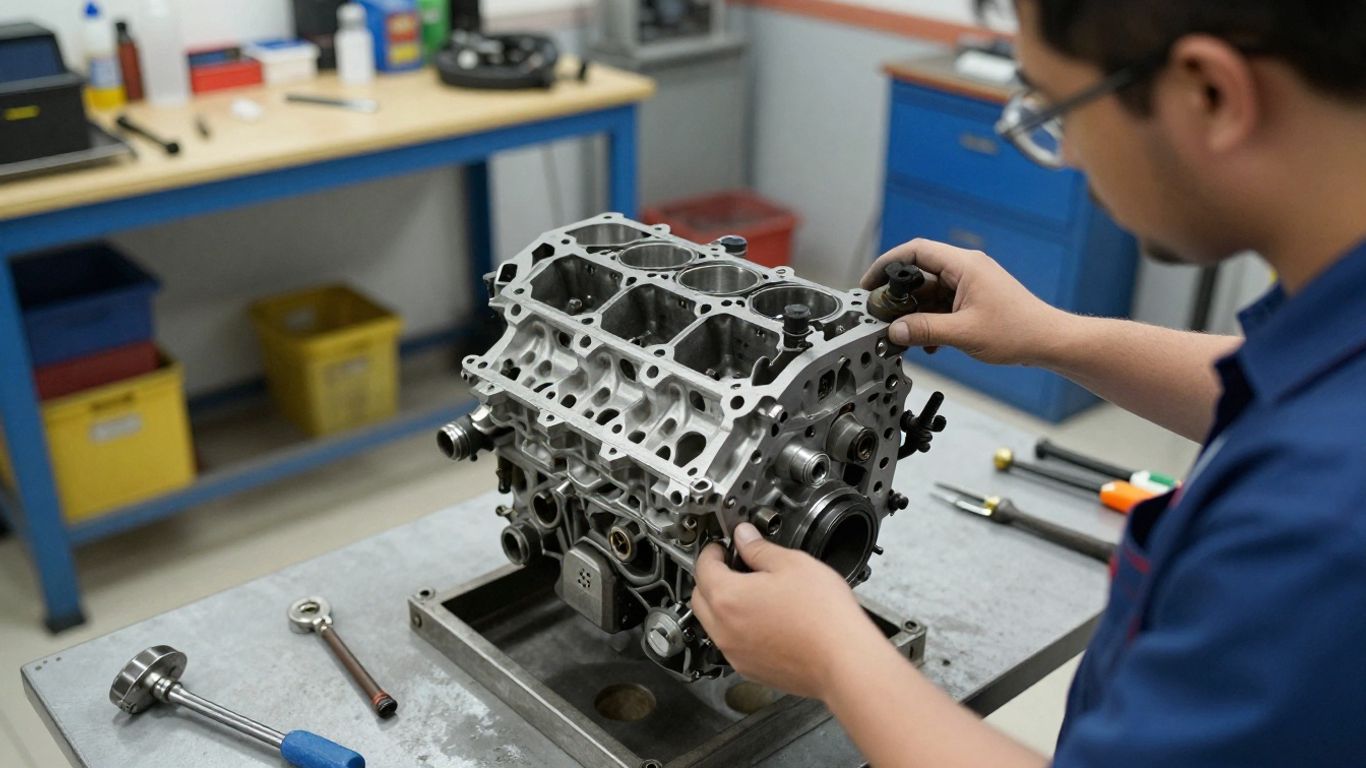
Selecting the correct engine source is arguably the most critical technical step in managing this transition successfully. You have the choice of factory-backed components or pre-owned units, each offering different levels of convenience and cost savings for your specific situation. Careful vetting of the source ensures that the heart of your vehicle functions as intended for thousands of miles to come.
Pros and cons of remanufactured versus crate engines
Remanufactured units from providers like Apex Engine Components often present a middle ground, offering rebuilt assemblies that meet original performance standards. Crate engines, conversely, provide a brand-new experience but come with a much higher price tag that may strain your finances. Weigh the desire for a completely fresh start against the potential cost savings of a verified remanufactured alternative.
Navigating the risks and benefits of used pull-out motors
Used pull-out motors can be an attractive option for those looking to save money, provided the donor vehicle has a documented history. You run a higher risk with these units since internal wear is often hidden despite the exterior appearing clean and well-maintained. Thoroughly vet the salvage history to ensure you are not buying a unit that was pulled due to catastrophic failure just like your own.
Verifying warranty coverage and manufacturer documentation
Always demand serialized documentation for any engine you purchase to confirm its origin and specifications. A legitimate warranty from the manufacturer provides peace of mind that protects you if the unit suffers from an early-life failure or defect. Without this paper trail, you are essentially gambling on the quality of a major mechanical component that could fail shortly after installation.
Vetting a reputable repair shop
Finding a partner for your engine swap involves more than just picking a name from a local business directory. You need to identify a technician who approaches engine removal and installation as a routine professional task rather than a experimental learning project. Transparency in both communication and technical methodology is the hallmark of a high-quality repair facility.
Finding mechanics specialized in engine swap procedures
Look for shops that highlight specific experience with your vehicle make and model during the initial inquiry phase. These specialists are more likely to have the proprietary tools and software needed to properly initialize the electronic control units after a swap. Specialized shops often have a rhythm to these procedures that ensures they finish the work efficiently.
Requesting detailed labor estimates and diagnostic transparency
Insist on a comprehensive labor estimate that itemizes every step of the installation process. Clear communication at this stage prevents surprises when the bill arrives, especially when unforeseen complications arise during the disconnect phase. A trustworthy shop will be happy to explain exactly why specific fluids or minor hardware components need to be replaced as part of their standard procedural package.
Assessing shop credibility through historical project reviews
Reviewing past projects helps you understand how the shop handles the inevitable challenges of complex mechanical work. If they are willing to share photos or status updates from ongoing swaps, it shows they have confidence in their process. Do not hesitate to ask for references if the shop is new to your area or if the job is particularly unique.
Establishing a realistic budget
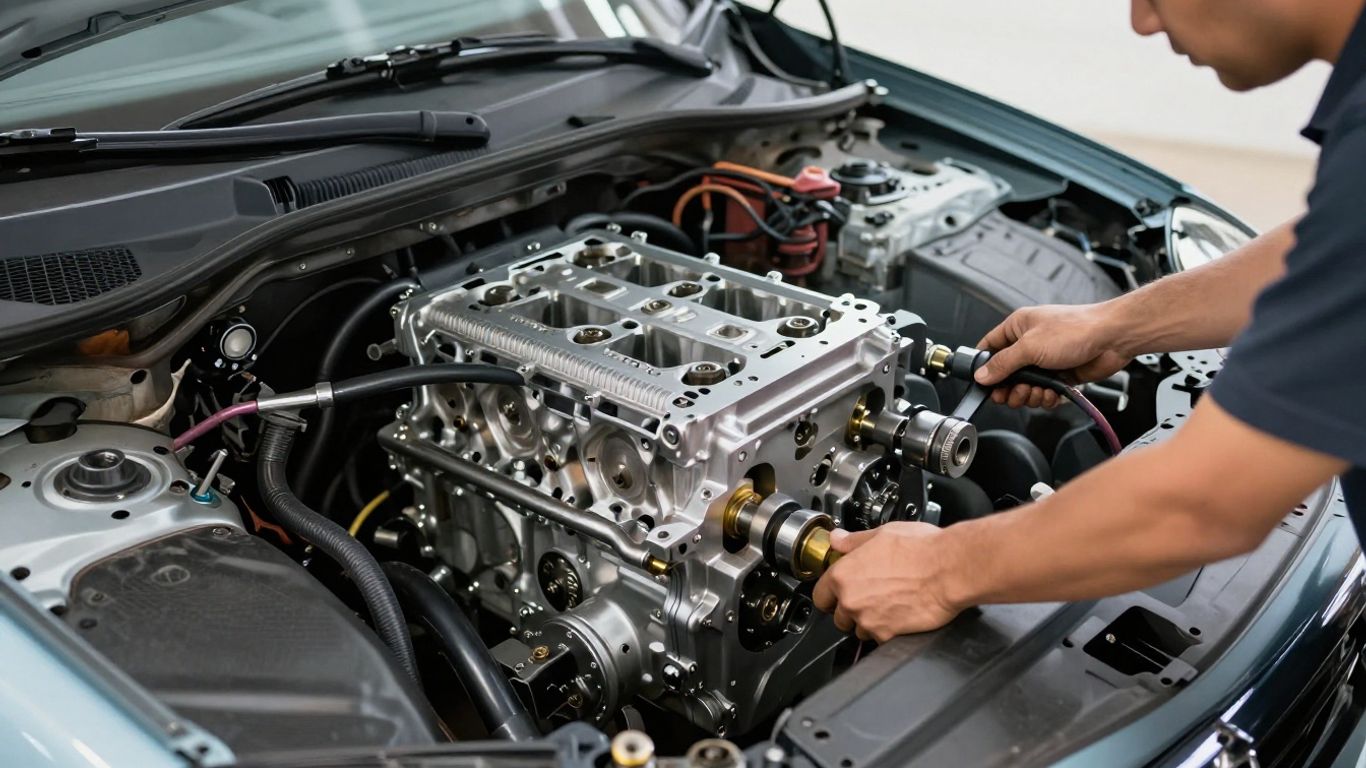
Establishing a budget requires accounting for the engine itself, the labor, and the critical secondary parts that are often overlooked until the engine bay is already opened. Failing to allocate enough funds for these hidden costs often causes the most frustration during a repair project. A structured budget acts as your financial guardrail, ensuring you don’t stall midway because of missing hardware.
Accounting for secondary parts and fluids during installation
When a shop pulls your engine, it is the perfect time to replace components like the timing belt, water pump, and radiator hoses. These items are often inexpensive when bought alongside the labor charges of the engine swap itself. Precision Flow Injectors can provide critical fuel system components that ensure the new engine runs efficiently without starving for fuel under load.
Incorporating buffer funds for unforeseen mechanical complications
Mechanical projects rarely stick perfectly to the initial estimate because of the hidden realities found once old parts are removed. A standard 15 percent buffer should be added to your total anticipated cost to handle unexpected broken bolts or additional wiring repairs. This financial cushion allows you to make necessary decisions quickly without requiring additional approvals or project stoppages.
Deciding on performance upgrades while the engine bay is open
Since the labor is already invested in opening the engine bay, some owners choose to add simple performance or reliability upgrades. Whether it is an improved air intake or reinforced mounts, these choices should be made with a clear goal in mind. Keep in mind that additions might influence your warranty, so confirm with your builder before adding aftermarket performance parts.
Managing the installation logistics
Coordinating the flow of parts and shop time requires proactive management to ensure the project stays on schedule. You should act as a bridge between the engine supplier and your chosen mechanic, ensuring that everything arrives together on the scheduled day. A well-organized supply chain reduces the time your vehicle spends sitting on a lift, which helps lower your final labor costs.
Coordinating parts delivery and shop scheduling
Start by confirming the engine’s shipping lead times and then book your bay space at the repair shop accordingly. Most mechanics appreciate if you handle the scheduling details so they can focus on the hands-on work of the swap. A firm schedule provides accountability that keeps everyone moving toward the finish line.
Establishing clear communication channels with your service technician
Agree on a preferred method of communication before work begins, such as daily end-of-day email updates or a quick phone call. Being available to make quick decisions regarding discovered issues ensures that the shop doesn’t have to pause their workflow. A helpful technician would rather have a short discussion than guess how you want to handle unexpected complications.
Preparing for inevitable project delays and supply chain issues
Even with the best planning, shipping errors or missing small parts can interrupt a swap project. Accept that these delays are part of the process and prioritize patience over rushing the assembly process. Keep your expectations grounded and focus on the quality of the final result rather than the exact day the keys are returned to your hand.
Post-installation testing and break-in protocols
Once the engine is mounted and the fluids are filled, the process of verifying a perfect install begins through rigorous testing and observation. Following specific break-in protocols is vital because it allows the internal seals and moving parts to seat properly under controlled stress. Your care during this initial phase will directly influence the overall longevity and reliability of your new power unit.
Understanding the importance of the mandatory break-in period
The mechanical components within a fresh engine require gradual adjustment to thermal cycles and operating pressures to ensure long-term integrity and seal performance.
Avoid heavy loads or high-RPM driving during the first few hundred miles to allow all parts to reach an ideal operating state. This period is not optional, as it defines the longevity you will obtain from the unit. Think of it as a brief investment into the health of the engine that will prevent premature failures later.
Scheduling necessary follow-up inspections after the first 500 miles
Return the vehicle to the shop after the initial break-in period for a professional follow-up inspection. The goal is to check for initial oil leaks, ensure fluid levels are correct, and verify that no sensor errors have triggered. This quick check verifies that the high-stress environment of the road hasn’t loosened any connections or shifted any internal gaskets during the first weeks of operation.
Implementing a rigorous maintenance schedule for the new powerplant
Establishing a fresh maintenance routine is the best way to safeguard your investment for the next several years of driving. Start by adopting an aggressive oil change interval to ensure any microscopic debris from the break-in process is removed promptly. By maintaining this discipline, you ensure the engine operates as smoothly as the day it was installed.
Conclusion
Swapping an engine is a major undertaking that rewards thorough research and clear communication with your mechanical team. By methodically vetting your engine source, setting an appropriate budget, and adhering to strict break-in protocols, you turn a potential ordeal into a successful automotive renewal. Armed with these strategies, you can approach the process with confidence, knowing you have minimized the risks and optimized the performance of your vehicle for years of continued service.