Key Takeaways
Finding a suitable replacement motor for your vehicle requires careful research and systematic verification of parts. This guide outlines the essential steps to ensure you choose a reliable unit.
- Inspect mechanical components for signs of extreme wear.
- Always prioritize obtaining complete service documentation.
- Verify engine compatibility with your chassis and ECU.
- Choose suppliers who offer clear warranty terms and support.
- Calculate the total cost including freight and installation labor.
Assessing the mechanical condition of used Nissan Patrol engines
When you are in the market for a second-hand engine, the engine’s physical state acts as a primary indicator of its remaining service life. Thorough checks at the start prevent costly surprises after the motor is already bolted into your chassis. Look past superficial cleaning to see how the engine truly functioned before it was pulled from service.
Identifying common wear and tear indicators
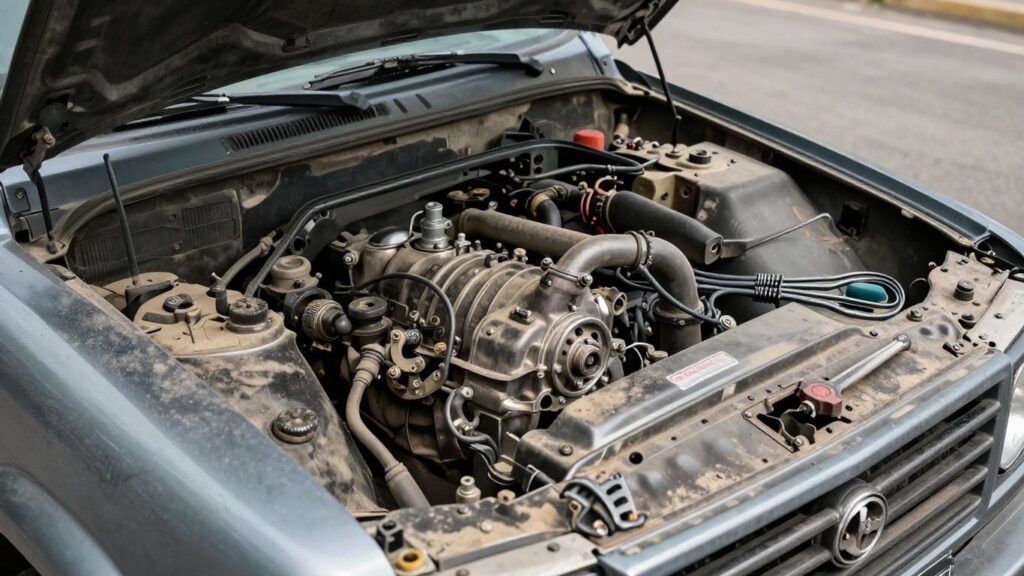
Inspect the exterior block for signs of heavy oil leaks or localized heat damage around the manifold areas. High-mileage units often exhibit worn seals, which could necessitate a full reseal before you even attempt to fit the motor. You should also check the intake manifold for significant carbon buildup, which might signal poor maintenance in the engine’s previous life.
Evaluating the importance of service logs and maintenance history
Service logs function as the primary record of how well a particular unit was cared for throughout its operational life. A clean, consistent history suggests the internal components have likely been lubricated and serviced at appropriate intervals. Without this paperwork, you are essentially gambling on the condition of the internal bearings and piston rings.
Conducting compression tests and external diagnostic checks
Performing a compression test provides the clearest data on the internal health of the cylinders. This test measures the ability of different sections to hold pressure properly. The following table provides a rough expected range for compression values in healthy diesel engines:
| Observation | Pressure Result | Assessment |
|---|---|---|
| Stable PSI | 350-400 PSI | High efficiency |
| Minor leakage | 300-340 PSI | Acceptable wear |
| Severe drop | Below 250 PSI | Needs overhaul |
After documenting your compression results, you can decide whether the engine meets the performance expectations for your daily driving or off-road requirements.
Determining specific engine compatibility for your Patrol
Ensuring the engine you buy aligns perfectly with your existing vehicle architecture is critical for a smooth installation process. A mismatched unit creates significant work for any technician attempting to bypass internal system conflicts.
Matching engine codes to your chassis model year
Every vehicle chassis is engineered to interface with specific engine variations based on the build year. Checking the engine block code against your handbook identifies whether the mount points and accessory drives align with the factory setup. You should aim to source an engine that shares the same production series to avoid custom modification requirements.
Understanding the differences between TD42 and ZD30 variants
These engine platforms serve separate purposes within the Nissan vehicle lineup. The TD42 is recognized for its durable cast iron construction and simplicity, often preferred by owners seeking long-term reliability. Conversely, the ZD30, when updated properly, provides a different power delivery profile designed for modern driving efficiency. Recognizing which variant your chassis natively supports is non-negotiable for success.
Navigating potential integration issues with factory ECU systems
Swapping an engine often requires the existing factory ECU to communicate correctly with new sensors or fuel management components. If the generation gap between the ECU and the engine is too wide, you will face complications with ignition timing or fuel rail pressure regulation. Consult with a qualified specialist before finalizing your purchase to ensure your electrical systems are compatible.
Finding reputable engine suppliers in Caboolture
Sourcing parts locally simplifies the transport process and allows you to inspect potential replacements before committing to a final purchase. Focus on businesses that specialize in specific Japanese vehicle models, as their staff will have deeper experience with the quirks of these particular rigs.
Vetting local wreckers and specialized auto recyclers
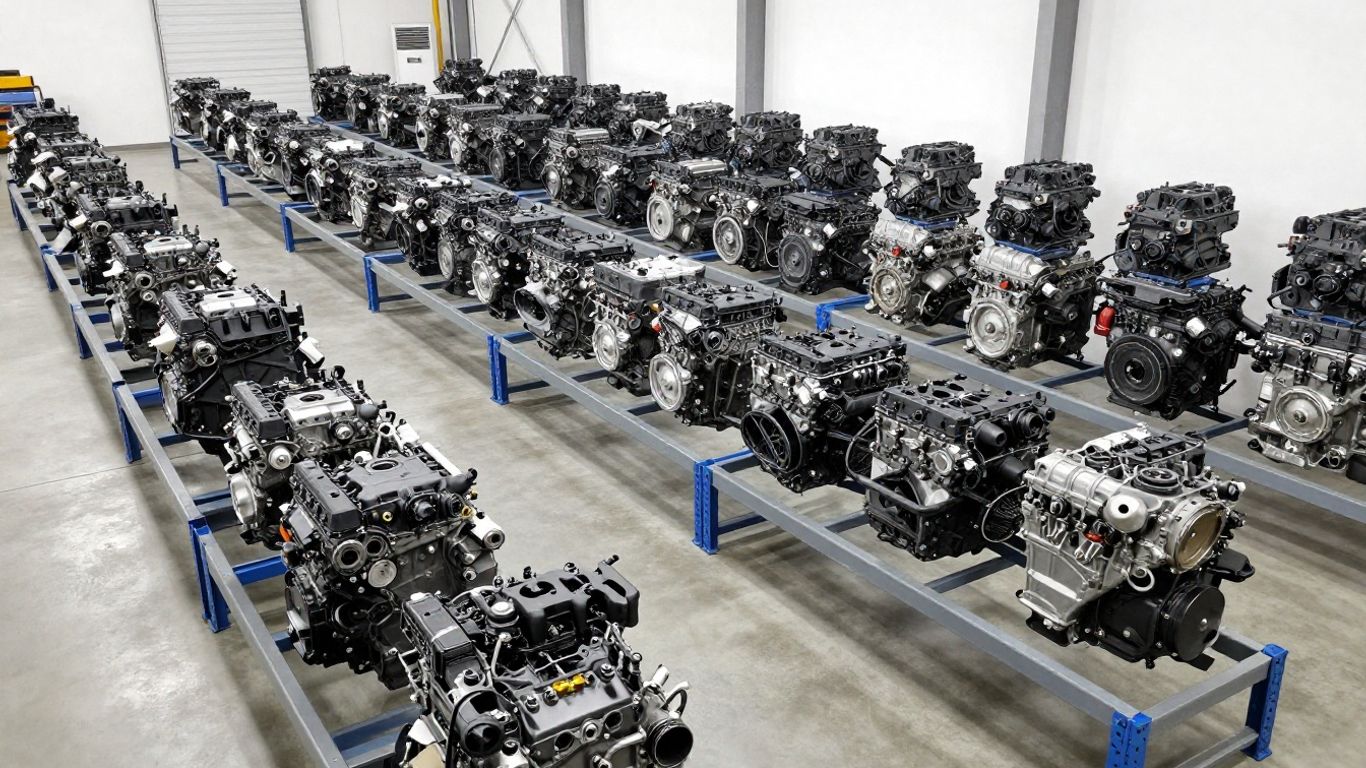
Not every business that keeps auto salvage on-site is prepared to grade mechanical components correctly. Look for facilities that run inventory tagging systems, which track the origin and known mileage of every unit they pull. You want to avoid unmanaged scrap heaps where components are exposed to weather for long periods.
Verifying business licenses and scrap metal registrations
Check that the company operates under current trade regulations within Queensland. Legitimate recyclers maintain an active business presence and possess the necessary scrap metal registrations, which often signifies they are compliant with environmental handling requirements for oil and chemicals. A professional operation is far more likely to stand behind the quality of the machinery they sell.
Leveraging community reviews and Facebook group recommendations
Local automotive enthusiast groups often identify the most helpful wreckers through shared experience. Use these platforms to see which suppliers have a reputation for transparency regarding the condition of their stock. Many enthusiasts will provide direct feedback about their interactions with local sellers, which helps you narrow down where to shop.
Evaluating warranty options and post-purchase support
Secure, reliable warranties are the best defense against unforeseen failure in a used component. You need to understand exactly what is covered and what conditions might void the protection you paid for. The following list outlines critical checkpoints for your warranty documentation:
- Confirm that moving internal parts are covered for the expected period.
- Ask if the warranty covers replacement labor costs if a fault occurs.
- Check if specific installation tasks must be performed by a professional.
- Keep detailed receipts of all fluids and filters used during the swap.
Distinguishing between parts-only and labor-included warranties
Most sellers offer a baseline parts-only guarantee that covers the block or head if they arrive defective. However, a labor-included warranty is much rarer and provides significantly better protection for your overall investment. Be prepared for a higher purchase price in exchange for this added peace of mind.
Understanding the limitations of standard used-part guarantees
Remember that these guarantees do not cover accessories like injectors, alternators, or water pumps unless they are explicitly itemized. Sellers almost always explicitly exclude "ancillary equipment" from their standard coverage terms. You should plan to replace those items independently to avoid future headaches.
Essential steps for reporting and returning faulty components
If you discover an issue, inform the supplier immediately before attempting any unauthorized repairs. Many warranties are voided if the engine has been disassembled or modified without prior consent. Follow their reporting protocol exactly to ensure you remain eligible for a refund or a replacement unit.
Logistics of local engine procurement and installation
Moving a heavy engine block into your workspace requires a clear plan for loading, transport, and unloading. Even with local pickup options, the weight of the assembly demands appropriate equipment to avoid injury or damage.
Assessing delivery options across the Caboolture region
Many suppliers maintain their own delivery vehicles capable of handling the weight of a complete engine assembly. If your workspace lacks a forklift or hydraulic lift, choosing a supplier who offers safe tilt-tray delivery can save you immense effort. Getting the unit moved from the depot to your floor safely is the most physically taxing part of the swap.
Preparing your garage or workshop for a vehicle engine swap
Your workspace needs enough clearance for an engine crane to move freely around your Patrol. Ensure your floor is level and cleaned of debris to keep mechanical parts free from contamination. Organizing your workspace with a clear area for mapping vacuum lines and electrical harnesses will help keep the project on track.
Comparing the costs of professional freight versus local collection
Local collection allows you to physically verify the condition of the engine at the point of sale, potentially saving you costs on shipping fees. Freight services, while convenient, require strict insurance coverage to protect against mishandling during transit. Weigh the cost of fuel and trailer rental against the convenience of a door-to-door delivery service.
Conclusion
Securing a used Nissan Patrol engine involves a combination of mechanical due diligence and careful logistics. By confirming compatibility, choosing a reputable supplier in Caboolture, and documenting your installation process, you position yourself for a successful vehicle revival. Take your time to verify all details before finalizing the swap, and you will enjoy many more reliable miles on the track.