Engines Australia

Author name: Devteam

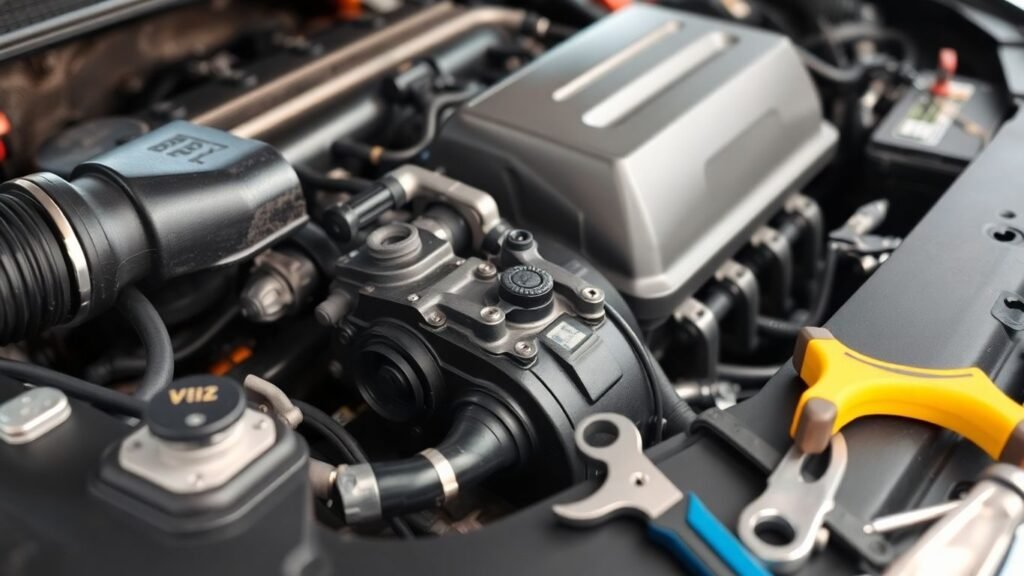
Car engine and repair tools
Blog

Essential Engine Maintenance and Repair Tips Every Car Owner Needs

Keeping your car’s engine in good shape is super important. It’s not just about avoiding a breakdown on the side of the road, though that’s a big plus. Regular engine maintenance and repair tips for car owners can actually save you money in the long run and help your car run better. Think of it like going to the doctor for a check-up; it’s better to catch small things before they become big, expensive problems. We’ll go over some straightforward advice to help you keep your engine humming along smoothly. Key Takeaways Regularly changing your engine oil is a big deal. It keeps all the moving parts lubricated and prevents gunk from building up, which can seriously damage your engine over time. Don’t forget about your coolant! Keeping an eye on your engine coolant levels prevents overheating, especially when it’s hot out. Just make sure the engine is cool before you check it. Your engine needs to breathe, so keeping the air filter clean is a simple way to help your car run more efficiently and last longer. Things like spark plugs, serpentine belts, and differential fluids might sound complicated, but they’re important for your engine’s power and overall function. Get them checked when your car manual says to. Seasonal changes can affect your car. Batteries can struggle in extreme cold, and having the right tires for winter can make a huge difference in safety and performance. Understanding Your Engine’s Vital Fluids Think of your car’s fluids like the blood in your own body. They keep everything running smoothly and prevent serious problems. Ignoring them is like holding your breath – not a good long-term strategy. Let’s break down the key ones you need to keep an eye on. The Importance of Regular Oil Changes Engine oil is the lifeblood of your engine. It does a bunch of jobs: it lubricates all those moving metal parts so they don’t grind against each other, it helps seal things up to keep dirt out, it carries away heat, and it even helps prevent rust. Over time, oil gets dirty. It picks up gunk and metal bits from inside the engine, and it can even break down. If you don’t change it, that dirty oil can clog up passages and cause parts to wear out way faster than they should. Plus, your engine actually burns a little oil, so the level can drop. Low oil is a fast track to major engine damage. Check your oil level at least once a month. Pull out the dipstick, wipe it clean, stick it back in, pull it out again, and check the level. It should be between the ‘min’ and ‘max’ marks. Follow your car’s manual for oil change intervals. Some cars can go 5,000 to 10,000 miles between changes, especially with synthetic oil. Others might need it sooner, maybe every 3,000 to 5,000 miles. Don’t forget the oil filter. It needs to be changed with the oil to keep the new oil clean. Running your engine with old, dirty oil is one of the quickest ways to shorten its life. It’s a simple maintenance task that pays off big time in the long run. Monitoring Your Engine Coolant Levels Your engine gets hot when it runs, and coolant is what keeps it from overheating. It circulates through the engine, absorbing heat, and then goes to the radiator to cool down. If your coolant level gets too low, your engine can overheat, and that can cause some really expensive damage, like a warped cylinder head. It’s also important to know that coolant is a mix of antifreeze and water, and it has special properties to prevent freezing in the winter and boiling in the summer. Never check coolant when the engine is hot. Wait for it to cool down completely. Opening a hot system can cause hot fluid to spray out, which is dangerous. Also, adding cold fluid to a hot engine block can potentially crack it. Look for leaks. Check under your car for any puddles or stains that look like coolant (often brightly colored – green, orange, or pink). Top it off if needed. Use the correct type of coolant specified in your owner’s manual. Don’t just use water, especially in freezing temperatures. Transmission Fluid and Its Role Whether you have an automatic or a manual transmission, it has fluid. This fluid is like the oil for your transmission’s gears and other parts. It lubricates them, cools them down, and in automatic transmissions, it’s also used to engage the gears. If the fluid is low or dirty, your transmission can start to slip, shift roughly, or even fail completely. Replacing a transmission is one of the most expensive repairs you can face. Check your owner’s manual for the recommended service interval. This can vary a lot depending on your car and how you drive. Automatic transmissions often have a dipstick. Check it when the engine is warm and running, usually in Park or Neutral (check your manual!). Manual transmissions might require a mechanic to check. The fill plug is often on the side of the transmission case. Fluid Type Primary Function Engine Oil Lubrication, cooling, cleaning, sealing Engine Coolant Temperature regulation (prevents overheating/freezing) Transmission Fluid Lubrication, cooling, hydraulic pressure (automatics) Essential Air and Fuel System Checks Your car’s engine needs a steady supply of clean air and the right amount of fuel to run smoothly. Ignoring these systems can lead to all sorts of problems, from a sluggish ride to serious engine damage. Let’s break down what you need to keep an eye on. Keeping Your Air Filter Clean The air filter is like your engine’s lungs. It stops dirt, bugs, and other junk from getting into the engine where they can cause wear and tear. A dirty air filter means your engine is struggling to breathe, which can hurt your gas mileage and make it run rough. You should check your air filter regularly, and most owners’ manuals suggest changing it

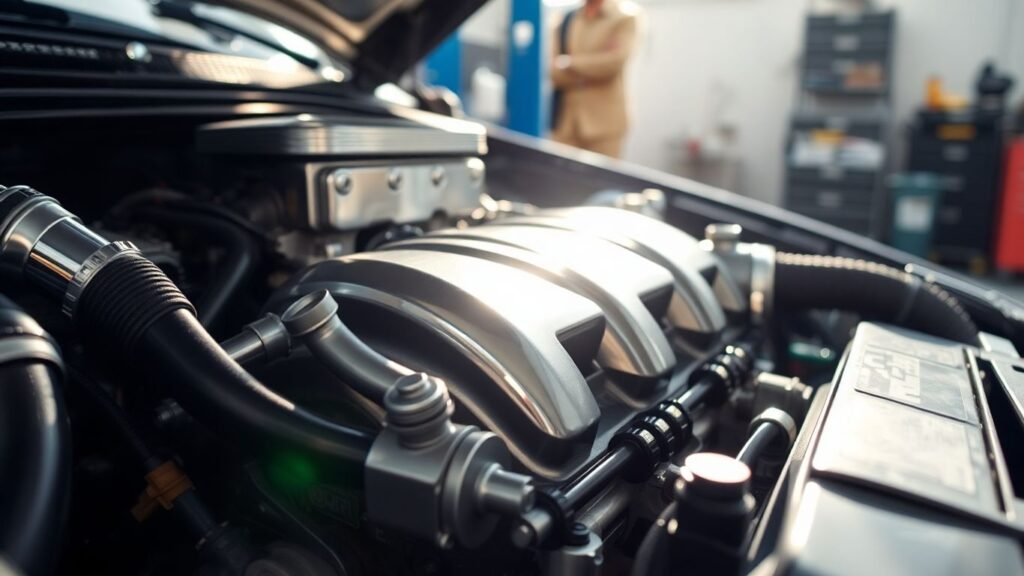
Car parts and mechanic in workshop.
Blog

Find High-Quality Auto Spare Parts for All Car Brands at [Your Store Name]

Finding the right parts for your car shouldn’t be a headache. Whether you’re driving a trusty Japanese sedan, a sleek European import, or a rugged Korean SUV, getting high-quality auto spare parts for all car brands is what we’re all about. We know how important it is to keep your vehicle running smoothly, and that’s why we’ve put together a huge selection of parts, from the engine to the little bits inside. Plus, we make it super easy to find what you need, right from your computer. Key Takeaways We stock a massive variety of auto parts for nearly every car brand out there, covering everything from major engine components to smaller interior pieces. You can choose between original manufacturer parts or reliable aftermarket options to fit your needs and budget. We focus on providing dependable parts for popular Japanese and Korean vehicles like Toyota, Nissan, and Mitsubishi, as well as premium options for European cars like Audi and Lexus. Our goal is to offer these quality parts at fair prices, thanks to strong relationships with suppliers, and we often have discounts for our loyal customers. Shopping with us is simple with our easy-to-use online catalog, quick ordering, and secure payment options, all backed by worldwide shipping to get you the parts you need, fast. Extensive Selection of High-Quality Auto Spare Parts for All Car Brands Finding the right parts for your car can sometimes feel like a treasure hunt, right? We get it. That’s why we’ve put together a massive inventory that covers pretty much every make and model you can think of. Our goal is to be your one-stop shop for all things automotive. Whether you’re driving a trusty Japanese sedan, a zippy Korean hatchback, or a sophisticated European cruiser, we’ve got you covered. We know that not all parts are created equal. That’s why we offer a mix of options to fit your needs and budget. You can find genuine manufacturer parts, which are made to the exact specifications of your car. Or, if you’re looking for a more budget-friendly choice that still meets high standards, we have plenty of quality aftermarket parts available too. It’s all about giving you choices that make sense for your vehicle. Here’s a quick look at what we stock: Japanese & Korean Brands: Think Toyota, Honda, Nissan, Mitsubishi, Kia, and Hyundai. These cars are known for their reliability, and we help you keep them that way. European Models: We also carry parts for popular European makes like Volkswagen, BMW, Mercedes-Benz, and Audi. Keeping that German engineering running smoothly is our priority. American Classics: Don’t forget about American muscle and everyday drivers! We have parts for Ford, Chevrolet, and more. We work hard to source parts from reputable suppliers worldwide. This means you get reliable components without breaking the bank. Our relationships with these suppliers allow us to offer competitive pricing, making it easier for you to maintain your vehicle. It doesn’t matter if you’re a DIY mechanic or just need a specific component to get your car back on the road, our extensive catalog is designed to make your search simple. You can explore our ACDelco parts and many other brands with ease. Reliable Parts for Popular Japanese and Korean Car Brands When it comes to keeping your Japanese or Korean ride running smoothly, finding the right parts is key. These cars are known for their dependability, but even the toughest vehicles need a little TLC now and then. We get it – you want parts that fit perfectly and last. That’s why we’ve stocked up on a wide variety of components specifically for popular makes like Nissan, Mitsubishi, Toyota, Kia, and Hyundai. Nissan Parts for Optimal Performance Nissan vehicles are built to perform, and using the correct parts makes all the difference. Whether you’re looking for something for a rugged Pathfinder, a versatile X-Trail, or a sporty 350z, we’ve got you covered. We aim to provide parts that help maintain that signature Nissan driving experience, keeping your car reliable on the road. Mitsubishi Parts for Durability Mitsubishi has a long history of making tough, dependable cars. From the well-loved Pajero to the capable Outlander, these vehicles are designed to go the distance. When it’s time for a replacement part, you want something that matches that original durability. We offer a good selection of parts to keep your Mitsubishi going strong, no matter where your adventures take you. Toyota Parts: A Symbol of Reliability Toyota is practically synonymous with reliability. It’s a brand that many trust for its longevity and consistent quality. If you own a Toyota, you know how important it is to keep it in top shape. We carry a broad range of parts for various Toyota models, helping you maintain the dependability you expect from your vehicle. Getting the right part quickly can prevent bigger issues down the line. Kia Parts for Everyday Drivers Kia has made a huge name for itself, offering stylish and practical vehicles for everyday life. Models like the Sportage and Rio are everywhere, and for good reason. They offer great value and performance. When a part needs replacing, we make it easy to find what you need to keep your Kia running as it should, without any fuss. Hyundai Parts for Value and Performance Similar to Kia, Hyundai cars are popular for their blend of modern features, solid build quality, and affordability. Whether it’s a compact Elantra or a family-friendly Sorento, keeping these cars in good condition is important for their long-term performance. We provide access to a wide array of Hyundai parts, helping you maintain your vehicle’s integrity and driving comfort. Premium Spare Parts for Luxury and Mainstream European Cars When it comes to European cars, especially the luxury and performance models, finding the right parts can sometimes feel like a treasure hunt. These vehicles, known for their advanced engineering and refined driving experience, require specific components to maintain their peak condition. We understand this need and stock a wide array

Affordable car engine replacement solutions
Blog

Discover Affordable Vehicle Engine Replacement Solutions Near You

Your car’s engine is a big deal, and when it starts acting up, it can be a real headache. You might be wondering about the cost of getting it fixed or replaced. Luckily, there are ways to find affordable vehicle engine replacement solutions without breaking the bank. This guide will walk you through how to spot engine problems, explore different replacement options, find good mechanics, understand costs, and what to expect during the process. Key Takeaways Pay attention to warning signs your engine is giving you, like strange noises or reduced power. Consider different engine types: remanufactured for value, used for budget, or new for long-term use. Look for local repair shops with good reviews and ask about their experience with engine work. Always get a few price quotes before agreeing to any engine service. Follow recommended maintenance after getting a new engine to keep it running well and honor any warranty. Understanding Your Engine’s Needs Your car’s engine is its heart, and like any vital organ, it needs attention. Sometimes, it sends out signals that something isn’t quite right. Ignoring these signs can turn a small issue into a major, expensive problem down the road. It’s really about being aware and knowing when to get things checked out before they get out of hand. Recognizing Signs of Engine Trouble Cars are pretty good at telling us when they’re not feeling their best. You just have to listen and observe. Some common indicators that your engine might be struggling include: Unusual Noises: This could be anything from knocking or pinging sounds when you accelerate to grinding or squealing when you start up or turn. Don’t just turn the radio up; try to pinpoint where the sound is coming from. Warning Lights: That little check engine light on your dashboard isn’t just for decoration. It means the car’s computer has detected a problem, and it’s worth investigating. Performance Changes: Is your car suddenly sluggish? Does it feel like it’s losing power, especially on hills? Is it stalling or having trouble starting? Fluid Leaks: Puddles under your car are never a good sign. Different colored fluids can indicate different issues, like oil, coolant, or transmission fluid leaks. Smoke or Smells: Smoke coming from the exhaust (especially if it’s blue, white, or black) or unusual smells like burning oil or rubber are definite red flags. Paying attention to these subtle (and not-so-subtle) cues can save you a lot of headaches and money in the long run. It’s like knowing when you need to see a doctor – the sooner, the better. The Importance of Regular Engine Diagnostics Think of engine diagnostics like a regular check-up for your car. Even if everything seems fine, a professional diagnostic can catch potential issues before they become serious. Modern cars have complex computer systems that monitor everything. A diagnostic scan uses special tools to read error codes from the car’s computer, giving technicians a clear picture of what’s going on internally. Here’s why it’s a good idea: Early Problem Detection: It can identify issues with sensors, emissions systems, or other components that might not be causing obvious symptoms yet. Preventative Maintenance: Catching small problems early can prevent them from leading to bigger, more costly repairs, like a blown head gasket or complete engine failure. Optimizing Performance: Diagnostics can help ensure your engine is running as efficiently as possible, which can save you money on fuel. Emissions Testing: Regular checks can help make sure your car is meeting environmental standards and passing emissions tests. Common Engine Performance Issues Engines can develop a variety of problems that affect how they run. Some of the most common ones include: Misfires: This happens when one or more cylinders don’t ignite the fuel properly. You might feel a rough idle, loss of power, or even see the check engine light flash. Overheating: If your engine temperature gauge climbs too high, it can cause serious damage. This is often due to problems with the cooling system, like a leaky radiator or bad thermostat. Fuel System Problems: Issues with the fuel pump, fuel injectors, or fuel filter can lead to poor acceleration, stalling, or difficulty starting. Ignition System Faults: Problems with spark plugs, ignition coils, or wires can cause misfires and affect overall engine performance. Air Intake Issues: A dirty air filter or problems with the mass airflow sensor can restrict airflow to the engine, reducing power and efficiency. Exploring Affordable Engine Replacement Options When your car’s engine starts acting up, it can feel like a huge problem, and often, the first thought is a massive bill. But it doesn’t always have to be that way. There are several ways to get your engine sorted without breaking the bank. Let’s look at the main choices you’ve got. Remanufactured Engines: A Cost-Effective Choice A remanufactured engine, sometimes called a ‘reman’ engine, is a used engine that has been completely taken apart, cleaned, inspected, and rebuilt with new or reconditioned parts. Think of it like giving an old engine a brand-new life, but at a much lower cost than buying a completely new one. They often come with a decent warranty, giving you some peace of mind. Pros: Significantly cheaper than new engines, often come with warranties, environmentally friendly as it reuses existing parts. Cons: Quality can vary depending on the rebuilder, might not last as long as a brand-new engine. Used Engines: Weighing the Risks and Rewards This is usually the cheapest option upfront. A used engine is simply an engine pulled from another vehicle, often one that was in an accident or retired. The biggest gamble here is the engine’s history. You don’t always know how well it was maintained or how many miles are truly left on it. It’s super important to get as much information as possible about the donor vehicle and the engine’s condition before buying. Potential Benefits: Lowest initial cost. Major Drawbacks: Unknown history, shorter lifespan potential, often sold ‘as-is’ with limited or no warranty. New Engines: When Affordability

Mechanic inspecting genuine car engine parts on workbench
Blog

How to Choose the Best Genuine Car Engine Spare Parts Suppliers for Quality and Reliability

Choosing the right genuine car engine spare parts suppliers can feel overwhelming, especially when you want your car to run smoothly for years. There are so many options out there, and not all of them are trustworthy. If you’ve ever bought a part that didn’t fit or failed too soon, you know how frustrating it is. It’s not just about finding the cheapest part; it’s about making sure you’re getting real, high-quality components that actually work for your car. In this guide, I’ll walk you through what to look for so you can avoid headaches and keep your vehicle in top shape. Key Takeaways Always check if the supplier has the right certifications and is authorized by manufacturers to sell genuine parts. Compare OEM parts with aftermarket options, but prioritize suppliers who clearly label and guarantee authenticity. Look for suppliers with a wide range of inventory, especially if you need rare or hard-to-find engine components. Read customer reviews and check how long the supplier has been in business to get a sense of their reliability. Don’t just go for the lowest price—make sure the supplier is transparent about pricing, return policies, and warranties. Evaluating the Authenticity of Spare Parts Suppliers Finding genuine car engine spare parts usually starts with identifying suppliers you can actually trust. There are a few steps you should walk through, each of which helps you avoid wasting time—and money—on low-quality or fake parts. Checking for Certifications and Licenses When it comes to car parts, claims are cheap but certifications aren’t. Legit suppliers are usually certified by respected organizations and should have proper business licenses. Here’s what you should look for: Evidence of licenses and registration numbers visible on their website or at their physical store Certificates from well-known industry groups or car brands Membership in automotive associations that have some teeth (not fake clubs!) <table> <tr> <th>Certification Type</th> <th>What it Means</th> <th>How to Verify</th> </tr> <tr> <td>Business License</td> <td>Supplier operates legally in your area</td> <td>Ask for a copy or look them up in a public registry</td> </tr> <tr> <td>OEM Certificates</td> <td>Approved to sell official components</td> <td>Check company website or contact the part manufacturer</td> </tr> <tr> <td>Industry Association Membership</td> <td>Meets industry standards</td> <td>Cross-check association websites</td> </tr> </table> It’s worth making a quick call or sending a simple email to double-check any questionable credentials—most honest places will get back to you fast, while sketchier businesses may dodge the question. Identifying OEM vs. Aftermarket Offerings A lot of confusion hits when you see a list of engine parts for sale at wildly different prices. Some will be OEM (Original Equipment Manufacturer), while others are aftermarket. Here’s how you make sense of what’s safe: OEM parts: Made by or for the same company as your car; usually more expensive but a safer bet. Aftermarket parts: Built by third parties; can be high-quality or total junk. Prices vary a lot. Ask the supplier directly and never feel bad about double-checking part numbers or compatibility. If a supplier is shy about whether a part is OEM or aftermarket, walk away. The best ones will tell you upfront, sometimes even showing the packaging. Examining Manufacturer Authorizations Reliable suppliers often have formal ties or written permissions from engine brands. A trustworthy supplier will: Display their letters of authorization (either in store or online) Provide a list of brand partners Let you verify their partnership with the manufacturer You’re setting yourself up for trouble if you go with someone who can’t prove these links. A quick phone call to the manufacturer, armed with the supplier’s name, can clear up any uncertainty. Not all suppliers will have every type of official guarantee, but a legitimate one should have at least one solid industry or brand connection you can check out. Taking a few minutes for these steps can make all the difference between a working car and a major headache later. Assessing Product Quality and Inventory Diversity When picking a supplier for car engine spare parts, it’s easy to focus only on price. But, if you’re after dependability, what really matters is the quality of their inventory and whether they’ve got what you need. A good supplier not only stocks reliable parts but also offers a wide mix, from everyday engine bits to harder-to-find components. Here’s what to pay attention to: Choosing Suppliers With Comprehensive Inventories Look for suppliers who have both common and less common parts on their shelves. Check if they stock major engine components, like pistons, gaskets, sensors, and timing belts. Make sure they have parts for various car makes and models, not just one brand. It’s helpful if they offer both Original Equipment Manufacturer (OEM) parts and quality aftermarket alternatives. Sample Inventory Table: Supplier OEM Parts Aftermarket Parts Rare Parts Brands Covered Company A Yes Yes Some 10+ Company B Yes No Few 3-5 Company C No Yes Many 15+ Verifying Quality Control Processes Ask the supplier about their sourcing policies and inspection steps. Trusted suppliers often work with original manufacturers or certified distributors. Look for seals of approval, safety marks, or quality certifications. Don’t be afraid to request documentation on quality checks or standards compliance. Find out if parts come with warranties or guarantees—it can save headaches later. Looking For Rare and Hard-to-Find Engine Parts Older cars or less common models often need specialty parts; check if the supplier can source these. Some vendors offer search services or sourcing for out-of-stock items—ask if this is an option. Availability of rare components shows the supplier is well-connected in the industry. A supplier worth trusting should make it simple to get both everyday and rare engine parts, and back them up with clear information on where they come from and how they’re checked for quality. Don’t settle for vague answers or a limited selection—your car deserves better. Understanding Customer Support and Service Standards You don’t notice how important a supplier’s customer service is until something goes wrong with your order. A supplier’s support team can make or break your whole experience, especially

Scroll to Top