Key Takeaways
Maintaining a vehicle requires consistent attention to detail and a proactive approach to mechanical health. This guide summarizes essential practices to help you extend the life of your vehicle and avoid costly repairs through expert car engine advice from specialists.
- Prioritize regular oil and filter changes based on manufacturer recommendations.
- Monitor cooling system integrity to prevent critical thermal damage.
- Listen for subtle changes in engine acoustics that signal impending issues.
- Address performance drops immediately rather than waiting for warning lights.
- Partner with qualified professionals for complex electronic or structural diagnostics.
Routine maintenance rituals recommended by pros
Daily use of a vehicle takes a significant toll on moving internal parts, making consistent preventive care the most effective strategy for longevity. By adhering to a rigorous maintenance schedule, owners can mitigate the risk of premature component wear. Following professional guidelines ensures that minor issues are identified before they escalate into catastrophic failures for the motor.
The importance of oil type and change frequency
Lubricating oil acts as the lifeblood of an engine, carrying heat away from friction points while keeping internal surfaces clean. Using the correct viscosity as specified in your owner’s manual prevents internal sludge buildup and ensures components operate within set tolerances. Deviating from these specifications can interrupt the protective film layer, leading to metal-on-metal contact during peak load scenarios.
Cooling system health and coolant management
Maintaining proper cooling system function is necessary to hold the combustion chamber within an optimal temperature range. Over time, coolant additives break down, reducing their effectiveness at preventing internal corrosion or freezing blockages. Regularly flushing and replacing this fluid helps maintain the thermal efficiency required for long-term engine peak performance.
Air filtration and intake system checks
Clean air is essential for efficient fuel combustion and preventing particulate damage within the cylinder walls. A clogged filter restricts necessary airflow, which forces the system to work harder and reduces overall fuel economy. Professionals such as Andersen’s Foreign Car Service emphasize that maintaining intake clarity is a fundamental step in preserving engine output.
| Component | Service Action | Recommended Interval |
|---|---|---|
| Engine Oil | Drain and replace | 5,000–7,500 miles |
| Coolant | Flush and refill | 30,000–50,000 miles |
| Air Filter | Inspection/Replacement | 15,000–25,000 miles |
Conducting these inspections per the schedule above helps avoid unexpected downtime and ensures your engine operates at its full design potential during daily operation.
Decoding early warning signs of engine failure
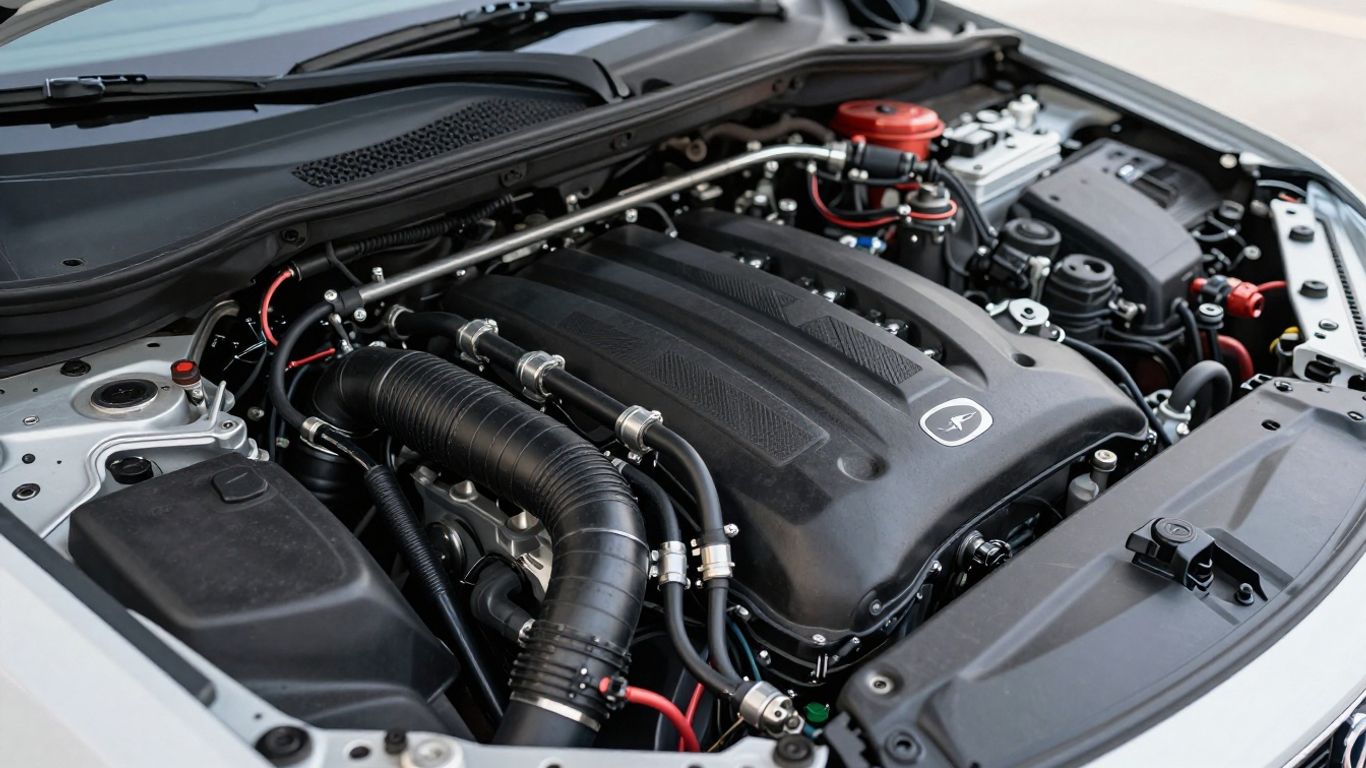
Learning to recognize the subtle nuances of an engine in distress allows drivers to take action before a breakdown occurs. Most modern vehicles provide feedback through electrical signals, but internal mechanical changes are often perceptible through sound and tactile feedback long before a sensor is triggered. Recognizing these indicators is a core component of effective automotive ownership.
Interpreting dashboard warning lights
Dashboard warning lights act as a primary communication method between the vehicle’s computer and the driver. When a light illuminates, it signifies that the electronic control module has detected a parameter outside of its factory-calibrated range. Ignoring these alerts frequently leads to cascading damage that is much harder or more expensive to resolve later.
Identifying unusual engine noises
Engines generate a distinct, rhythmic sound profile that becomes second nature to consistent drivers. Any deviation, such as clicking, tapping, or grinding sounds, often suggests issues with valve clearances or rotating internal assemblies. Promptly investigating these audible changes can save significant repair costs by catching mechanical fatigue early.
Monitoring performance drops and fuel efficiency
Changes in how a vehicle responds to throttle input or sudden shifts in fuel consumption often serve as early indicators of underlying system inefficiencies. These issues typically manifest in the following ways:
- Decreased throttle response during initial acceleration phases.
- Noticeable surges or stumbles while maintaining highway speeds.
- A sudden and unexplained decline in average miles per gallon.
Observing these patterns enables owners to document behavioral cycles that aid mechanics in diagnosing the root cause. If performance trends decline consistently, consulting with a facility like Andersen’s Foreign Car Service ensures that diagnostic tools are used to measure real-time flow and sensor data.
Professional insights on long-term engine preservation
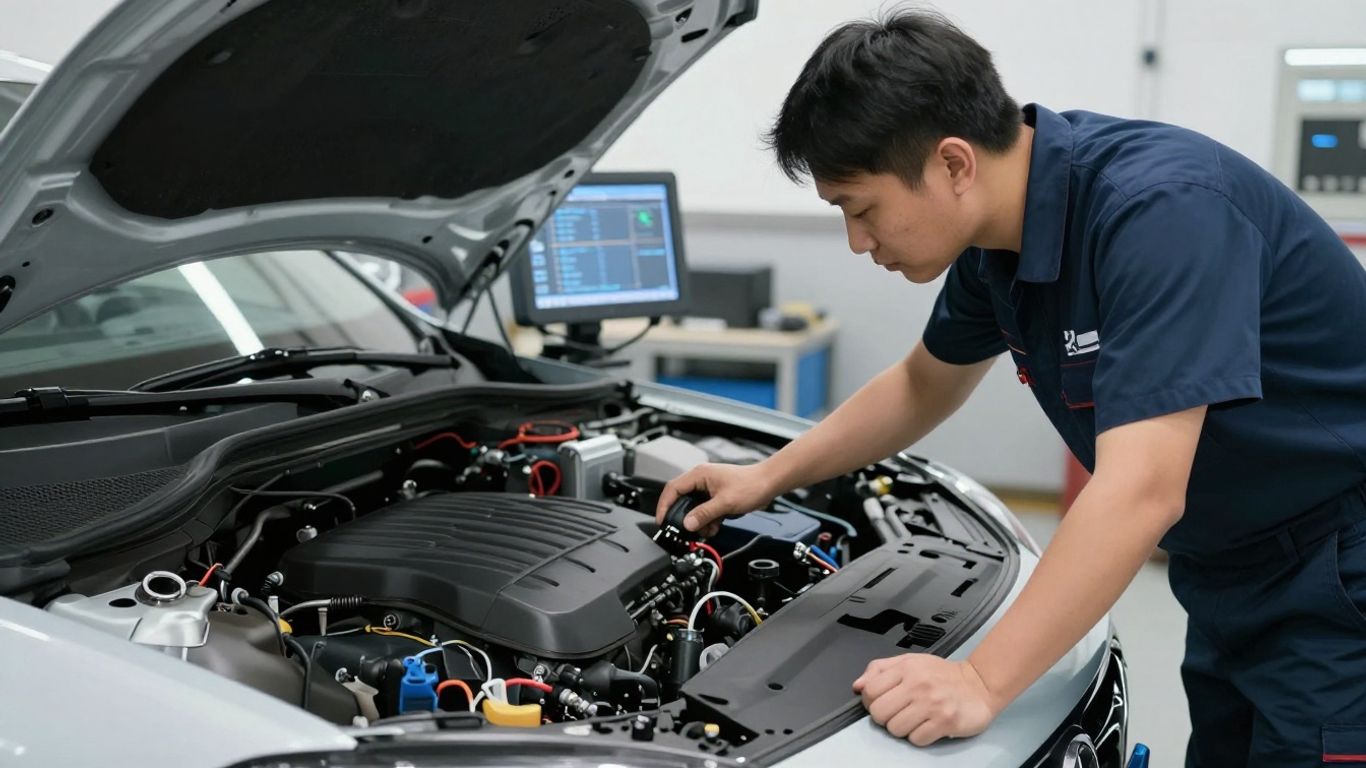
Extending the service life of a engine requires understanding how environmental factors and driving habits influence wear patterns over time. Engine preservation is not merely about changing parts but about managing the stresses applied to the hardware through mindful operation. Professionals monitor these factors to help vehicles serve their owners reliably for many years.
Managing cold start wear and tear
Cold starts represent the period of highest mechanical strain for an engine since oil has not yet reached operating pressure. Allowing the engine to reach a stable idle before placing it under heavy load minimizes the friction created during the initial warm-up cycle. Avoiding high revs in cold temperatures helps preserve bearings and cylinder surfaces.
The impact of short-trip driving patterns
Short trips prevent an engine from consistently reaching its designed operating temperature, which is essential for vaporizing condensation and fuel residue. This leads to the accumulation of moisture within the crankcase, causing accelerated oil degradation and internal corrosion. Drivers who primarily take short trips should shorten their maintenance intervals to account for these contaminants.
Utilizing fuel additives and cleaners correctly
Fuel additives can assist in maintaining high-pressure fuel injectors and keeping combustion chambers free of excessive carbon buildup. Use these cleaners as directed by product labels or professional recommendations to ensure they clean effectively without harming sensitive seals. Targeted cleaning routines are a reliable method to ensure a smooth, efficient burn consistent with factory output targets.
When to consult an engine specialist versus a general mechanic
Differentiating between routine wear and structural failure
General mechanics handle standard maintenance tasks like fluid changes, brake jobs, or basic belt replacements. Structural failure, however, involves deep-seated issues like internal coolant leaks, seized moving parts, or cylinder head distortion that requires specific expertise. Specialists focus on these complex internal failures to ensure accurate diagnosis.
Evaluating the complexity of electronic control modules
Modern engine management relies on complex electronic control modules that require proprietary diagnostic equipment to read and interpret. While a general shop can handle mechanical repairs, specialists often possess the specific hardware and software integrations required to recalibrate these complex systems properly. Understanding high-level electronics is essential for managing today’s sophisticated automotive powertrains.
Knowing when a specialist repair is cost-effective
Deciding between general maintenance and specialist repair depends on the specific nature of the failure. For major overhauls, the precision provided by an engine-focused facility like Andersen’s Foreign Car Service is often cost-effective because it resolves the underlying issue completely. Paying for specialized knowledge avoids the risk of repetitive or ineffective repairs that result from misdiagnosis.
Best practices for extending engine service life under extreme conditions
Considerations for high-mileage vehicle maintenance
High-mileage vehicles require more frequent inspections of gaskets, seals, and supporting hoses that harden or perish over time. By staying ahead of minor weep points and rubber degradation, owners can keep a high-mileage engine running smoothly. Preventive monitoring at this stage in a vehicle’s life prevents major failures from developing out of manageable issues.
Adapting to extreme climate and environmental factors
Operations in extreme temperatures or dusty environments require higher frequencies of filter changes and specialized lubrication choices. Cold climates demand thinner oils for faster flow at startup, while desert environments necessitate frequent air filter cleaning to prevent abrasive dust infiltration. Adapting your maintenance routine to the local climate is critical for engine preservation.
Towing and heavy load considerations
Heavy loads create higher internal combustion temperatures and place sustained pressure on cooling systems. Towing frequently requires more aggressive oil change intervals and constant vigilance regarding transmission and engine temperature gauges. Keeping the powertrain within its rated thermal envelope under load is the single most important factor for vehicle durability.
Conclusion
Ultimately, a healthy engine is the result of consistent vigilance and adherence to a disciplined maintenance schedule. By monitoring your vehicle’s performance and addressing mechanical irregularities promptly, you can ensure long-term reliability and enjoy a smoother, more efficient driving experience for years to come.