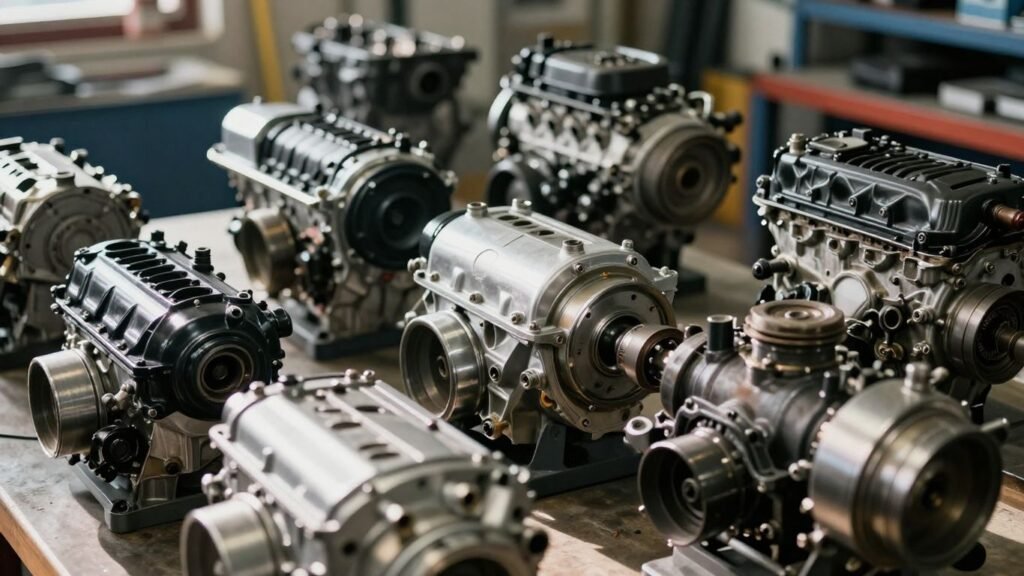
Looking to save some cash on car repairs in Melbourne? Finding a good used engine can be a smart move. It’s not always easy to know where to start, though. This guide is here to help you find affordable second hand engines Melbourne has to offer, without getting ripped off. We’ll cover how to find them, what to look for, and how to make sure you’re getting a quality part for your car.
Key Takeaways
- Buying used engines is a great way to save money on car repairs.
- Melbourne has many auto wreckers and online places to find used engines.
- Always check the engine’s condition and history before buying.
- Ask about warranties or return policies to protect your purchase.
- Local wreckers often offer delivery services across Melbourne.
Finding Affordable Second Hand Engines Melbourne
Why Choose Used Engines?
Look, sometimes your car just needs a new heart, and buying a brand-new engine can feel like taking out a second mortgage. That’s where second-hand engines come in. They offer a seriously cost-effective way to get your vehicle back on the road without emptying your wallet. Think about it – you’re getting a functional engine that’s already been through its initial break-in period, often at a fraction of the price of a new one. It’s a smart move for older cars where the cost of a new engine might not make financial sense, or if you’re on a tight budget.
Benefits of Sourcing Locally in Melbourne
When you’re hunting for a used engine, sticking close to home in Melbourne has its perks. For starters, you can often physically go and check out the engine yourself. This means you can see it, maybe even hear it run if the yard allows, and get a feel for its condition before you hand over any cash. Plus, if you need it installed or have questions, dealing with a local business means easier communication and potentially quicker support. It cuts down on shipping hassles too; no need to worry about a massive engine getting damaged in transit across the country.
Here are a few reasons to shop local:
- See it before you buy: Inspect the engine in person.
- Easier communication: Deal with local businesses directly.
- Reduced shipping costs and risks: Pick it up or arrange local delivery.
- Support local economy: Keep your money within the Melbourne community.
Understanding Engine Compatibility
This is super important, and you can’t just guess. An engine needs to fit your car’s make, model, and year, but it’s more than just bolting it in. You need to consider things like:
- Engine code: Different versions of the same engine exist, and they aren’t always interchangeable.
- Transmission type: Will the engine work with your current gearbox (automatic or manual)?
- Fuel type: Is it petrol, diesel, or something else?
- Emissions standards: Older engines might not meet current standards in newer cars.
Always double-check the engine’s specifications against your vehicle’s requirements. A quick chat with a mechanic or the parts supplier can save you a lot of headaches down the line. Don’t be afraid to ask questions; they’ve heard it all before.
It’s a good idea to have your car’s VIN (Vehicle Identification Number) handy when you’re looking. This number is like a fingerprint for your car and helps suppliers pinpoint the exact engine you need.
Where to Source Quality Used Engines
Finding the right used engine in Melbourne doesn’t have to be a wild goose chase. There are a few solid places to look, and knowing where to start can save you a lot of time and hassle. It’s all about finding places that are known for decent parts and fair prices.
Melbourne’s Reputable Auto Wreckers
Auto wreckers, sometimes called salvage yards, are probably your best bet for finding a used engine. These places take in old cars, often for recycling, but they salvage usable parts before crushing the rest. The good ones will have a decent stock of engines and will have done some basic checks on them.
- Look for wreckers with a good reputation. Ask around, check online reviews, or see if they’re recommended by local mechanics. A place that’s been around for a while and has positive feedback is usually a safe bet.
- They often specialize. Some wreckers might focus on certain makes or models, so if you know you need a Toyota engine, finding a wrecker that deals with a lot of Toyotas could be smart.
- You can often inspect parts in person. This is a big plus. Being able to see the engine yourself, maybe even get a mechanic to look it over, gives you more confidence.
When you visit a wrecker, don’t be shy about asking questions. How many miles did the car have? Why was it scrapped? What checks have they done on the engine? Good wreckers will be happy to share this information.
Online Marketplaces and Directories
Beyond the physical yards, the internet opens up a whole world of options. There are websites specifically designed to connect buyers with used parts sellers, including engines.
- General Classifieds: Sites like Gumtree or Facebook Marketplace can have private sellers or small businesses listing engines. You need to be a bit more careful here, as there’s less regulation.
- Specialized Auto Part Sites: Some platforms focus solely on car parts. These often have search filters for make, model, year, and part type, making it easier to narrow down your search. They might also have seller ratings.
- Wrecker Websites: Many larger auto wreckers now have their own websites where you can search their inventory online and even request quotes.
The key with online sourcing is to verify the seller’s legitimacy and the part’s condition as much as possible before committing.
Visiting Local Yards
This is pretty much the same as visiting auto wreckers, but it emphasizes the ‘local’ aspect. If you’re in Melbourne, hitting up a few yards in your area makes sense.
- Convenience: It’s easier to arrange transport or pick up the engine yourself if the yard is close by.
- Build relationships: Getting to know a local yard owner or staff can be helpful. They might keep an eye out for parts you need or give you a better deal if you’re a regular.
- Variety: Even within Melbourne, different yards will have different stock. What one doesn’t have, another might. So, a bit of legwork can pay off.
It’s a good idea to call ahead before visiting any yard to confirm they have the type of engine you’re looking for. This saves you a wasted trip.
Ensuring Quality and Reliability
Buying a used engine might seem a bit risky, but there are definitely ways to make sure you’re getting something solid. It’s not just about finding the cheapest option; it’s about finding one that’s going to last and not give you headaches down the road. Taking a few extra steps can save you a lot of time and money in the long run.
Inspection and Testing Processes
When you’re looking at an engine, don’t be shy about asking how it was tested. Reputable sellers will have some sort of process in place. This could include:
- Compression Testing: This checks if the cylinders are sealing properly, which is a big deal for engine health.
- Leak-Down Testing: Similar to compression testing, but it helps pinpoint where any pressure loss might be occurring.
- Visual Inspection: Looking for obvious signs of damage, like cracks, corrosion, or worn-out parts.
- Running the Engine (if possible): Some places might have the capability to briefly run the engine. Listen for strange noises, check for smoke, and see how it idles.
It’s also good to ask if they’ve checked the oil and coolant for any signs of contamination, like metal shavings or milky residue. That stuff can tell you a lot about the engine’s past.
Checking Part History and Condition
Beyond just the immediate tests, try to get a sense of the engine’s history. Was it pulled from a running vehicle? Was it in an accident? Some wreckers keep records, and it’s worth asking.
- Mileage: While not always perfectly accurate, the reported mileage gives you a general idea of wear.
- Maintenance Records: Unlikely for a used engine, but if they have any info, it’s a bonus.
- Overall Condition: Look at the exterior. Is it covered in grime, or does it look reasonably clean? Are there signs of recent repairs or modifications?
Sometimes, a little bit of dirt is normal, but a completely neglected-looking engine might be a red flag. It’s about finding a balance between a used part and one that’s been cared for as much as possible.
Warranty and Return Policies
This is super important. What happens if you get the engine home and it turns out there’s a problem? A good seller will stand behind their product.
- Warranty Length: Most used engines come with a basic warranty, often 30 to 90 days. Some might offer longer terms for an extra cost.
- What’s Covered: Make sure you understand exactly what the warranty includes. Does it cover just the engine block, or also accessories like the alternator or starter?
- Return Process: How easy is it to return a faulty part? Are there restocking fees? Who pays for shipping if it needs to go back?
Always read the fine print on any warranty or return policy before you hand over your cash. It’s your safety net if things don’t go as planned.
The Purchasing Process
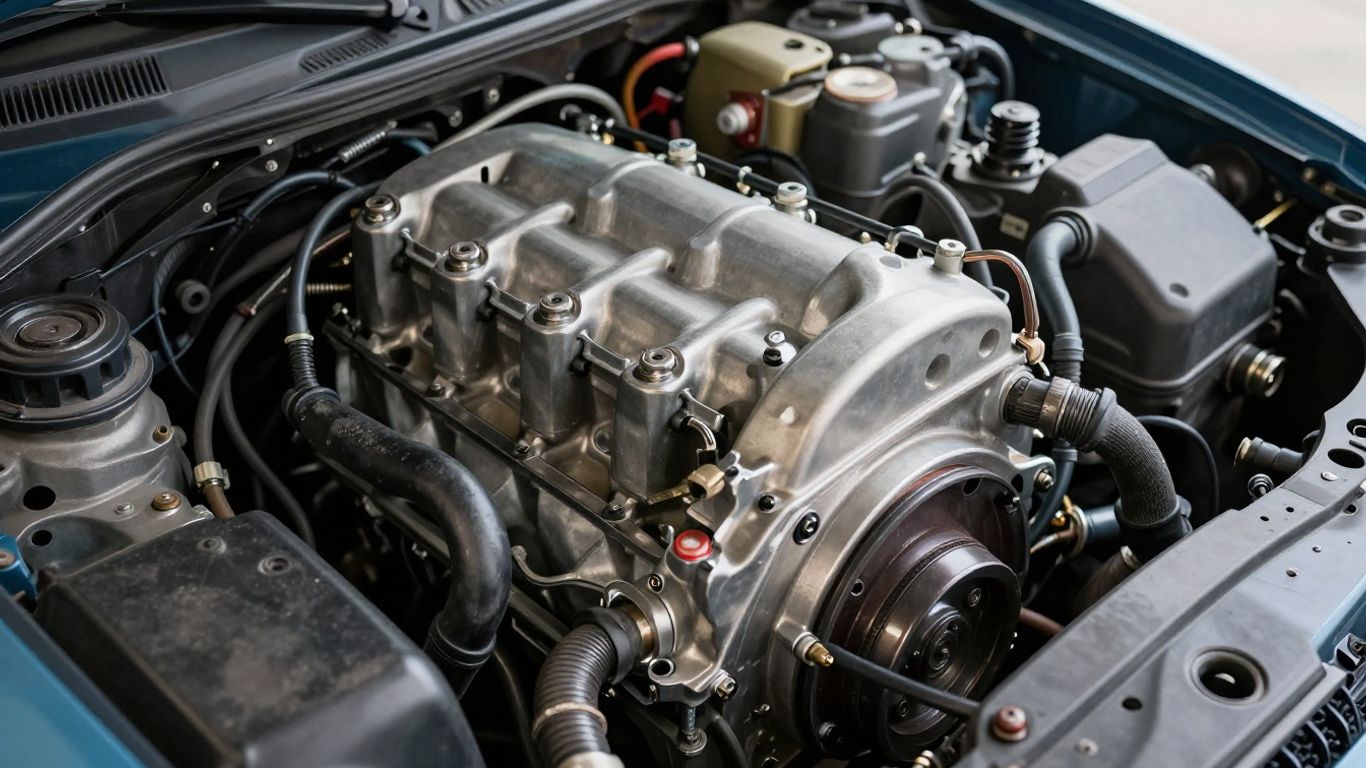
So, you’ve found the engine you think will work. Now what? Buying a used engine isn’t quite like picking up groceries. There are a few steps to make sure you get what you paid for and that it actually fits your car. Getting a solid quote and understanding the payment and delivery details are key before you hand over any cash.
Getting a Quote for Your Engine
When you contact a seller, whether it’s a wrecking yard or an online listing, you’ll want a clear quote. This isn’t just about the engine price. Ask for a breakdown:
- Engine Price: The base cost of the engine itself.
- Associated Parts: Does the quote include things like the alternator, starter, or fuel injectors if they’re attached? Sometimes these are bundled, sometimes not.
- Inspection/Testing Fees: Some places might charge a small fee if you want them to run a specific test or provide a detailed report.
- GST/Taxes: Make sure any applicable taxes are included.
- Core Charge: If you’re trading in your old engine, there might be a core charge that gets refunded once you return the old one.
It’s also a good idea to get a few quotes from different places to compare. Don’t be afraid to ask questions about the engine’s mileage or any known issues. A good seller will be upfront about this.
Payment and Financing Options
Payment methods can vary. Most yards will take cash or card. For online purchases, you might have options like bank transfer, PayPal, or even specific payment plans.
- Cash: Simple and direct, often preferred by smaller yards.
- Credit/Debit Card: Widely accepted, but check if there are any surcharges.
- Bank Transfer: Common for larger purchases or online sales.
- Financing: Some larger wreckers or specialized parts suppliers might offer payment plans or work with finance companies, especially for more expensive engines. This is less common for typical used parts, though.
Always get a receipt detailing the engine, the price paid, and the date. This is your proof of purchase.
Always confirm the exact engine code and specifications before finalizing any payment. Double-checking compatibility can save you a massive headache down the line. It’s better to spend an extra five minutes confirming than weeks trying to return an engine that doesn’t fit.
Arranging Delivery Across Melbourne
Getting the engine from the seller to your garage is a big part of the process, especially if you don’t have a suitable vehicle. Many wrecking yards offer delivery services within the Melbourne metropolitan area.
- Delivery Fees: These usually depend on the distance from the yard to your location. Expect to pay more for longer distances or if the delivery is outside standard business hours.
- Delivery Timeframe: Ask how long delivery typically takes. Is it same-day, next-day, or a few days out? This can be important if your car is off the road.
- Offloading: Clarify how the engine will be delivered. Will it be dropped at your curb, or can they assist with getting it into your driveway or garage? Some services might require you to have equipment ready to unload it yourself.
If delivery isn’t offered, you’ll need to arrange your own transport. This might involve hiring a trailer or a van, or using a local courier service. Make sure whatever you use is capable of handling the weight and size of an engine.
Popular Makes and Models
Toyota Engine Availability
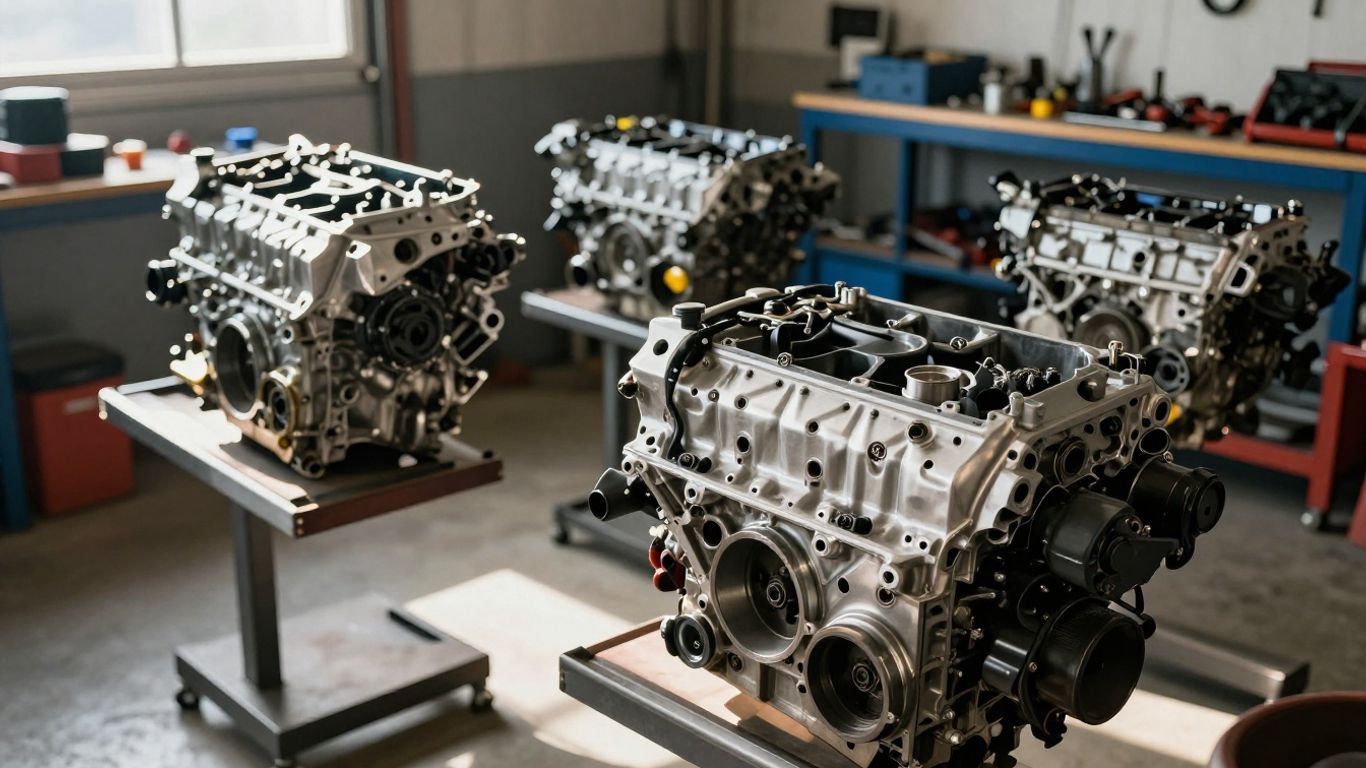
When you’re on the hunt for a used engine in Melbourne, Toyota often comes up as a top choice. These cars are known for their reliability, and that extends to their engines. You’ll find a good number of used Toyota engines available, covering a wide range of models from the trusty Corolla and Camry to the popular RAV4 and Hilux. Because they’re so common, parts are generally easier to find and often more affordable.
- Corolla: Great for smaller sedans and hatchbacks.
- Camry: A solid choice for mid-size sedans.
- RAV4: Popular for SUVs, often with more robust engine options.
- Hilux: If you need a workhorse, Hilux engines are built tough.
Nissan Engine Options
Nissan is another brand that has a strong presence in the Australian market, meaning used engines are usually plentiful. Whether you’re looking for something for a sporty 350Z, a practical Pulsar, or a family-friendly X-Trail, you’ll likely find options. Nissan engines can offer a good balance of performance and efficiency.
Mitsubishi Engine Stock
Mitsubishi engines are also frequently found in Melbourne’s wrecking yards. Models like the Lancer, Pajero, and Outlander are common sights. If you’re after an engine for a performance car or a capable 4×4, Mitsubishi often has something to fit the bill. Finding a compatible engine for these makes is usually straightforward due to their widespread popularity.
When looking for engines for these popular makes, remember that specific engine codes matter. A "2.0L" engine can vary significantly between models and even years. Always double-check the engine code against your vehicle’s requirements to avoid costly mistakes.
Here’s a quick look at what you might expect:
| Make | Common Models | Typical Engine Types Found | Availability |
|---|---|---|---|
| Toyota | Corolla, Camry, RAV4 | 1.8L, 2.0L, 2.5L, 3.0L | High |
| Nissan | Pulsar, X-Trail, 350Z | 1.8L, 2.0L, 2.5L, 3.5L | Medium-High |
| Mitsubishi | Lancer, Pajero, Outlander | 1.8L, 2.0L, 2.4L, 3.0L | Medium |
Beyond Engines: Other Used Parts
So, you’ve found the perfect engine, but what about the rest of your ride? When you’re fixing up a car, it’s rarely just one component that needs replacing. Luckily, most places that sell used engines in Melbourne also have a whole lot of other bits and pieces you might need. Think of it like a treasure hunt for your car!
Gearboxes and Drivetrain Components
If your transmission is acting up, or you’re looking to swap out the differential, you’re in luck. Many wreckers have a good stock of used gearboxes, both manual and automatic. They’ll often have axles, driveshafts, and CV joints too. It’s always a good idea to ask about the mileage and any testing that’s been done on these parts, just like with engines.
- Gearboxes: Manual, Automatic
- Drivetrain: Differentials, Axles, Driveshafts, CV Joints
- Clutches: Sometimes available with gearboxes
Body Panels and Exterior Parts
Got a dent or a scratch that’s driving you crazy? Or maybe a headlight is busted? Auto wreckers are goldmines for body panels. You can often find doors, bonnets (hoods), boots (trunks), guards (fenders), bumpers, and even windscreens. The paint might not be a perfect match, but it’s a lot cheaper than buying new, and you can always get it resprayed.
It’s amazing how many perfectly good body panels end up on the scrap heap, just because they’re attached to a car that’s otherwise written off.
Interior and Electrical Components
Need a new dashboard, a seat, or maybe just a working window switch? The interior section of a wrecking yard can be surprisingly well-stocked. You might find seats, door trims, steering wheels, and various bits of trim. Electrically, things can be a bit trickier, but you can often find alternators, starter motors, radiators, and sometimes even complete wiring harnesses. Always check the condition carefully, especially for electrical parts that might have corrosion.
- Seating: Front and rear seats, bench seats
- Trim: Door cards, dashboard pieces, centre consoles
- Controls: Window regulators, switches, steering columns
- Accessories: Mirrors, sun visors, interior lights
When you’re at a yard, don’t be shy about asking what else they have. They might have just the part you need hiding in a corner!
Wrapping It Up
So, finding a good used engine in Melbourne doesn’t have to be a headache. By doing a little homework and knowing where to look, you can definitely score a quality part without spending a fortune. Remember to check out the local wreckers, ask questions, and make sure the part is inspected before you buy. It’s a smart way to get your car back on the road and save some cash. Happy hunting!