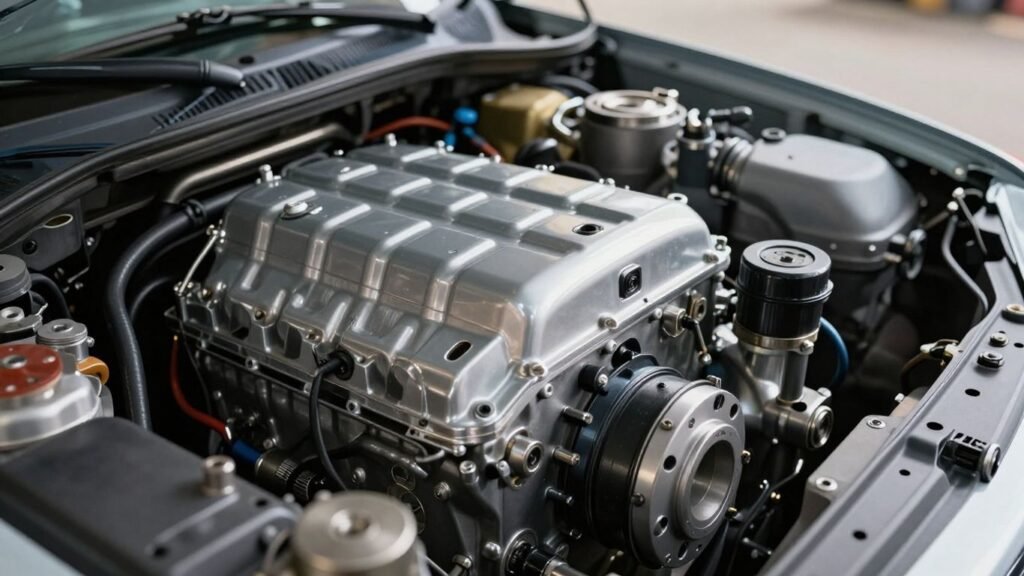
So, your car’s engine has seen better days, and you’re looking for a replacement in Perth. Finding a good, low-kilometer engine can feel like a treasure hunt, but it doesn’t have to be a headache. This guide is here to help you find quality used engines without all the fuss. We’ll cover where to look, what to watch out for, and how to make sure you’re getting a solid deal for your vehicle.
Key Takeaways
- When looking for an engine in Perth, low km engines are a smart choice for reliability and value.
- Specialist dealers, online platforms, and wreckers are common places to find used engines.
- Always check an engine’s history, condition, and warranty before buying.
- Consider reconditioned engines as a cost-effective option, especially for cars valued over £5,000.
- Getting multiple quotes and reading reviews helps ensure a smooth purchase and installation.
Finding Low Km Engines in Perth
Understanding Engine Mileage
When you’re looking for a replacement engine, the number of kilometers (or miles, depending on where you are) it’s already traveled is a big deal. Think of it like buying a used car – a lower odometer reading usually means less wear and tear. For engines, this translates to potentially more life left in its components, fewer immediate maintenance needs, and a generally more reliable performance. A low kilometer engine is often a sign that it hasn’t been pushed to its limits. It’s not just about the number itself, but what that number represents in terms of the engine’s history and how it was likely used.
Benefits of Low Kilometer Engines
So, why go out of your way to find an engine with fewer clicks on the clock? For starters, it can save you a heap of cash compared to buying a brand-new engine. Plus, you’re often getting an engine that’s already been run in, meaning it’s settled and ready to go without that initial break-in period you’d get with a new one. This can mean fewer surprises down the road. It’s a smart way to get good performance without the premium price tag.
Here are some of the main perks:
- Reduced Wear and Tear: Fewer kilometers mean the internal parts haven’t been subjected to as much friction and heat.
- Potential for Longer Lifespan: An engine with less mileage has more of its operational life ahead of it.
- Cost Savings: Generally cheaper than a new engine, and often cheaper than a high-mileage used one that might need work soon.
- Quicker Installation: Less likely to require immediate major repairs or servicing before being fitted.
Why Perth is a Key Location
Perth, being a major city in Western Australia, has a pretty active automotive scene. This means there’s a good chance you’ll find a decent selection of used car parts, including engines, from vehicles that have been traded in, written off, or simply dismantled. The sheer volume of vehicles passing through wreckers and dealerships in a place like Perth increases the odds of finding those lower kilometer gems. It’s a hub where supply meets demand for used auto parts, making it a solid spot to start your search.
Finding a low kilometer engine in Perth isn’t just about luck; it’s about knowing where to look and what to ask for. The city’s size and its role as a transport hub mean more opportunities to find quality used parts.
Where to Source Quality Used Engines
So, you’re on the hunt for a low-kilometer engine in Perth. That’s a smart move, especially if you’re trying to keep costs down. But where do you actually find these things? It’s not like they’re sitting on a shelf at your local supermarket. You’ve got a few main avenues to explore, and each has its own pros and cons. Let’s break it down.
Specialist Dealers and Workshops
These are the folks who really know their engines. Think of mechanics or dedicated engine supply shops. They often have a good stock of used engines, sometimes pulled from vehicles they’ve worked on or sourced specifically. Because they’re specialists, they usually have a better idea of an engine’s condition and might even offer a short warranty. It’s a bit like going to a butcher for meat instead of a general store – you’re getting a more focused product.
- Pros: Often have tested engines, may offer limited warranties, knowledgeable staff.
- Cons: Can sometimes be pricier than other options, stock might be limited.
- Best for: People who want a bit more peace of mind and expert advice.
Online Marketplaces and Platforms
This is where things get really interesting. Websites and apps have popped up that connect buyers directly with sellers, including wreckers and even private individuals. You can often search by make, model, and even mileage. It’s a massive marketplace, so you can compare prices easily. Just be prepared to do your homework. You’ll need to check seller reviews, ask lots of questions, and arrange for inspection if possible. It’s a bit like online shopping for car parts – convenient, but you need to be careful.
Direct from Wreckers and Salvage Yards
These are the places that take in old cars, strip them for usable parts, and sell them on. Perth has a good number of these yards. Going directly to a wrecker can sometimes get you the best price because you’re cutting out the middleman. However, it’s often a case of ‘buyer beware’. You might be looking at an engine that hasn’t been tested much, if at all. You’ll likely need to be pretty confident in your own ability to assess an engine or have a mechanic you trust come along with you.
When you’re dealing with wreckers, it’s a good idea to have a list of specific questions ready. Ask about the vehicle the engine came from, why it was taken out, and if there are any known issues. Don’t be shy about asking for details; it’s your money after all.
Here’s a quick look at what to expect:
| Source Type | Potential Price | Condition Assessment | Warranty Likelihood | Expertise Required |
|---|---|---|---|---|
| Specialist Dealers/Workshops | Medium to High | Often Tested | Possible (Short) | Low to Medium |
| Online Marketplaces | Varies Widely | Varies (Seller Dependent) | Varies (Seller Dependent) | Medium |
| Wreckers/Salvage Yards | Low to Medium | Often Untested | Unlikely | High |
Key Considerations When Buying
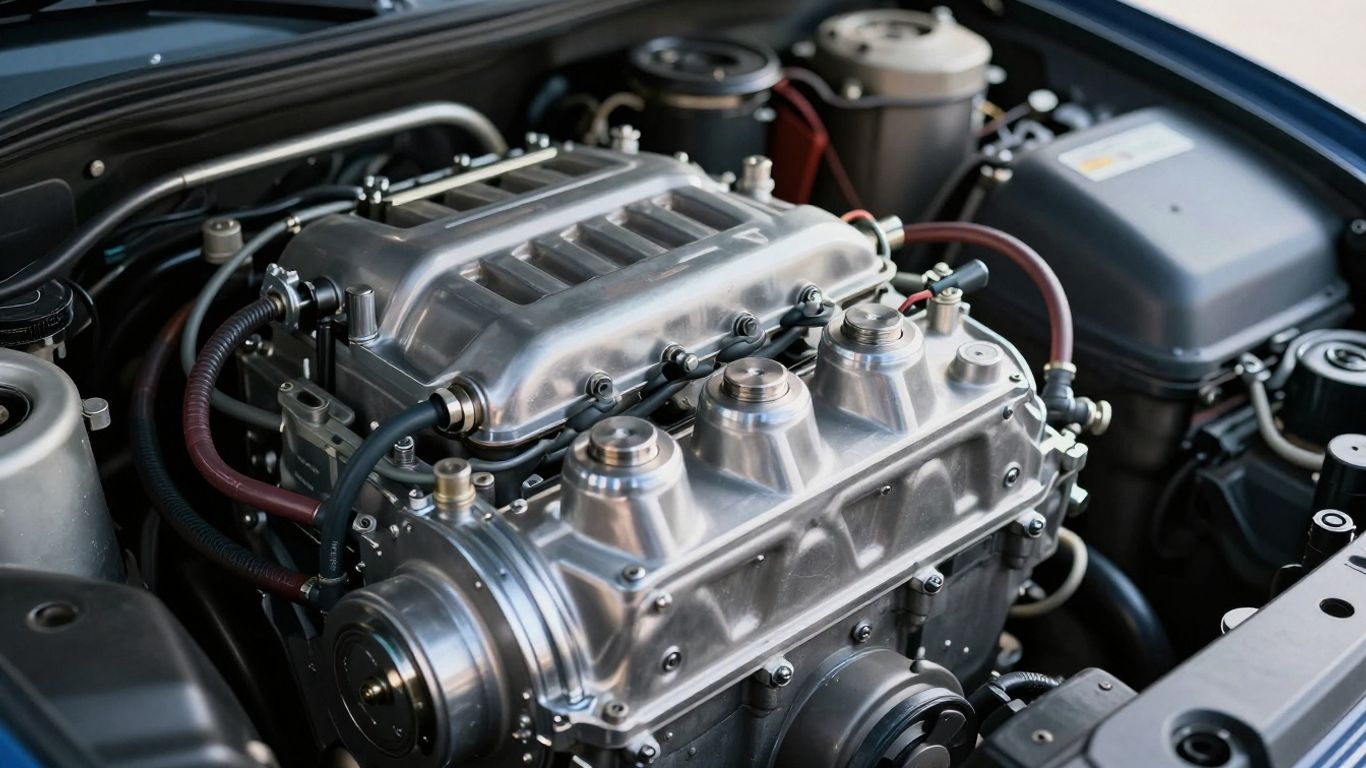
Alright, so you’ve decided to go the used engine route, which is smart for saving some cash. But before you hand over your hard-earned money, there are a few things you really need to check. It’s not just about finding something cheap; it’s about finding something that’s going to last and not cause you more headaches down the road. Think of it like buying a used car – you wouldn’t just grab the first one you see, right? Same idea here.
Verifying Engine History and Condition
This is probably the most important step. You need to know where this engine has been and what it’s been through. A lot of used engines come with a bit of a mystery attached. Ask for service records if they have them, though honestly, many don’t. Look for signs of wear and tear – rust, leaks, or damage to the casing. A good seller should be upfront about any known issues. Don’t be afraid to ask for photos or even a video of the engine running if possible.
Checking Warranty and Return Policies
This is your safety net. What happens if you get the engine installed and it’s a dud? A decent warranty can save you a ton of trouble and money. Most reputable places will offer at least a 30-day warranty, sometimes longer. Make sure you understand exactly what the warranty covers – is it just the engine block, or does it include parts like the alternator or starter? Also, check their return policy. Can you return it if it’s not compatible or if it fails within the warranty period? Get this in writing if you can.
Compatibility with Your Vehicle
This sounds obvious, but you’d be surprised how many people get this wrong. You need to make sure the engine you’re looking at is a direct fit for your car’s make, model, and year. Even small differences can mean it won’t work, or you’ll need expensive modifications. Double-check the engine code and specifications. If you’re not sure, ask a mechanic or the seller to confirm compatibility. It’s better to be absolutely certain before you buy.
Here’s a quick rundown of what to look for:
- Engine Code: This is the specific identifier for your engine. Make sure it matches.
- Year Range: Some engines were used across several years, but there can be subtle changes.
- Transmission Type: Ensure the engine is compatible with either an automatic or manual transmission if that’s a factor.
- Emissions Standards: Especially important if you’re in an area with strict emissions regulations.
Buying a used engine is a gamble, but you can stack the odds in your favor by doing your homework. A little bit of effort upfront can prevent a lot of stress later on. Don’t rush the process; take your time to find the right one.
The Value of Reconditioned Engines
When Reconditioned is a Better Choice
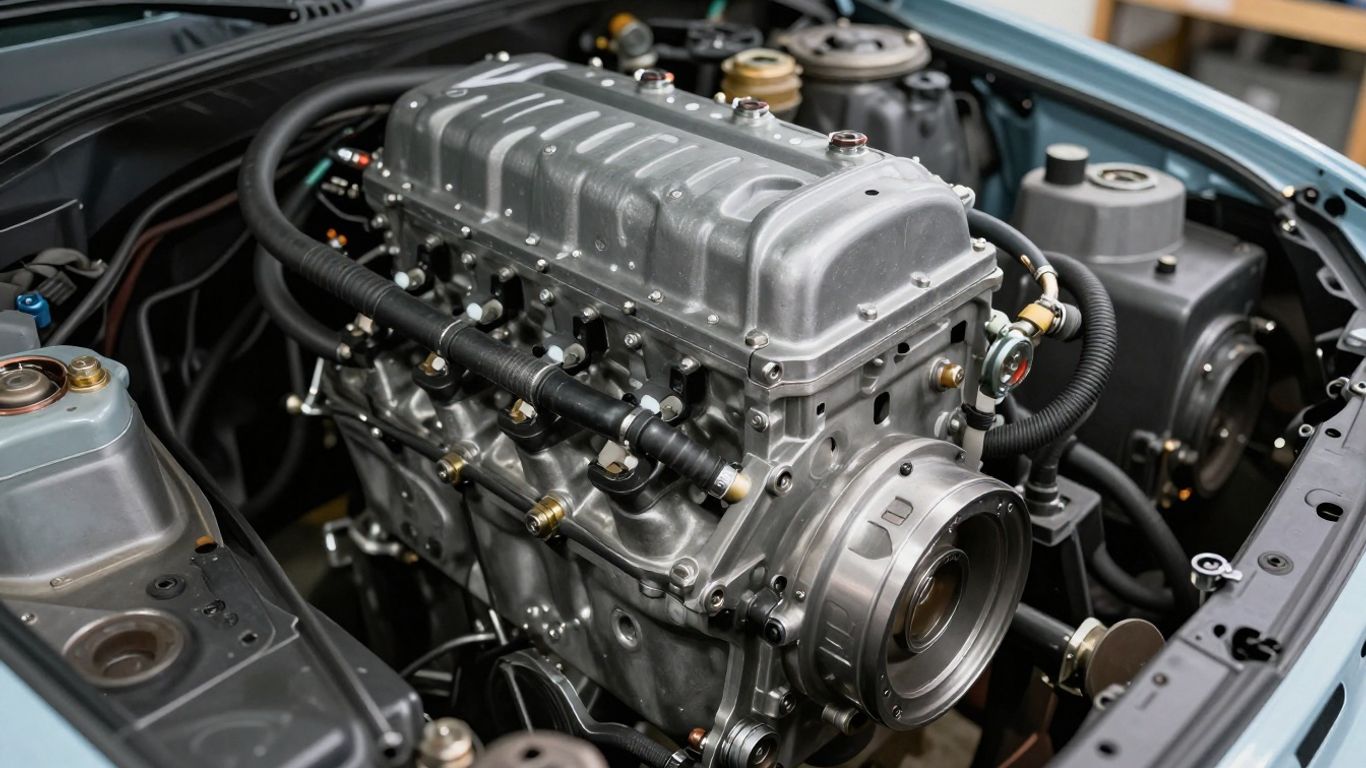
Sometimes, a used engine with low kilometers might seem like the obvious pick, but have you thought about a reconditioned engine? It’s not just a quick fix; it’s a thoroughly rebuilt unit. This can often be a smarter move than a standard used engine, especially if you’re looking for a balance between cost and reliability. Think about it – a reconditioned engine has had all its worn parts replaced and has been tested to meet specific standards. It’s like getting a second life for an engine, often with a better guarantee than you’d get with a simple used one.
Understanding the Reconditioning Process
So, what exactly happens when an engine gets reconditioned? It’s a pretty involved process. First, the engine is completely taken apart. Every single piece is cleaned and checked for wear or damage. Anything that doesn’t meet the original factory specs gets replaced. This includes things like pistons, rings, bearings, and seals. Then, the engine is put back together by trained technicians. It’s not just a slap-dash job; it’s a careful rebuild. After assembly, it’s usually tested to make sure it runs smoothly and meets performance standards.
Here’s a general idea of what goes into it:
- Disassembly: The entire engine is stripped down to its core components.
- Inspection & Cleaning: Each part is meticulously cleaned and checked for any defects.
- Machining & Replacement: Worn or damaged parts are machined or replaced with new ones.
- Reassembly: The engine is put back together with new gaskets and seals.
- Testing: The rebuilt engine is run and tested to confirm it operates correctly.
Cost-Effectiveness Compared to New
When you look at the numbers, reconditioned engines really start to make sense. You’re not paying the full price of a brand-new engine, but you’re getting something that performs much closer to new than a typical used engine. It’s a middle ground that often hits the sweet spot for many car owners.
Here’s a quick comparison:
| Engine Type | Approximate Cost (vs. New) | Approximate Value (vs. New) |
|---|---|---|
| New Engine | 100% | 100% |
| Reconditioned | 40-60% | 85-95% |
| Used (Low Km) | 30-45% | 60-75% |
This approach shows why reconditioned engines often represent a solid choice for many people needing a replacement. You get a lot of the performance and lifespan without the hefty price tag of a completely new unit.
It’s worth noting that customer satisfaction rates for reconditioned engines are generally quite high, often showing a strong preference among drivers who’ve gone this route.
Ensuring a Smooth Transaction
Alright, so you’ve found a few potential engines. That’s great! But before you hand over your hard-earned cash, let’s talk about making sure the whole process goes off without a hitch. It’s not just about the engine itself; it’s about the deal and the people you’re buying from.
Getting Multiple Quotes
Don’t just jump on the first engine you see. Seriously, shop around a bit. It’s like buying anything else – comparing prices can save you a surprising amount. Get quotes from a few different places, whether they’re local Perth workshops or online sellers. This gives you a good idea of what a fair price looks like for the engine you need. You might find one place has a slightly better deal, or maybe another includes a better warranty. It’s worth the extra phone calls or clicks.
Reading Customer Reviews
This is a big one. What are other people saying about the seller? Look for reviews online, check their social media pages, or even ask around if you know anyone who’s bought an engine recently. Pay attention to recurring comments, both good and bad. A seller with a lot of positive feedback and few complaints is usually a safe bet. If you see a pattern of unhappy customers or unresolved issues, it’s probably best to steer clear.
Professional Installation Services
Unless you’re a seasoned mechanic yourself, getting the engine installed properly is super important. Many reputable engine suppliers in Perth offer installation services, or they can recommend trusted mechanics. This way, you know the job is done right by people who understand that specific engine. It might cost a bit extra, but it beats having problems down the line because of a bad installation. Plus, it often comes with a warranty on the labor, which is a nice bit of peace of mind.
Buying a used engine can feel a bit like a gamble sometimes. You want to get a good deal, but you also need it to be reliable. Taking a few extra steps to check out the seller and the deal can make all the difference between a successful repair and a costly headache.
Making an Informed Decision
Balancing Cost and Reliability
So, you’ve looked at a few options, maybe even got some quotes. Now comes the part where you really have to think about what makes the most sense for your car and your wallet. It’s not just about finding the cheapest engine out there, right? You want something that’s going to last. A good engine is the heart of your car, after all. Think about it like this: you could buy the cheapest thing you find, but if it conks out in a few months, you’ve just wasted money and time. On the flip side, a brand-new engine might be super reliable, but it could cost more than your car is even worth.
Long-Term Vehicle Value
When you put a new engine in your car, especially a low-kilometer one or a reconditioned unit, it can actually boost its resale value. People looking to buy a used car often check the engine’s condition. A well-maintained, strong engine is a big selling point. If you’re planning to sell your car down the line, investing in a quality engine now could pay off later. It shows you’ve taken good care of the vehicle.
Choosing the Right Engine Type
Deciding between a brand-new, reconditioned, or used engine isn’t always straightforward. Each has its pros and cons, and what’s best really depends on your specific situation.
Here’s a quick look at how they stack up:
- New Engines: These are the most expensive, obviously. You get the longest warranty, usually 2-3 years, and the highest reliability. But the cost can be a big hurdle.
- Reconditioned Engines: These are often a sweet spot. They’ve been taken apart, cleaned, inspected, and had worn parts replaced. They usually cost about 40-60% of a new engine and come with a decent warranty, maybe 1-2 years. Many people find these offer a great balance.
- Used Engines: These are the cheapest, typically 30-45% of a new engine’s price. However, they often come with shorter or no warranties (maybe 0-3 months) and their reliability can be a bit of a gamble. You really need to trust the seller and inspect it thoroughly.
The data suggests that reconditioned engines are a popular choice for a reason. They often provide a solid mix of affordability and dependability, making them a smart pick for many car owners looking to replace a worn-out engine without breaking the bank.
Ultimately, the goal is to get an engine that fits your budget, meets your reliability needs, and keeps your car running smoothly for a good long while. Don’t rush the decision; take your time to weigh up all the factors.
Wrapping It Up
So, finding a low kilometer engine in Perth doesn’t have to be a huge headache. We’ve gone over how to check for quality, what to look out for, and where to start your search. Remember, taking a little extra time now to find a good used engine can save you a lot of trouble down the road. Happy hunting for that perfect replacement!