So, your Ford’s engine is making some funny noises, or maybe it’s just time for an upgrade. If you’re in Melbourne, finding the right Ford engines can feel like a bit of a puzzle. You want something reliable, something that won’t break the bank, and something that gets your car back on the road without a fuss. This guide is here to help you sort through the options for Ford engines Melbourne has to offer, from finding the right parts to getting expert service.
Key Takeaways
- When looking for Ford engines in Melbourne, know what you need before you start searching.
- Reputable suppliers are key for quality Ford engines and reliable service.
- Consider engine remanufacturing or rebuilding for a cost-effective, quality solution.
- Using genuine Ford parts or high-quality aftermarket components makes a difference.
- Regular maintenance is important for keeping your Ford engine running well.
Finding Quality Ford Engines in Melbourne
Understanding Your Ford Engine Needs
When your Ford starts acting up, the first thing you might think about is getting a new engine. But before you go hunting, it’s smart to figure out exactly what you need. Are you looking for a brand-new engine, a rebuilt one, or maybe a good used one? The model and year of your Ford are super important here, as different engines fit different cars. Think about how you use your car too. If it’s just for short trips around town, a less powerful, more economical engine might do the trick. But if you’re towing or doing long drives, you’ll want something with more grunt. Knowing your specific needs will save you time and money in the long run.
Where to Source Ford Engines Melbourne
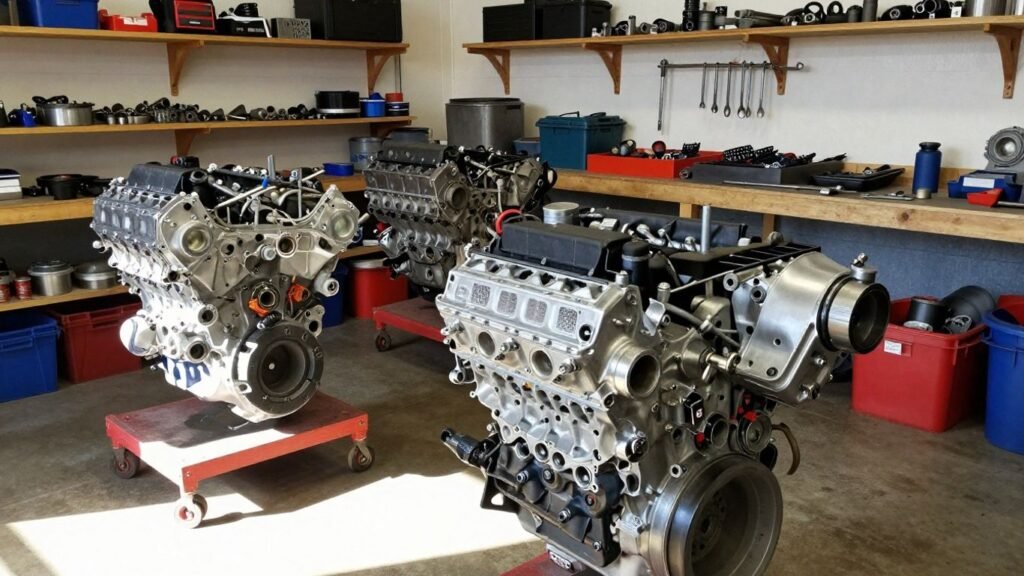
Melbourne has a few options when it comes to finding Ford engines. You can check out specialist engine suppliers, wrecking yards, or even online marketplaces. Some places focus on new or reconditioned engines, while others have a good stock of used parts. It’s a good idea to shop around and compare prices and what’s included. Don’t be afraid to ask questions about the engine’s history, mileage, and any warranty they might offer. A little research goes a long way.
Here are some places to start looking:
- Specialist Engine Rebuilders: These guys often have engines that have been fully tested and come with a warranty.
- Ford Dealerships: While usually more expensive, they can offer genuine Ford parts and expert advice.
- Reputable Auto Wreckers: You might find a good used engine here, but be sure to inspect it carefully.
- Online Platforms: Websites dedicated to car parts can connect you with various sellers across Melbourne.
The Benefits of Choosing Reputable Suppliers
Going with a supplier you can trust makes a big difference. Reputable places usually stand behind their products. This means they’ll likely offer a warranty on the engine, giving you peace of mind. They also tend to have better quality control, so the engine you get is more likely to be in good working order. Plus, good suppliers often have mechanics on staff or can recommend trusted mechanics who know Ford engines inside and out. It’s about getting a reliable part and good service, not just the cheapest option available.
When you’re looking for a replacement engine, remember that quality and reliability are key. A slightly higher upfront cost for a well-sourced and tested engine can save you a lot of headaches and repair bills down the track. It’s an investment in your vehicle’s future performance and your own driving satisfaction.
Expert Ford Engine Services in Melbourne
Comprehensive Engine Diagnostics and Analysis
When your Ford isn’t running right, figuring out what’s wrong can be a real headache. It’s not just about hearing a funny noise; it’s about pinpointing the exact issue before it turns into a bigger, more expensive problem. Shops in Melbourne use specialized tools to really dig into what’s happening inside your engine. They look at everything from sensor readings to fuel pressure, trying to get a clear picture. This detailed check-up helps them figure out the root cause, not just the symptoms. It means you get a more accurate repair plan and avoid unnecessary work.
Precision Cylinder Head Machining
The cylinder head is a pretty important part of your engine, and if it’s not in top shape, your whole engine suffers. Services in Melbourne offer precise machining for these heads. This involves making sure the surfaces are perfectly flat and smooth, which is key for a good seal. They also check and fix things like valve seats and guides. It’s all about getting that cylinder head back to its original specs, or even better, so your engine can breathe and perform like it should.
Advanced Crack Detection Services
Sometimes, engine problems aren’t obvious. Cracks, especially tiny ones, can hide in engine blocks, crankshafts, or connecting rods. These can lead to leaks or even catastrophic failure down the line. Melbourne specialists use advanced methods, like magnetic particle testing, to find these hidden flaws. They’ll test all the critical metal parts to make sure there are no cracks that could cause trouble later. It’s a thorough step that gives you peace of mind knowing your engine’s core components are sound.
Remanufacturing and Rebuilding Ford Engines
Crankshaft and Connecting Rod Remanufacture
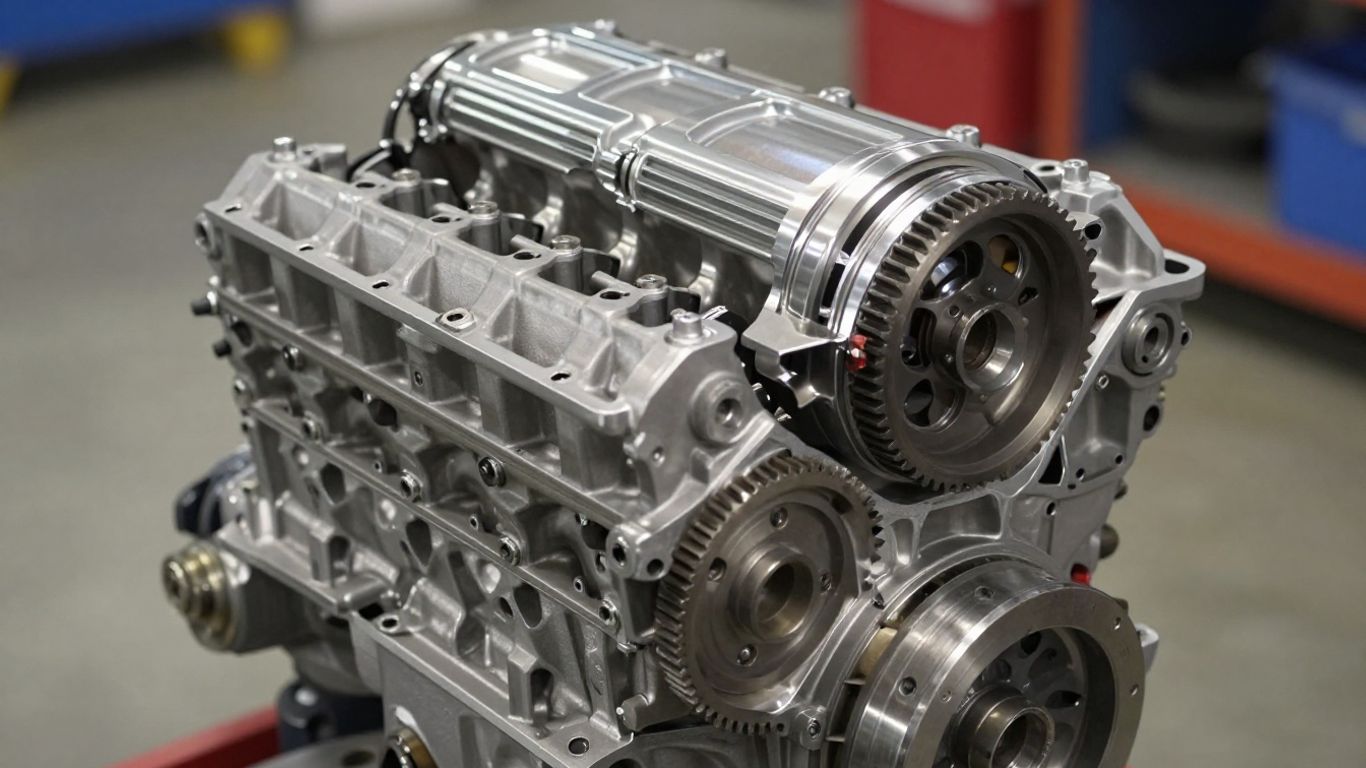
When an engine needs a serious overhaul, the crankshaft and connecting rods are often the first things to get a close look. These parts handle a lot of stress, so rebuilding them properly is key to a long-lasting engine. We’re talking about precision work here, making sure every journal on the crankshaft is ground to the exact specs and that the connecting rods are perfectly aligned. It’s not just about making them look good; it’s about restoring their strength and function so they can handle the power.
Cylinder Bore Machining and Honing
After the crankshaft and rods are sorted, the focus shifts to the cylinders. If the cylinder walls are worn or damaged, they need to be machined back to a perfect round shape. This process, often called boring, removes a thin layer of metal to create a fresh surface. Then, honing follows, which is like a super-fine sanding job that creates a specific cross-hatch pattern. This pattern is important because it helps the piston rings seal properly and holds oil where it needs to be for lubrication. Getting this surface just right is critical for engine performance and oil consumption.
Professional Engine Assembly and Testing
Putting it all back together is where the magic happens. This isn’t just bolting parts together; it’s a meticulous process. Every component is checked, clearances are measured, and everything is torqued to exact specifications. We use detailed build sheets to track every part and setting. Once the engine is fully assembled, it doesn’t just get shipped out. It goes through rigorous testing to make sure it runs smoothly, has good oil pressure, and meets all performance benchmarks. This final check is your assurance that the engine is ready to go.
Rebuilding an engine is a complex job that requires specialized tools and a deep knowledge of mechanics. It’s about bringing an engine back to life, often making it as good as, or even better than, when it was new. This careful process saves you from buying a whole new engine and gives your Ford a second chance.
Here’s a look at the typical steps involved:
- Disassembly and Cleaning: The old engine is taken apart, and all components are thoroughly cleaned to remove old oil, carbon, and debris.
- Inspection and Measurement: Each part is inspected for wear, cracks, or damage. Critical dimensions are measured to see if they meet factory specifications.
- Machining and Repair: Worn or damaged parts are machined, replaced, or repaired as needed. This includes boring cylinders, grinding crankshafts, and resurfacing heads.
- Reassembly: The engine is carefully put back together with new gaskets, seals, and often upgraded components.
- Testing: The rebuilt engine is run on a test stand to check for leaks, proper operation, and performance.
Choosing the Right Ford Engine Parts
Original Equipment Manufacturer (OEM) Parts
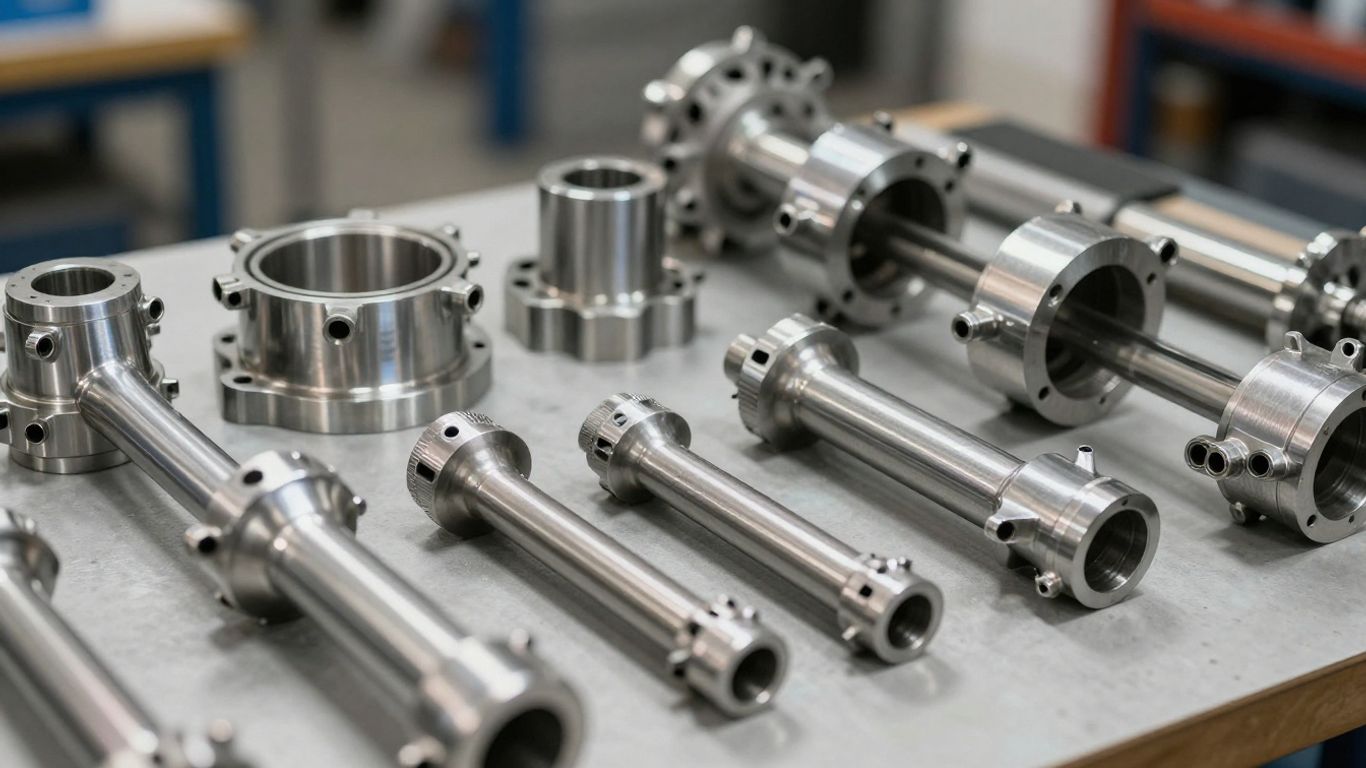
When you’re looking for parts for your Ford, you’ll often see the term OEM. This just means the part was made by Ford or by a company that Ford specifically contracted to make that part. Think of it like buying a shirt from the brand itself versus buying one made by a licensed manufacturer. OEM parts are designed to fit your specific Ford model perfectly and meet the manufacturer’s original specifications. This can give you peace of mind, knowing you’re getting something that’s supposed to work exactly as intended. While they might sometimes cost a bit more, the guarantee of fit and quality is often worth it, especially for critical engine components.
Quality Aftermarket Engine Components
Aftermarket parts are made by companies other than Ford. The quality can really vary here, so it’s important to do your homework. Some aftermarket manufacturers are excellent and produce parts that are just as good, if not better, than OEM. They might even offer improvements or be more budget-friendly. However, there are also lower-quality options out there that might not last as long or perform as well. When choosing aftermarket, look for brands with good reputations and check reviews from other Ford owners. It’s a good idea to ask your mechanic for recommendations too.
Importance of Genuine Ford Parts
Genuine Ford parts are essentially the same as OEM parts – they come directly from Ford or their authorized suppliers. The key thing here is consistency and reliability. Ford designs its engines and then specifies the exact materials and tolerances for each part. Using genuine parts means you’re sticking to that original design. This is especially important for complex systems where one part’s performance directly affects others. For example, a genuine Ford fuel injector is designed to work precisely with the engine’s computer and other fuel system components. While aftermarket can be a good option, sticking with genuine Ford parts often provides the highest level of confidence in your engine’s performance and longevity.
Here’s a quick rundown of what to consider:
- Fitment: Does the part specifically say it fits your Ford model and year?
- Warranty: What kind of warranty does the part come with? A good warranty is a sign of a confident manufacturer.
- Brand Reputation: Is the brand known for making reliable automotive parts?
- Price vs. Quality: Don’t just go for the cheapest option. Sometimes spending a little more upfront saves money in the long run.
When you’re replacing engine parts, especially for a Ford, think about the long-term picture. A slightly more expensive part that’s made correctly can save you a lot of headaches and money down the road compared to a cheaper part that fails prematurely. It’s about getting the best value for your vehicle’s health.
Maintaining Your Ford Engine’s Longevity
Keeping your Ford engine running smoothly for years to come isn’t some big mystery. It really comes down to a few key things, mostly about regular check-ups and using the right stuff. Think of it like taking care of yourself – you wouldn’t skip doctor’s appointments or eat junk food all the time, right? Your engine needs that same kind of attention.
Routine Maintenance Schedules
Sticking to a maintenance schedule is probably the most important thing you can do. Your owner’s manual has the specifics for your particular Ford model, but generally, you’ll want to keep an eye on a few regular service points. These aren’t just suggestions; they’re designed to catch small issues before they turn into big, expensive problems.
- Oil Changes: This is the big one. Fresh oil lubricates all the moving parts, preventing wear and tear. Modern Fords often have longer intervals than older models, so check your manual. Don’t just change the oil, though; a good service often includes a check of other things too.
- Tire Rotations: Getting your tires rotated helps them wear evenly. This means they’ll last longer, and your car will handle better. Most shops recommend doing this every 5,000 to 7,500 miles, but again, your manual is the best guide.
- Fluid Checks: Beyond oil, there are other fluids that keep your car running. We’ll get into those more in the next section.
Skipping regular maintenance is like ignoring a small leak in your roof. It might seem minor at first, but over time, it can lead to serious water damage and a much bigger repair bill. Your engine is no different.
Essential Fluid Checks and Changes
Fluids are the lifeblood of your engine and the rest of your vehicle. Keeping them at the right levels and ensuring they’re clean is vital. It’s usually pretty straightforward to check most of these yourself, and it only takes a few minutes.
- Engine Oil: As mentioned, this is key. Check the dipstick regularly. If it’s low or looks dirty, it’s time for a change.
- Coolant (Antifreeze): This prevents your engine from overheating in the summer and freezing in the winter. Check the level in the overflow tank when the engine is cool.
- Brake Fluid: This is critical for stopping power. Low levels or dirty fluid can mean brake problems.
- Power Steering Fluid: Makes steering easier. If the level is low, you might notice your steering getting stiff.
- Transmission Fluid: Keeps your transmission shifting smoothly. Check your manual for how to check this, as it can vary.
- Windshield Washer Fluid: Okay, maybe not engine longevity, but you need to see!
Understanding Filter and Spark Plug Replacements
Filters and spark plugs are like the lungs and ignition system of your engine. When they get clogged or worn out, your engine just can’t perform as well, and it can even lead to damage.
- Air Filter: This stops dirt and debris from getting into your engine. A dirty air filter means your engine is breathing dirty air, which isn’t good for performance or fuel economy. They’re usually easy to access and replace.
- Oil Filter: This works with your engine oil to trap contaminants. It should always be replaced with your oil.
- Fuel Filter: Cleans the fuel before it reaches the engine. A clogged one can cause sputtering or poor acceleration.
- Cabin Air Filter: This one is more for your comfort, cleaning the air that comes into the car’s interior, but it’s often checked during routine service.
- Spark Plugs: These ignite the fuel-air mixture in your cylinders. Worn-out spark plugs can cause misfires, rough idling, and reduced power. They typically last a long time, often around 100,000 miles, but it depends on the type and your driving habits.
Specialized Ford Engine Solutions
Ford Puma Engine Exchange
When your Ford Puma engine needs attention, an exchange service can be a real time-saver. Instead of waiting for a lengthy rebuild, you can get a fully remanufactured engine ready to go. This is especially helpful if your vehicle is your daily driver and you can’t afford to be without it for too long. These exchange engines are typically put through a rigorous process, ensuring they meet high standards before they even leave the workshop. It’s about getting you back on the road with confidence.
Ford BT50 Engine Services
The Ford BT50 is a tough ute, and when its engine needs work, you want specialists who know the ins and outs. Whether it’s a minor repair or a full engine rebuild, finding a service that understands the specific needs of the BT50 is key. They’ll look at everything from the block to the smallest components, making sure your ute is ready for work or play again. Some places even offer specialized services like crack detection to catch hidden problems before they become major headaches.
Custom Engine Shipping Solutions
Getting a Ford engine to or from a workshop, especially if you’re not local, can be a bit of a puzzle. That’s where custom shipping solutions come in. Think of sturdy, purpose-built containers designed to protect the engine during transit. This means your valuable engine arrives safely, whether it’s coming from a remanufacturer across the country or heading to a specialist for a unique job. It takes the worry out of transport, letting you focus on the engine itself.
Sometimes, the most practical solution isn’t a standard repair. For specific models like the Ford Puma or BT50, or when distance is a factor, specialized services like engine exchange and custom shipping make a big difference. It’s about finding the right fit for your situation and getting your Ford back to its best without unnecessary hassle.
Wrapping It Up
So, if you’re in Melbourne and need a solid Ford engine, you’ve got options. Whether you’re looking for a brand-new one, a rebuilt one with some serious history, or even a good used engine, there are places that can help. Don’t just settle for the first thing you find. Do a little digging, ask questions, and make sure you’re getting something reliable. Getting the right engine means your Ford will keep running strong for a long time, and that’s what we all want, right?