
Key Takeaways
Choosing an engine starts with the job it must do, then moves through performance, fit, and long-term cost. Free engine selection advice is most useful when you compare candidates against clear requirements rather than chasing a single headline number.
- Define the project, workload, and operating conditions before comparing engines.
- Compare engine types and configurations by how they suit the intended use.
- Judge horsepower and torque in context, including load, gearing, and vehicle weight.
- Confirm physical, drivetrain, fuel, cooling, electrical, and regulatory compatibility.
- Weigh installation and ownership costs, then verify advice against specifications.
1. Define what the engine needs to do
A suitable engine is the one that meets the real demands of its application, not necessarily the one with the biggest figures. Start by describing the project and how it will be used. Those details give you a practical basis for every comparison that follows.
Identify the vehicle, equipment, or project
The same engine can be a sensible choice in one setting and a poor fit in another. Note whether you are replacing an engine in a vehicle, powering equipment, or planning a custom build, and record the existing setup if there is one. The intended application determines which dimensions, interfaces, and operating demands need attention first.
Set performance goals and expected workload
Translate general hopes such as “more capable” or “better for towing” into observable requirements. Consider how much load the engine must move, how often it will work hard, and what performance is needed during ordinary use. A realistic workload estimate helps prevent both under-specifying the engine and paying for capacity that rarely matters.
Consider operating conditions and duty cycle
An engine used for short trips has a different pattern of work from one that runs steadily for long periods. Think about ambient temperatures, dust, altitude, stop-start use, and the length and frequency of operating sessions. These conditions can affect how you assess cooling, maintenance, and the engine’s suitability for the job.
Separate essential requirements from nice-to-haves
A written split between must-haves and preferences keeps an exciting option from distracting you from basic fit. Use the first pass to identify constraints that could rule out a candidate, then keep secondary preferences in a separate group:
- Required output and the way it will be used
- Physical limits, including available space
- Fuel or energy type and practical supply
- Budget for purchase, installation, and upkeep
This short list is a working filter, not a final verdict. As you learn more about the project, update it and keep the non-negotiable items distinct from features you would simply enjoy having.
2. Compare engine types and configurations
Engine type and configuration shape how an engine operates, what supporting systems it needs, and how it fits the application. Avoid choosing based on a familiar label alone; consider the project’s usage pattern and constraints. The comparison below is a starting point for asking better questions, not a substitute for checking a specific engine’s documentation.
Choose between gasoline, diesel, hybrid, and electric
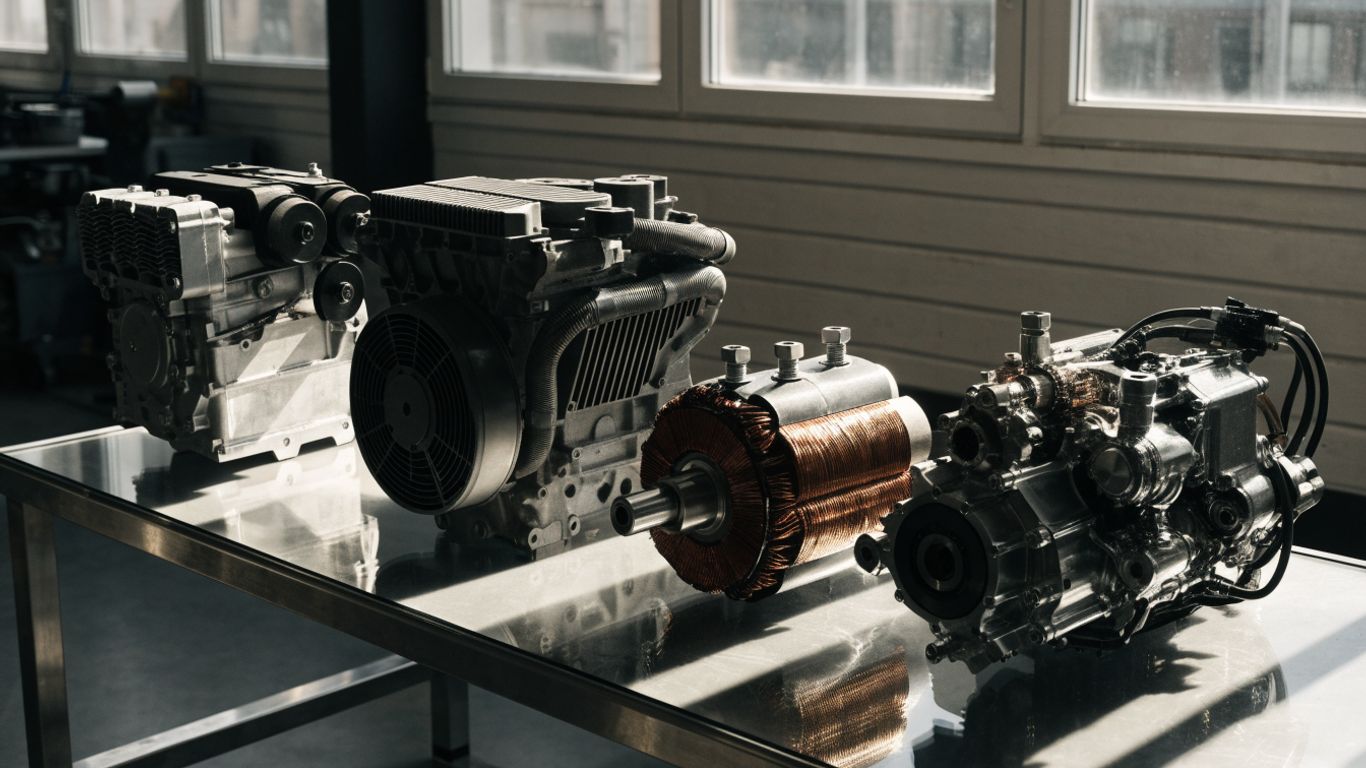
The first comparison is often about energy source and operating pattern. A gasoline or diesel engine relies on liquid fuel, while a hybrid combines an engine with an electric drive system and an electric motor uses stored electrical energy. Each choice brings different questions about supply, operating needs, packaging, and the project’s existing systems.
| Type | Useful question to ask | Considerations to verify |
|---|---|---|
| Gasoline | Does this suit the expected use and fuel access? | Fuel requirements, fit, and service needs |
| Diesel | Does the application call for its operating characteristics? | Fuel supply, installation, and applicable rules |
| Hybrid | Can the project support a combined system? | Space, electrical interfaces, and system integration |
| Electric | Can charging and energy storage suit the duty cycle? | Battery packaging, charging access, and electrical compatibility |
Treat the table as a prompt for research rather than a ranking. The exact engine and application matter, so confirm details in manufacturer documentation and with a qualified installer before deciding.
Understand engine layouts and cylinder configurations
An engine’s layout affects its shape, dimensions, and the way it may fit around nearby components. Cylinder count and arrangement are also part of the specification, but neither tells you by itself whether the engine suits the project. Compare actual dimensions and installation requirements instead of assuming that a familiar configuration will fit.
Weigh naturally aspirated engines against turbocharged options
A naturally aspirated engine draws air into the cylinders without a turbocharger, while a turbocharged engine uses a turbocharger to compress intake air. That difference can influence the engine’s design and supporting requirements, so look at the complete specification rather than treating the presence of a turbo as a simple measure of suitability. Consider the intended operating range and what the installation will require.
Check whether the design suits your intended use
A design is only useful if its operating characteristics and installation demands match the job. Compare the engine’s documented specifications with the workload, available space, and supporting systems identified earlier. If a key detail is missing, treat it as an open question rather than filling the gap with an assumption.
3. Match power and torque to the application
Power and torque describe different parts of engine performance, and neither should be read in isolation. Published peak figures are helpful, but they do not explain how the engine behaves throughout the operating range or how the rest of the vehicle affects the result. Relate each specification to the actual work the engine must do.
Distinguish peak horsepower from usable power
Peak horsepower is a maximum figure measured under stated conditions; it does not mean that level of output is available at every engine speed. Consider where the engine produces its power and whether that range matches the way the application will be operated. A modest peak figure may be adequate for one job, while another may require a different operating range.
Evaluate torque delivery across the operating range
Torque matters when considering how an engine responds to a load, but a single peak value leaves out when that torque is available. Review the published torque curve or other manufacturer information where available, and compare it with the speeds and conditions expected in use. This gives a fuller picture than comparing headline figures alone.
Account for load, gearing, and vehicle weight
The engine does not work in isolation. Vehicle or equipment weight, the load being moved, gearing, and the drivetrain all influence how its output reaches the task. When comparing candidates, use the full application details and check that the proposed engine can work with the intended transmission and gearing.
Avoid paying for performance you will not use
More output can add cost or bring other requirements, so it is worth asking what the extra capacity would do for your project. Compare candidates using the workload you actually expect, including occasional demanding use, rather than an imagined maximum that is unlikely to happen. This keeps the choice focused on useful performance rather than a number that looks impressive on paper.
4. Check compatibility before choosing
An engine that looks suitable on paper can still create problems if it cannot be installed or supported by the surrounding systems. Compatibility checks should happen before purchase, when there is still time to compare alternatives. Gather measurements and documentation rather than relying on visual similarity or broad descriptions.
Verify dimensions, mounting points, and clearances
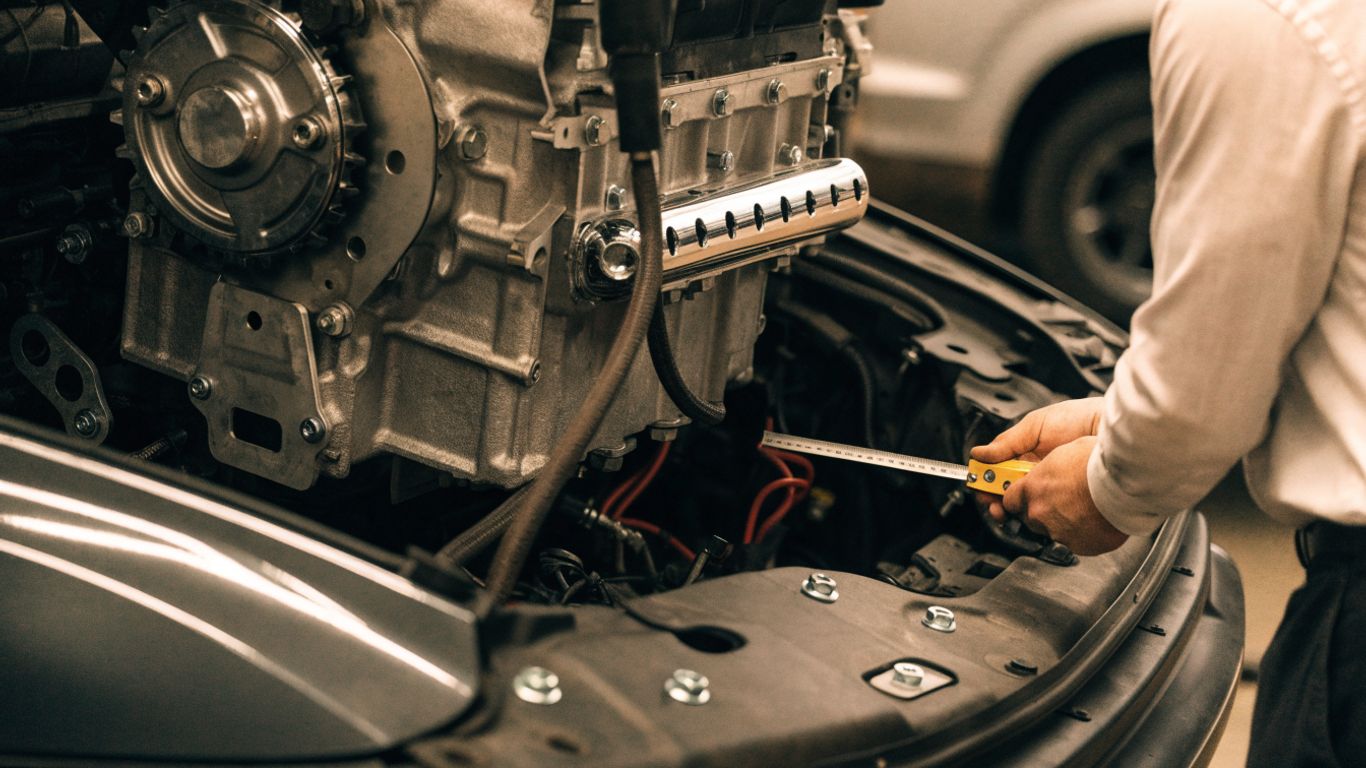
Compare the engine’s documented dimensions with the available space, including the room needed for service access and nearby components. Check mounting points and note potential interference around the body, frame, and accessories. A careful measurement can expose a mismatch that a photograph or general size description would not reveal.
Confirm transmission and drivetrain compatibility
Check whether the engine can work with the proposed transmission and drivetrain, including the relevant connection points and configuration. Do not assume that two parts can be combined simply because they come from similar applications. If an adapter or modification may be needed, confirm its availability, cost, and installation requirements before treating the combination as viable.
Review fuel, cooling, and electrical requirements
An engine may require supporting systems that differ from those already in place. Review fuel delivery, cooling, and electrical specifications, then compare them with the project’s available components and capacity. Confirm what must be replaced or modified so the estimate covers the complete installation, not just the engine itself.
Check emissions rules and local regulations
Regulatory requirements can affect which engines may be used and how a completed installation must be configured. Check the rules that apply to the vehicle, equipment, location, and intended use before ordering. When the requirements are unclear, seek guidance from the relevant authority or a qualified professional rather than relying on a general online summary.
5. Estimate the total cost of ownership
The purchase price is only one part of the financial decision. Installation, consumables, maintenance, and access to parts can change the real cost over time. A useful estimate puts those expenses beside the engine price before you commit.
Compare purchase price with installation costs
Ask what the quoted price includes and what is needed to make the engine ready for use. Installation may involve additional parts, modifications, labor, or supporting-system changes. Get a complete estimate where possible, and compare candidates on the likely cost of a working installation rather than the engine alone.
Budget for fuel, fluids, and routine maintenance
Consider how frequently the engine will run and what routine servicing is specified for the particular model. Fuel or energy use, fluids, filters, and scheduled maintenance all contribute to the ongoing budget. Use documented figures when available, and distinguish them from estimates based on assumptions about your own usage.
Check parts availability and service support
Before choosing, find out whether routine parts and qualified service are accessible where the engine will be used. A low initial price can be less appealing if basic maintenance items are difficult to source or support is inconvenient. Check the availability of the parts and assistance that matter for your project, rather than relying on a general impression of popularity.
Factor in reliability, warranty, and expected lifespan
Look at the terms of any warranty and what is required to keep it valid. For used engines, ask for available service history and inspect the condition with suitable professional help. Reliability and lifespan depend on the specific engine, its history, installation, and use, so treat broad claims cautiously and make room in the budget for uncertainty.
6. Find and evaluate free selection advice
Free resources can help you build a shortlist and identify questions to resolve, but advice is only as useful as its fit with your project. Start with sources that provide specifications or explain their assumptions. Then check any recommendation against the constraints and operating needs you have already recorded.
Gather specifications from manufacturer documentation
Manufacturer documentation is a useful place to verify dimensions, performance figures, operating requirements, and installation details. Find the information for the exact engine or variant under consideration, since similar names do not guarantee identical specifications. Save the relevant documents so you can compare candidates on consistent terms.
Use reputable engine selection and planning tools
Online tools can organize inputs or help narrow a broad set of possibilities. Read what information a tool requests, what output it provides, and whether it explains its assumptions or limitations. Treat its result as a lead to investigate, not as approval that an engine will fit or meet every requirement.
Ask qualified mechanics or engineering communities
A mechanic or engineer who understands the application may notice installation issues that are easy to overlook. When asking for advice, share the vehicle or equipment details, expected workload, budget, and any relevant specifications. Specific context makes it easier for someone to explain the basis of a recommendation and flag what still needs checking.
Verify recommendations against your project requirements
Free engine selection advice should help you test a decision, not replace your own compatibility checks. Compare each recommendation with documented specifications and the must-have criteria you set at the start. If the advice conflicts with a manufacturer document or leaves a critical question unanswered, pause and investigate before moving ahead.
7. Make a confident final choice
A final decision becomes easier when the requirements, fitment details, and costs are recorded in one place. Keep the process practical: remove candidates that fail a must-have, then compare the remaining options on the points that matter most. Before ordering, confirm that the evidence still supports the choice.
Create a shortlist using must-have criteria
Use the non-negotiable requirements to rule out options that cannot meet the project’s needs. For each remaining engine, note which details are confirmed and which still need verification. A short list of plausible candidates is more useful than a long catalogue of possibilities with no clear comparison.
Compare candidates with a simple scoring table
A simple scoring method can help make trade-offs visible, provided you keep the criteria relevant. Score each candidate against factors such as fit, performance for the workload, supporting-system requirements, and total cost. Keep the underlying specifications beside the scores so a convenient number does not conceal an important mismatch.
Confirm fitment and support before purchasing
Recheck measurements, connection details, and installation requirements with the people responsible for the work. Confirm that the parts, service support, and any required modifications are available for the particular candidate. Written confirmation of key details can prevent a costly misunderstanding after the purchase.
Recheck assumptions before ordering parts
Review the assumptions behind your choice: expected load, usage pattern, budget, and compatibility. If any have changed, reconsider the shortlist rather than proceeding on outdated information. A final pause to verify the details is often easier than correcting a mismatch once parts have been ordered.
Conclusion
Choosing an engine is a matter of matching documented capability to the job, then confirming that the installation and long-term costs make sense. Define your requirements, compare realistic options, and verify the details with reliable specifications and qualified help before you buy. That process turns a complicated choice into a series of manageable decisions.