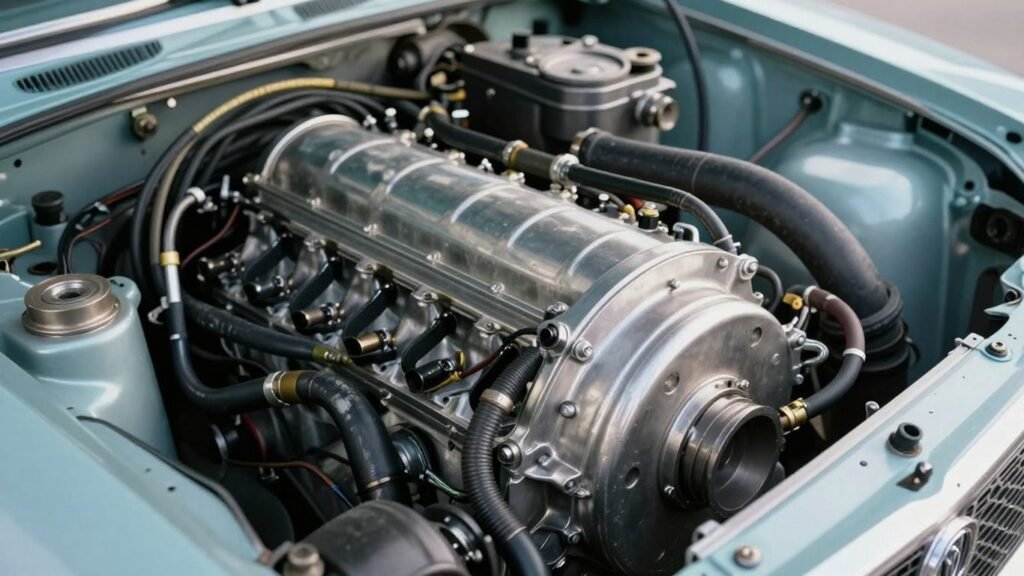
So, your car’s engine is making some weird noises, or maybe it just gave up the ghost entirely. It happens. When you’re in Melbourne and need a replacement engine, looking at reconditioned ones is a smart move. It can save you a good chunk of cash compared to buying brand new. But, like anything, you don’t want to just grab the first one you see. There’s a bit to know about picking the right one so you don’t end up with more problems. This guide will walk you through what you need to check when you’re looking for reconditioned engines in Melbourne.
Key Takeaways
- Reconditioned engines have been taken apart, cleaned, and had worn-out parts replaced before being put back together.
- They offer a good balance of cost savings and reliability compared to brand new or used engines.
- When looking for reconditioned engines in Melbourne, check how the engine was inspected and tested.
- Always look into the warranty offered, as this protects your investment.
- Make sure the engine you choose matches your car’s specific needs and consider installation.
Understanding Reconditioned Engines in Melbourne
What Constitutes A Reconditioned Engine?
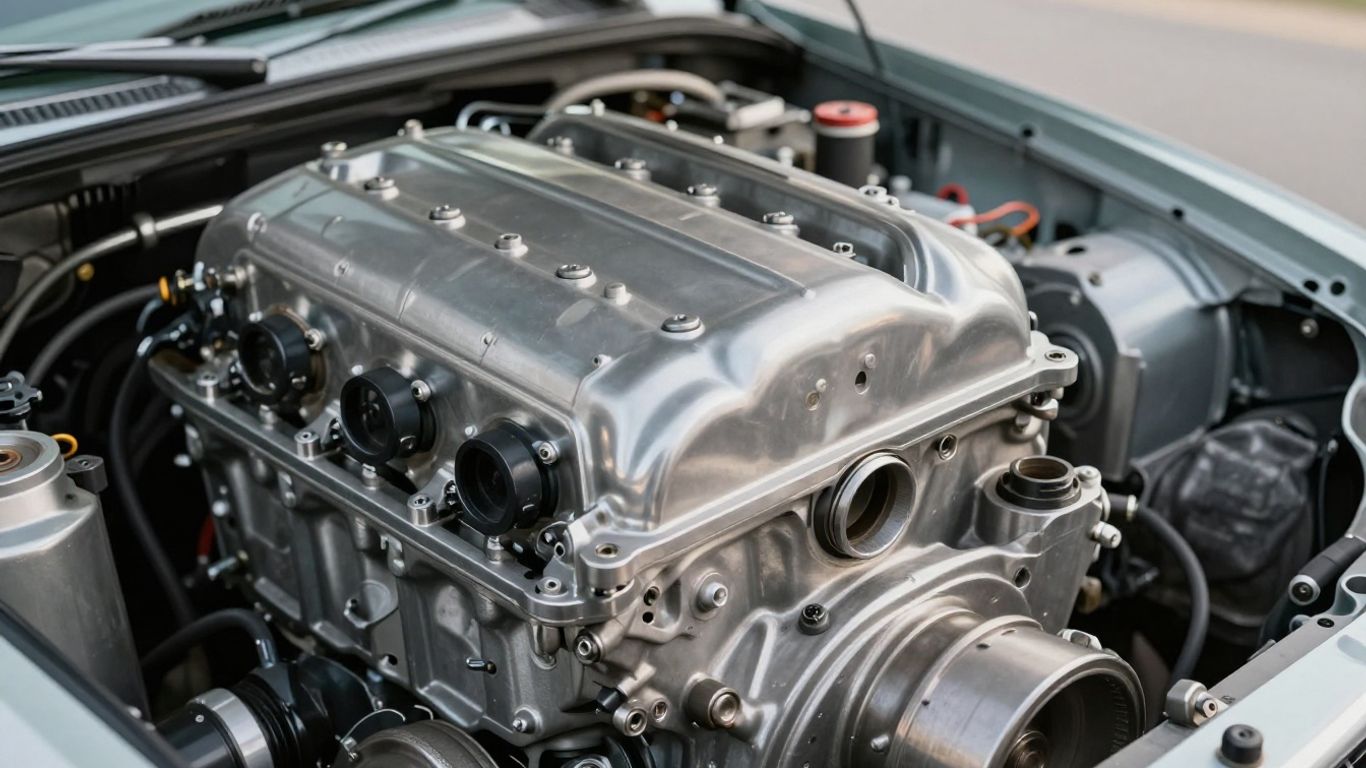
A reconditioned engine is basically an old engine that’s been stripped down, cleaned up, and fixed so it runs almost like new. The main goal is to extend the engine’s lifespan without the cost and hassle of buying something brand new.
- The engine is taken apart.
- All pieces are checked, cleaned, and any broken bits are swapped out with fresh parts.
- It’s then put back together and tested until it’s working right.
You can almost think of it as a second chance for engines—giving your car more time on Melbourne roads with less risk than gambling on something just pulled from a wreck.
With the right reconditioning, even engines past their prime can get reliable performance and smoother operation for years to come.
Benefits Of Choosing Reconditioned Over New
For plenty of Melburnians, getting a reconditioned engine is about balancing cost and reliability. Here’s why it often makes sense:
- Lower upfront cost — usually much cheaper than new, often up to 50% less.
- Environmentally smarter — you’re reusing, not contributing to more waste.
- Comes with warranty — (from the good suppliers, at least).
| New Engine | Reconditioned Engine | |
|---|---|---|
| Typical Price | $7,000 – $12,000 | $3,000 – $6,000 |
| Warranty | 3-5 years | 1-3 years |
| Environmental Impact | High (new manufacturing) | Lower (reuse major parts) |
Basically, you get a lot of the reassurance of a new engine—at a price that often fits tighter budgets, especially in a city as pricey as Melbourne.
Key Differences Between Reconditioned and Used Engines
It’s easy to confuse reconditioned with just plain used, but they’re really not the same thing:
- Reconditioned means the engine has been opened up, checked, and fixed. Used just means it was taken from another car.
- You get a warranty and test results with a reconditioned engine. Not always with used.
- There’s a clear record of what was repaired or replaced if you pick reconditioned.
Here’s a quick side-by-side:
| Used Engine | Reconditioned Engine | |
|---|---|---|
| Parts Checked/Refreshed | No | Yes |
| Warranty | Rare | Common |
| Reliability | Unknown | High (if reconditioned well) |
If you just grab any old used engine, it could have hidden problems. Reconditioned engines save you from that headache because everything’s checked before you even fire it up.
Evaluating Engine Quality and Reliability
So, you’ve decided a reconditioned engine is the way to go for your car in Melbourne. That’s smart. But how do you actually know if the engine you’re looking at is any good? It’s not like buying a new one off the shelf where everything is guaranteed. You need to do a bit of digging.
Inspection Processes for Reconditioned Engines
When a reconditioned engine is prepared, it goes through a series of checks. Think of it like a doctor giving you a check-up. They’re looking for any potential problems before they become big ones. This usually involves:
- Visual Inspection: A good mechanic will look over the entire engine. They’re checking for any obvious damage, leaks, or signs of wear that might have been missed.
- Cleaning and Degreasing: Before anything else, the engine needs to be spotless. This allows for a proper look at all the parts.
- Component Checks: Each major part, like the cylinder head, block, and crankshaft, gets examined for cracks, warping, or excessive wear.
Compression Testing and Performance Checks
This is where you really get to see how the engine performs. A compression test is pretty standard. It measures how well the cylinders are sealing and how much power they can generate.
- Compression Test: This involves removing the spark plugs and using a special gauge to measure the pressure in each cylinder. You want to see consistent readings across all cylinders. A big difference between cylinders can mean trouble.
- Leak-Down Test: Sometimes, a leak-down test is done too. This is more detailed and helps pinpoint where any compression loss might be happening – like a bad valve or piston ring.
- Cold and Hot Starts: If possible, seeing the engine start up both cold and warm can tell you a lot about its overall health.
Assessing Component Quality and Durability
Beyond the basic tests, you need to think about the quality of the parts used and how long they’re likely to last. A reconditioned engine is only as good as the parts put back into it.
- Brand of Replacement Parts: Were new, quality parts used, or were cheaper alternatives chosen? Reputable suppliers will use reputable brands.
- Machining Quality: If parts like the crankshaft or cylinder head were machined, was it done to precise specifications? Poor machining can lead to premature failure.
- Assembly Standards: Was the engine put back together by experienced technicians? Proper torque settings and clean assembly are vital.
When you’re looking at a reconditioned engine, don’t be afraid to ask questions. A good supplier will be happy to explain their inspection and reconditioning process. If they seem cagey or unwilling to share details, that’s a red flag.
Finding Reputable Reconditioned Engine Suppliers
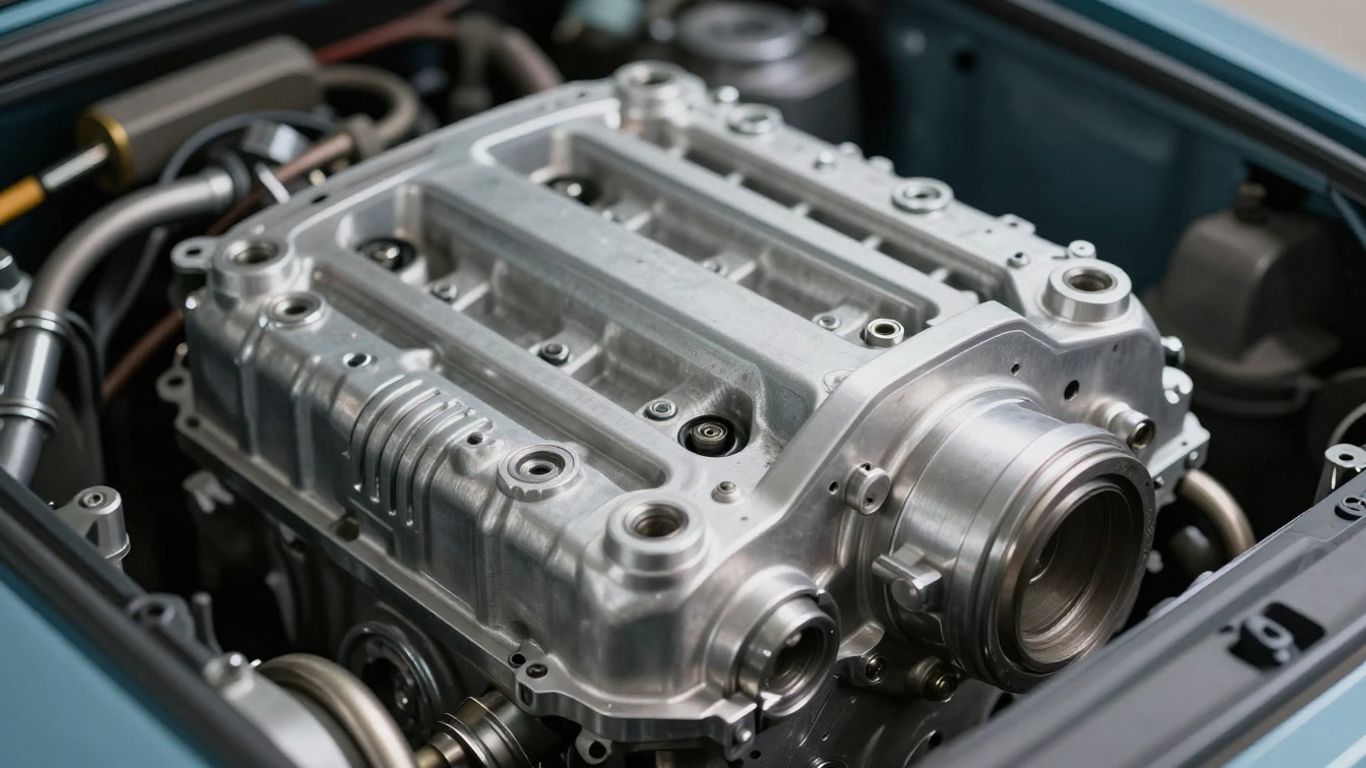
So, you’ve decided a reconditioned engine is the way to go for your car in Melbourne. That’s a smart move, but the next big step is finding someone trustworthy to get it from. It’s not just about the engine itself; it’s about the whole experience, from the initial chat to getting it fitted and any support down the line. Picking the right supplier can make all the difference between a smooth ride and a whole lot of headaches.
Researching Melbourne Engine Specialists
Start by looking around for businesses in Melbourne that focus specifically on reconditioned engines. Don’t just go for the first name you see in an online search. Think about local mechanics who might have a good relationship with engine rebuilders, or check out dedicated engine supply shops. A quick Google Maps search for "reconditioned engines Melbourne" is a good starting point, but then you need to dig a bit deeper.
Here’s a little checklist to get you started:
- Local Presence: Do they have a physical workshop or office in Melbourne? This often means they’re more invested in their local reputation.
- Specialisation: Do they primarily deal with reconditioned engines, or is it just one small part of what they do? Specialists usually have more focused knowledge.
- Vehicle Range: Do they handle engines for your specific make and model? Some places might focus on certain types of vehicles.
- Years in Business: How long have they been operating? A longer history can suggest stability and experience.
Importance of Supplier Reviews and Testimonials
Once you have a few potential suppliers in mind, it’s time to see what other people are saying. Online reviews are your best friend here. Look at Google reviews, Facebook pages, and any automotive forums where people might discuss their experiences. Pay attention to the details in the reviews – are people happy with the engine’s performance? Was the service friendly and helpful? Did they have any issues with warranties or follow-up support?
Don’t just skim the star ratings. Read a few of the positive ones to see what they did well, and definitely read some of the negative ones. Sometimes, a business handles negative feedback well, which can be a good sign. Other times, the same complaints pop up again and again, which is a big red flag.
It’s also worth asking around. If you know other car owners or mechanics, see if they have any recommendations. Word-of-mouth is still a powerful tool.
Verifying Business Credentials and Experience
Before you hand over any money, take a moment to verify the business. Check if they are a registered company. While not always a deal-breaker for smaller operations, it adds a layer of legitimacy. Look for clear contact information – a physical address, a phone number, and an email address. A professional-looking website can also be a good indicator, though it’s not the only factor.
Consider asking these questions directly:
- How long has your company been reconditioning engines?
- What kind of training or certifications do your mechanics have?
- Can you provide references from satisfied customers?
- What is your process for testing engines before they are sold?
Getting clear answers to these questions will help you feel more confident about the supplier’s background and their ability to provide a quality product.
Warranty and Support for Your Engine Purchase
You’ve finally picked a reconditioned engine, but what happens after you hand over the cash? For most folks, this is where peace of mind really matters. Let’s break down how warranties and support can shape your engine-buying experience.
Understanding Warranty Coverage Details
Always read the fine print on your engine’s warranty—those details matter when you need help most. Here’s what you’ll usually want to check:
- Coverage Period: Warranties often range from 6 months to 2 years, depending on the supplier.
- What’s Included: Some only cover major internal parts; others may include labor or extra components.
- Claim Procedure: Is it easy to get a claim approved, or do they make you jump through hoops?
| Warranty Feature | Typical Options |
|---|---|
| Length of Coverage | 6 months – 2 years |
| Parts Covered | Major internals, sometimes labor |
| Roadside Assistance | Rarely included |
| Transferable | Sometimes, ask supplier |
If you ever need to use your warranty, being clear about what’s actually covered means you avoid nasty surprises and pointless arguments.
What to Expect from Post-Purchase Support
Great support after the purchase isn’t just about the paperwork. A good engine supplier should offer:
- Reliable, fast communication for troubleshooting or questions
- Clear instructions for maintenance or minor issues
- Help finding out-of-stock parts or services
Some companies just disappear after the sale. Check if there’s a direct number, a local address, or if they only operate online. Test their customer service before buying—sometimes sending just one email can tell you everything you need to know.
Return Policies and Dispute Resolution
Let’s be real: Even with the best engine in the world, sometimes stuff just goes wrong. How do returns and problems actually work?
- Read the return policy: Will you get your money back or just store credit?
- Deadlines: How many days do you have to initiate a return?
- Condition on Return: Must it be unused and in original packaging, or will some shops accept a used engine?
- Who Pays Shipping: Find out if you need to pay to send the engine back, which can get pricey fast.
- Dispute Handling: Does the supplier offer a clear complaints process?
If a supplier dodges questions about returns or makes things sound vague, that’s a red flag. At the end of the day, a decent return or dispute system means less stress if you ever hit a snag with your new engine.
The Reconditioning Process Explained
Disassembly and Thorough Cleaning
So, what actually happens when an engine gets "reconditioned"? It’s not just a quick wipe-down. First, the whole engine is taken apart, piece by piece. Every single component is then cleaned. We’re talking about getting rid of all the old oil, carbon buildup, and any gunk that’s accumulated over years of use. This cleaning process is pretty important because it lets mechanics see the true condition of each part. They use special cleaning solutions and sometimes even ultrasonic cleaners to get into every nook and cranny. It’s like giving the engine a fresh start, making sure there’s no hidden damage lurking beneath the grime.
Replacement of Worn Parts
Once everything is clean and inspected, the real work begins. Mechanics go through each part and check it for wear and tear. Anything that’s not up to spec, or looks like it might fail soon, gets replaced. This isn’t just about swapping out obvious problems; it’s about replacing parts that are nearing the end of their lifespan. Think piston rings, bearings, seals, gaskets, and sometimes even valves or valve guides. The goal is to bring the engine back to its original operating tolerances, or as close as possible. This careful replacement is what separates a reconditioned engine from just a used one.
Precision Reassembly and Testing
After all the new and refurbished parts are ready, the engine is put back together. This is done with a lot of care and precision. Mechanics follow specific procedures to make sure everything is fitted correctly. It’s not just about bolting things back on; it’s about torque settings, clearances, and proper alignment. Once the engine is fully assembled, it doesn’t just get shipped out. It goes through a series of tests. This usually involves running the engine on a test stand to check oil pressure, compression, and look for any leaks. They want to make sure it runs smoothly and performs as it should before it ever makes it into a vehicle.
The reconditioning process is quite involved. It’s a multi-step approach that aims to restore an engine’s performance and reliability. It requires skilled technicians and a good understanding of engine mechanics to get it right.
Making the Final Decision for Your Vehicle
So, you’ve gone through all the research, weighed your options, and you’re almost at the finish line. This is where every detail matters, and the decisions you make here can shape how well your car runs for years. Here’s a deep look at what to think about when locking in your reconditioned engine choice for your car in Melbourne.
Matching Engine Specifications to Your Car
Get this step right, and you’ll dodge a mountain of trouble later. Always double-check that the engine you’re considering fits your car’s make, model, and year exactly. Compatible engines reduce headaches with mounts, wiring, and sensors. A mismatch can mean wasted money and massive delays, so ask the supplier these questions:
- Is the engine built for your car’s drivetrain (front/rear wheel drive, AWD)?
- Will the engine’s electronics (ECU, sensors) work with your system?
- What’s the engine code and VIN compatibility?
- Are any small adjustments or accessories needed for installation?
Considering Installation Services
You’ve found the right engine—now, who’s putting it in? Going with a skilled shop can save you from a ton of risk. Many suppliers offer bundle deals for engine plus installation. Think about:
- Is installation included in your quote?
- Does the shop guarantee their labor?
- How quickly can the install be finished?
Here’s a quick comparison for what to expect:
| Option | Price Range (AUD) | Warranty Provided | Install Time |
|---|---|---|---|
| Supplier’s Workshop | $800 – $1500 | Yes (common) | 1-5 days |
| Independent Mechanic | $900 – $1800 | Maybe | 2-7 days |
| DIY (not recommended) | $0 (your time) | No | ? |
If you’re not comfortable around engines, pay for a trusted mechanic to do the heavy lifting. A pro install now will save big headaches in the future.
Budgeting for Reconditioned Engines in Melbourne
Costs can sneak up fast, so lay everything out before you commit. Besides the price listed for the engine, include every extra charge:
- Engine price (base cost)
- Shipping/delivery if not local
- Installation labor
- Fluids, filters, and small parts
- Taxes and possible warranty add-ons
A typical reconditioned engine (4-cylinder) in Melbourne often lands in the $3,000–$6,000 window after everything is tallied up. If you stumble onto a deal that sounds much cheaper, triple-check exactly what’s included. Some super-low prices leave out critical parts or offer little in the way of support.
Getting your car back on the road should feel solid and stress-free. Take your time at this last stage and make calls or send emails if anything is unclear—they’re used to questions.
Wrapping It Up
So, picking out a reconditioned engine in Melbourne doesn’t have to be a headache. We’ve gone over what to look for, like checking the seller’s rep and making sure the engine specs match your car. It’s all about doing a little homework beforehand. By taking your time and asking the right questions, you can find a solid engine that won’t drain your wallet and will get you back on the road without too much fuss. Happy motoring!