So, you need to buy some new parts for your car’s engine. It’s not always easy to tell if you’re getting the real deal or a cheap knock-off. This can be a real headache, especially when your car’s performance and your safety are on the line. We’re going to break down how to identify original vs fake car engine parts so you can shop with more confidence. It’s about getting what you pay for and keeping your ride running right.
Key Takeaways
- Always check the packaging for professional branding, correct logos, and error-free text. Fakes often have small mistakes.
- Look for unique serial numbers or security features like holograms. These can usually be verified with the manufacturer.
- Inspect the part itself for any signs of poor manufacturing, like rough edges or uneven finishes. Genuine parts are usually well-made.
- Buy from places you trust, like authorized dealers or well-known suppliers. Be super careful with deals that seem too good to be true.
- When buying online, read reviews, check certifications, and understand the warranty and return policies before you click ‘buy’.
Understanding the Importance of Genuine Auto Parts
Why Genuine Auto Parts Matter
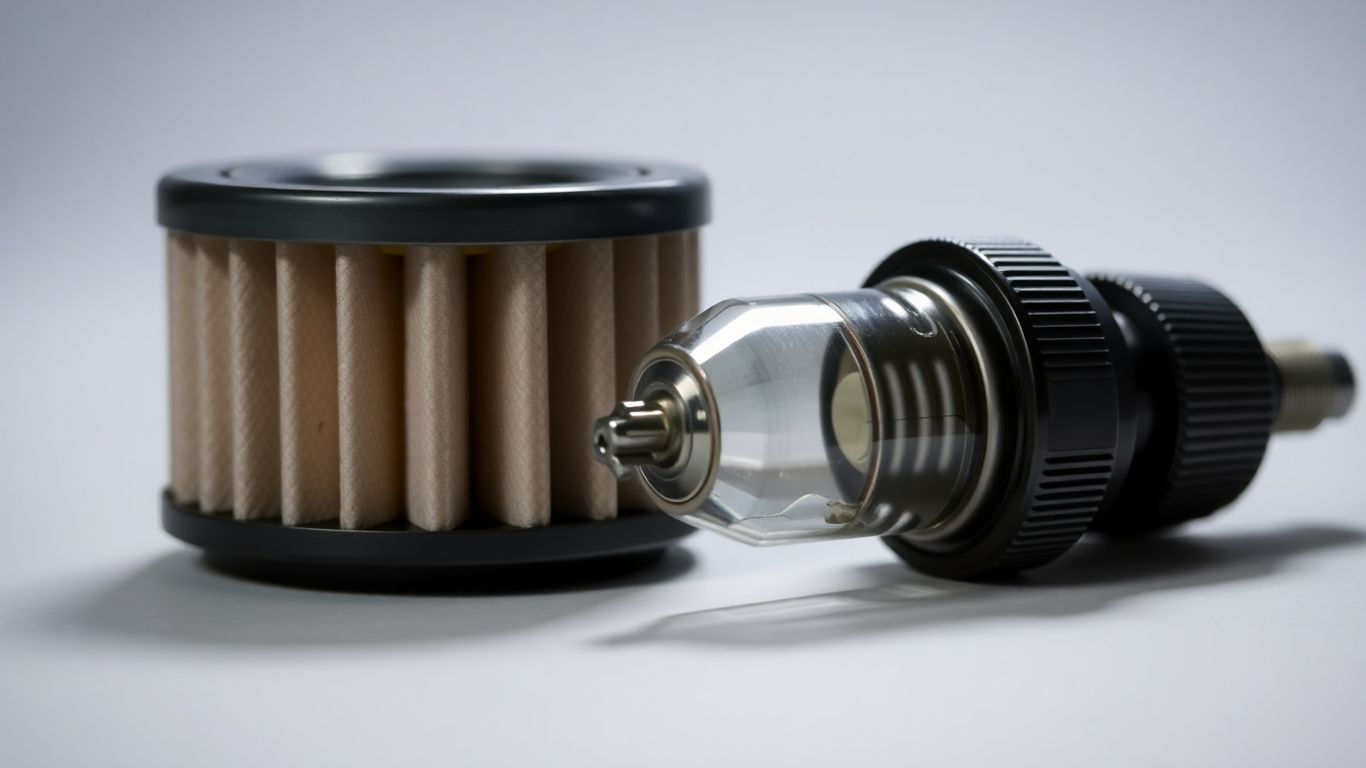
When you’re keeping your car running smoothly, every single piece matters. Think of your engine like a complex puzzle; each part has to fit just right to make the whole thing work. Genuine auto parts, often called OEM (Original Equipment Manufacturer) parts, are made by the same company that built your car. This means they’re designed specifically for your vehicle, fitting perfectly and performing exactly as intended. Using these parts helps your car run at its best, keeping things reliable and safe on the road. It’s about making sure your car performs the way the engineers designed it to.
The Risks of Counterfeit or Aftermarket Parts
It’s easy to get tempted by cheaper alternatives, but buying fake or low-quality parts can really come back to bite you. These parts might look similar, but they’re often made with cheaper materials and without the same attention to detail. This can lead to all sorts of problems, from your car not running right to serious safety issues. Imagine a brake component failing because it wasn’t made to the right standards – that’s a scary thought. Plus, these parts usually don’t come with any kind of warranty, so if they break, you’re on your own.
Counterfeit parts might save you a few bucks upfront, but the potential costs in repairs, safety risks, and reduced vehicle lifespan are almost always much higher.
Here’s a quick rundown of what can go wrong:
- Poor Fit: They might not connect properly, causing stress on other components.
- Reduced Durability: They can wear out much faster than genuine parts.
- Safety Hazards: In critical systems like brakes or steering, failure can be dangerous.
- Voided Warranties: Using non-approved parts can sometimes void your car’s existing warranty.
Cost Considerations and the Value of Genuine Auto Parts
Okay, let’s talk money. Genuine parts usually cost more than their knock-off cousins. That’s because they’re made with better materials and go through strict quality checks. But here’s the thing: you often get what you pay for. A genuine part might last twice as long, or even longer, than a cheap imitation. This means fewer trips to the mechanic, less hassle, and potentially better fuel efficiency because your car is running correctly. Over the life of your vehicle, investing in OEM parts can actually save you money and headaches.
| Part Type | Initial Cost | Expected Lifespan | Potential Issues |
|---|---|---|---|
| Genuine (OEM) | Higher | Long | Minimal, designed for perfect fit & function |
| Counterfeit/Fake | Lowest | Short/Unpredictable | Poor performance, premature failure, safety risk |
| Aftermarket | Varies | Varies | Quality can be inconsistent |
How to Identify Original vs Fake Car Engine Parts
So, you’re looking to buy some new engine parts, maybe a water pump or a set of spark plugs. It sounds simple enough, right? Well, not always. The market is unfortunately flooded with fakes, and they can look pretty convincing. Trust me, I learned this the hard way when a ‘deal’ on some brake pads turned out to be a nightmare waiting to happen. You really need to know what you’re looking for. It’s not just about saving a few bucks; it’s about keeping your car running right and, more importantly, keeping yourself safe.
Examine Packaging and Branding
First things first, take a good look at the box. Genuine parts usually come in packaging that feels solid, with crisp printing. Counterfeiters often cut corners here. Look for:
- Logo and Font Accuracy: Are the logos sharp and exactly as you’d expect? Sometimes fakes have slightly off colors or fonts that just don’t look right. It’s like a bad photocopy.
- Typos and Grammar: Seriously, if the box has spelling mistakes or awkward phrasing, that’s a huge red flag. Manufacturers usually have professional designers and proofreaders.
- Overall Quality: Does the cardboard feel flimsy? Is the printing smudged? Genuine packaging is usually well-made.
Verify Serial Numbers and Security Features
This is where things get a bit more technical, but it’s super important. Many manufacturers put unique identifiers on their parts.
- Serial Numbers: Most legitimate parts will have a serial number or part number printed on them. You can often cross-reference this number on the manufacturer’s official website to confirm it’s legit.
- Holograms and Security Seals: Keep an eye out for special stickers, holograms, or tamper-evident seals. These are designed to be hard to copy and are a good sign of authenticity.
- QR Codes: Some brands are now using QR codes that you can scan with your phone to verify the part’s origin and authenticity.
Inspect the Part for Manufacturing Imperfections
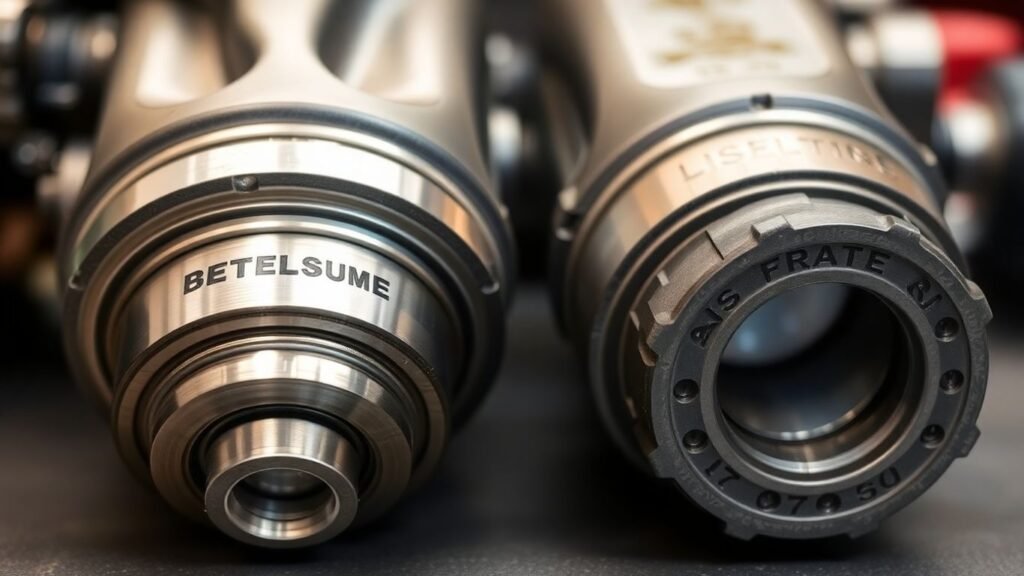
Once you’ve got the part out of the box, give it a good once-over. Fakes are often made with less precision.
- Material Quality: Does the metal feel cheap or flimsy? Are the plastic components brittle? Genuine parts use materials that meet specific standards.
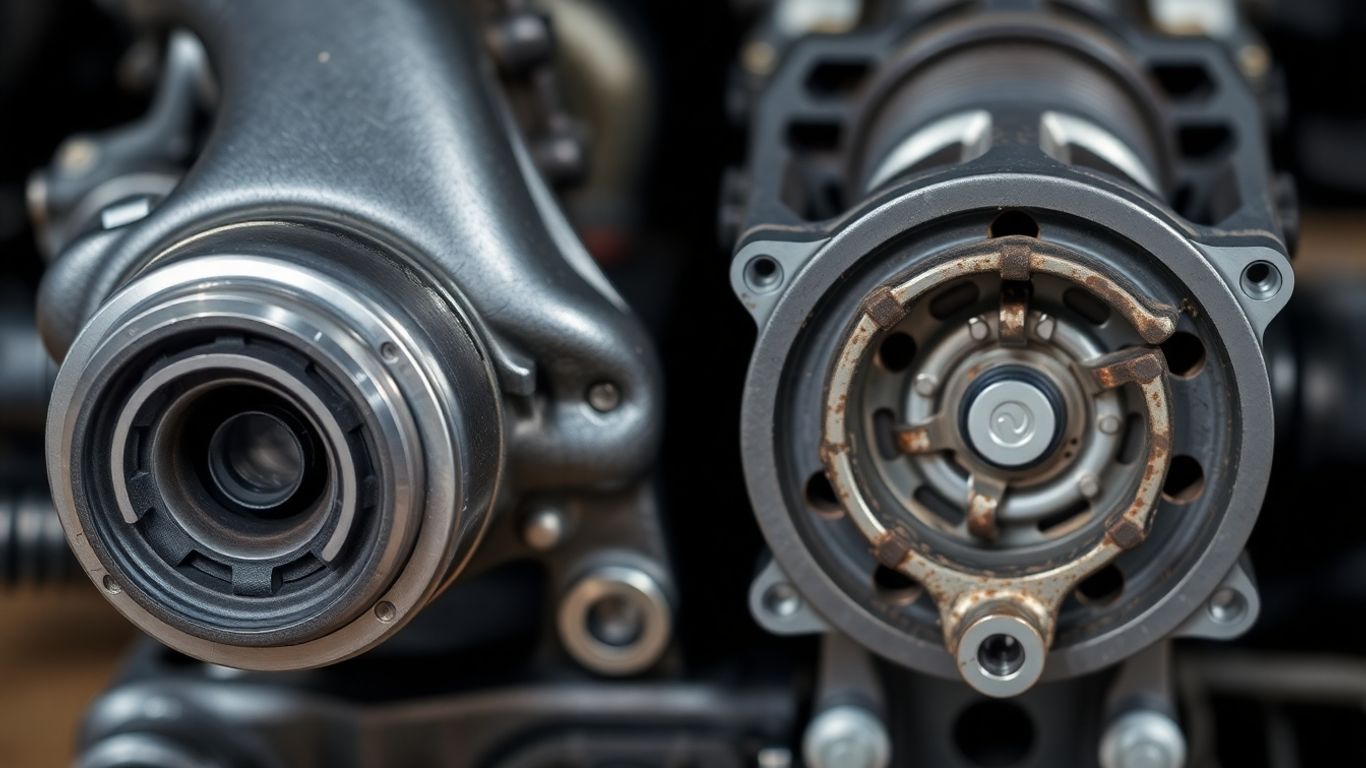
- Fit and Finish: Look for rough edges, uneven surfaces, or poor welding. If something looks sloppily made, it probably is.
- Symmetry: Sometimes, counterfeit parts aren’t perfectly symmetrical where they should be. This can affect how they fit and function.
Check ‘Made In’ Labels and Date Formats
Pay attention to where the part claims to be made and any date stamps.
- Country of Origin: While parts can be made in many countries, do a quick search to see if the stated country actually produces those types of components for that brand. Sometimes the labels are just plain wrong.
- Date Stamps: Look for any manufacturing dates or batch codes. Are they formatted clearly and consistently? Sometimes fake parts have odd or missing date information.
It’s easy to get caught up in a low price, but remember that a cheap part that fails prematurely can end up costing you much more in the long run, not to mention the potential damage to your vehicle or safety risks.
Here’s a quick rundown of what to look for:
- Packaging: Professional printing, correct logos, no typos.
- Part Itself: Solid feel, precise manufacturing, correct markings.
- Identification: Verifiable serial numbers, security features like holograms.
- Source: Buying from authorized dealers or reputable shops is always the safest bet.
Where to Find Authentic Car Engine Parts
So, you’ve learned how to spot a fake part, but where do you actually go to buy the real deal? It’s not always as simple as walking into the nearest store. You need to be smart about your purchasing locations to avoid getting ripped off.
Purchase from Authorized Dealers and Reputable Suppliers
Your safest bet is always going through official channels. Think of it like buying a designer handbag – you go to the official store or an authorized retailer, right? Cars are no different.
- Authorized Dealerships: These are the folks who originally sold you the car, or at least are certified by the manufacturer. They have direct access to genuine parts and are trained to know exactly what your car needs. Yes, they might cost a bit more, but you’re paying for that guarantee. It’s like getting a warranty on the part itself.
- Reputable Auto Shops and Independent Suppliers: Many established repair shops and parts suppliers have built their business on trust. They know the importance of using quality components and usually have good relationships with manufacturers or distributors. Look for places that have been around for a while, have positive customer feedback, and are transparent about where they get their parts.
Explore Official Manufacturer Websites and Online Stores
Nowadays, you can buy almost anything online, and car parts are no exception. Many car manufacturers have their own official online stores. This is a great way to get genuine parts delivered right to your door. You can often search by your car’s specific make, model, and year, which helps a lot.
- Manufacturer Websites: Check if your car’s brand has an official parts website. You can usually find the exact part number you need there.
- Verified Online Marketplaces: Some big online retailers have sections where official brands sell directly, or they have specific programs to verify sellers. Look for tags like "Sold by [Manufacturer Name]" or "Genuine Part."
Be Wary of Unbelievable Discounts and Unknown Sellers
This is a big one. If a deal seems too good to be true, it almost always is. Counterfeiters love to lure people in with super low prices. A significant discount on a major engine part is a huge red flag.
When you see prices that are drastically lower than what you’d expect from an authorized dealer or a well-known supplier, take a step back. It’s often a sign that the part might not be genuine, or it could be of very poor quality. The potential cost of a part failure – including damage to other engine components and the risk to your safety – far outweighs any initial savings.
Always remember, investing in authentic parts is investing in your car’s reliability and your own safety. Don’t cut corners where it matters most.
Expert Insights and Real-World Examples
Learn from Auto Technician and Engineer Advice
Talking to people who work on cars every day, like mechanics and engineers, can really open your eyes. They see firsthand what happens when the wrong parts are used. Samantha Jones, an auto technician, put it plainly: "Genuine parts maintain the integrity of the vehicle. While aftermarket options can tempt budget-driven buyers, the risks of counterfeit products far outweigh the savings." It’s not just about saving a few bucks now; it’s about avoiding bigger problems later. Michael Torres, an auto engineer, also stressed the importance of verification, especially online. He advises, "Always verify serial numbers and certification when buying online. If the deal seems too good to be true, it probably is." These folks deal with the consequences of bad parts, so their advice is pretty solid.
Review Case Studies of Part Failures and Successes
Sometimes, hearing about what went wrong (or right) with actual cars makes the point clearer than anything. Take the case of a driver who decided to save money on brake pads. They bought what they thought were good deals online, but within three months, those pads were wearing out fast, almost causing an accident. Once they switched to actual OEM (Original Equipment Manufacturer) parts, the problem just disappeared. Then there’s the car enthusiast who opted for genuine parts when upgrading their engine. They reported better acceleration, the engine ran more smoothly, and they didn’t have to deal with as many repairs over the next couple of years compared to a friend who went the cheaper route.
Here’s a quick look at what can happen:
- Genuine Parts: Improved performance, longer lifespan, fewer repairs, better safety.
- Counterfeit/Low-Quality Parts: Unexpected failures, poor performance, safety hazards, frequent replacements, potential for more damage.
When you’re looking at car parts, remember that the cheapest option often comes with hidden costs. A part that fails prematurely can damage other components, leading to much more expensive repairs down the line. It’s usually better to pay a bit more upfront for a part that’s made correctly and will last.
It really comes down to trusting the source and the quality. If a part doesn’t look right, or the price seems way off, it’s probably best to walk away. Your car, and your wallet, will thank you for it.
Ensuring Authenticity When Buying Online
Buying car parts online can be super convenient, right? You can find almost anything without leaving your couch. But, it also opens the door to some shady characters trying to pass off fakes as the real deal. It’s a bit of a minefield out there, so you’ve got to be smart about it. Paying close attention to details is your best defense against getting ripped off.
Read Customer Reviews and Check Certifications
Before you even think about clicking ‘buy,’ spend some time digging into what other people are saying. Look for reviews on the seller’s page, but also check independent car forums or enthusiast groups. Sometimes, people will post about their experiences with specific sellers, good or bad. If a seller has a ton of glowing reviews, that’s a good sign. Also, see if the seller mentions any certifications or partnerships with manufacturers. It’s not a guarantee, but it adds a layer of trust.
Verify Manufacturer Information and Part Numbers
This is super important. Always, always double-check the part number. Your car’s manual or a quick online search for your specific make, model, and year should tell you exactly what number you need. Then, compare that number to the one listed by the online seller. If they don’t match, or if the seller is vague about the manufacturer, walk away. Look for sellers who clearly state the manufacturer and provide detailed product information. Sometimes, you can even find QR codes on the packaging that you can scan to verify the part’s origin.
Understand Warranty and Return Policies
What happens if the part you get is faulty, or just doesn’t fit? A good seller will have a clear warranty and return policy. A solid warranty shows they stand behind their products. Check how long the warranty lasts and what it covers. Also, look at their return policy – is it easy to send something back if it’s not right? If a seller makes it difficult to return items or doesn’t offer any warranty, that’s a big red flag. You don’t want to be stuck with a useless part and no way to get your money back.
Buying online means you can’t physically inspect the part before you pay. That’s why you have to rely on the seller’s reputation, the information they provide, and their policies to make an informed decision. If something feels off, it probably is.
Wrapping It Up
So, we’ve gone over a bunch of ways to tell if that car part you’re looking at is the real deal or just a cheap knock-off. It can feel a little overwhelming at first, but honestly, it’s mostly about paying attention to the details. Check the box, look for weird logos or typos, and if a price seems way too good to be true, it probably is. Sticking to places you trust, like dealerships or well-known shops, is usually the safest bet. Putting genuine parts in your car might cost a bit more upfront, but it’s really about saving yourself headaches and money down the road. Your car deserves good parts, and now you know how to find them.
Frequently Asked Questions
Why are real car parts so important?
Real car parts, also called OEM parts, are made specifically for your car model by the company that built it. They fit perfectly and work just like the original parts. Using them keeps your car running smoothly, safely, and reliably, just as the manufacturer intended.
What happens if I buy fake car parts?
Fake parts are often made with cheap materials and aren’t built precisely. This can cause them to break easily, not fit right, or even lead to dangerous situations like brake failure or engine problems. They also usually don’t come with a warranty, so you’re out of luck if they fail.
How can I tell if the packaging is fake?
Look closely at the box! Real parts usually have clean, professional packaging with clear logos and no spelling mistakes. Fake packaging might have blurry logos, weird fonts, or errors in grammar. If the box looks cheap or has mistakes, it’s a big warning sign.
What should I look for on the part itself?
Genuine parts are usually well-made and look symmetrical. Fake ones might have rough edges, uneven finishes, or look slightly ‘off.’ Also, check for any unique serial numbers or security features like holograms – these are often missing on fakes.
Where is the safest place to buy car parts?
The best places to buy real parts are authorized dealerships for your car’s brand or well-known, reputable auto parts stores. Buying directly from the manufacturer’s official website is also a safe bet. Be very careful with online sellers offering prices that seem too good to be true.
What if a deal looks too good to be true?
If a price for a car part seems incredibly low, especially compared to other places, it’s probably a fake or a very low-quality part. Scammers often use huge discounts to trick people. It’s better to pay a bit more for a real part than to risk buying a fake one that could damage your car or cause an accident.