Key Takeaways
- Sourcing a replacement engine requires balancing cost with long-term reliability and compatibility.
- Always verify your engine choice using your vehicle’s unique identification number for a perfect fit.
- Freight logistics often involve specialized delivery requirements compared to standard household courier services.
- Reliability in a supplier is best evaluated through recent customer feedback and verified industry business certifications.
- Proper workspace preparation ensures that offloading and installing heavy machinery proceeds without safety incidents or damage.
Evaluating engine sourcing options
Transitioning to a new engine setup requires careful research to ensure the replacement keeps your car running reliably for years. Whether you are browsing catalogs or contacting specialists directly, your primary goal is finding a unit that aligns with your vehicle’s specific operational needs.
Benefits of remanufactured engines
Remanufactured units are often the preferred choice for vehicle owners who want durability similar to a factory-fresh component. These engines undergo a complete inspection and refurbishment process where worn parts are replaced to meet strict performance metrics. Investing in a professionally rebuilt power unit can significantly extend the lifespan of an aging chassis while avoiding the volatility that often accompanies a high-mileage salvage part.
Considerations for buying used engines
Buying used parts from sources like Premium Used Auto Parts offers a way to restore your vehicle without the premium expense of a new build. These components come directly from donor vehicles and are typically tested for mechanical functionality before hitting the market. It is crucial to look for units that have documented history and verified performance checks to negate the risks associated with older equipment.
Verifying engine compatibility with your vehicle
Ensuring your new engine matches your vehicle’s technical specifications is the most significant step in preventing installation failures. Using your unique VIN is the industry standard practice for guaranteeing that mounting points, electrical sensors, and plumbing align with the existing framework of your car. Neglecting this verification step often leads to extensive modification requirements and expensive labor delays during the garage phase.
Importance of checking warranty coverage
Securing a comprehensive warranty is your secondary line of defense against unforeseen mechanical failures shortly after installation. Reputable distributors offer various tiers of protection that cover parts and sometimes labor costs, reducing your long-term personal financial risk. Before finalizing any purchase, compare coverage terms carefully, as the scope of what is protected can vary significantly between different engine providers.
Understanding shipping and freight logistics
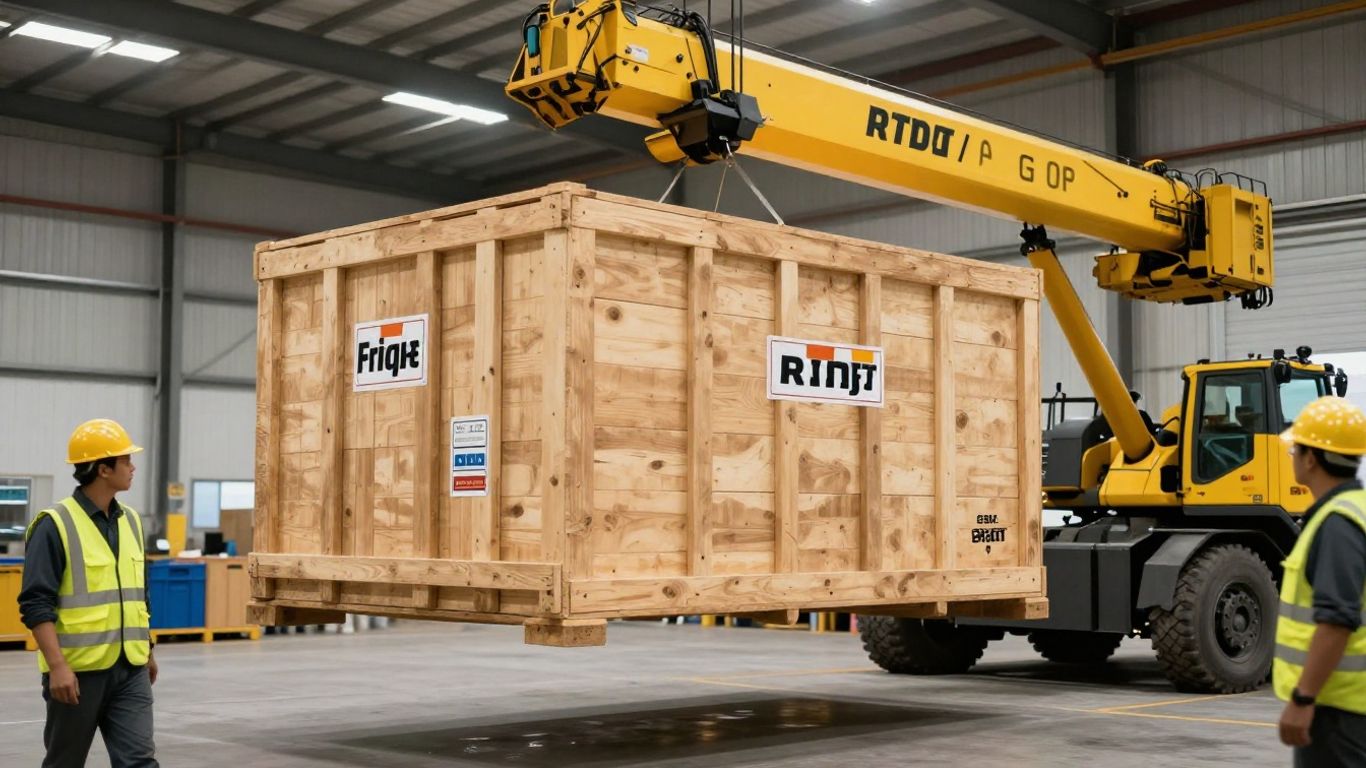
Navigating the complexities of heavy freight requires understanding how large, high-value components traverse the country to reach your location. Unlike standard consumer parcels, an engine shipment usually involves palletized freight that demands specialized handling and clear communication with the carrier throughout the transit process.
Freight shipping versus standard courier services
Standard couriers handle smaller packages that usually arrive at your door in a few days. Engine shipments instead move through dedicated freight networks using pallet jacks and liftgate trucks capable of handling several hundred pounds safely. This logistics structure is essential because the weight and size of an engine exceed the operational limits of traditional logistics providers, necessitating a specialized approach.
Residential delivery requirements and capabilities
If you are having an engine shipped directly to your personal home rather than a mechanic shop, you must prepare for specific delivery constraints. Most freight carriers require a liftgate truck to lower the crate from the trailer bed to the street level, as manual unloading is rarely safe or practical for the driver. You should verify your driveway’s surface, as it must be stable and level enough to support the weight of these specialized delivery trucks.
Handling crate arrival and initial physical inspection
When the shipment reaches your workspace, it is vital to perform a thorough exterior check before the carrier departs. You must look for any structural compromises or fluid leaks that indicate rough handling during the transit phase. If the crate appears damaged, noting it on the receipt helps protect your potential damage insurance claim.
Managing transit times for urgent repair requirements
If you need a new car engine fast delivery service, working with suppliers who have distributed warehouses is essential. These networks keep inventory closer to major logistical hubs, which minimizes the time your vehicle spends waiting in a shipping terminal. You can keep track of progress through the following timeline stages:
- Initial sourcing and VIN verification by shop staff.
- Scheduled crate withdrawal and palletizing at the distribution hub.
- Regional transit through the freight carrier’s network.
- Local delivery appointment scheduling for the final mile arrival.
Following these steps ensures that you remain informed about where your freight is at every stage of the journey.
Assessing supplier reliability for speed and quality
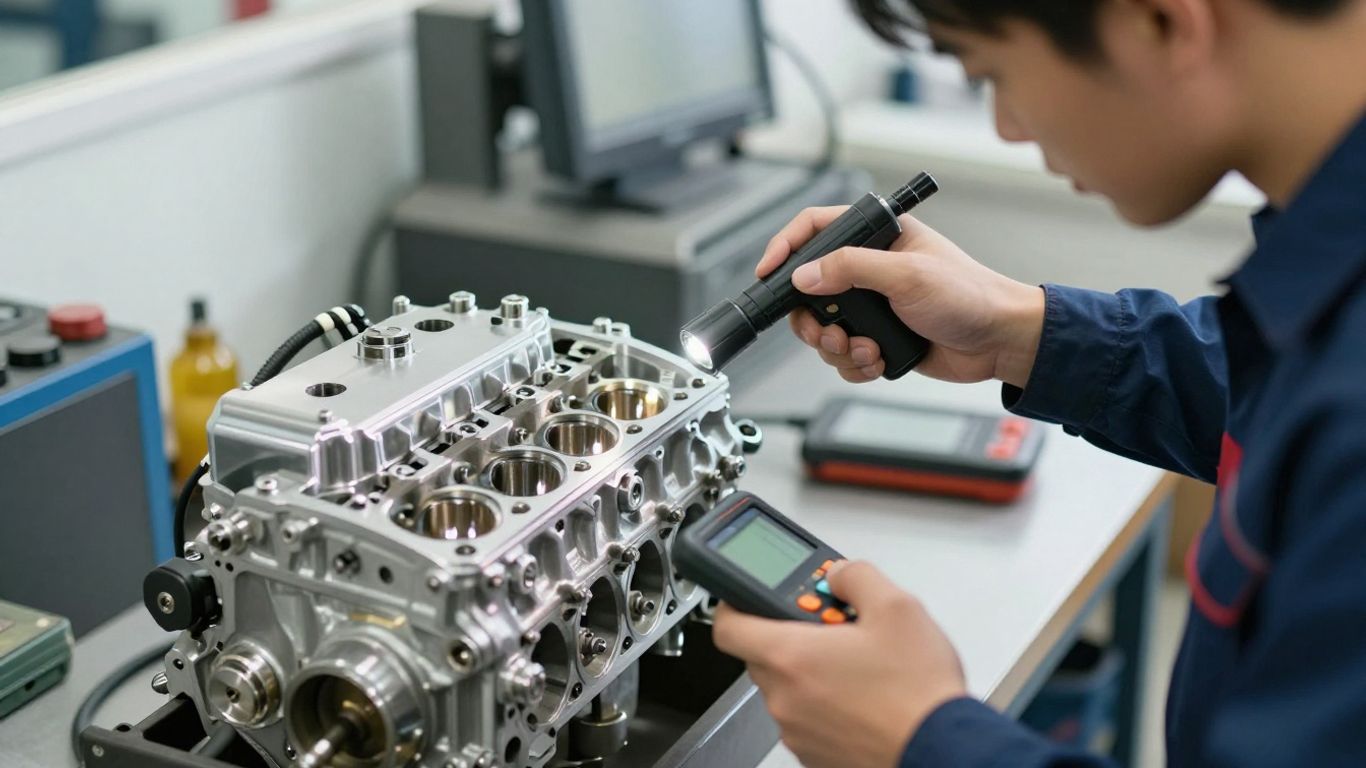
Finding a trustworthy partner in the automotive parts industry makes the difference between a smooth repair and a protracted headache. A reliable distributor does not just promise high-quality parts; they also maintain transparent communication throughout the fulfillment and shipping stages to prevent disruptions.
Identifying reputable engine distributors
Reputable distributors prioritize precise VIN-verified engine matches over quick sales. They demonstrate institutional knowledge by asking relevant questions about your specific vehicle configuration before finalizing an order. You can identify these partners by assessing their history and the consistency of the technical support provided to professional mechanics across the region.
Checking customer reviews for shipping consistency
Customer reports often reveal how a company handles the logistical realities of high-value freight delivery. Look for feedback regarding damage mitigation, communication during delays, and the professional conduct of the delivery crews. Positive reviews that specifically mention timely shipping and robust pallet stabilization indicate a company that values its operational reputation above volume alone.
Verifying business certifications and industry standards
Industry certifications serve as a benchmark for quality and compliance in the automotive repair market. Businesses that adhere to documentation standards and follow rigorous testing cycles for used or remanufactured parts are safer bets for long-term reliability. Checking for these credentials provides an objective way to filter out entities that lack the infrastructure required for safe, professional-grade engine distribution.
Essential questions to ask before placing an expedited order
Before you commit to an expensive expedited shipping option, you need to clarify precisely what the supplier is guaranteeing. The current service landscape often involves complex arrangements, so you should compare your options against the following criteria:
| Feature | Expedited Shipping | Standard Freight | Estimated Delay |
|---|---|---|---|
| Transit Priority | High | Low | 3-5 days |
| Handling Steps | 2 | 5 | 7-10 days |
| Support Access | Direct Agent | Automated | 14+ days |
By asking providers directly about their internal fulfillment timelines, you ensure that your expectations for speed are aligned with the reality of the carrier’s capabilities.
Cost estimation and budget planning
Budgeting for an engine replacement often requires looking beyond the sticker price of the component itself. You must factor in the logistical costs and potential administrative fees that accumulate while moving heavy mechanical systems across the country.
Factoring in shipping premiums for fast delivery
Shipping a large engine crate as a priority item comes with a higher financial burden than standard ground shipping. Freight companies apply surcharges for high-demand routes, weekend delivery windows, or residential access requests. You should discuss these surcharges upfront so that the final quote accurately reflects the total cost of bringing the engine to your door.
Costs of core charges and deposit handling
Many suppliers manage inventory flow through a core charge system, where you pay a deposit that is refunded once your old engine is returned to them. This system is a standard part of the remanufacturing ecosystem, designed to keep usable materials circulating through the industry. Keep in mind that you will be responsible for the shipping cost of your old unit if you intend to recover that deposit.
Additional expenses for expedited fulfillment windows
Preparing a crate for immediate departure from a warehouse creates extra labor for the supplier, which is reflected in expedited fulfillment fees. This cost covers the need for prioritization at the staging area, which allows your order to skip ahead of routine domestic shipments. While the expense is higher, it can be cost-effective for shops that gain income by reducing the total downtime of a customer’s vehicle.
Understanding insurance options for high-value engine shipments
Protecting your purchase against freight damage requires careful appraisal of available insurance options. Standard carrier liability is often limited, which may not cover the full replacement cost of a high-end powertrain. Investing in supplemental insurance ensures that if the worst happens during transit, you are not left with the full burden of loss.
Preparation for engine delivery and installation
Properly setting up your garage environment determines whether you can receive and handle the delivered engine without incurring further costs. Safety is the primary concern, as a heavy engine block represents a significant risk without the correct equipment to manage the weight.
Preparing your garage or workspace for heavy freight
Clear your floor space entirely for the arrival of the pallet to provide at least six feet of clearance on all sides. A clean, obstruction-free zone allows you to operate pallet jacks or heavy lifts without risk of bumping into equipment or tripping. Verify that your floor is level, as sloped surfaces make moving heavy freight hazardous for the driver and your assistants.
Essential tools for safe offloading
Attempting to move an engine without specialized tools is a risk you should avoid. You must have access to a high-capacity engine hoist and potentially a set of wheel dollies if you need to maneuver the unit into a specific bay within your shop. Using the right load-rated straps ensures that the weight remains balanced during the hoist process, preventing the engine from shifting or sliding while suspended.
Coordinating delivery windows with your professional mechanic
Synchronization between the supplier, the delivery carrier, and your mechanic is the final piece of a successful engine swap. You should provide your mechanic with the estimated arrival window so they can schedule their labor around the unit’s physical arrival at the site. This alignment prevents idle time where expert labor is ready but the required engine has not yet been cleared for installation.
Documenting parts and conditions immediately upon arrival
Once the crate enters your shop, take detailed photos before breaking the security seals to establish a baseline of the engine’s external condition. Keeping these records ensures that you are covered if any internal damage or missing parts are discovered during the subsequent teardown. Maintaining clear documentation helps resolve any discrepancies with the distributor quickly and clarifies your claims for warranty support if needed later.
Conclusion
Successfully managing the procurement and delivery of a new car engine requires balanced attention to technical specs, logistical realities, and logistical planning. By following these structured steps to source your component, you minimize downtime and ensure the long-term integrity of your repair effort while maintaining a clear and controlled budget throughout the replacement process.