Key Takeaways
When sourcing industrial components, verification is essential to maintain operational longevity and safety. Follow these five core steps to ensure you choose the right partner:
- Validate all manufacturer certifications against current industry standards.
- Confirm supply chain transparency by verifying raw material sources.
- Ensure access to responsive post-installation technical and maintenance support.
- Recognize common communication red flags like ambiguous pricing structures.
- Investigate long-term industry reputation and financial health indicators.
Assessing manufacturer certifications and technical standards
Identifying a high-quality partner begins with their adherence to documented quality controls. Reliable manufacturers operate under verified frameworks that ensure consistency across every production batch. When you trust a reliable motor supplier, you rely on their commitment to documented specifications rather than marketing claims.
Importance of ISO and industry-specific compliance
International standards such as ISO 9001 provide a foundational baseline for quality management systems. These certifications denote that a supplier has established processes for product design, manufacturing, and continuous improvement, ensuring your equipment meets rigorous environmental and performance expectations.
Evaluating technical documentation and product testing
Extensive data sheets are necessary to confirm your selected equipment matches the specific load requirements of your application. Reviewing these documents during the selection process helps prevent costly integration errors caused by faulty assumptions regarding power output or frame size.
| Certification Type | Standard Ref | Applicability Level |
|---|---|---|
| Quality Management | ISO 9001 | Worldwide |
| Environmental Audit | ISO 14001 | Global Facilities |
| Safety Standards | IEC 60034 | Motor Performance |
These testing documents are the primary evidence of product durability under industrial stress. Reviewing the reports provided by the test departments ensures that performance ratings are not merely estimates but proven results.
Identifying verified third-party quality audits
External auditing serves as an objective check on factory conditions and internal quality control protocols. High-performing suppliers typically offer reports from independent bodies, which confirm that the claims regarding their manufacturing maturity are factual.
What warranty terms reveal about reliability
Warranty periods provide a window into how confident a manufacturer is in their own product life cycle. Limited terms or convoluted exclusions often point to underlying concerns regarding the durability of internal components.
Evaluating supply chain transparency and stability

Supply chain volatility can interrupt your project timelines unexpectedly. Understanding the stability of a supplier’s network allows you to anticipate potential bottlenecks before they affect your production schedule. A transparent partner provides visibility into their logistics network to help mitigate these risks.
Determining the supplier’s source of raw materials
Tracing the origin of metals and semiconductors is essential for verifying the quality of the final assembly. Suppliers who maintain direct relationships with foundational component manufacturers are better positioned to guarantee the integrity of the materials used in your specific unit.
Analyzing lead times and inventory management capabilities
Accurate lead time forecasting distinguishes efficient operations from those struggling with administrative backlog. Reliable suppliers use modern inventory management systems to ensure they maintain sufficient buffer stock for high-demand configurations.
- Review current order volume and seasonal production spikes.
- Verify the availability of replacement parts for legacy modules.
- Ask for documented historical lead time performance metrics.
These metrics demonstrate the ability of the supplier to handle fluctuations in demand without resorting to poor quality substitutes. By analyzing their inventory turnover rate, you establish a clearer picture of their operational competence.
Reducing risk through logistics and shipping reliability
Shipping delays often arise from inadequate planning or weak relationships with primary logistics providers. A stable supply chain relies on multiple shipping pathways to keep equipment moving even when regional or global logistical networks face disruption.
Evaluating the impact of domestic versus international partnerships
Selecting a domestic or international partner depends largely on your need for speed versus specialized feature sets. Domestic suppliers provide faster shipping times, whereas international partners may offer broader technical capabilities tailored to specialized, niche engineering requirements.
Analyzing customer support and engineering expertise
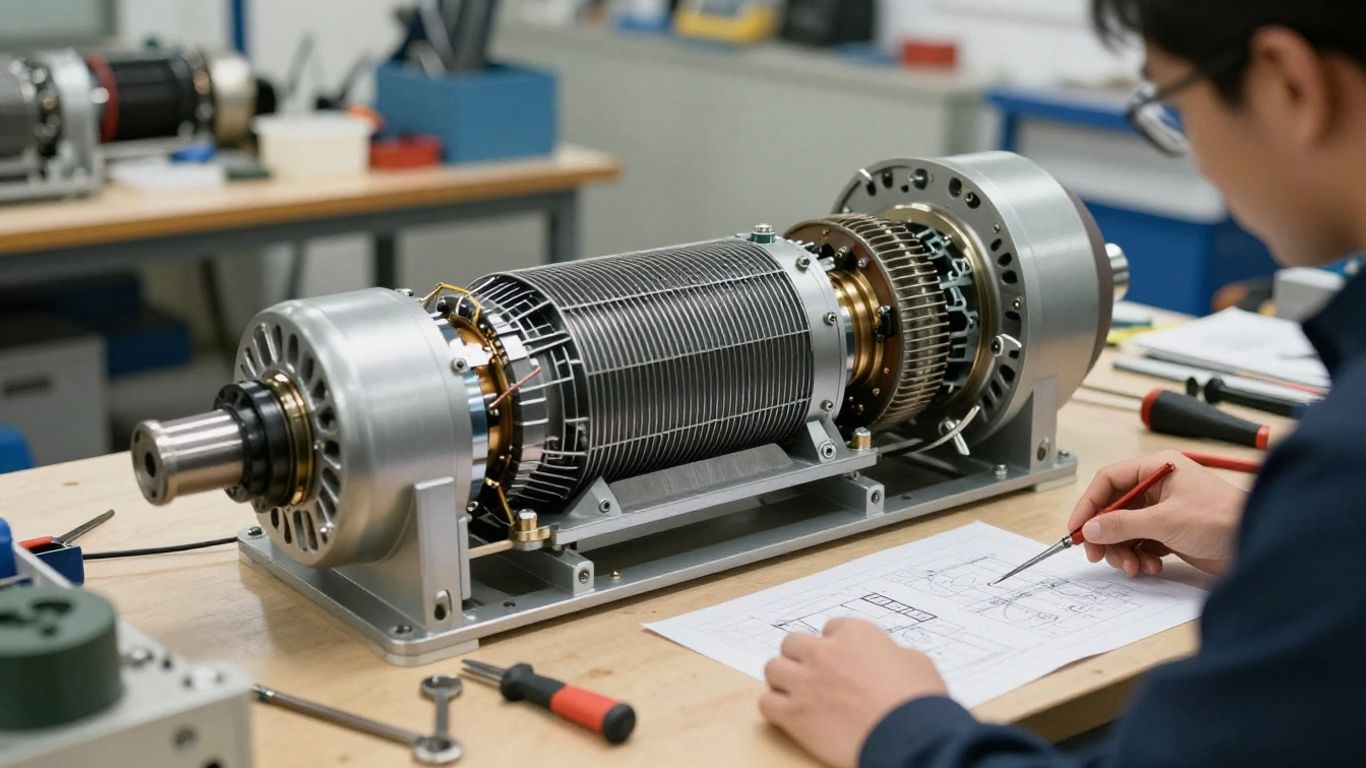
Engineering support is often the deciding factor in how quickly your equipment becomes functional after delivery. While a product specification sheet lists the mechanical output of a motor, the support team determines the actual success of your implementation. A deep bench of engineering talent allows a manufacturer to help solve complex integration challenges that your internal team might not have faced before.
Assessing technical responsiveness during and after installation
Rapid responses to installation inquiries prevent stalled projects and minimize downtime. Engineering support teams should be reachable through direct channels to ensure that your specific implementation parameters are understood and addressed by someone with deep technical knowledge.
The role of direct maintenance support and troubleshooting access
Access to maintenance guides and live technical assistance is vital when unexpected mechanical behavior occurs in the field. Having a direct line to the engineering team that designed the motor allows for rapid diagnosis and effective resolution of operational issues.
Value of collaborative design capabilities for unique project requirements
True engineering partners offer expertise that extends beyond standard catalog options. When your project demands a unique configuration or integrated control system, their ability to collaborate on custom design work ensures the final hardware perfectly matches your desired industrial outcome.
Spotting red flags in supplier communication
Communication styles often reveal the underlying organizational culture of a potential supplier. When information is withheld or presented in a vague manner, it suggests a lack of alignment with professional expectations for industrial partnership.
Warning signs in pricing that deviates significantly from market averages
Prices that sit well below market averages often indicate compromised quality or the omission of vital safety features. Such deviations usually suggest that the supplier is cutting costs on labor, materials, or necessary durability testing to capture quick profit margins.
Ambiguity regarding intellectual property and component patent rights
Transparency regarding component patents is a hallmark of legitimate manufacturers. If a supplier fails to provide clear details regarding the origin of their technical property, it creates an ongoing legal and operational risk for your firm.
Evaluating the professional depth and accuracy of technical literature
Technical writing should be precise, clear, and focused on the facts of the motor performance. When manuals are filled with generic language or contradictory data, it is a sign that the manufacturer may not hold the level of engineering discipline required for a reliable partnership.
Verifying track records through industry reputability
Long-term industry presence indicates a history of adaptability and performance. Companies that have successfully served their customers for decades have survived by iterating their designs and responding to the changing needs of the industrial market.
Interpreting client testimonials and long-term project case studies
Case studies should highlight how specific equipment solved actual industrial hurdles. Looking at how a client achieved success through a specific motor configuration can provide helpful insight into whether a supplier truly understands your industry’s standards.
Networking with professional peers to validate supplier performance
Industry events and professional groups are excellent sources for gauging a supplier’s reputation among those who have actually used their services. Talking to peers who have successfully integrated these components reveals realistic expectations regarding maintenance and long-term reliability.
Checking market longevity and financial health indicators to ensure long-term stability
Market longevity serves as an objective indicator of how a supplier has navigated historical economic cycles. Reviewing publicly available financial health data helps verify that your chosen partner has the capital required to support their product long into the future.
Conclusion
Selecting an industrial supplier is a deliberate exercise in risk management that requires deep scrutiny of certifications, logistical stability, and technical support access. By prioritizing evidence-based validation over surface-level claims, you ensure your operations remain supported by reliable equipment and a partner invested in your long-term efficiency.