

Key Takeaways
Engine reconditioning is a measured process: assess the engine first, then decide which parts can be restored and which need replacement. The right scope depends on its condition, specifications, and the vehicle owner’s priorities.
- The terms reconditioning, rebuilding, and replacement can mean different things between workshops, so confirm the proposed scope.
- Diagnosis and measurements help determine whether the engine can be repaired in place or should be removed.
- Cleaning and inspection come before decisions about machining and replacement parts.
- Clearances, torque settings, and manufacturer specifications guide careful reassembly.
- Compare the written scope, parts, testing, warranty, and total estimate before choosing a repair option.
What engine reconditioning involves
Engine reconditioning generally means assessing an engine and restoring serviceable components while replacing parts that are worn or damaged. The exact work varies with the engine’s design and condition, so the term is best understood as a process rather than a fixed package. If you want to learn about engine reconditioning process, start by asking what the workshop will inspect and what its estimate includes.
How reconditioning differs from a rebuild or replacement
Workshops do not always use “reconditioning,” “rebuild,” and “overhaul” in exactly the same way. A reconditioning job may involve removing and dismantling the engine, while a more limited repair could address only an accessible fault. Replacement, by contrast, means fitting another engine rather than restoring the one already in the vehicle. Ask for a written description of the work so you can compare options on the same basis.
Which engine components may be restored or replaced
The parts involved depend on what inspection and measurement reveal. Some components may be cleaned and reused if they meet the engine’s requirements; others may need machining or replacement. This overview shows why a part-by-part assessment is more useful than assuming every reconditioning job includes the same work.
| Component area | Possible action | What guides the decision |
|---|---|---|
| Engine block and bores | Clean, inspect, or machine | Measurements and manufacturer limits |
| Crankshaft and bearings | Inspect, machine, or replace parts | Surface condition and clearances |
| Cylinder head and valves | Inspect, repair, or machine | Flatness, wear, and sealing condition |
| Seals and gaskets | Replace as required | Condition and reassembly needs |
The table is a guide, not a parts list for every engine. The workshop should explain which items are included, which are conditional, and how additional work would affect the estimate.
When reconditioning can make sense
Reconditioning may be worth considering when the engine has a repairable fault and inspection suggests its main components can meet the required specifications after suitable work. It may also suit an owner who wants to keep the existing vehicle and has weighed the cost against other options. The engine’s measured condition matters more than a general label: severe damage or unavailable parts can change the decision. A diagnosis and a clear estimate help establish whether the work is practical.
Assessing the engine’s condition
A workshop begins by building a picture of the engine’s condition before recommending a scope of work. That picture comes from the driver’s observations, service records, diagnostic checks, and physical inspection. No single symptom establishes that reconditioning is necessary, so findings should be considered together.

Reviewing symptoms, service history, and diagnostic results
The owner’s description can help a technician decide where to investigate first. Notes about when a noise occurs, changes in oil use, overheating, starting trouble, or warning lights can be useful alongside service and repair records. Diagnostic results add another perspective, but they need to be interpreted in the context of the particular vehicle and engine.
A short record of what has changed is often more useful than a general description such as “it runs badly.” Before the inspection, gather details like these:
- When the symptom began and whether it is getting worse.
- Whether it occurs at startup, under load, or while idling.
- Any recent repairs, maintenance, or warning lights.
- Changes in oil or coolant level, smoke, sound, or performance.
These observations help focus the inspection; they do not identify the cause by themselves. The workshop can use them to decide which tests or checks are appropriate next.
Checking compression, oil pressure, and fluid condition
Compression and oil-pressure checks can provide useful evidence about engine operation, while the condition and level of fluids may reveal issues that warrant closer examination. Results need to be judged against the applicable engine specifications and the test conditions. A single reading should not be treated as a complete diagnosis, especially when other symptoms or test results point in a different direction.
Deciding whether the engine can be reconditioned in place
Some faults may be investigated or repaired with the engine still installed, while work on internal components commonly requires more access. The decision depends on the suspected fault, engine layout, and what the initial checks reveal. The workshop should explain whether an in-place repair is feasible or whether removal is needed for a reliable inspection and estimate.
Removing, dismantling, and cleaning the engine
If the proposed work requires internal access, removal and teardown allow the workshop to examine components more closely. The steps vary by vehicle, and the process should follow the applicable service information and safety procedures. Keeping parts organized and recording their condition helps preserve useful information as the work proceeds.
Preparing the vehicle and removing the engine
Before removal, the vehicle is secured and the work area prepared. Technicians identify connections and surrounding components that must be disconnected, then remove the engine using suitable equipment and the vehicle-specific procedure. The exact sequence varies, so this is not a one-size-fits-all task or a substitute for the service instructions.
Documenting and inspecting components during teardown
As the engine is dismantled, parts can be kept in order and examined for wear, damage, or signs that may help explain the original symptoms. Notes and photographs can make it easier to track where components came from and which findings need follow-up. This record also supports a more transparent discussion if inspection changes the original estimate.
Cleaning parts before detailed measurements
Deposits and residue can make close inspection difficult, so components are cleaned using methods suited to their material and condition. Cleaning also helps prepare parts for accurate measurement, though it does not repair damage or prove that a component is serviceable. After cleaning, the workshop can examine surfaces and take measurements against the relevant specifications.
Inspecting and machining engine components
Inspection turns the teardown into a decision about which components can be reused, restored, or replaced. Measurements should be compared with the specifications for that engine, not judged only by appearance. The results determine whether machining is appropriate and help define the parts required for reassembly.
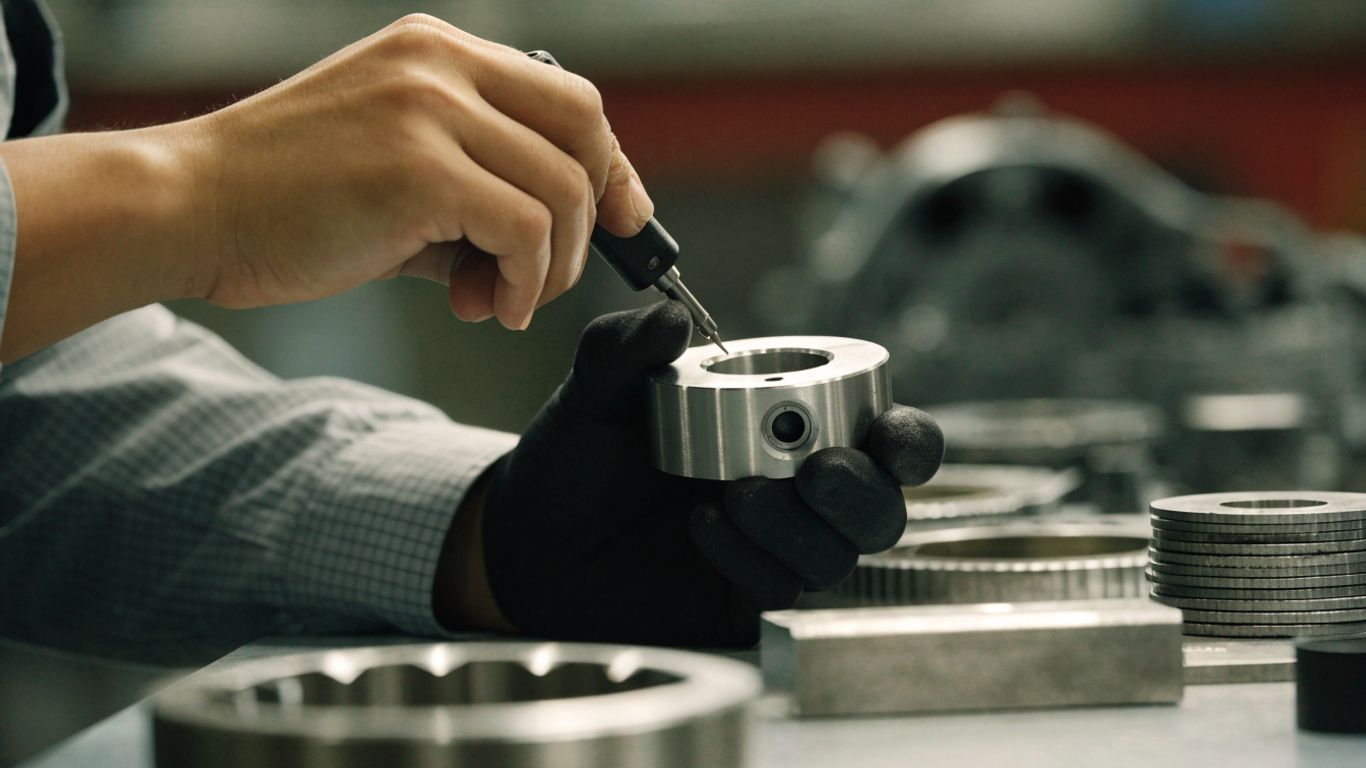
Measuring the block, crankshaft, and cylinder bores
The engine block, crankshaft, and cylinder bores are checked for condition and dimensions relevant to their operation. Technicians compare their measurements with the manufacturer’s limits and assess whether wear or damage can be corrected. The results help establish whether a component is suitable for reuse, needs machining, or should be replaced.
Checking the cylinder head, valves, and camshaft
The cylinder head and its related parts are inspected for wear, damage, and sealing concerns. Valves and the camshaft are assessed in relation to their condition and the engine’s specifications. Findings from this stage can affect the machining plan and the choice of replacement parts, so they should be reflected in the final scope.
Choosing machining work based on wear and specifications
Machining is not automatically required for every reconditioned engine. It is considered when measurements and inspection indicate that a suitable correction is possible and the work remains within the applicable specifications. The workshop should explain what is proposed and why, including any measurement or inspection finding that changes the initial plan.
Selecting replacement parts and reassembling the engine
Once inspection and machining decisions are settled, the workshop can identify the parts needed for reassembly. Part selection should account for engine specifications and the measurements taken during inspection. Careful installation matters just as much: components must be assembled in the correct order and to the applicable service requirements.
Matching pistons, bearings, seals, and gaskets to the measurements
Replacement parts should suit the engine and the dimensions established during inspection. Pistons and bearings, for example, must be considered alongside the relevant component measurements; seals and gaskets must also be appropriate for the application. Ask the workshop to clarify what parts are included and whether any selections depend on measurements made during machining.
Reassembling components to manufacturer specifications
During reassembly, components are fitted according to the correct sequence and manufacturer specifications. The technician follows the applicable service information for the particular engine rather than relying on a generic procedure. A clear record of parts and work completed can help the owner understand what the reconditioning included.
Preventing common errors with clearances and torque settings
Specified clearances and torque settings are essential reference points during assembly. Using the right values for the engine helps avoid relying on assumptions, while clean components and correct assembly order support a careful job. The owner can ask how the workshop documents these checks and what final inspections it performs before testing.
Testing the reconditioned engine
Testing checks whether the assembled engine operates as expected and whether any concerns remain before the vehicle is returned. The exact checks depend on the engine and work performed. Ask for the results and an explanation of any follow-up recommendations rather than relying only on the fact that the engine starts.
Checking oil pressure, compression, and leaks
The workshop may check relevant operating readings and inspect for leaks as part of its verification process. Which tests are suitable depends on the engine and repair scope, and results should be considered against the applicable specifications. If a result is outside expectations, the workshop should investigate and explain the next step before calling the work complete.
Running the engine in and monitoring performance
After reassembly, the workshop can monitor engine operation and follow any running-in guidance relevant to the parts and work performed. The owner should follow the instructions supplied for the vehicle rather than assume every engine has identical requirements. Pay attention to new or recurring symptoms and contact the workshop promptly if something seems wrong.
Reviewing warranties, test results, and maintenance guidance
Before collecting the vehicle, review the written warranty, test results, and maintenance guidance. Confirm what the warranty covers, how long it applies, and what steps to take if a concern appears. Keeping the records together gives you a useful reference for future servicing and any follow-up conversation with the workshop.
Weighing the cost and choosing a repair option
An estimate is easier to judge when it describes the work, parts, and potential additional costs in plain terms. The best option depends on the engine’s condition as well as the vehicle’s age, intended use, and overall repair budget. Compare like with like, and leave room for the findings that may emerge once an engine is dismantled.
Comparing reconditioning with replacement or a used engine
Reconditioning retains the existing engine and involves work based on its inspection; replacement uses another engine, which may be new, reconditioned, or used depending on what is available. These options can differ in cost, scope, and the information provided about the engine. Compare the written terms, parts, testing, warranty, and likely downtime before deciding, rather than choosing on the headline price alone.
Understanding how engine condition and parts affect the estimate
The estimate may change if teardown reveals damage or measurements that require additional work. Parts availability and the extent of machining can also affect the proposed scope. Ask the workshop to separate confirmed work from conditional items and to explain how it will seek approval if the cost needs to change.
Asking a workshop about its process, parts, and warranty
A useful conversation covers how the engine will be assessed, what parts may be replaced, and how the workshop will report findings. For a clear comparison, ask about these points before authorizing the work:
- What inspection and testing are included in the estimate?
- Which parts and machining tasks are included or conditional?
- How will additional work and cost changes be approved?
- What testing, warranty, and maintenance guidance will be provided?
Specific answers make it easier to compare proposals and understand what you are paying for. If replacement or a used engine is being considered, ask for the same level of detail about its condition, included parts, and applicable warranty.
Conclusion
Engine reconditioning is a sequence of assessment, inspection, measurement, repair decisions, careful assembly, and testing. The process is most useful when the proposed work is tied to the engine’s actual condition and explained clearly. With a written scope and realistic comparison of repair options, you can make a more informed decision about what to do next.