
Key Takeaways
Identifying the right expert is crucial for maintaining mechanical operational standards across Australia’s industrial landscape.
- Defining clear procurement objectives ensures alignment with production requirements.
- Local expertise helps navigate compliance with complex Australian import standards.
- Proactive risk management mitigates common supply chain disruptions.
- Transparency in communication builds long-term value in sourcing partnerships.
- Performance metrics provide a baseline for measuring vendor reliability.
The role and responsibilities of an engine sourcing specialist
An engine sourcing specialist serves as the heartbeat of industrial procurement, ensuring that high-grade components reach their destination on time. These professionals bridge the gap between technical requirements and the realities of global supply chains. By acting as a central point of contact, they streamline the acquisition of hard-to-find engines and critical parts essential for business continuity.
Identifying core procurement objectives for engine parts
Success in sourcing begins with a granular understanding of the specific engine requirements. A specialist must evaluate whether an asset repair is viable or if a full engine replacement is necessary based on existing maintenance schedules. This deep dive into technical needs allows the procurement team to focus on compatibility rather than just cost.
Managing manufacturer relations and quality control
Building strong connections with original equipment manufacturers and authorized dealers ensures that clients receive genuine, high-quality components. When dealing with global suppliers, experts often look for established track records in production excellence. Organizations like MTU Maintenance provide extensive experience in managing shop visits and aftermarket support, which helps specialists verify that parts meet the necessary engineering standards.
Logistics coordination for heavy machinery components
Moving heavy engine blocks and assemblies requires meticulous planning regarding transport lanes and customs clearance. A competent specialist manages the movement of goods from international hubs to the remote operational centers where they are needed most. By planning the transit path early, they avoid the pitfalls associated with oversized freight and complex logistical bottlenecks.
Industries that rely on expert engine sourcing in Australia

Industry leaders across the country depend on refined sourcing strategies to keep their fleets running efficiently. Whether operating in the demanding environments of Western Australia or the coastal ports, access to high-performance engines is non-negotiable. Experts ensure that procurement aligns with the unique environmental stressors and uptime requirements of these sectors.
Mining and resource sector requirements
Mining operations rely heavily on continuous equipment availability, making component sourcing a primary concern. The ability to source specific parts for haul trucks and extraction machinery prevents costly operational downtime. These companies often require specialized maintenance planning to handle the extreme heat and abrasive dust common at major extraction sites.
Heavy transport and logistics fleet management
Fleet managers look for consistent performance across their transport assets to minimize total cost of ownership. By partnering with experts who understand the nuances of engine compatibility, these companies maintain tighter schedules and more predictable fuel consumption rates. Efficient integration of new components allows these fleets to stay compliant with modern emission regulations.
Marine and maritime engineering applications
Marine applications demand high reliability, as the costs associated with engine failure at sea are significant. Professionals sourcing for this industry must account for salt-water exposure and specific maritime safety standards. Ensuring that every gasket and turbine blade is sourced from a certified provider is essential for the safety of crew members and the protection of expensive maritime assets.
Assessing competence for engine procurement specialists
Evaluating the expertise of a hiring candidate or a potential agent requires a focus on both technical and strategic experience. Reliability is earned through a history of successful navigation of complex markets. The most capable specialists demonstrate a blend of engineering intuition and financial awareness.
Technical knowledge of engine specifications
Beyond basic procurement tasks, a specialist must understand the mechanical intricacies of various engine models. Knowing which components are interchangeable or cross-compatible saves both time and budget when original parts are unavailable. This level of technical knowledge is critical for avoiding mistakes during the purchasing process.
Track record in supply chain risk mitigation
Experience matters when the global supply chain encounters unexpected hurdles. A seasoned expert maintains a list of backup suppliers and knows how to diversify their sourcing sources to prevent single points of failure. They prioritize firms with consistent delivery performance to ensure the shop floor never sits idle waiting for parts.
Understanding Australian import regulations and standards
Importing industrial machinery parts into Australia involves navigating strict border controls and quarantine regulations. Specialists must be familiar with the documentation requirements to ensure that parts move through customs without delays. Compliance checks help maintain the integrity of the supply line and avoid legal complications with international shipments.
Navigating the Australian market for engine components
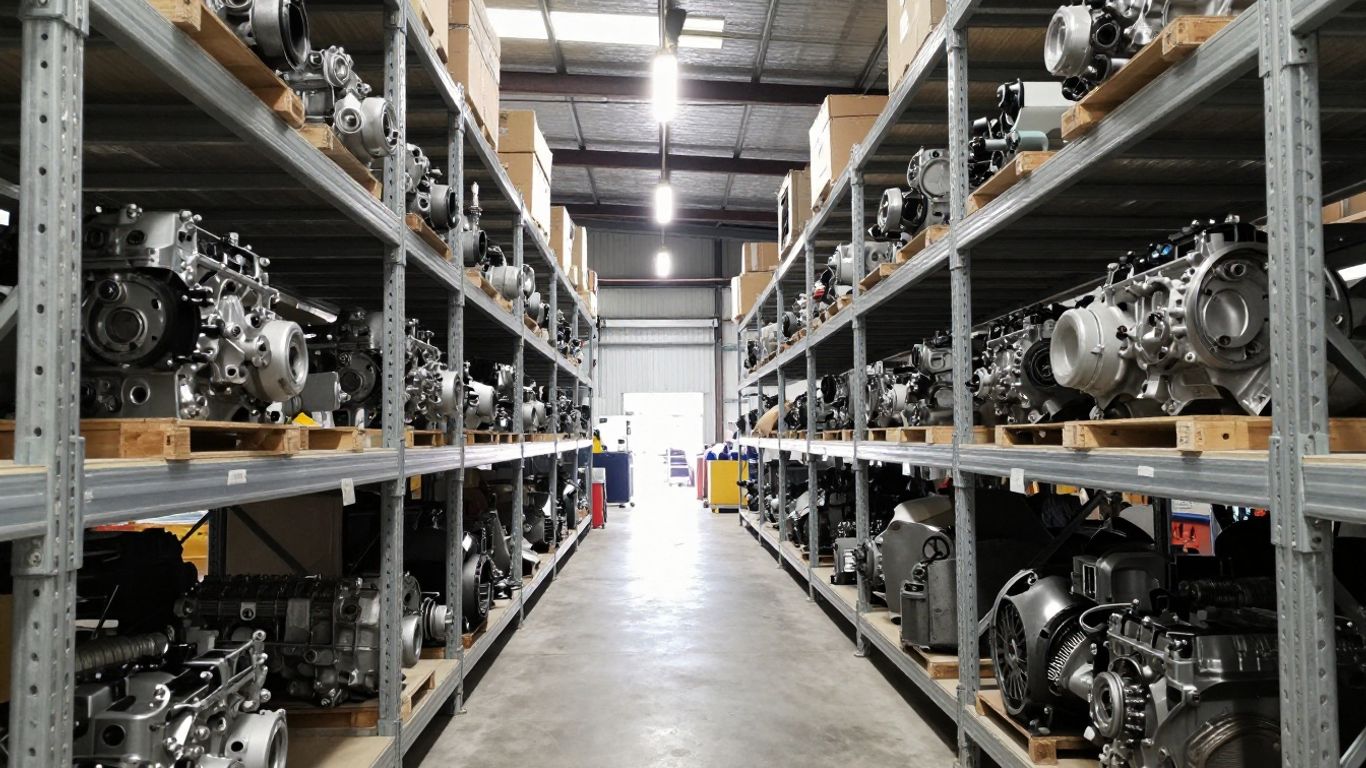
Operating within the Australian supply network requires a strategic approach to balancing domestic and global options. The market is defined by a need for agility, as local distances and shipping volatility influence every decision. A successful procurement strategy leverages regional hubs while remaining prepared for import challenges.
Identifying reliable local suppliers versus international distributors
Deciding when to source locally versus internationally hinges on balancing lead time with overall cost. While local suppliers offer faster fulfillment, international distributors often have wider access to specialized legacy components. The following table provides a breakdown of considerations when choosing your sourcing source:
| Feature | Local Supplier | Global Distributor |
|---|---|---|
| Speed of Delivery | Immediate | Long-lead |
| Logistics Cost | Lower | Higher |
| OEM Availability | Limited | Extensive |
These considerations help dictate where to direct the initial inquiry for high-demand engine parts.
Strategies for procurement during supply chain disruptions
When global disruptions occur, the ability to pivot is essential for maintainers. Specialists often shift their immediate demand toward alternative verified suppliers or adjust the scope of their maintenance program. Boeing, for instance, maintains sophisticated operational protocols for their hardware needs, mirroring how internal procurement teams handle fluctuations in material availability.
Evaluating pricing models in the Australian industrial sector
Understanding market-based pricing helps avoid inflated costs during periods of high demand. Cost-efficiency is achieved by analyzing the long-term lifecycle value of parts rather than just the immediate purchase price. Specialists utilize data to track inflation trends and negotiate fixed-price agreements that shield clients from sudden market volatility.
Overcoming common challenges in engine sourcing
Procurement is rarely straightforward, as each project brings its own set of technical or geographic obstacles. Overcoming these hurdles requires a disciplined approach and a commitment to quality. The key is recognizing potential risks early and implementing strategies to resolve them before they impact the bottom line.
Mitigating risks of counterfeit parts and sub-standard components
Using inferior components is a shortcut to engine failure, which is why specialists maintain rigid vetting processes for every new vendor. They prioritize direct relationships with reputable brands, reducing the possibility of encountering unauthorized parts. Ensuring that all hardware carries official certification builds confidence in the long-term reliability of the machine.
Dealing with lead time variability in remote Australia
Remote locations often suffer from extended shipping times, necessitating a proactive approach to inventory management. Specialists work to keep essential parts on-site so that planned maintenance does not turn into an emergency. Here are several tactics used to handle these logistical gaps:
- Maintaining localized inventory of high-turnover parts.
- Utilizing express logistics providers for critical engine failures.
- Implementing predictive maintenance to forecast part requirements months in advance.
- Negotiating consignment agreements with local partners.
These tactics reduce the reliance on ad-hoc, fast-tracked shipping that often leads to increased operational costs.
Maintaining cost-efficiency during high-demand periods
High demand across several sectors often leads to price gouging for industrial components. Specialists manage this by batching orders and negotiating volume pricing well in advance of peak seasons. Careful observation of purchasing patterns prevents the need for panic-buying at premium rates when market supply grows tight.
Building a successful partnership with your sourcing agent
Working with an agent is not a transaction but a long-term strategic alignment. Both the organization and the agent must engage in transparent sharing of goals and performance data to ensure the partnership produces results. A strong, communicative relationship allows for a more responsive and less stressful supply chain process.
Setting clear performance indicators for procurement
Success should be measured by objective data rather than guesswork. Procurement teams generally look at metrics like order fulfillment time, vendor defect rates, and total budget variance. Defining these indicators during the contract phase ensures that both the specialist and the client stay aligned on what constitutes a successful outcome.
Establishing transparent reporting and communication protocols
Regular check-ins keep the sourcing agent informed of changes in fleet health or business requirements. Transparency in reporting allows the agent to provide early warnings if there are signs of market delays or stock shortages. This proactive loop of communication allows the organization to adjust its strategy long before a part is actually needed for an engine repair.
Scaling your sourcing strategy for long-term fleet growth
As a company expands, its sourcing strategy must evolve in complexity and scope. An experienced agent will help structure a plan that supports adding more equipment without overwhelming the existing procurement team. This scalability is vital for businesses looking to expand their footprint across Australia without sacrificing the quality of their mechanical output.
Conclusion
Securing the services of a qualified expert is a transformative step for any business that relies on heavy machinery to drive its operations. By implementing clear procurement objectives, mastering local logistics, and maintaining transparent partnerships with sourcing agents, firms can effectively insulate themselves from market volatility and mechanical failure. Investing in these relationships now will pay dividends in reliable equipment performance and long-term cost stability for years to come.