So, your car’s temperature gauge is creeping up, or maybe you’ve seen some steam coming from under the hood. It’s not a fun situation, and it can be pretty worrying. Dealing with an overheating car can feel like a big deal, but often, the causes are pretty straightforward. This guide is here to help you figure out what’s going on and how to fix it. We’ll walk through the common signs, what might be causing the problem, and what you can do about it, so you can get back on the road without any more heat-related drama.
Key Takeaways
- Watch out for your car’s temperature gauge hitting the red zone, steam from the engine, or dashboard warning lights – these are signs your car is overheating.
- Common culprits for overheating include low coolant, leaks in the cooling system, a stuck thermostat, or a water pump that isn’t working right.
- Problems with your radiator, like blockages or a fan that’s not spinning, can stop your car from cooling down properly.
- Check the belts and hoses connected to your water pump; if they’re damaged or loose, they can stop coolant from circulating.
- Regularly checking coolant levels, inspecting hoses and the radiator, and keeping belts in good shape are the best ways to prevent your car from overheating in the first place.
Recognizing The Signs Of Vehicle Overheating Issues
So, your car’s temperature gauge is acting up, or maybe you’re seeing something weird under the hood. Don’t panic just yet, but it’s definitely time to pay attention. Catching an overheating engine early can save you a ton of money and hassle down the road. Ignoring these signs is like ignoring a leaky faucet – it usually just gets worse.
Temperature Gauge Readings
This is probably the most obvious sign. You know that little gauge on your dashboard that shows your engine’s temperature? Normally, it sits somewhere in the middle, right? Well, if that needle starts creeping up towards the ‘H’ or, even worse, into the red zone, that’s your car telling you it’s getting too hot. It’s not just a suggestion; it’s a warning.
Visible Steam Or Smoke
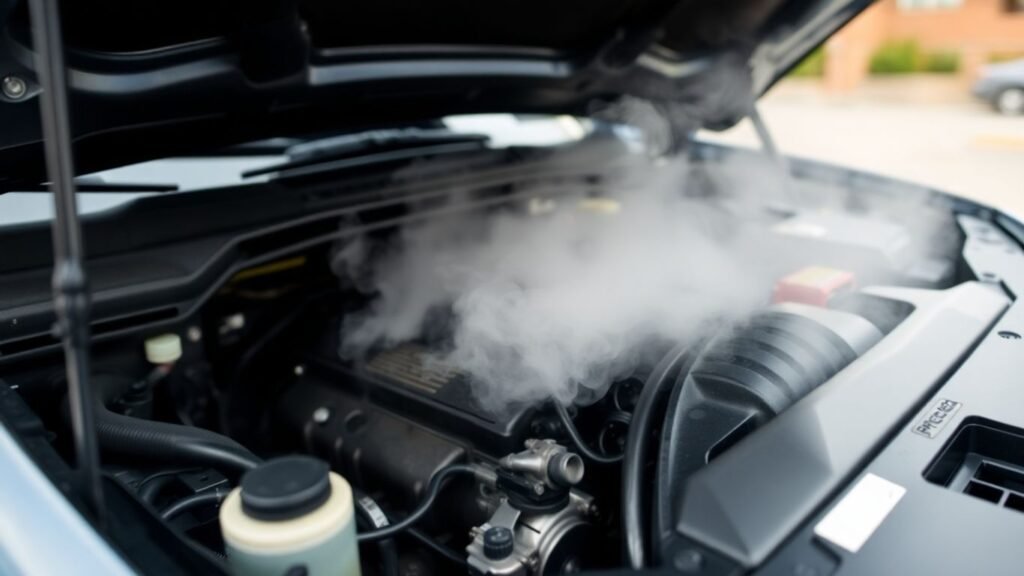
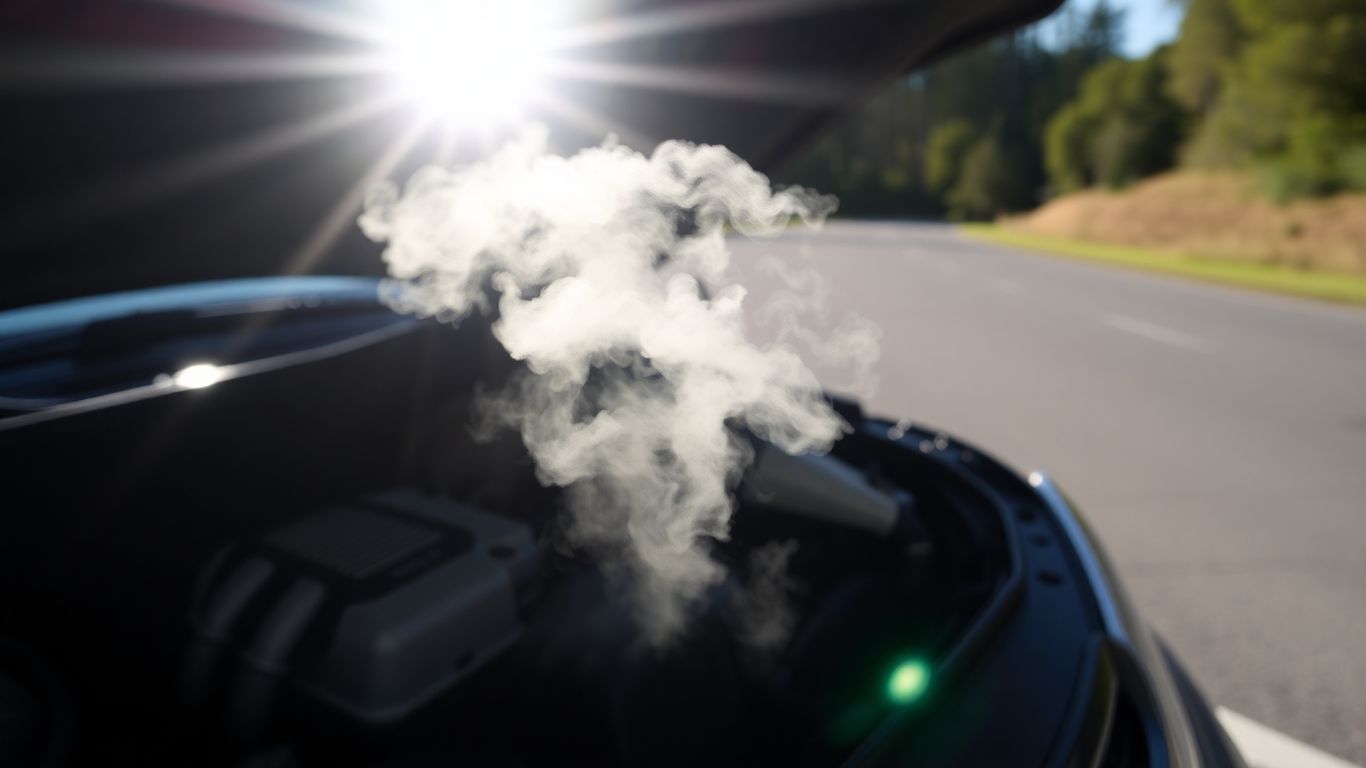
If you see steam or smoke puffing out from under the hood, especially when the car is stopped or just after you’ve turned it off, that’s a pretty clear indicator something’s not right. It usually means coolant is escaping and hitting hot engine parts, turning into steam. It can look pretty dramatic, but try to stay calm and pull over safely.
Dashboard Warning Lights
Modern cars have all sorts of warning lights, and there’s usually one specifically for engine temperature or a general engine warning light that might come on when things get too hot. It might look like a thermometer or just be the check engine light. Whatever it is, if it lights up and your car feels like it’s running hotter than usual, take it seriously.
Unusual Engine Odors
Sometimes, you can smell an overheating engine before you see or feel it. You might notice a sweet smell, which is often from leaking coolant, or a burning smell, which could indicate oil or other fluids getting too hot. These smells aren’t normal and are a sign that something in the engine bay is getting excessively hot.
When your car’s temperature gauge climbs higher than normal, it’s a signal that the cooling system isn’t doing its job effectively. This could be due to a variety of issues, from simple low fluid levels to more complex mechanical failures. Acting quickly upon noticing these signs is key to preventing severe engine damage.
Here’s a quick rundown of what to look out for:
- Temperature Gauge: Needle in the red zone or significantly above normal.
- Visual Cues: Steam or smoke coming from under the hood.
- Warning Lights: Red or yellow engine-related lights illuminating on the dashboard.
- Smells: Sweet (coolant) or burning odors from the engine area.
If you notice any of these, it’s best to pull over when it’s safe and let the engine cool down before attempting any checks or driving further.
Common Causes For Troubleshooting Vehicle Overheating Issues
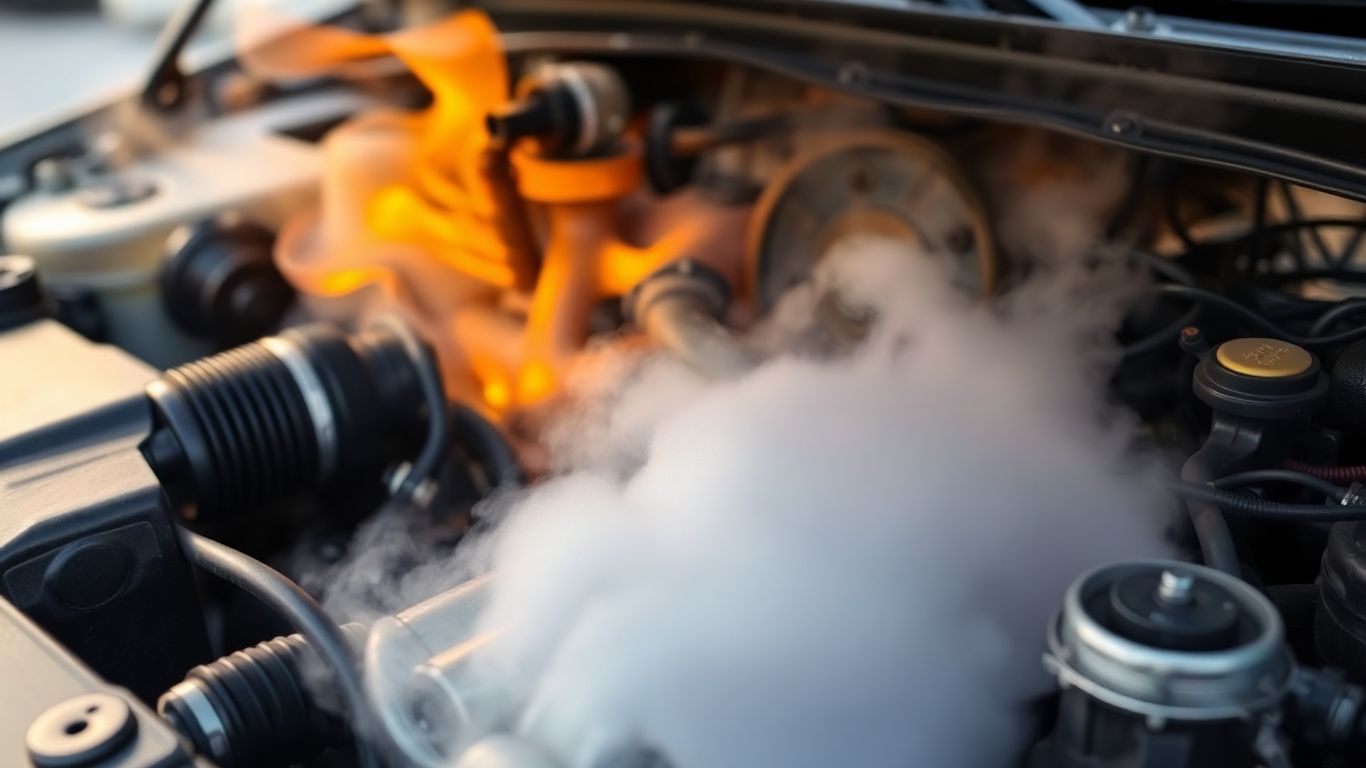
So, your car’s temperature gauge is creeping up, or maybe you’ve seen a wisp of steam? Don’t panic just yet. While it’s definitely a sign something’s up, overheating often boils down to a few common culprits within the cooling system. Understanding these can save you a lot of headaches and potentially expensive repairs.
Low Coolant Levels
This is probably the most straightforward reason your engine might be running too hot. Coolant, also known as antifreeze, is the lifeblood of your car’s temperature regulation. It circulates through the engine, absorbs heat, and then dissipates it through the radiator. If the level drops too low, there just isn’t enough fluid to do the job effectively. This can happen due to evaporation over time or, more commonly, because of a leak somewhere in the system. You might notice the level dropping gradually or quite rapidly if there’s a significant breach. Keeping an eye on your coolant reservoir is a good habit to get into.
Cooling System Leaks
Leaks are the usual suspects when coolant levels drop unexpectedly. These aren’t always obvious, either. They can occur in various places:
- Hoses: Rubber hoses can become brittle, crack, or swell over time, leading to leaks.
- Radiator: The radiator itself can develop cracks or corrosion, especially at the seams or where the fins meet the tanks.
- Water Pump: The seal on the water pump can fail, causing coolant to drip out.
- Heater Core: This smaller radiator inside your car’s cabin can also leak, sometimes resulting in a sweet smell inside the car or damp carpets.
- Head Gasket: A more serious issue, a blown head gasket can allow coolant to escape the engine block or enter the combustion chambers.
Finding a leak often involves a visual inspection, looking for tell-tale puddles under your car or dried coolant residue on components. Sometimes, a mechanic might use a pressure tester to pinpoint a hard-to-find leak.
Faulty Thermostat
The thermostat is like a gatekeeper for your coolant. It’s designed to stay closed when the engine is cold, helping it warm up faster. Once the engine reaches its optimal operating temperature, the thermostat opens, allowing coolant to flow to the radiator. If this little valve gets stuck in the closed position, coolant can’t circulate properly, and the engine will quickly overheat, even if you have plenty of coolant and no leaks. It’s a relatively inexpensive part, but a faulty one can cause significant damage if ignored. You might notice the temperature rising quickly after starting the car, or it might stay at a normal temperature for a while before suddenly spiking.
Malfunctioning Water Pump
The water pump is the heart of the cooling system, physically pushing the coolant through the engine, hoses, and radiator. If the pump’s impeller is damaged, or if the pump itself is failing (perhaps due to a worn bearing or a slipping drive belt), it won’t move coolant effectively. This means the heat generated by the engine isn’t being carried away efficiently. Symptoms can include a whining noise from the front of the engine, coolant leaks from the pump’s weep hole, or, of course, overheating. A properly functioning water pump is absolutely vital for keeping things cool.
Sometimes, the issue isn’t a single broken part but a combination of factors. For instance, a slightly leaky hose might be exacerbated by a failing thermostat, leading to a sudden overheating event. It’s always best to address any cooling system concerns promptly, as even minor issues can escalate quickly under the stress of driving.
Addressing Radiator And Fan Related Overheating
Your car’s radiator and its fan are like the lungs of your engine’s cooling system. They work together to get rid of excess heat. When these parts aren’t doing their job right, things can get seriously hot under the hood.
Radiator Blockages And Damage
The radiator is basically a heat exchanger. Coolant flows through its many small tubes, and air passing over them cools the coolant down. Over time, gunk, rust, or even debris from the road can get stuck inside these tubes. This buildup acts like a clog, stopping coolant from flowing freely and doing its job. You might notice your temperature gauge creeping up more often, especially when you’re stuck in traffic or driving uphill. Sometimes, the radiator itself can get damaged from impacts, leading to leaks or bent fins that reduce its effectiveness.
- Signs of a blocked or damaged radiator:
- Engine temperature rising faster than usual.
- Visible leaks under the car, often greenish or reddish fluid.
- Coolant not circulating properly when the engine is running.
- Bent or damaged radiator fins.
Defective Radiator Fan Operation
That fan you see behind the radiator? It’s super important, especially when your car is moving slowly or stopped. At higher speeds, the car’s movement pushes enough air through the radiator. But when you’re crawling in traffic, the fan kicks in to pull air through. If the fan motor dies, a fuse blows, or the sensor that tells it when to turn on fails, it won’t spin. This means the radiator can’t get cooled down, and your engine temperature will climb, often quite quickly when you’re not moving.
A malfunctioning radiator fan is a common culprit for overheating during low-speed driving or when idling. It’s easy to overlook because it’s not always running, but its absence can quickly lead to problems.
Clogged Coolant Passages
Think of the coolant passages as the veins and arteries of your engine’s cooling system. They’re the channels that allow coolant to travel from the engine to the radiator and back. Just like the radiator, these passages can get clogged with sediment, rust, or mineral deposits from old coolant. When these pathways get blocked, coolant can’t circulate properly. This means the engine isn’t getting cooled effectively, leading to overheating. A coolant flush is often the best way to clear these out.
- What to look for:
- Sluggish coolant flow when the system is opened (carefully, when cool!).
- Discolored or murky coolant.
- Engine running hotter than normal, even with sufficient coolant levels.
- A general feeling that the cooling system just isn’t working as well as it used to.
Troubleshooting Belt And Hose Related Overheating
Sometimes, the problem with your car overheating isn’t some complex internal engine issue. It can be as simple as a worn-out belt or a hose that’s seen better days. These parts are super important for keeping coolant moving, and when they fail, your engine can get way too hot, way too fast.
Broken Or Slipping Water Pump Belt
The water pump is what circulates coolant throughout your engine. It’s usually driven by a belt connected to the engine’s crankshaft. If this belt breaks, the water pump stops spinning, and coolant stops flowing. No coolant flow means no heat transfer, and your engine will start to overheat pretty quickly. Even if the belt isn’t broken, it can slip if it’s loose or worn out. A slipping belt means the water pump isn’t spinning as fast as it should, so it can’t move enough coolant to keep things cool, especially when the engine is working hard. You might hear a high-pitched squealing noise when the engine is running if the belt is slipping. Checking the tension and condition of this belt is a common first step when troubleshooting overheating.
Collapsed Radiator Hoses
Your car has several hoses that carry coolant. The main ones are the upper and lower radiator hoses. The lower radiator hose is particularly prone to collapsing. As the water pump pulls coolant from the radiator, it creates a vacuum. If the lower hose isn’t strong enough to withstand this vacuum, it can get sucked shut, like a straw getting pinched. When this happens, coolant can’t get back into the engine from the radiator, and circulation stops, leading to overheating. You might not always see a collapsed hose when the engine is off and cool, as it can happen when the system is under pressure and hot.
Damaged Coolant Hoses
Beyond collapsing, coolant hoses can suffer from other types of damage. Over time, the rubber can become brittle, crack, or swell up. Cracks and leaks mean coolant will escape the system, leading to low coolant levels and eventual overheating. Swollen or soft spots can indicate that the hose is degrading internally and might be close to failing. It’s a good idea to give all your coolant hoses a good squeeze when the engine is cool. They should feel firm but still have a little give. If a hose feels mushy, brittle, or you see any signs of leakage or bulging, it’s time to replace it.
It’s easy to overlook the simple components like belts and hoses, but they play a vital role in your car’s cooling system. Regular visual inspections and paying attention to any unusual noises can help you catch problems before they lead to a full-blown overheating situation.
Investigating Internal Engine Related Overheating
Sometimes, the problem isn’t with the hoses or the radiator itself, but deep inside the engine. These internal issues can be trickier to spot and often require a bit more digging. When your engine’s getting too hot, and you’ve checked the usual suspects like coolant levels and fan operation, it’s time to think about what’s happening within the engine’s core.
Head Gasket Leaks
The head gasket is a pretty important seal between the engine block and the cylinder head. Its job is to keep coolant and oil from mixing with the combustion gases. When this gasket starts to fail, things can go wrong fast. You might notice white smoke coming from your exhaust pipe, which is often coolant burning off. Another sign is a milky or foamy appearance in your engine oil, or oil showing up in your coolant reservoir. A blown head gasket can lead to serious engine damage if not fixed quickly.
Internal Coolant Leaks
This is a bit broader than just a head gasket. Internal leaks mean coolant is finding its way into places it shouldn’t be inside the engine. This could be due to a cracked cylinder head, a warped cylinder head, or even a crack in the engine block itself. Besides the white smoke or milky oil you might see with a head gasket issue, you could also notice a loss of engine power or rough idling. It’s like the engine is slowly choking on itself.
Improper Ignition Timing
While not directly a cooling system part, ignition timing plays a role in how hot your engine runs. If the spark plugs fire at the wrong moment, it can cause the fuel to burn inefficiently. This inefficient burn creates extra heat that the cooling system might not be able to handle, especially under load. You might notice a loss of power, a pinging or knocking sound from the engine, or even a decrease in fuel economy. Getting the timing right is key for smooth and cool engine operation.
When you suspect internal engine issues are causing overheating, it’s often best to consult a professional mechanic. These problems can be complex and require specialized tools and knowledge to diagnose and repair correctly. Trying to fix them yourself without the right experience could end up costing you more in the long run.
Solutions For Troubleshooting Vehicle Overheating Issues
So, your car’s decided to throw a tantrum and overheat. Don’t panic just yet. Most of the time, you can sort these things out without needing to call in the cavalry. It usually comes down to a few key fixes.
Coolant System Flushes And Refills
Think of your coolant system like your car’s circulatory system. Over time, gunk, rust, and other debris can build up in there, making it harder for the coolant to do its job. This is where a flush comes in. It’s basically a deep clean for your cooling system. They’ll run a special solution through it to break down all that gunk and then drain it all out. After the flush, they’ll refill it with fresh coolant. Making sure you have the right type and amount of coolant is super important for keeping things cool.
Replacing Faulty Components
Sometimes, a part just gives up the ghost. If your thermostat is stuck closed, it’s like a traffic jam for your coolant – it can’t get where it needs to go. A bad water pump means the coolant isn’t circulating at all. And a busted radiator fan? Well, that fan is supposed to help cool the radiator down, especially when you’re stuck in traffic. If any of these are on their way out, they’ll need to be swapped out for new ones. It’s usually a pretty straightforward replacement, but if you’re not comfortable with it, a mechanic can handle it.
Addressing External And Internal Leaks
Leaks are a biggie when it comes to overheating. You might have a tiny crack in a hose, a leaky radiator, or even something more serious like a blown head gasket. If you see puddles under your car or notice the coolant level dropping faster than it should, you’ve got a leak. Fixing these can range from simply tightening a clamp or replacing a hose to more involved repairs if the leak is internal, like a head gasket issue. Ignoring leaks is a recipe for disaster, so get them sorted.
When you’re dealing with an overheating car, remember that a lot of the solutions involve getting the cooling system working efficiently again. This means making sure coolant can flow freely, that there’s enough of it, and that the system is sealed up tight. Don’t forget that even simple things like checking your oil level can play a role in preventing your engine from getting too hot.
Preventative Maintenance For Overheating Issues
Nobody wants to deal with a car that’s boiling over, right? It’s a real headache and can get pricey fast. The good news is, a lot of these overheating headaches can be sidestepped with some regular TLC for your car’s cooling system. Think of it like going to the doctor for a check-up – way better than dealing with a major health crisis.
Regular Coolant Level Checks
This is probably the most basic, yet most important, thing you can do. Your coolant is like the blood of your engine’s cooling system. If it’s low, things just won’t work right. Make it a habit to peek at your coolant level every time you get an oil change. You can usually find the reservoir tank under the hood. Just make sure the engine is cool before you pop the cap. If it’s consistently low, that’s a big clue there might be a leak somewhere, and you’ll want to get that checked out.
Radiator and Hose Inspections
Your radiator is where all the heat gets dumped. Over time, it can get gunked up with rust or debris, or even develop tiny leaks. A good radiator flush, done according to your car’s manual, can keep things flowing smoothly. And don’t forget the hoses! They carry that precious coolant around. Give them a squeeze every now and then. They should feel firm, not mushy or brittle. If a hose looks swollen, cracked, or feels too soft, it’s time for a replacement before it decides to give up the ghost on the highway. Keeping your cooling system in good shape is key.
Belts and Water Pump Maintenance
That serpentine belt or drive belt you see under the hood? It’s doing a lot of work, including spinning the water pump. If that belt is worn, cracked, or slipping, the water pump won’t spin fast enough to circulate coolant properly. You might hear a squealing noise if the belt is loose. It’s a good idea to have these inspected regularly. A failing water pump itself is another issue that can sneak up on you, so keeping an eye on its performance is smart.
Taking a few minutes for these simple checks can save you hours of frustration and a lot of money down the road. It’s about being proactive rather than reactive when it comes to your car’s health.
Wrapping Up: Keeping Your Cool on the Road
So, we’ve gone over a bunch of reasons why your car might be running hotter than a two-dollar pistol. From leaky hoses and grumpy thermostats to a water pump that’s checked out, there are quite a few things that can go wrong. The good news is, most of these issues aren’t rocket science to figure out, and often, a little bit of regular maintenance can stop them before they even start. Keep an eye on that temperature gauge, check your coolant levels, and don’t ignore strange smells or steam. A little attention now can save you a whole lot of headaches and cash down the road. If you’re ever unsure, though, it’s always best to have a mechanic take a look. They’ve seen it all, and they can get you back to cruising without worry.
Frequently Asked Questions
What are the first signs my car might be overheating?
Keep an eye on your car’s temperature gauge; if the needle goes into the red zone, that’s a big warning. You might also see steam or smoke coming from under the hood, or a warning light might pop up on your dashboard. Sometimes, you’ll notice unusual smells too, like something burning or sweet.
Why is my car’s coolant level so low?
Low coolant usually means there’s a leak somewhere in the cooling system. This could be a crack in a hose, a problem with the radiator, or even a leak in the water pump. If you’re constantly adding coolant, it’s a sure sign you need to find and fix that leak.
What does a faulty thermostat do?
Think of the thermostat like a gatekeeper for your coolant. If it gets stuck closed, it stops the coolant from flowing to the engine to be cooled down. This causes the engine to get too hot because the coolant can’t do its job of carrying the heat away.
How can a bad water pump cause overheating?
The water pump is like the heart of the cooling system; it pushes the coolant all around the engine. If it’s not working right, maybe it’s not spinning fast enough or it’s leaking, the coolant won’t move properly. This means the engine can’t get cooled down, and it starts to overheat.
What’s the deal with the radiator fan not working?
The radiator fan’s job is to pull air through the radiator, especially when your car is moving slowly or stopped, like in traffic. If the fan isn’t working, that air doesn’t get pulled through, and the radiator can’t cool the coolant effectively. This leads to the engine temperature climbing up.
What can I do to prevent my car from overheating?
The best way to avoid overheating is regular check-ups. Make sure your coolant level is always good, and have your hoses and belts inspected for any wear or damage. Flushing the cooling system periodically helps keep things clean inside, and getting your water pump and thermostat checked during routine maintenance can catch problems before they start.