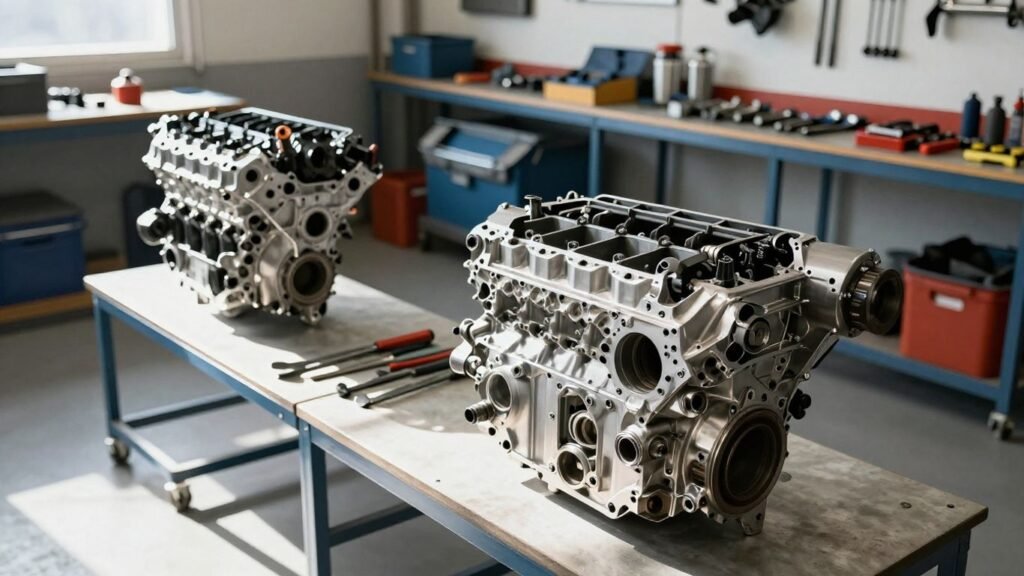
Looking for a replacement engine for your car in Brisbane? Buying a used engine can save you a lot of money compared to a new one. But, it’s not as simple as just picking the first one you see. You need to know where to look and what to check for. This guide will help you find quality second hand engines Brisbane has to offer, so you can get your car back on the road without breaking the bank.
Key Takeaways
- Buying used engines in Brisbane is a smart way to save money on car repairs.
- Always try to buy directly from reputable salvage yards, not from middlemen.
- Check the engine’s mileage and condition as best you can before buying.
- Make sure the engine you choose is compatible with your specific vehicle model.
- Ask about any warranties or return policies the dealer offers.
Finding Quality Second Hand Engines in Brisbane
Understanding the Benefits of Used Engines
So, your car’s engine decided to call it quits. Bummer. Before you start stressing about the cost of a brand-new one, let’s talk about a smart alternative: a used engine. Buying a second-hand engine can save you a significant chunk of change compared to a new or rebuilt one. It’s a practical choice for many car owners looking to keep their vehicles running without breaking the bank. Plus, it’s a more environmentally friendly option, giving a perfectly good engine a second life instead of contributing to waste. Think of it as giving a reliable part a new mission.
What to Expect from a Quality Used Engine Provider
When you’re on the hunt for a used engine, you want to deal with someone who knows their stuff and stands behind their products. A good provider won’t just sell you an engine; they’ll offer some assurance. This usually means they’ve done some basic checks on the engine, like verifying its mileage if possible, and can tell you a bit about its history. They should be upfront about its condition and any known issues. Don’t expect a brand-new engine, but you should expect honesty and a willingness to answer your questions.
Here’s what a decent place should offer:
- Clear information about the engine’s origin and condition.
- A basic inspection or testing of the engine before it’s sold.
- A willingness to discuss its previous use and mileage.
- A professional attitude and a clean, organized facility.
Key Considerations Before Purchasing
Before you hand over your cash, there are a few things to keep in mind. First off, make sure the engine you’re looking at is actually the right fit for your car. Dropping the wrong engine in is a recipe for more headaches and costs. Also, think about how you’ll get the engine installed. Some places offer installation packages, which can be super convenient. And definitely don’t forget to ask about warranties and return policies – you’ll want to know what happens if something goes wrong.
Buying a used engine isn’t just about finding the cheapest option. It’s about finding a reliable part from a trustworthy source that fits your vehicle and your budget. Taking a little extra time to research and ask questions upfront can save you a lot of trouble down the road.
Navigating Brisbane’s Used Engine Market
Alright, so you’re on the hunt for a used engine in Brisbane. It can feel a bit like a treasure hunt, right? But with a few pointers, you can make sure you’re digging in the right spots. Let’s talk about how to actually find a good deal without getting ripped off.
Choosing Reputable Salvage Yards
When you’re looking for a used engine, the place you buy it from really matters. You want to deal with a salvage yard that’s been around for a while. Think about it – if they’ve been in business for years, they’re probably doing something right. It means they’ve likely got a good handle on what they’re doing and how to treat customers. Plus, you can often find reviews or ask around to see what other people’s experiences have been.
- Check their history: How long have they been operating?
- Look for reviews: What are people saying online?
- Ask about their process: Do they seem organized and professional?
Visiting the yard itself can tell you a lot. Is it tidy? Do the staff seem knowledgeable and helpful? A well-kept facility often points to a well-run business that takes pride in its inventory.
The Importance of Local Dealers
Sticking with local dealers in Brisbane has its perks. For starters, it’s way easier to pop in and see the engine yourself before you buy. You can also build a bit of a relationship with them. If something goes wrong down the line, having a local contact you can actually talk to makes a big difference. Plus, you’re supporting businesses right here in your community, which is always a good thing.
Avoiding Third-Party Brokers
Now, you might see ads from people who aren’t actually salvage yards but act as go-betweens. These are third-party brokers. While some might be okay, they often add an extra layer that can complicate things. You might end up paying more because of the middleman, and if there’s an issue with the engine or a warranty claim, dealing with two different companies can be a real headache. It’s usually best to buy directly from the source – the actual salvage yard that has the engine on their lot.
Here’s a quick rundown:
| Factor | Direct from Yard | Through Broker |
|---|---|---|
| Price | Often Lower | Potentially Higher |
| Communication | Direct | Indirect |
| Problem Resolution | Simpler | More Complex |
| Inspection | Possible | Difficult |
Evaluating Second Hand Engine Dealers
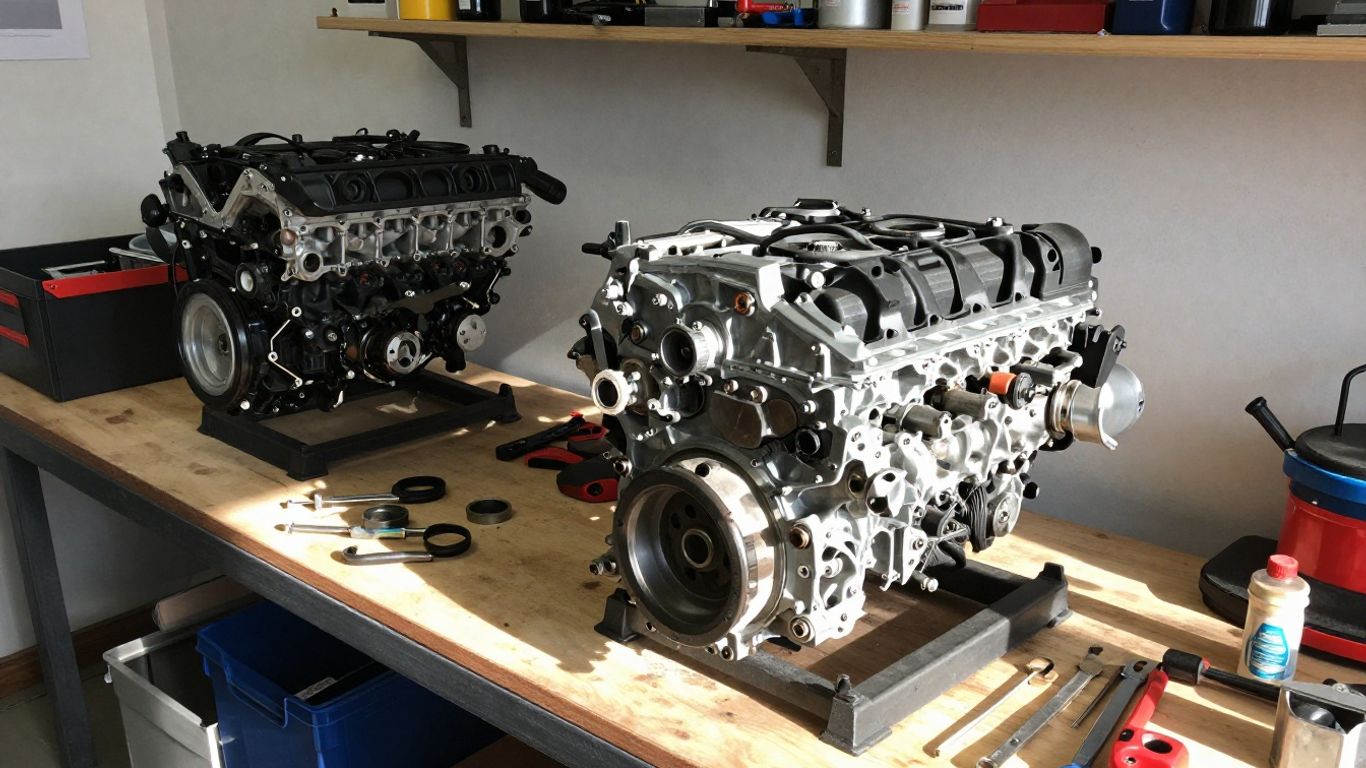
So, you’ve decided a used engine is the way to go for your car repair in Brisbane. That’s a smart move, saving you cash and keeping parts out of the landfill. But not all used engines are created equal, and neither are the places you buy them from. Picking the right dealer is just as important as picking the right engine. Let’s talk about how to size up these businesses.
Assessing Dealer Longevity and Reputation
How long has a place been in business? It’s a simple question, but the answer tells you a lot. A business that’s been around for years, especially in the competitive used car parts market, usually means they’re doing something right. They’ve likely built up a solid customer base and figured out how to source decent engines. Think about it – if they were selling junk or treating customers poorly, they probably wouldn’t still be open.
- Check online reviews: Look beyond just the star rating. Read what people are saying. Are there recurring complaints about the quality of the engines, or maybe about customer service? Conversely, are people praising their honesty and helpfulness?
- Ask around: Talk to local mechanics. They often have the inside scoop on which dealers are reliable and which ones to avoid.
- Look for industry affiliations: While not always a deal-breaker, belonging to any local or national automotive parts associations can sometimes indicate a commitment to professional standards.
Don’t just go by the loudest voices online. Sometimes a few unhappy customers can overshadow many positive experiences. Try to get a balanced view and if you see a negative review, see if the dealer has responded and how they handled it. That can be very telling.
Visiting the Facility: What to Look For
If you can, actually go to the dealer’s location. This is where you can really get a feel for the operation. Is the place organized, or does it look like a total mess? A clean, well-kept yard and office often suggest a business that pays attention to detail, which is exactly what you want when dealing with complex mechanical parts.
Here’s a quick checklist for your visit:
- Organization: Is the yard tidy? Are engines stored properly, protected from the elements if possible?
- Cleanliness: Is the office area presentable? Does the staff seem professional?
- Inventory: Do they have a decent selection of engines on hand, or does it look like they’re always waiting for parts to come in?
- Staff Attitude: Are the employees knowledgeable and willing to answer your questions without making you feel rushed or stupid?
Understanding Customer Feedback and Reviews
Customer feedback is gold. It’s the real-world experience of people just like you who have bought engines from these dealers. When you’re looking at reviews, try to spot patterns. Are multiple people mentioning the same positive or negative points?
- Look for specifics: Vague reviews like "good service" aren’t as helpful as "The dealer helped me find the exact engine for my 2010 Camry and it arrived in two days, running perfectly."
- Consider the age of reviews: A review from five years ago might not reflect the current state of the business.
- How they handle complaints: If a dealer has negative reviews, check if they respond. A business that tries to resolve issues publicly shows they care about their reputation and customer satisfaction.
Key Factors When Buying Used Engines
So, you’re looking for a used engine in Brisbane. It’s a smart move to save some cash, but there are definitely a few things to get right so you don’t end up with a headache. Let’s break down what really matters.
Verifying Engine Mileage and Condition
This is pretty straightforward, but super important. You want to know how many kilometers (or miles, if you’re thinking in old terms) the engine has actually run. A lower number is generally better, but it’s not the whole story. A high-mileage engine that was well-maintained might be in better shape than a low-mileage one that was neglected. Ask the dealer for any service records they might have, or if they can provide a vehicle history report. Also, ask about the general condition. Are there any obvious signs of damage, like cracks or leaks? Some dealers will even do a compression test for you, which gives you a good idea of the engine’s internal health. Don’t be afraid to ask for proof of condition; it’s your money, after all.
Ensuring Compatibility with Your Vehicle
This one trips people up more than you’d think. Just because an engine looks like it might fit doesn’t mean it’s the right one for your car. You need to match the engine’s specifications to your vehicle’s make, model, year, and even its specific trim level. Things like the transmission type, the engine’s mounting points, and the electrical connectors all need to line up. If you’re not totally sure, have your vehicle’s VIN (Vehicle Identification Number) handy and ask the dealer to confirm compatibility. Getting this wrong means a lot of extra work and cost to fix it.
Researching Engine and Installation Packages
Sometimes, buying just the engine isn’t the end of the story. Many dealers offer packages that include installation. This can be a really convenient option, especially if you’re not mechanically inclined. It often means the dealer stands behind both the engine and the work done. They might have a preferred mechanic or do the installation themselves. When looking at these packages, compare what’s included. Does it cover all the necessary fluids, filters, and labor? What kind of warranty comes with the combined engine and installation service? It’s worth getting a few quotes to see what makes the most sense for your budget and peace of mind.
Warranties, Returns, and Installation Services
So, you’ve found a used engine that looks like a good fit for your car. That’s great! But before you hand over your cash, let’s talk about the stuff that really matters after the sale: warranties, what happens if it’s not right, and how you’re going to get it installed. These things can save you a whole lot of headaches down the road.
Inquiring About Engine Warranties
This is a big one. A warranty is basically the dealer’s promise that the engine will work as it should for a certain period. Don’t just assume there’s one; always ask. Some places might offer a basic 30-day warranty, while others might go up to 6 months or even a year, especially if it’s a remanufactured engine. It’s worth noting that longer warranties often come with higher prices, but that peace of mind can be priceless.
Here’s what to look for when asking about warranties:
- Duration: How long is the warranty good for? (e.g., 30 days, 90 days, 6 months, 1 year)
- Coverage: What exactly does it cover? Does it include parts only, or labor too? What about seals, gaskets, or fluids?
- Transferability: Can you transfer the warranty if you sell the car later?
- Conditions: Are there any specific requirements you need to meet to keep the warranty valid? (e.g., professional installation, regular maintenance)
Always get the warranty details in writing. A verbal promise is hard to prove if something goes wrong.
Understanding Return Policies
Even with the best intentions, sometimes things don’t work out. Maybe the engine you bought doesn’t quite fit, or perhaps it has an issue that wasn’t obvious at first. That’s where a return policy comes in. Like warranties, these can vary a lot from dealer to dealer.
Some dealers might offer a full refund within a certain timeframe (say, 7 or 14 days), while others might only offer store credit or an exchange. Some might charge a restocking fee, especially if the engine has been fitted or tampered with. It’s important to understand these terms before you buy, so you know your options if you run into trouble.
Exploring Installation Options and Packages
Unless you’re a seasoned mechanic yourself, you’ll need to get the engine installed. Some used engine dealers in Brisbane also offer installation services, either in-house or through a network of trusted mechanics. This can be super convenient.
- In-house Installation: Some larger yards have their own workshops and mechanics who can fit the engine right there. This often means they know the engine inside and out and can sometimes offer a combined package deal.
- Recommended Mechanics: Other dealers might have a list of local mechanics they work with regularly. They can vouch for their work, which is helpful.
- Engine and Installation Packages: Buying an engine and having it installed by the same place can sometimes come with benefits. You might get a better overall price, and it simplifies the process. Plus, if there’s an issue, you know exactly who to talk to – the dealer who sold you the engine and did the work.
When looking at installation, ask about:
- Cost: Get a clear quote for the labor involved.
- Timeline: How long will the installation take?
- What’s Included: Does the installation price cover fluids, filters, and any other necessary parts?
- Warranty on Labor: Is the installation work itself covered by a separate warranty?
Where to Find Second Hand Engines in Brisbane
So, you need a new engine for your car but don’t want to shell out for a brand-new one. Smart move. Brisbane has a pretty decent market for used engines, but knowing where to look makes all the difference. It’s not just about finding an engine, it’s about finding a good one that won’t give you more headaches than it solves.
Identifying Local Salvage Yards
Your best bet is usually to head straight to the source: local salvage yards, also known as wreckers. These places are where vehicles go when they’re retired, and they often have a treasure trove of usable parts, including engines. The key is to find yards that specialize in the type of vehicle you have. Some yards focus on European makes, others on Japanese, and some handle a bit of everything. A quick search online for "Brisbane car wreckers" or "salvage yards Brisbane" will give you a starting list. Don’t be afraid to call a few and ask about their inventory for your specific car model.
- Check their specialization: Do they handle your car’s make and model regularly?
- Ask about their process: How do they test and store their engines?
- Inquire about location: Is it convenient for you to visit or arrange pickup?
Checking Online Inventories
Many salvage yards today have moved online. They often list their available engines and other parts on their websites or through dedicated online marketplaces. This can be a real time-saver, letting you browse from your couch before you even think about visiting. You can often see photos, get basic specs, and sometimes even check mileage estimates. It’s a good way to get a feel for what’s out there and compare prices across different yards without leaving your house.
Be aware that online listings are sometimes a snapshot. It’s always a good idea to call and confirm availability and condition before making a trip or arranging transport.
Contacting Dealers Directly
Once you’ve identified a few potential sources, whether from online searches or recommendations, picking up the phone is the next logical step. Talking directly to the dealer gives you a chance to ask specific questions about the engine you’re interested in. You can ask about its history, any known issues, and what kind of testing it has undergone. This direct communication is often more revealing than just looking at a listing. It also helps you gauge their customer service – a dealer who is helpful and transparent on the phone is usually a good sign.
Wrapping It Up
So, you’re on the hunt for a used engine in Brisbane? It might seem a bit daunting at first, but remember, taking a little time to find a reputable dealer can save you a lot of headaches and cash down the road. Look for places that have been around for a while, check out their reviews, and don’t be afraid to ask questions about warranties or installation. Buying second-hand doesn’t mean you have to settle for less; with a bit of smart searching, you can get a solid engine that’ll keep your car running smoothly without breaking the bank. Happy hunting!