Thinking about converting your car to electric in Sydney? It’s a big step, and honestly, it can feel a bit overwhelming at first. You see all these articles and people talking about it, but what does it actually involve? We’re going to break down what you need to know about engine conversions in Sydney, from why people are doing it to how you can actually get it done. It’s not as complicated as it might seem, and it could be a great way to save money and help the planet.
Key Takeaways
- Converting your car to electric in Sydney makes sense because fuel costs are high and people are more aware of the environment.
- An EV conversion kit is a set of parts that swaps your old engine for an electric one. You can do it yourself, but getting a pro to do it is usually better for safety and legal reasons.
- Making sure your converted car is legal involves getting it checked by an engineer and passing a roadworthy test. Rules can be different depending on where you are in NSW.
- There are different types of EV conversion kits available, from basic ones for city driving to more powerful ones for trucks or longer trips. The cost really depends on what you choose.
- Starting your conversion journey means looking at your car, talking to experts, and finding a good local installer in Sydney who knows what they’re doing.
Understanding The Appeal Of Engine Conversions In Sydney
So, why are folks in Sydney suddenly getting so keen on swapping out their old petrol engines for electric ones? It’s not just a passing fad, that’s for sure. There are some pretty solid reasons driving this change, and they’re hitting home for a lot of car owners.
Addressing Rising Fuel Costs
Let’s be real, filling up the tank these days can feel like a punch to the wallet. Fuel prices just keep doing their own thing, often going up without much warning. For anyone who drives a fair bit, whether it’s for work or just getting around, those costs add up fast. Switching to an electric setup means you can wave goodbye to those volatile petrol prices. Imagine not having to check the news to see if petrol’s gone up again! It’s a huge relief for many people looking to save money in the long run.
Environmental Consciousness Driving Change
More and more people are thinking about their impact on the planet. We’re seeing more awareness about climate change and what we can do to help. Taking an old petrol car and making it electric is a really direct way to cut down on your personal carbon footprint. It’s a practical step that aligns with a desire to live a bit more sustainably and reduce pollution on our city streets.
Preserving Automotive Heritage
Australians love their cars, and many have a real soft spot for older vehicles. Think classic Holdens, Minis, or even just a trusty old ute that’s been in the family for ages. Instead of letting these cars rust away or end up in a wrecking yard, an electric conversion gives them a new lease on life. You get to keep the look and feel of a car you love, but with a modern, clean powertrain. It’s a way to keep these automotive icons on the road for years to come, just with a greener heart.
Navigating The EV Conversion Process In Sydney
So, you’re thinking about turning your trusty petrol car into an electric one right here in Sydney? It sounds like a big job, and honestly, it is, but it’s totally doable. Let’s break down what actually goes into it.
What Constitutes An EV Conversion Kit?
Think of an EV conversion kit as the main ingredients for your car’s electric makeover. It’s not just one thing; it’s a collection of parts that replace your old engine and fuel system with electric power. The core bits usually include:
- Electric Motor: This is the powerhouse that replaces your petrol engine. Its size and power will depend on what you want your car to do.
- Battery Pack: This is where the electricity is stored. The size of the pack dictates how far you can go on a single charge. These are often modular, meaning you can add more for extra range.
- Motor Controller: This is like the brain, managing the flow of power from the batteries to the motor.
- On-Board Charger: This lets you plug your car in to recharge the batteries.
- DC-DC Converter: This takes power from the big battery pack and converts it down to a voltage that can run your car’s regular accessories, like the lights and radio.
- Wiring and Connectors: All the necessary cables and bits to hook everything up.
Some kits might also include things like a new dashboard display or a system to manage battery temperature.
DIY Versus Professional Installation
This is a big decision. Doing it yourself can save money, but it requires a serious amount of mechanical know-how, tools, and time. You’ll need to be comfortable with high-voltage electrical systems, fabrication, and problem-solving when things inevitably don’t go exactly to plan. It’s a bit like trying to build IKEA furniture without the instructions – possible, but challenging.
On the other hand, professional installation means you hand it over to people who do this every day. They know the ins and outs, have the right equipment, and can often get it done faster. Plus, they’re usually familiar with the local regulations, which can save you a lot of headaches down the line. For most people, especially those new to this kind of work, professional installation is the way to go. It gives you peace of mind that the job is done right and safely.
Typical Installation Timelines
How long does it take? Well, it really depends. If you’re a seasoned mechanic tackling a simple kit on a small car, you might be looking at a few weeks of dedicated work. However, for most people using professional installers, the timeline is usually:
- Initial Assessment & Quoting: A few days to a week.
- Kit Procurement & Shipping: This can vary widely, from a couple of weeks to a couple of months, depending on where the kit is coming from.
- Installation: This is often the quickest part, typically taking anywhere from 2 to 6 weeks, depending on the complexity of the vehicle and the kit.
- Engineering & Certification: This can add several weeks or even a couple of months, as you need to book in engineers and get inspections done.
So, realistically, from the moment you decide to convert your car to when you’re driving it legally as an EV, you could be looking at anywhere from 3 to 6 months, sometimes longer. It’s not a weekend project, that’s for sure.
It’s important to remember that converting a car to electric isn’t just about swapping parts. It involves understanding how all the new components will work together, how they’ll affect the car’s balance and handling, and how to make sure it’s all safe and legal for Sydney’s roads.
Legal And Regulatory Compliance For Sydney Conversions
So, you’re thinking about turning your trusty old car into an electric machine right here in Sydney? That’s awesome! But before you get too excited about silent cruising, we need to talk about the paperwork. Australia, and NSW specifically, has some rules you’ve got to follow to make sure your converted car is safe and legal to drive on our roads. It’s not just about slapping a motor in; it’s about making sure it’s done right.
Engineering Certification Requirements
This is a big one. You can’t just do a conversion and call it a day. A certified automotive engineer needs to sign off on your conversion. They’re the folks who check everything from the structural integrity of your car after the changes, to how the new electric bits affect the steering and braking. They make sure your car meets all the Australian Design Rules (ADRs) and NSW’s specific vehicle standards. Think of them as the ultimate safety inspectors for your modified ride. They’ll look at the design, the components, and how it all fits together.
Achieving Roadworthiness Certification
Once the engineer gives you the thumbs up, your car still needs to pass a standard roadworthy inspection. This is basically a check to confirm that your vehicle is safe for everyday driving. It covers things like your brakes, lights, and tyres – the usual stuff, but now with the added complexity of the EV conversion. You’ll need this certificate to get your car registered as an electric vehicle.
State-Specific Regulations For NSW
While the general idea of engineering and roadworthiness applies across Australia, NSW has its own way of doing things. You’ll specifically need an engineer’s certificate from an Approved Vehicle Examiner (AVE) in NSW. This is the official stamp that says your conversion meets all the local requirements. After you get that, you’ll need to update your vehicle’s registration details with Transport for NSW to reflect its new electric status. It’s a bit of a process, but totally doable.
Here’s a quick rundown of what you’ll likely need:
- Engineering Certificate: Issued by an AVE after a thorough inspection.
- Roadworthy Certificate (RWC): Confirming the vehicle is safe to drive.
- Registration Update: Informing Transport for NSW of the modification.
It’s always a good idea to chat with a local engineer who specialises in EV conversions early in the process. They can guide you on what’s needed before you even start buying parts, potentially saving you a lot of headaches down the line. They know the ins and outs of what the authorities are looking for.
Selecting The Right EV Conversion Kit For Your Vehicle
So, you’re thinking about going electric with your current ride? That’s awesome! But before you jump in, picking the right conversion kit is a pretty big deal. It’s not a one-size-fits-all situation, you know? What works for a tiny city car might not cut it for a big ute. Let’s break down the different types of kits available to help you find the perfect match for your vehicle and how you plan to use it.
Entry-Level Kits For Urban Commuting
These kits are generally the most budget-friendly and are designed for lighter vehicles. Think classic Minis, VW Beetles, or smaller sedans. They focus on providing enough power for zipping around town, running errands, and generally keeping things simple and cost-effective. If your daily drive is mostly short trips and you’re looking to ditch the petrol station for good, an entry-level kit could be your sweet spot.
- Ideal for: Small cars, city driving, basic electric mobility.
- Focus: Simplicity, cost-effectiveness, lower power output (around 15kW-20kW).
- Estimated Kit Price Range: AU$5,000 – AU$10,000+
Standard Kits For Balanced Performance
Stepping up a bit, standard kits offer a good mix of performance and efficiency. These are great for mid-sized sedans like a Toyota Corolla, smaller SUVs, or even light commercial vehicles. They provide a more robust power output (typically 25kW-40kW) that handles daily commutes, highway driving, and general utility without breaking a sweat. If you need a reliable all-rounder, this is probably the way to go.
- Ideal for: Daily drivers, small SUVs, light commercial vehicles.
- Focus: Balanced performance, decent range, everyday usability.
- Estimated Kit Price Range: AU$10,000 – AU$20,000+
Performance Kits For Demanding Use
Now, if you’ve got a heavier vehicle like a Toyota Hilux or LandCruiser, or you just want more grunt, performance kits are where it’s at. These kits pack a serious punch, offering higher power and torque (40kW-70kW and up). They’re built for more demanding situations, whether that’s towing, off-roading, or just wanting that extra bit of acceleration. They also often come with options for larger battery packs, giving you more range for longer journeys.
- Ideal for: Larger vehicles, towing, off-roading, high-performance needs.
- Focus: High power output, increased torque, extended range options.
- Estimated Kit Price Range: AU$20,000 – AU$40,000+
Remember, these price ranges are just for the kit itself. You’ll also need to factor in shipping, customs duties if applicable, engineering certification, roadworthiness checks, and the cost of professional installation. The total cost can add up, so it’s wise to get a full quote before committing.
When choosing, think about your car’s weight, its intended use, and your budget. It’s always best to chat with a specialist who can assess your vehicle and recommend the kit that will give you the best results.
The Cost Of Engine Conversions In Sydney
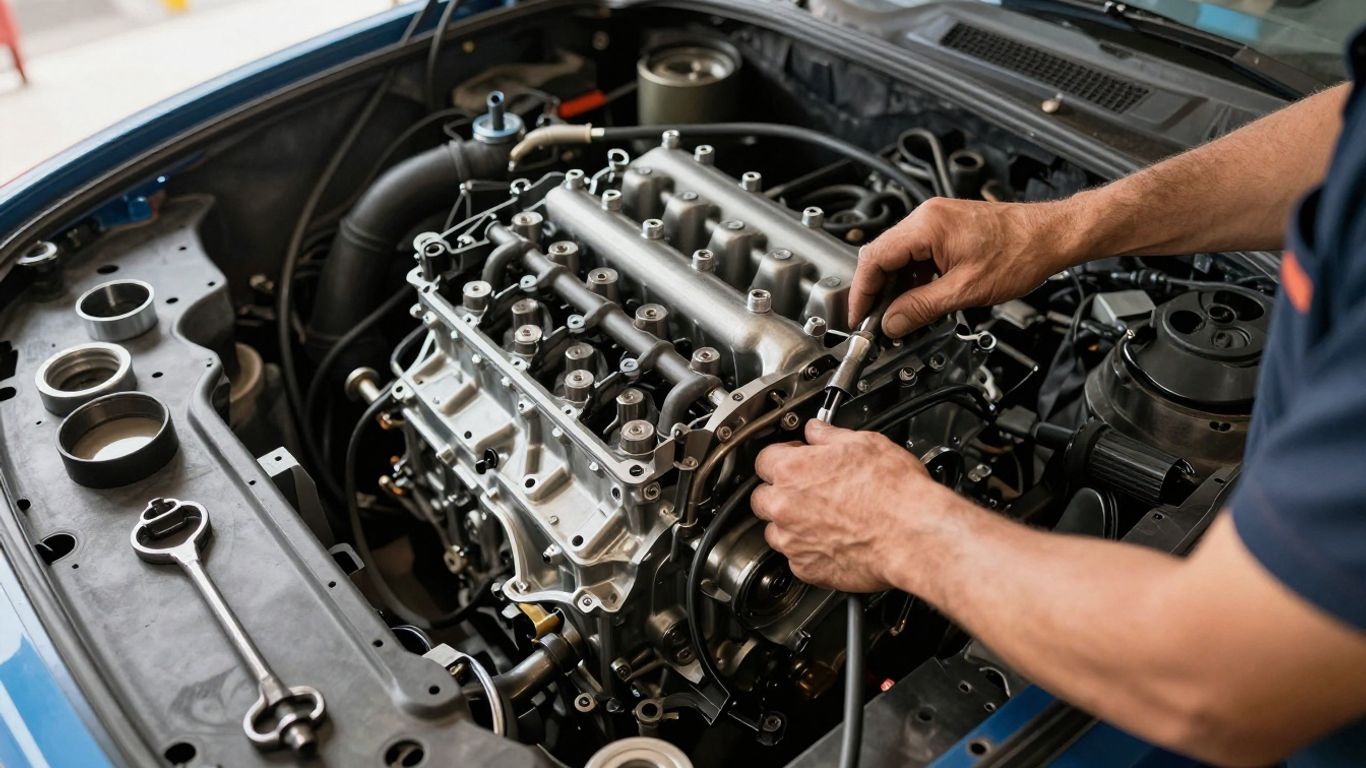
So, you’re thinking about ditching the petrol pump and going electric with your car in Sydney? That’s awesome! But let’s get real, the big question on everyone’s mind is usually, ‘How much is this going to set me back?’ It’s not a simple number, because, well, cars and conversions are complicated things.
Understanding Kit Price Ranges
First off, the kit itself is just one piece of the puzzle. These kits can vary a lot in price depending on what you’re getting. Think of it like buying a computer – you can get a basic model or a super high-end gaming rig. Here’s a rough idea of what you might see for just the kit:
- Entry-Level Kits: These are usually for smaller cars, like a Mini or a VW Beetle, and are focused on getting you around town efficiently. Expect to see prices starting around AU$5,000 and going up from there.
- Standard Kits: If you’ve got a mid-sized sedan or a small SUV and want a good balance of performance and range for daily driving, these kits typically fall in the AU$10,000 to AU$20,000+ range.
- Performance/Utility Kits: For bigger vehicles, like a Toyota Hilux or LandCruiser, or if you need more power for towing or longer trips, these kits can get pricier, often starting at AU$20,000 and going up to AU$40,000 or even more.
Factors Influencing Total Conversion Expenses
Now, remember those kit prices? They don’t include a whole lot of other stuff you’ll need to pay for. It’s like buying a house – the sticker price isn’t the final number.
- Shipping and Customs: Getting the kit to Sydney from wherever it’s made adds costs. If it’s coming from overseas, you’ll also have to deal with import duties and taxes, which can add a surprising amount.
- Installation: Unless you’re a qualified mechanic with a lot of free time and the right tools, you’ll need a professional to install the kit. This is where a good chunk of the cost can go, depending on how complex the job is and how many hours it takes.
- Engineering and Certification: This is a big one in Australia. You’ll need certified engineers to sign off on the conversion to make sure it’s safe and legal. Then there’s the Roadworthy Certificate (RWC) and getting your registration updated. These processes have fees attached.
- Ancillary Parts: Sometimes, you might need to upgrade other parts of your car to handle the new electric setup, like brakes or suspension. Batteries, in particular, can be a significant cost component.
Estimating Your Overall Investment
Putting it all together, a full EV conversion in Sydney can really range quite a bit. For a basic conversion on a smaller car, you might be looking at a total cost starting around AU$15,000. However, for more complex conversions on larger vehicles, or if you’re opting for high-performance components and batteries, the total bill could easily climb to AU$60,000 or more.
It’s really important to get a detailed quote that breaks down all these different costs. Don’t be afraid to ask questions about what’s included and what’s not. A good installer or conversion specialist will be upfront about the entire process and the associated expenses.
Think of it as an investment in a cleaner, potentially cheaper-to-run vehicle that you already love. It’s definitely not a cheap weekend project, but for many, the long-term savings and environmental benefits make it totally worthwhile.
Embarking On Your EV Conversion Journey
So, you’re thinking about taking the plunge into the world of electric vehicle conversions right here in Sydney? That’s awesome! It might seem like a big step, but honestly, getting started is way simpler than you might imagine. We’ve broken down the initial stages to make it feel less like a mountain and more like a manageable hill.
Initial Vehicle Assessment
Before you get too far ahead of yourself, the very first thing you’ll want to do is figure out if your current ride is a good candidate for an electric makeover. Not every car is built the same, and some are definitely better suited for conversion than others. Think about things like the car’s overall condition, its weight, and how much space you have under the hood and elsewhere for new electric bits. We’re talking about the motor, batteries, and all the associated wiring. A quick chat with a specialist or even some online research specific to your car model can give you a good idea of what you’re working with.
Personalised Consultation And Quoting
Once you have a general idea of your vehicle’s potential, it’s time to get specific. This is where the real planning happens. You’ll want to connect with a conversion specialist or a kit provider. They’ll ask you a bunch of questions to really nail down what you want from your electric car. Are you looking for something zippy for city commutes, or do you need more grunt for longer trips or hauling stuff? They’ll also want to know your budget. Based on all this, they can put together a personalised quote. This quote should break down the costs of the kit, any custom fabrication needed, and give you an estimate for installation.
Here’s a rough idea of what you might expect for kit prices, just to give you a ballpark figure:
| Kit Type | Ideal For | Estimated Kit Price (AUD) |
|---|---|---|
| Entry-Level | Small cars, city driving, budget focus | $5,000 – $10,000+ |
| Standard | Daily drivers, balanced performance | $10,000 – $20,000+ |
| Performance/Utility | Heavier vehicles, towing, high-demand use | $20,000 – $40,000+ |
Remember, these are just for the kits themselves. The total cost will include installation, engineering, and certification, which can add a significant amount.
Connecting With Local Installers
Finding the right person or team to actually do the conversion work is super important. A good installer will have experience with EV conversions, understand the local regulations in NSW, and be able to handle any unexpected issues that pop up. They’ll be your go-to for making sure everything is fitted correctly and safely. Don’t be afraid to ask for references, check out their previous work, and have a good chat about their process. Getting this relationship right from the start makes the whole journey much smoother.
The transition from a combustion engine to an electric powertrain involves more than just swapping parts; it’s about integrating a new heart into a familiar body. This requires careful planning, precise execution, and a clear understanding of both the vehicle’s original design and the new electric system’s requirements. Working with experienced professionals is key to a successful and reliable outcome.
Getting your vehicle assessed, getting a clear quote, and finding a trusted installer are the key first steps. It’s all about laying a solid foundation for your exciting EV conversion project.
Shipping And Support For Sydney Conversions
So, you’ve decided to take the plunge and convert your vehicle to electric right here in Sydney. That’s awesome! But what happens after you pick out your kit? Getting it to your doorstep and making sure you’ve got help if you need it are pretty big deals. Nobody wants a giant box of parts sitting in their driveway with no idea what to do next, right?
Efficient Kit Delivery Options
When it comes to getting your EV conversion kit to Sydney, there are a few ways it can happen. Think of it like ordering something big online – you’ve got choices. The companies that sell these kits usually work with big shipping companies. They’ll often give you options like air freight, which is faster but costs more, or sea freight, which takes longer but is usually easier on the wallet. For most people in Sydney, a balance between speed and cost is key. They’ll also make sure you can track your package, so you know exactly where it is.
Navigating Customs And Duties
This part can sound a bit intimidating, but it’s usually handled pretty smoothly. If the kit is coming from overseas, it has to go through Australian customs. The company you buy from will typically sort out a lot of the paperwork, like the invoices and export documents. However, as the person bringing the parts into the country, you’ll likely be responsible for things like import taxes (GST) and any customs fees. It’s a good idea to ask the supplier for an estimate or check with the Australian Border Force if you want to know the exact costs beforehand. It’s just part of bringing something special into the country.
Comprehensive Technical Assistance
This is where the real peace of mind comes in. Once you have your kit, you’ll need to know how to put it all together. Good suppliers will give you really clear instructions, often with diagrams or even video guides. Some even offer video calls where you can chat with a technician in real-time if you get stuck. It’s like having a mechanic on standby. They usually have different ways to get in touch, like email or messaging apps. And the best ones? They’ll offer support for as long as you own the converted vehicle. That’s a pretty solid promise.
Getting your EV conversion kit to your garage in Sydney and having reliable support are just as important as the kit itself. Don’t overlook these aspects when choosing a supplier; they can make or break your conversion project.
Ready to Make the Switch?
So, there you have it. Converting your car to electric in Sydney doesn’t have to be some impossible dream. Whether you’re looking to save a bit on fuel, do your bit for the planet, or just keep that classic car on the road for years to come, there are options out there. It might seem like a big step, but with the right kit and a good installer, it’s totally doable. Think about it – a quieter ride, less money spent at the pump, and a cleaner conscience. It’s a pretty sweet deal, honestly. If you’re curious, now’s a good time to start looking into it. Who knows, your next drive could be a whole lot greener.