So, you need a new engine for your car and you’re in Sydney. Finding a used one can seem like a big job, right? It’s not always straightforward, but with a bit of know-how, you can find a good replacement without too much hassle. This guide is here to help you figure out where to buy used engines in Sydney and what to look out for.
Key Takeaways
- Check online marketplaces and local Sydney wreckers for options.
- Always verify the seller’s reputation before buying.
- Confirm the engine is compatible with your car and check its condition.
- Understand the warranty and return policy before making a purchase.
- Inspect the engine for leaks, damage, and check its history if possible.
Where to Buy Used Engines in Sydney
Finding a replacement engine for your car in Sydney doesn’t have to be a massive headache. There are several avenues you can explore, each with its own set of pros and cons. The key is knowing where to look and what to ask for.
Exploring Online Marketplaces and Directories
These days, a lot of the legwork can be done from your couch. Websites dedicated to selling used car parts, including engines, are a common starting point. You’ll find listings from various sellers, from individual mechanics to larger salvage yards. It’s a good idea to check a few different platforms to get a feel for the market and pricing.
- Trade websites: Think of places where people list all sorts of used goods. You might find engines here, but it’s often a mixed bag.
- Specialized auto parts sites: These are usually better as they focus specifically on car components. You can often filter by make, model, and engine type.
- Online directories: Some sites list businesses like wreckers and mechanics, which can lead you to potential engine suppliers.
When using these online resources, always look for detailed descriptions and clear photos of the engine. Don’t hesitate to ask sellers questions directly through the platform.
Discovering Specialized Sydney Wreckers
Sydney has a good number of automotive wreckers, also known as salvage yards or breakers. These businesses dismantle old vehicles to sell the usable parts, and engines are a big one. They often have a wide variety of engines from different makes and models.
- Location: Many wreckers are located in industrial areas on the outskirts of Sydney. A quick online search for "car wreckers Sydney" will give you a list.
- Inventory: Call ahead to see if they have the specific engine you need. Some keep detailed online inventories, while others are more traditional.
- Inspection: If possible, arrange to visit the yard to inspect the engine yourself. This is often your best chance to see the condition firsthand.
Wreckers can be a goldmine for hard-to-find parts, but it’s important to remember these are used components. Thorough inspection and asking about any guarantees are vital.
Leveraging Local Retailers for Engine Parts
While less common for complete engines, some local auto parts stores might have connections or even stock certain types of used engines or engine components. They might also be able to order a used engine for you from a larger supplier. It’s worth a shot, especially if you have a good relationship with a local shop. They might know a reliable source you wouldn’t find online.
Key Considerations When Purchasing
So, you’ve found a used engine that seems like a good fit for your car. That’s great! But before you hand over your cash, there are a few things you really need to think about. Buying a used engine is a pretty big deal, and you want to make sure you’re making a smart choice. It’s not just about finding something that fits; it’s about getting something that’s actually going to work and last.
Verifying Seller Reputation and Reviews
Who are you buying from? This is super important. You don’t want to end up with a faulty engine from someone who doesn’t care about their customers. Look for sellers who have a good track record. Check online reviews on Google, Facebook, or specialized auto parts forums. See what other people are saying about their experience. Did they get what they paid for? Was the part described accurately? A seller with lots of positive feedback and a history of honest dealings is usually a safe bet. If a seller seems shady or has a lot of complaints, it’s probably best to walk away, no matter how good the price seems.
Confirming Engine Compatibility and Condition
This is where you need to be really thorough. First off, make absolutely sure the engine is the right one for your car. Don’t just guess. You need the exact make, model, year, and even the specific engine code if possible. A quick call to your mechanic or a look in your car’s manual can help confirm this. Once you’re sure it’s compatible, you need to get a clear picture of its condition. Ask the seller about its history: why was it removed from the donor vehicle? How many miles did it have on it? Was it running when removed? Don’t be afraid to ask a lot of questions; a good seller will be happy to answer them.
Understanding Warranties and Return Policies
This is your safety net. What happens if you get the engine installed and it turns out there’s a problem? A reputable seller will offer some kind of warranty or a return policy. This might be a 30-day guarantee, or it could be ‘as is’. You need to know the details before you buy. A short warranty period can give you some peace of mind that the engine is in decent working order. If a seller doesn’t offer any kind of guarantee, you’re taking on all the risk yourself. It’s worth paying a little more for a seller who stands behind their products.
Here’s a quick checklist to keep in mind:
- Compatibility: Double-check the engine’s specs against your vehicle’s requirements.
- Seller Reviews: Look for consistent positive feedback from previous buyers.
- Warranty: Understand the terms, duration, and what’s covered.
- Return Policy: Know the process and any conditions for returning the engine.
Buying a used engine can save you a lot of money compared to a new one. However, it’s really important to do your homework. Taking the time to check out the seller and understand the terms of the sale can prevent a lot of headaches and unexpected costs down the road. It’s better to be a bit cautious now than to deal with a broken-down car later.
Inspecting a Used Engine Before Purchase
Checking for Leaks and Physical Damage
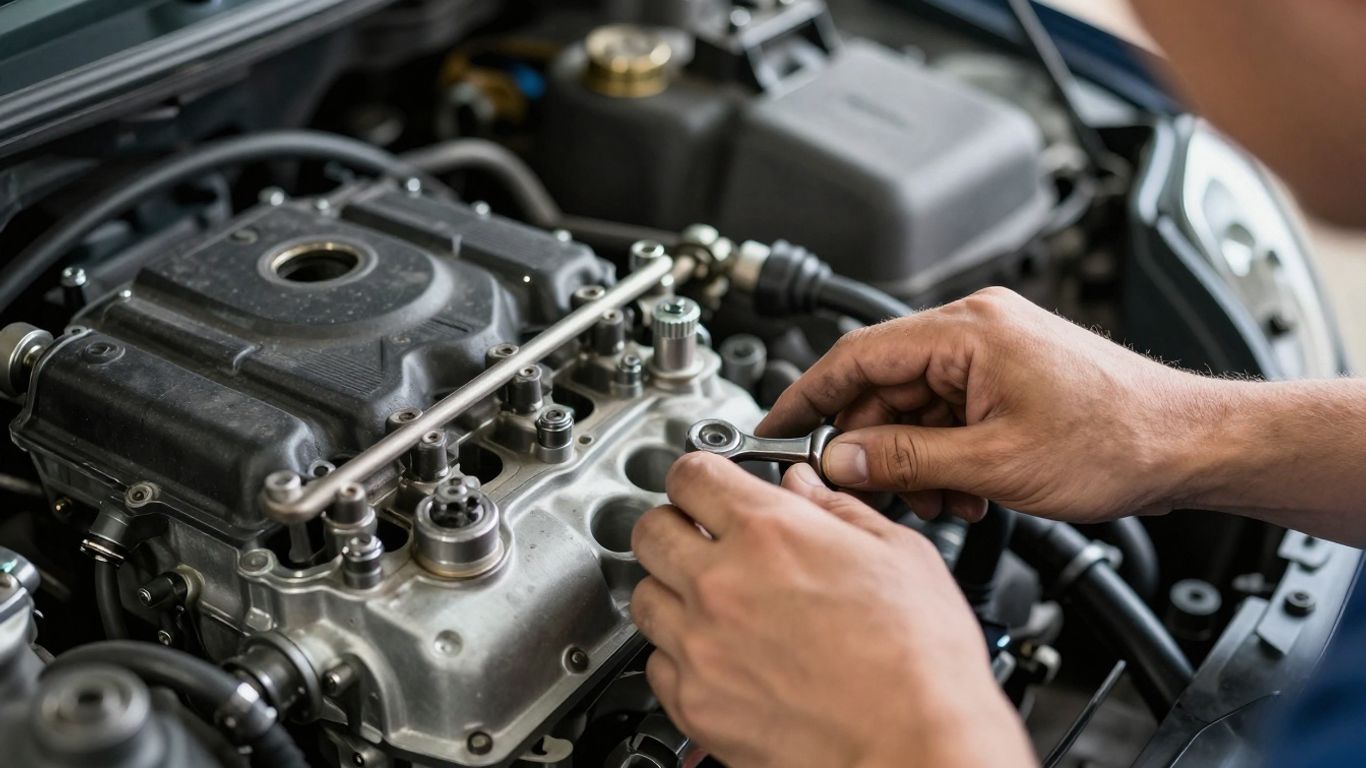
So, you’ve found a potential engine, and it looks okay from a distance. But now it’s time to get up close and personal. First off, give the engine block a good once-over. Look for any obvious cracks or signs of damage. Sometimes, engines can overheat, and you might see discoloration or warping, especially around the exhaust manifold. Also, keep an eye out for any rust, particularly in places where coolant might sit. Check the oil pan for dents – a big dent could mean it hit something and might be compromised. Any signs of fluid leaks, like oil or coolant residue, are a big red flag.
Assessing Engine Mileage and Maintenance History
This is where you want to play detective. Ask the seller about the mileage on the engine. Generally, lower mileage is better, but it’s not the whole story. An engine with higher mileage that was meticulously maintained might be a better bet than a lower-mileage one that was neglected. Try to get a sense of its history. Was it regularly serviced? Did it have any major issues before it was removed from the donor vehicle? Sometimes, you can find service records or at least get a verbal history from the seller. If the engine was tested before removal, that’s a huge plus.
Examining Oil Condition and Gasket Integrity
Pop the oil cap and take a look. Is the oil dark and sludgy, or does it look relatively clean? Thick, black sludge can indicate poor maintenance and potential internal problems. Also, check the valve cover gasket. Is it cracked or brittle? A damaged gasket can lead to oil leaks and other issues. While you’re looking around, check the spark plug holes. Are they clean, or do they look worn or damaged? These details can tell you a lot about how the engine was treated.
Buying a used engine is a bit like adopting a pet. You want to know its background, make sure it’s healthy, and understand its needs before you bring it home. A little bit of upfront investigation can save you a whole lot of heartache and money down the line. Don’t rush this part; it’s really important.
Secure Transactions and Delivery Options
Alright, so you’ve found the engine you think is the one. Now comes the part where you actually hand over your cash and get it to your garage. This is where things can get a little tricky if you’re not careful, but it doesn’t have to be a headache. Making sure your transaction is safe and the engine gets to you without drama is pretty important.
Ensuring Secure Online Payment Gateways
When you’re buying online, especially from a place you might not have dealt with before, you want to know your bank details are safe. Most reputable sellers use secure payment systems. You’ll usually see a little padlock icon in your browser’s address bar, and the website address will start with ‘https’. This means the connection is encrypted, making it much harder for anyone to snoop on your information. Look for common payment options like credit cards, PayPal, or secure bank transfers. If a seller only offers really unusual payment methods, that might be a red flag.
Evaluating Shipping Costs and Delivery Times
Shipping a heavy item like an engine can add up. Always check the shipping costs before you commit to buying. Some sellers might offer free shipping, while others charge based on distance and weight. It’s also good to get an idea of how long it will take to arrive. Do you need it next week, or can it wait a month? Standard shipping is usually cheaper but takes longer, while express options get it to you faster, but at a higher price.
Here’s a rough idea of what to expect:
- Standard Shipping: Typically 5-10 business days within the same state, potentially longer for interstate deliveries.
- Express Shipping: Usually 1-3 business days for major cities, might be a bit longer for regional areas.
- Local Pickup: If you’re close to the seller, this can save on shipping costs and lets you inspect the engine one last time.
Arranging for Engine Transportation
Once you’ve paid and the seller has confirmed the engine is ready, you need to figure out how it’s getting to you. If you’re picking it up, make sure you have a suitable vehicle – a trailer or a truck is often necessary. If the seller is arranging delivery, confirm who is responsible for unloading at your end. Some delivery services include unloading, while others might require you to have equipment ready, like a forklift or a few strong mates. Always clarify the delivery process and any responsibilities you have before the engine leaves the seller’s premises.
Buying a used engine involves more than just finding the right part at a good price. It’s about the whole process from payment to getting it into your hands. Taking a few extra minutes to check payment security and understand delivery terms can save you a lot of trouble down the line.
Finding Specific Engine Models
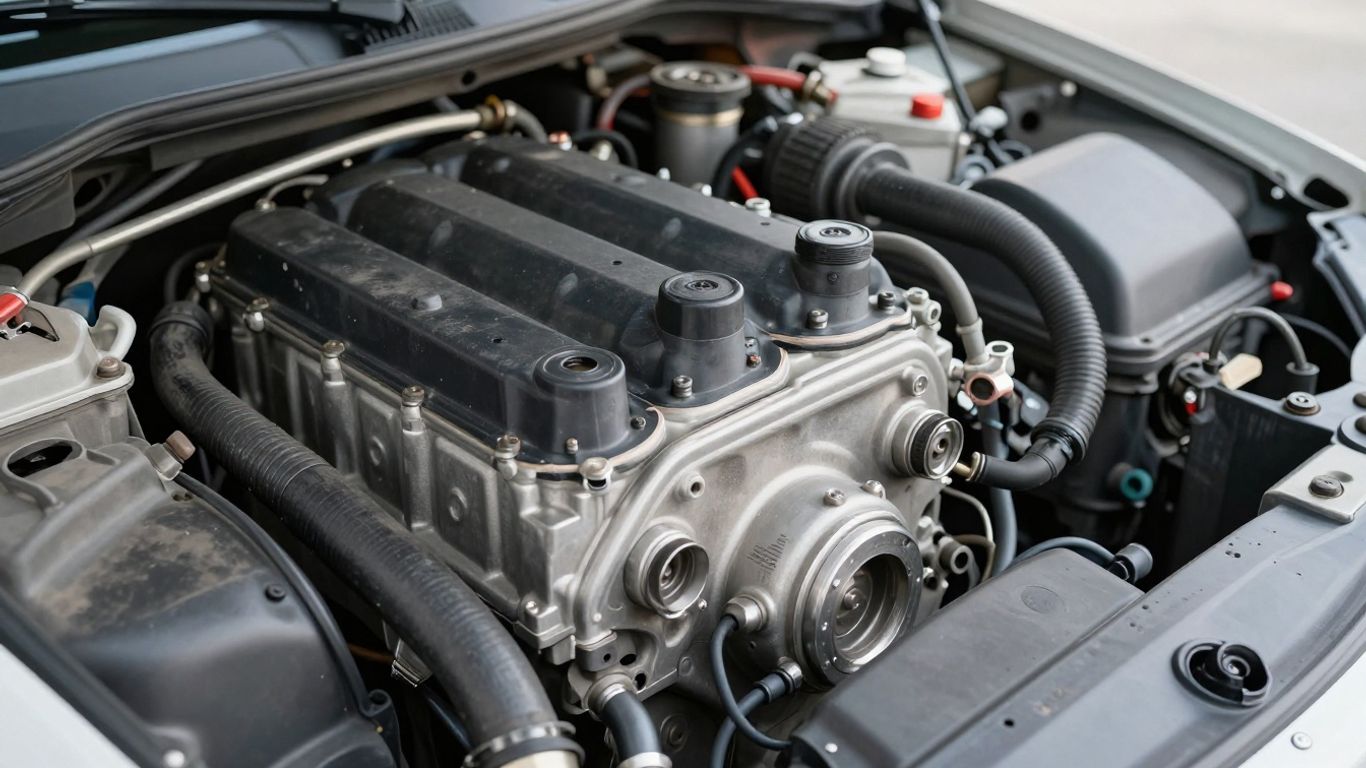
So, you know you need a new engine, but finding the exact one for your car can feel like a treasure hunt. Sydney has a lot of options, but zeroing in on the right engine for your specific make and model is key. It’s not just about getting an engine; it’s about getting the right engine.
Sourcing Engines for Popular Car Brands
When you’re looking for engines for common car brands like Toyota, Holden, or Ford, you’ll likely find more availability. These cars are everywhere, so their parts are too. Wreckers often have a good stock of these.
- Check the engine code: Don’t just rely on the car model. Different versions of the same car can have different engines. Find the exact engine code from your car’s manual or VIN.
- Look at the year range: Manufacturers sometimes make changes to engines between model years. Make sure the engine you’re buying is compatible with your car’s year.
- Consider the transmission type: Sometimes engine compatibility is linked to whether your car is manual or automatic.
Locating Engines for European Vehicles
European cars, like BMW, Mercedes-Benz, or Volkswagen, can be a bit trickier. They often have more complex engine designs, and parts might be less common or more expensive.
- Specialist wreckers are your best bet: Look for wreckers that specifically deal with European makes. They’ll have more knowledge and a better selection.
- Online forums can help: Owners of European cars often share where they found parts. These communities can be a great resource.
- Be prepared for higher costs: Generally, European car parts cost more, even used ones.
Identifying Engines for Japanese Imports
Japanese imports, including brands like Subaru, Nissan, and Mazda, have their own quirks. Many are performance-oriented, and finding specific performance engines might require a bit more digging.
| Car Brand | Common Engine Types to Look For | Notes |
|---|---|---|
| Subaru | EJ20, EJ25, FA20 | Check for turbo vs. non-turbo models. |
| Nissan | SR20, RB25, VQ35 | Many performance variants available. |
| Mazda | BP-ZE, MZR, Skyactiv-G | Consider rotary engines for RX-7/RX-8, but they require special care. |
Finding the right engine often means being patient and doing your homework. Don’t rush the process, and always double-check compatibility before you buy. A little extra effort upfront can save you a lot of headaches and money down the line.
Remember to always verify the engine’s condition and the seller’s reputation, no matter the car’s origin. A good deal on the wrong engine is no deal at all.
Wrapping Up Your Engine Search in Sydney
So, you’ve made it through the guide on finding a used engine in Sydney. It might seem like a lot, but with the right approach, it’s totally doable. Remember to always check out sellers, double-check those engine codes to make sure they match your car, and don’t be shy about asking about warranties or return policies. Whether you’re looking online or at a local yard, taking your time and being thorough will help you find a good engine that won’t give you trouble. Happy motoring!