Key Takeaways
- Second hand Holden V8 engines Campbelltown offer significant potential for performance enthusiasts when sourced carefully.
- Identifying the correct LS-series variant is vital for integration with your specific chassis.
- Thorough physical inspections, including compression testing, minimize the risk of purchasing compromised equipment.
- Reliable suppliers in the Macarthur region provide access to high-quality components and documented service histories.
- Always prioritize legal compliance regarding engine modifications to ensure vehicle registration validity in NSW.
Understanding Holden V8 engine variants
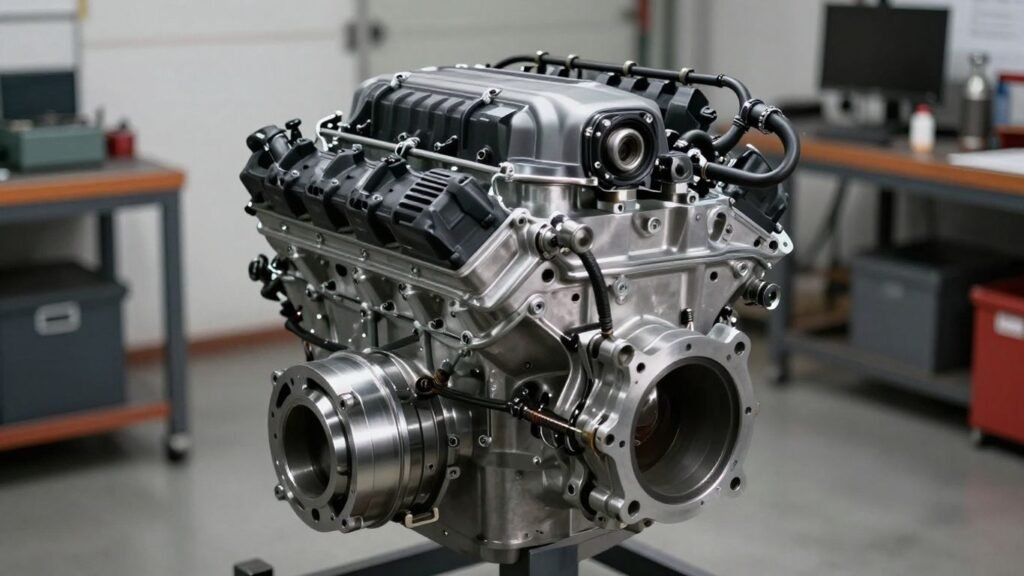
Selecting the right engine requires a clear understanding of the evolution of these powerplants throughout the production years. Different generations of the architecture offer varying internal components, which significantly influences both power characteristics and how they interact with factory-installed systems.
Identifying LS-series engines
The LS-series family, standard in many late-model performance vehicles, remains the most sought-after choice due to its robustness and immense aftermarket potential. These engines typically feature aluminum blocks with superior heat dissipation compared to older iron units, making them ideal for high-stress driving. Choosing a reliable unit often involves verifying the original intended use to ensure it has not undergone extreme track abuse.
The difference between VE and VF engine specifications
While the VE and VF platforms share similar external appearances, minor updates to internal sensors and wiring looms can create integration headaches. Engineers refined the oiling systems and internal tolerances as production progressed into the VF era, resulting in smoother delivery and slightly better fuel efficiency. Matching an engine to your vehicle’s specific ECU software is the most effective way to maintain factory levels of reliability.
Compatibility with older chassis and models
Retrofitting a modern engine into an older chassis often requires custom engine mounts and modified cross-members. Because these parts are high-performance engines, ensuring the intake manifold and accessory drives clear the existing suspension turrets and firewall is critical. Experienced builders often recommend using specialized adapter kits designed specifically for these engine swaps to prevent unnecessary modification.
Checking engine block codes and casting numbers
Every engine block carries unique identifiers that reveal its displacement, build date, and original application. By cross-referencing these casting numbers against known databases, buyers can avoid purchasing mismatched parts disguised as high-performance variants. This step is essential in confirming that the engine you are purchasing is not an underpowered base-model unit.
Where to find second hand engines in Campbelltown
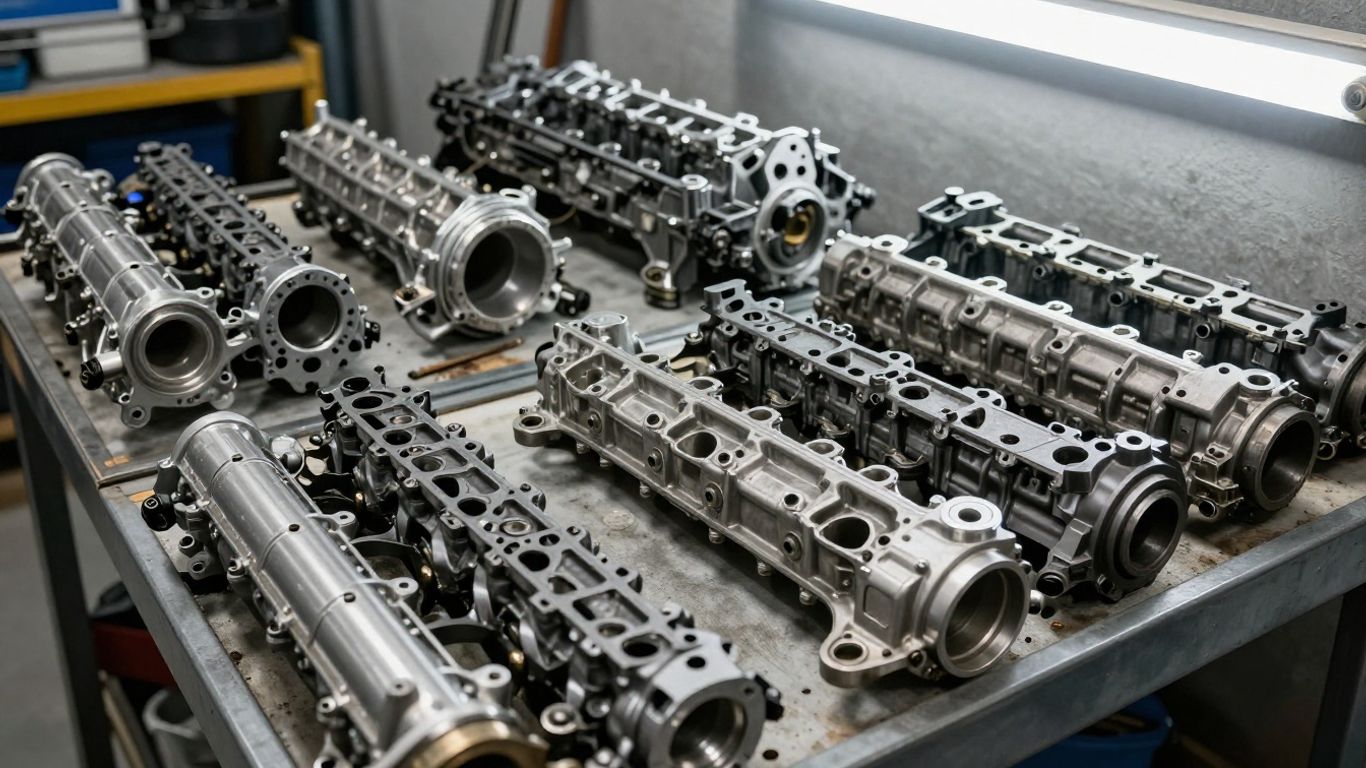
Finding high-quality components requires a strategic approach to local networking and resource investigation. By connecting with established businesses in the Macarthur region, you can locate engines with verified backgrounds rather than gambling on unattested internet listings. Cultivating these relationships often leads to better pricing and clearer information regarding the engine’s previous life.
Utilizing local automotive dismantlers and wreckers
Local wreckers are often the first points of entry for dismantled vehicles, making them excellent locations to inspect inventory firsthand. These facilities frequently act as hubs for trade-ins, providing a diverse catalog of parts for anyone seeking a replacement engine block.
Monitoring private listings and community classifieds
Private sales can offer competitive pricing, though they require a higher level of scrutiny compared to retail purchases. When navigating online marketplaces for your next upgrade, always request photographs of the block code and signs of internal maintenance. Monitoring these sites daily is a proven method for securing premium performance engine components before they are sold to others.
Engaging with specialized performance engine builders
Performance builders often have access to components that haven’t yet reached the public market. These businesses frequently perform rebuilds and upgrades, meaning they might have a spare engine that meets your specific requirements. Engaging with these professionals can also simplify your search by leveraging their expert judgment.
Verifying the reputation of local mechanical suppliers
Check online reviews or local community forums to see how suppliers have treated previous buyers. A supplier who offers clear documentation and stands behind their inventory is far more reliable than one that pressures you into a quick, undocumented sale.
| Supplier Type | Availability | Likely Documentation | Reliability Rating |
|---|---|---|---|
| Wrecking Yard | High | Minimal | Moderate |
| Performance Shop | Low | Extensive | Very High |
| Private Seller | Moderate | Variable | Low |
Essential inspection tips for used engines
Conducting a systematic inspection is the only way to avoid substantial repair costs later on. Even engines that appear clean on the surface can harbor internal damage that only reveals itself once installed and running under load.
Evaluating motor oil condition and evidence of sludge
Check the oil color and viscosity carefully to gauge the engine’s internal health. Dark, thick, or gritty oil is a major indicator of deferred maintenance that likely harmed internal bearings. Proper care ensures the longevity of your investment while protecting other sensitive components.
Inspecting spark plugs and port deposits
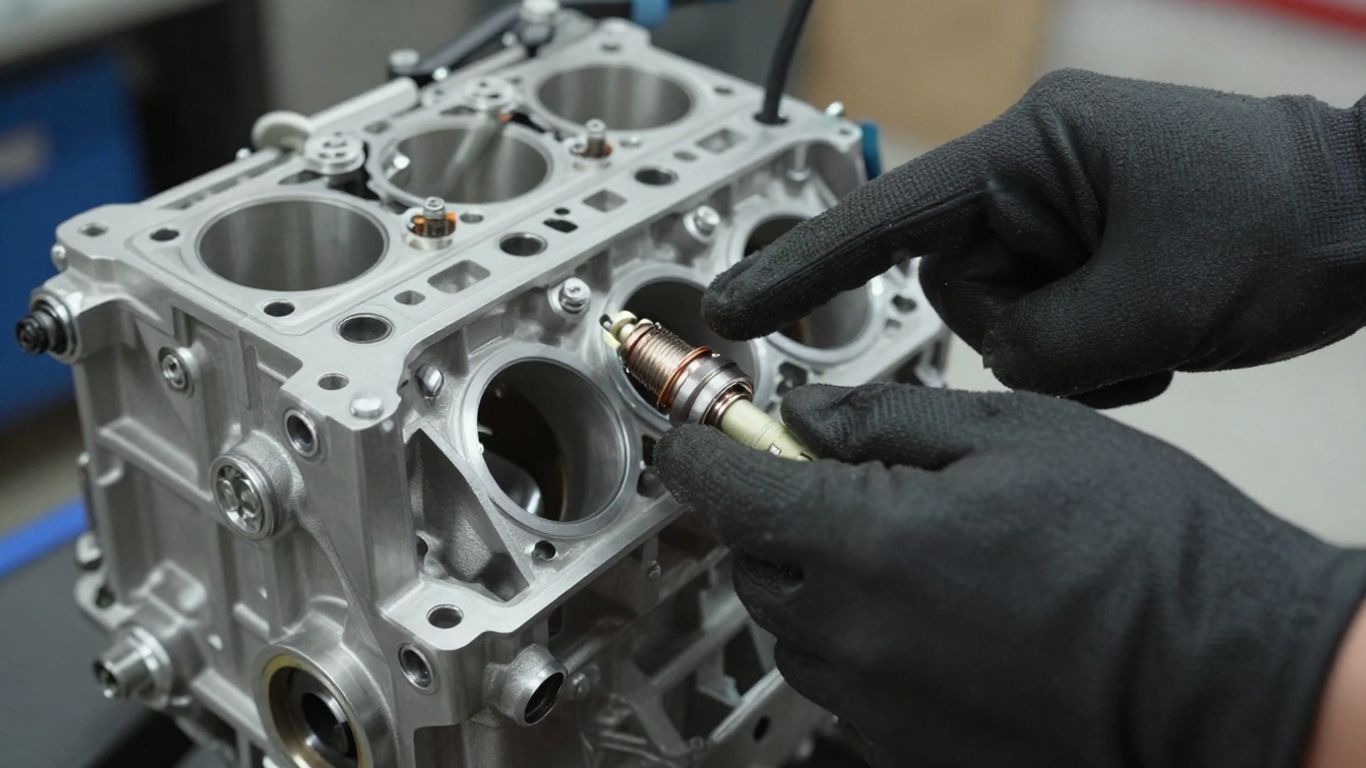
Removing the spark plugs allows for a visual inspection of the combustion chamber conditions. Soot or heavy carbon buildup usually indicates an engine that has been running rich or burning excessive oil for a significant period. Maintaining clean combustion cycles is critical for every high-performance setup.
Performing a compression and leak-down test
These tests provide the most accurate assessment of an engine’s internal sealing capacity. A consistent reading across all cylinders suggests healthy piston rings and valves, while significant variations indicate impending mechanical failure. You should always insist on witnessing these tests before finalizing any purchase agreement.
Assessing the state of cooling hoses and rubber seals
- Inspect all rubber coolant hoses for signs of dryness or cracking.
- Check for leaks around the front and rear main seals.
- Verify the condition of the water pump and belt tensioner.
- Look for dried coolant residue near the thermostat and gasket surfaces.
These simple visual checks can save significant time and money during the installation phase, ensuring a reliable setup for your driving needs.
Avoiding common pitfalls when buying used
Navigating the used engine market requires vigilance, as subtle issues are often masked by a quick wipe-down or cosmetic cleanup. Buyers should remain skeptical of any engine that appears unnaturally pristine while lacking a clear, documented provenance from the seller.
Verifying the engine’s service history and provenance
Provenance is worth its weight in gold when buying used hardware. Seek engines with logs showing regular oil changes and coolant flushes, as these are the strongest indicators of longevity. If a seller cannot provide receipts or records, proceed with extreme caution.
Identifying red flags in engine idle and sound
If the engine is still installed in a vehicle, listen for unusual knocks or ticking during an cold start. A healthy engine should settle into a smooth idle without erratic fluctuations or excessive valvetrain noise. Being prepared with a trained mechanical ear can make all the difference in detecting hidden issues.
Differentiating between odometer reading and actual engine hours
High mileage on a chassis does not always equate to high wear on an engine, particularly if the vehicle was primarily used for highway driving. Conversely, a vehicle with low kilometers but heavy idle time, such as a taxi or fleet car, may be severely worn. Always look for other indicators like general cabin wear to assess how hard the platform was pushed.
Ensuring complete delivery of vital components like wiring looms and ecus
An engine is only as useful as the electronics that control it. Always negotiate to receive the complete wiring harness, sensors, and the matching ECU to simplify your integration process. Recreating these systems from scratch is an unnecessary expense and often leads to performance issues.
Installation and maintenance best practices
Starting with a solid installation foundation ensures your replacement will deliver the expected reliability. By following a structured approach, you can bridge the gap between a simple replacement block and a high-performing drivetrain component.
Finding a qualified mechanic familiar with Holden V8 performance
Work with a mechanic who specializes in your engine type to avoid costly guesswork. A professional comfortable with these specific platforms will know exactly which bolts often seize and which sensors require replacement during removal. This level of familiarity effectively lowers the risk of incidental damage during the swap.
Performing critical servicing before the first start
Before mounting the engine, perform a comprehensive service, including fresh fluids and new filters. Replacing the timing belt or chain, if applicable, alongside spark plugs and gaskets, ensures you are not dealing with leaks later. Proactive maintenance is the best insurance policy against premature failure.
Upgrading essential components for improved reliability
Consider replacing aging plastic cooling components with modern reinforced alternatives. These small improvements ensure the engine can handle normal operating temperatures without risk of cascading failures. Reliable builds start with high-quality supporting parts that complement the engine’s original design integrity.
Establishing a maintenance schedule for a used block
Once installed, tighten your maintenance intervals for the first few thousand kilometers to monitor for any irregularities. Regularly checking oil pressure levels and coolant condition will alert you early if any component needs attention. Adhering to this routine extends the service life and protects your initial financial investment.
Legal and documentation considerations
Navigating the legal landscape of engine replacement is as important as the mechanical work itself. Proper documentation not only protects your financial interests but also ensures your vehicle remains legally compliant for operation on public roads.
Understanding private seller rights versus business consumer guarantees
Buying from a business usually provides more security regarding consumer guarantees, whereas private sales are typically conducted on an ‘as-is’ basis. Understand the legal protections available to you before final payment to avoid finding yourself responsible for unexpected mechanical repairs. Knowing your rights as a buyer can provide necessary leverage during price negotiations.
The importance of detailed written invoices and receipts
Always request a formal invoice detailing the engine’s VIN source and any included accessories. This paper trail is essential for insurance claims and when updating registration details with government authorities. A detailed receipt serves as definitive proof that the components were acquired through a legitimate transaction.
Negotiating warranty terms and parts coverage
Discuss and specifically outline any warranty coverage with the seller prior to purchase. Even for used engines, reputable suppliers may offer a short-term warranty on major rotating components should a fault appear shortly after installation. Get these terms in writing to avoid future disputes regarding liability or replacement costs.
Navigating reporting requirements for engine modifications in NSW
Any significant change to your engine configuration must be reported to the relevant transport authority to ensure your registration status remains valid. Failing to disclose major modifications can result in fines or insurance claims being voided in the event of an accident. Always verify the current NSW requirements before finalizing your engine project.
Conclusion
Securing a quality replacement involves equal parts research, physical inspection, and careful documentation to ensure the process remains successful. By focusing on finding reliable components and verifying their history, performance enthusiasts can effectively revitalize their vehicles with high-performance powerplants while avoiding common mechanical pitfalls.