Key Takeaways
Understanding the financial and technical aspects of major automotive repairs is essential for vehicle owners. Consider these summarized points regarding the process:
- Engine replacement costs in Australia typically range from $3,316 to over $11,000.
- Choosing between a brand new, reconditioned, or used engine significantly impacts the total bill.
- Proper diagnosis is vital to ensure an engine swap is truly necessary before committing.
- Professional labor and ancillary parts often contribute as much to the final price as the engine unit itself.
- Maintaining a clear budget and verifying mechanic credentials helps manage the complexity of this repair.
Average cost breakdown for engine replacement
When facing a total engine failure, the financial path forward depends on how you choose to replace the unit, the vehicle model, and the shop performing the work. Many drivers find that the sheer unpredictability of these costs makes it difficult to plan ahead, yet having a clear understanding of the components involved helps set realistic expectations for the final repair bill.
New factory engine vs. second-hand donor engine
You are essentially choosing between the absolute reliability of a new factory unit and the cost-effective nature of a salvaged component. A new factory engine typically offers the best durability and manufacturer-backed support, though it carries the highest price point. Conversely, a second-hand unit from a wrecking yard provides a cheaper short-term fix, provided the donor engine has documented usage history.
Labor rates for professional mechanics
The time required to physically extract a defunct engine and install a fresh one varies by vehicle architecture and the specific workshop requirements. Most reputable technicians follow industry-standard labor guides, though hourly rates in major Australian hubs such as Sydney or Melbourne tend to sit at the higher end of the spectrum compared to regional zones.
Ancillary components and fluids
While the engine itself is the main purchase, the supporting hardware must be refreshed to ensure the new assembly functions as intended. Mechanical systems rely on a variety of shared parts to operate, which creates unavoidable costs during the integration process.
| Component Type | Estimated Cost Range | Frequency of Replacement |
|---|---|---|
| Timing Kit | $450 – $900 | High |
| Coolant and Oil | $150 – $300 | Mandatory |
| Ancillary Belts | $100 – $250 | Recommended |
These secondary parts represent necessary maintenance that should be performed while the engine bay is already stripped of the original core.
Regional price differences across Australia
Local market conditions often dictate what you will actually pay at the counter. Workshops in highly populated metropolitan areas manage elevated commercial rents and staffing costs, which often translates to a premium on both labor and diagnostic services compared to shops in smaller, lower-overhead towns.
Signs your engine needs professional replacement
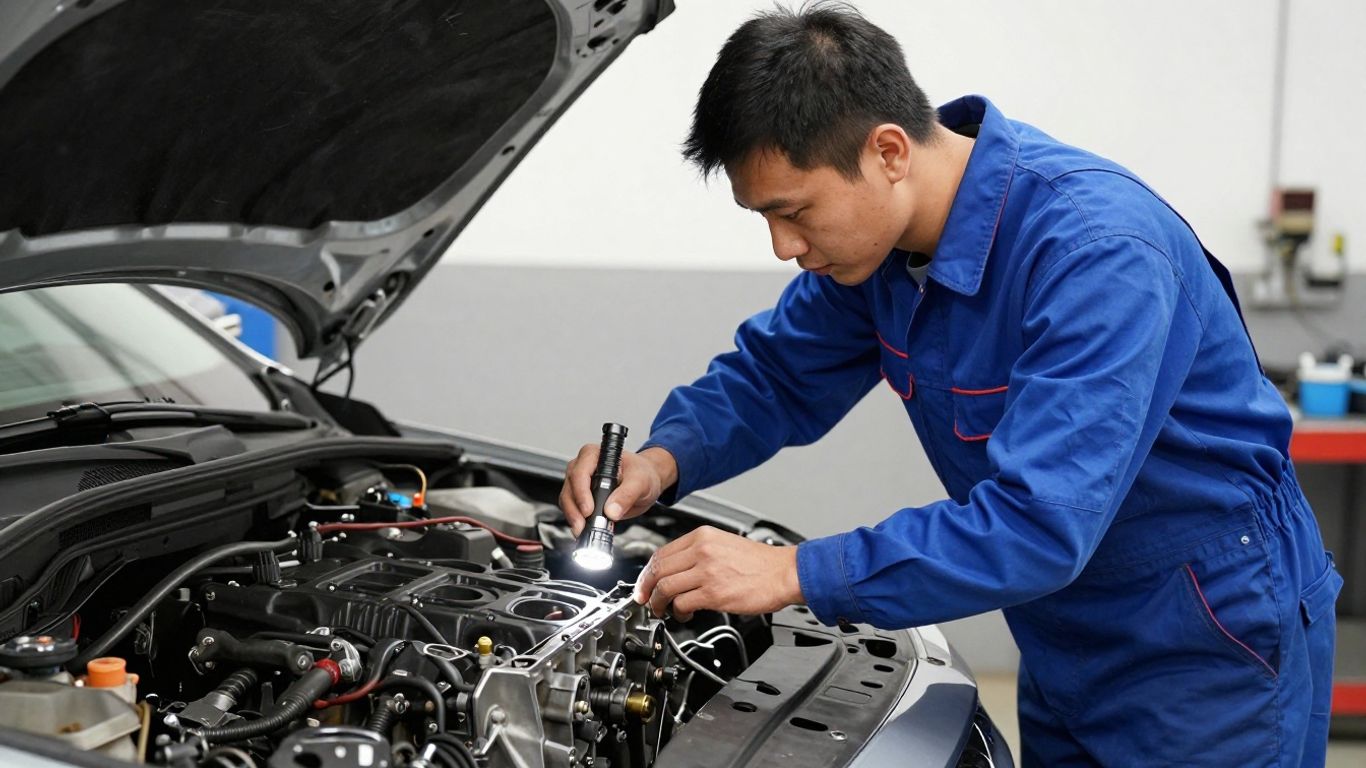
It is rarely a simple decision to commit to a total engine replacement, especially when the vehicle has served you well over many years. Ideally, you want to identify symptoms early enough to prevent a total catastrophe, but deep mechanical failures often arrive with very little warning for the average driver.
Persistent engine knocking or metallic noise
Internal sounds that resemble heavy, rhythmic tapping often point toward severe bearing wear or internal rod failure. When these noises coincide with a drop in oil pressure, the mechanical integrity of the engine is no longer reliable for daily operation.
Significant loss of compression
A lack of consistent pressure within the cylinders means the engine cannot maintain efficient combustion, leading to poor idling, stalling, or complete failure to start. Testing cylinder pressure is a primary diagnostic step that reveals whether the internal sealing of the head gasket or piston rings has reached the end of its life.
Catastrophic overheating damage
When a vehicle reaches extreme temperatures past the red line, delicate metal components like the cylinder head often warp under the heat stress. This level of damage usually renders the block porous or cracked, meaning simple repairs are no longer sufficient to restore stability.
Excessive blue smoke indicating internal wear
Persistent blue exhaust indicates that engine oil is infiltrating the combustion chambers, typically due to worn stem seals or cylinder walls. While minor leaks might be manageable initially, excessive consumption signals that your internal hardware is no longer holding proper tolerances.
Factors influencing the final replacement bill
Understanding why quotes differ significantly is easier when you consider the technical burden of the specific vehicle in your driveway. Not every engine swap is treated equally, and variables ranging from manufacturing design to stock availability play a major role in the bottom line.
Make, model, and vehicle complexity
Modern European vehicles often feature tightly packed engine bays that require the removal of front-end components, while basic utility vehicles may offer easier access. This difference in design directly impacts the number of billable hours required for a technician to complete the swap.
Diesel vs. petrol powertrain specifications
The internal architecture of diesel engines often involves heavier, high-pressure components that follow distinct repair guidelines compared to conventional petrol engines. These systems frequently require specialized calibration and additional fuel system hardware that can push the total cost upward.
Accessibility of the engine bay
If the engine is wedged deep within the chassis, the surrounding systems like power steering, cooling fans, and complex wiring looms must be carefully navigated during removal. The labor cost is often a calculation of how much auxiliary gear must be stripped away before the main block is reachable.
Availability of reconditioned engine stock
Finding a pre-built reconditioned engine depends on how popular your specific vehicle engine is in the secondary market. If your engine is common, logistics are easier, but rare or imported engines may require waiting for specific reconditioned inventory to match your exact block specification.
Engine rebuild vs. complete engine replacement
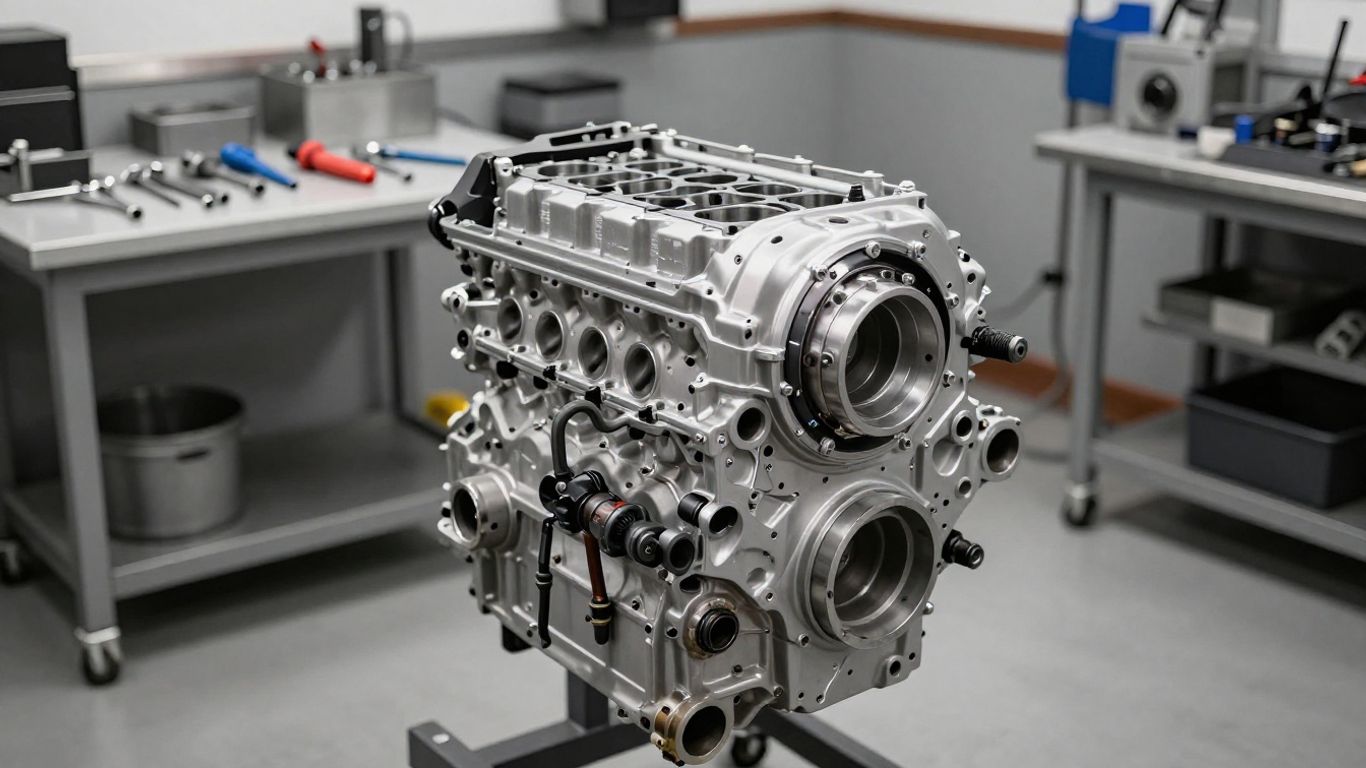
Choosing between a rebuild and a full block swap involves a trade-off between the time spent in the workshop and the level of internal restoration you require. A rebuild often focuses on updating the existing block, while a swap introduces a ready-to-race unit into your chassis.
Comparing precision reconditioning to full block swaps
Rebuilding allows a technician to machine the current block and inspect all internal tolerances, which can be beneficial for specific performance builds. Conversely, a swap is often faster and involves replacing the entire assembly, using a known engine that has already been tested for operating capacity.
Longevity expectations of rebuilt units
A professionally machined and rebuilt engine should ideally return a vehicle to its original factory performance metrics.
Consistent internal lubrication is the cornerstone of longevity, ensuring that newly installed bearings and pistons operate with minimal friction throughout the life of the unit.
Following the engine builder’s specific break-in period is the most effective way to ensure the internal components settle correctly, ultimately leading to reliable performance over the long term.
Warranty coverage for remanufactured engines
Remanufactured units often come with standardized warranties that provide peace of mind for the duration of the limited kilometre period. You should always clarify the specific exclusions tied to that warranty, particularly concerning how the engine must be maintained to keep the coverage valid over time.
Determining which repair path fits your budget
Assess the total value of your vehicle before diving into a project that might exceed its market worth. For some, a partial repair is the logical financial hurdle, while others prioritize the absolute reliability of a factory-fresh replacement to keep their daily commuter running for years to come.
Insurance, warranties, and financial considerations
Knowing how to navigate the paperwork associated with major repairs can save you significant stress and potentially thousands of dollars. Always check if your existing protections can alleviate the burden of sudden engine failure.
When comprehensive insurance covers engine failure
Typically, standard insurance policies do not cover mechanical wear or breakdown resulting from old age. However, if the engine failure is directly triggered by an external event like flooding or a vehicle collision, your policy may provide the necessary coverage.
Manufacturer warranty claims and exclusions
If your vehicle is still under its original manufacturer warranty, you must have all assessments performed at an authorized service centre to maintain eligibility. Any deviation from the recommended service schedule or the use of aftermarket parts will likely provide grounds for the insurer to deny a claim.
Financing options for unexpected major repairs
Many automotive workshops now partner with third-party credit providers that allow you to spread the cost of a major engine swap over weekly installments. These plans can be incredibly useful when you require your vehicle for work but cannot afford the full repair cost up-front.
Assessing the residual value of the vehicle
Always weigh the cost of the repair against the current market price of your make and model. If a complete swap costs almost as much as the car itself is currently worth on the open market, it may be more prudent to sell the vehicle as a non-runner and upgrade to a newer unit.
Finding a reliable mechanic for engine swaps
The quality of the work is just as important as the engine itself, as improper installation can negate even the most expensive replacement block. Take the time to vet the technician to ensure the final result keeps your car performing safely on the road.
Specialization in your vehicle’s brand
Look for a workshop that routinely handles your specific brand, as they will be familiar with the unique electrical quirks and mounting specificities of that engine. Specialized technicians often have the right diagnostic equipment ready, which avoids unnecessary hours spent testing components that the shop already understands intimately.
Verifying workshop accreditations and insurance
Check for local industry accreditations that signal the shop meets strict safety and ethical guidelines. A professional workshop will operate with comprehensive business insurance, providing a necessary layer of protection for you should any issues arise during the installation or testing phase.
Requesting detailed written quotes
A transparent quote should explicitly state the labor hours, the cost of the replacement engine, and all required fluids and minor parts. You should also ensure the quote includes a breakdown of what happens if additional issues are discovered once the engine bay is fully opened.
Checking customer reviews and engine swap history
Look beyond the star rating and read reviews that specifically mention major mechanical repairs rather than just basic services. A mechanic who has a verifiable history of successfully swapping engines will have a process that you can feel comfortable entrusting your vehicle to for such a major project.
Conclusion
Replacing a core drivetrain component is a major commitment that requires careful financial balance and accurate mechanical diagnosis. By selecting the right replacement type and ensuring your chosen workshop has the appropriate expertise, you can restore your vehicle to good health and manage the car engine replacement cost Australia provides for such complex automotive work.