Key Takeaways
Finding a dependable replacement powerplant for your vehicle requires careful research and a systematic approach to quality control. This guide outlines the essential steps to ensure you choose a reliable assembly that fits your budget and performance needs.
- Prioritize sellers who offer VIN verification to ensure compatibility with your specific vehicle make and model.
- Always request documented compression and leak-down test results before finalizing any purchase.
- Understand the distinction between a salvaged engine and a professionally remanufactured unit.
- Retain all installation and maintenance receipts to preserve your warranty coverage.
- Inspect all shipping documentation immediately upon delivery to note any potential freight damage.
Reputable sources for used engines
Transitioning to a replacement engine is a significant decision that often hinges on identifying a trustworthy vendor. When the original block fails, you need a partner who values transparency and mechanical integrity just as much as you do.
Authorized salvage yards and dismantlers
These facilities represent the most common entry point for sourcing pre-owned components. They typically process vehicles from insurance auctions or private trade-ins, cataloging parts systematically to ensure the inventory is organized and trackable.
Online engine marketplaces and aggregators
Platforms that connect buyers across large geographic areas can significantly broaden your selection. Companies like Patriot Engines offer structured online catalogs that simplify the process, often providing standardized information on unit conditions and mileage history.
Certified remanufacturing companies
These organizations specialize in restoring engines to original factory specifications rather than simply pulling them from a wreck. They replace high-wear components like pistons, bearings, and seals to ensure the unit meets rigorous performance standards.
Local mechanic recommendations and networks
Your trusted neighborhood shop often maintains relationships with regional distributors who carry vetted inventory. Because mechanics depend on their reputation, they are incentivized to suggest sources that prove reliable over the long term. Consider these common pathways for your search:
- Direct inquiries at established local repair shops.
- Checking inventory databases provided by professional automotive recycling associations.
- Consulting with fleet maintenance managers for their go-to supply channels.
- Cross-referencing seller reputations on regional automotive enthusiast forums.
By leveraging these professional networks, you can often mitigate the risks associated with private-party sales and ensure you get a unit that has been properly appraised.
Identifying quality and verifying engine history
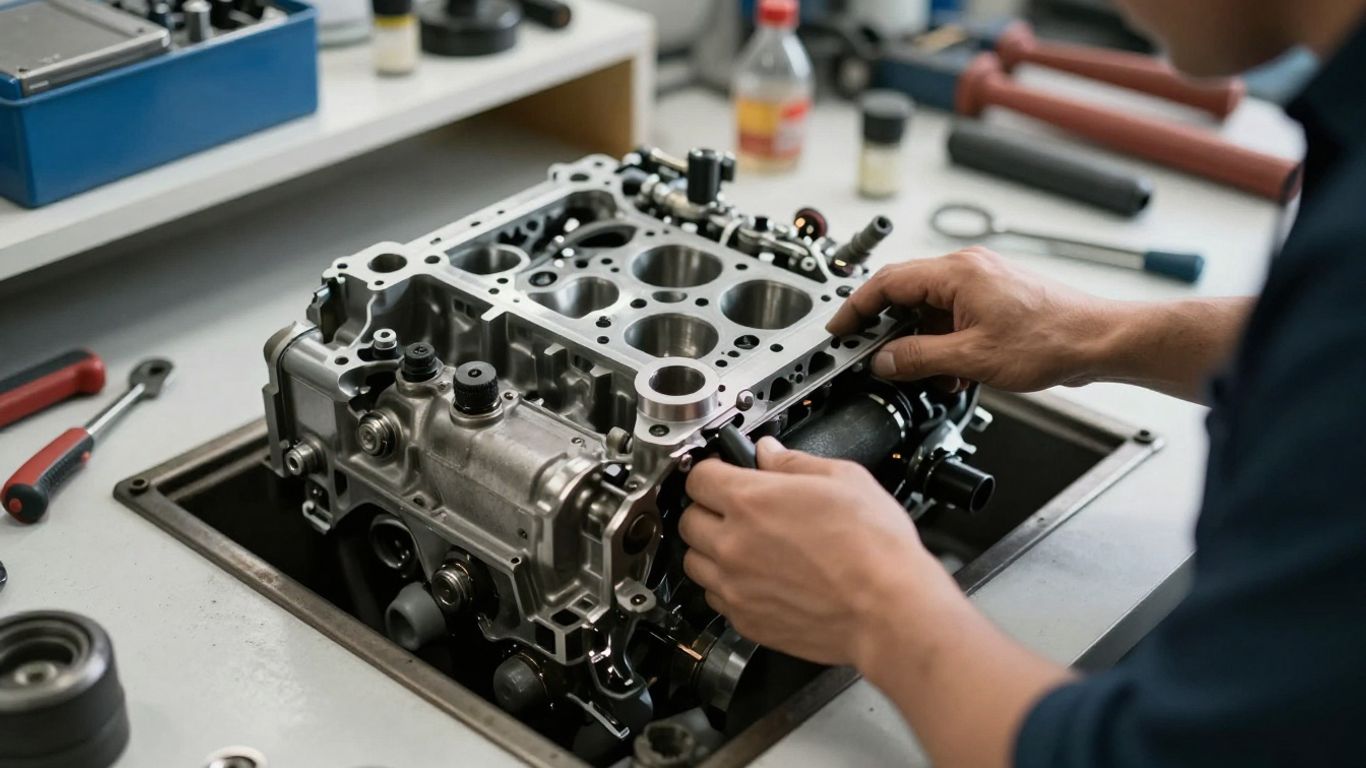
Conducting a thorough background check on a potential engine is the only way to avoid buying someone else’s mechanical headache. You are looking for clear indicators of life, maintenance, and overall durability before the unit ever touches your chassis.
Decoding the VIN for accurate history reporting
Every legitimate engine seller relies on the vehicle identification number to match a part to your car. Resources like Premium Used Auto Parts provide tools for VIN verification to ensure the unit you are purchasing is an exact match for your vehicle’s specific configuration.
Interpreting mileage disclosures and maintenance logs
Low odometer readings are often the primary metric buyers focus on, though they rarely tell the whole story. A high-mileage engine with a documented history of synthetic oil changes is frequently a better purchase than a low-mileage unit that suffered from years of neglect.
Importance of compression and leak-down tests
These diagnostic procedures provide a snapshot of the engine’s internal health without requiring a teardown. A compression test measures the force of the cylinders, while a leak-down test identifies specific areas where pressure might be escaping, usually indicating worn rings or valves.
Inspecting for external signs of internal wear or neglect
Look beyond the clean surface and examine areas that are typically ignored. Check the oil filler cap for sludge, inspect the coolant for evidence of oil contamination, and look for signs of excessive heat damage on wiring harnesses or sensors.
Understanding the difference between used and remanufactured
Understanding the nuance between these two categories will clarify why price points vary so significantly across the industry. A used part is essentially a "pull-out" component, while a remanufactured item undergoes a systematic refurbishing process.
Defining standard used and recycled assemblies
These units are extracted from cars and sold with minimal intervention beyond basic visual checks and, at best, a cursory compression test. Their primary benefit is the lower cost, making them ideal for budget-conscious repairs where the vehicle’s remaining lifespan is limited.
The technical process and benefits of remanufacturing
Professional remanufacturing involves machine work such as boring or honing cylinders and resurfacing heads to ensure perfect tolerances. The technical specifications used during this process are designed to bring the assembly back to the performance level of a brand-new unit.
Matching performance expectations with your budget
Your choice should reflect your long-term goals for the vehicle. If you plan to keep the car for years, investing in a remanufactured unit is a more reliable long-term strategy than choosing an older unit with unknown maintenance history. Here is how these categories typically compare:
| Feature | Used Assembly | Remanufactured Unit |
|---|---|---|
| Core components | Original/In-situ | Tested & Refurbished |
| Cost barrier | Low | Moderate/High |
| Performance | Variable | Factory-spec |
| Service life | Uncertain | Predictable |
Selecting the right path depends on weighing these factors against your specific financial plan and mechanical intentions.
Evaluating core charges and component compatibility
Most sellers charge a fee that you eventually recover by sending back your old, failed engine. This "core charge" ensures the recycler maintains their supply of raw materials capable of being rebuilt again later.
Navigating warranties and return policies
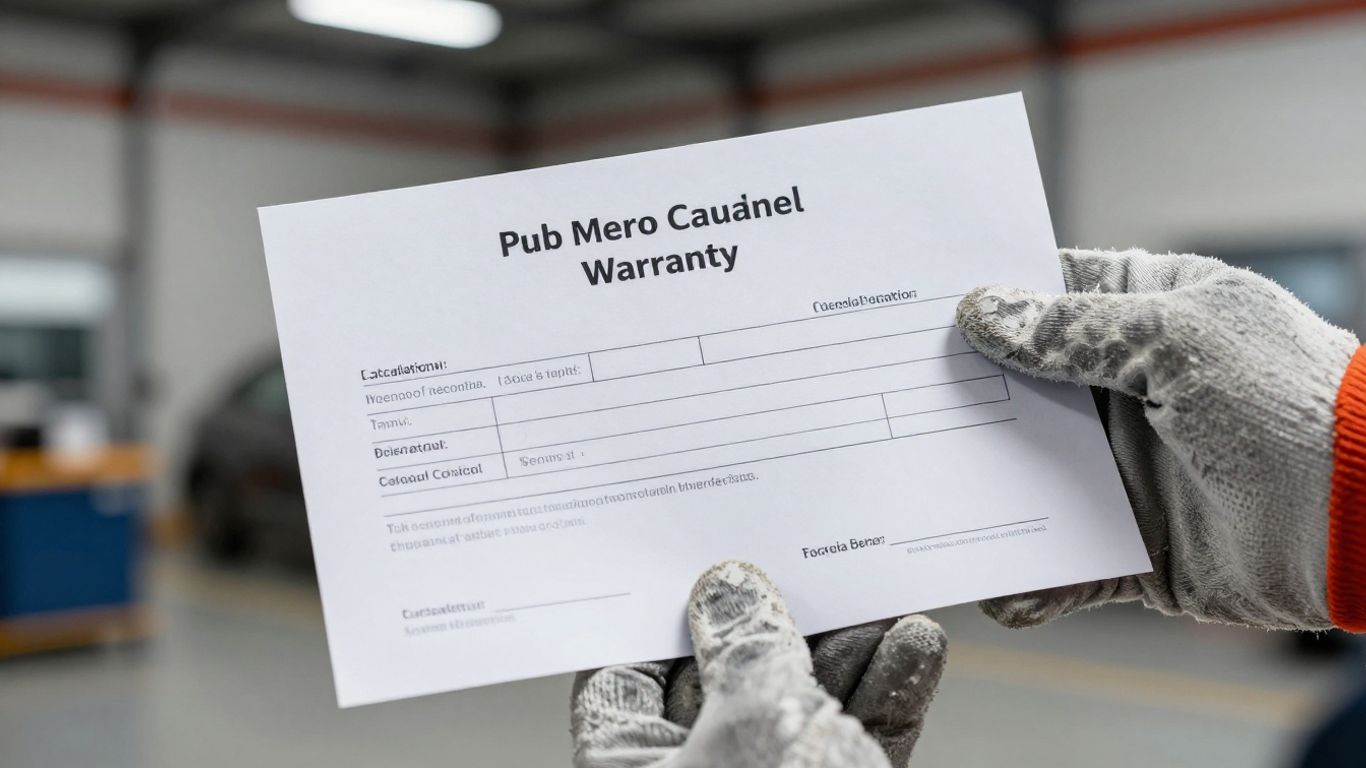
Securing a clear warranty agreement is a critical safeguard for your investment. Patriot Engines provides support through standardized warranty terms, which helps clarify exactly what is protected should a failure occur shortly after installation.
What standard parts warranties typically cover
Most reputable sellers provide a limited warranty that protects against internal defects rather than external attachments like sensors or fuel injectors. Verify that the warranty covers core engine issues such as cracked blocks or oil pressure loss.
Identifying red flags in seller agreements
Be wary of any seller that refuses to provide terms in writing or uses vague language regarding engine condition. A professional outfit should be able to clearly communicate their return process, including whether they cover the cost of shipping for incorrectly supplied parts.
Securing documentation for professional installation
Many warranties are voided immediately if you cannot prove that a qualified professional installed the unit. Always retain invoices from a licensed shop, as these serve as your primary proof that the engine was installed in a standard, industry-compliant manner.
How extended service contracts provide extra protection
If you prefer additional peace of mind, inquire about extended coverage that covers labor costs in the event of a failure. These contracts are distinct from the basic parts warranty and often offer a higher level of financial security for intensive engine swap projects.
Logistics of shipping and delivery
Moving a heavy automotive assembly is complex, and the logistics stage requires clear communication with the carrier. You must prepare for the realities of dealing with heavy freight to ensure the engine arrives safely at your doorstep or garage.
Commercial versus residential address delivery considerations
Many shipping companies charge significant premiums for liftgate services required for residential addresses. Having your shipment sent to a commercial shop address with a loading dock can save you meaningful money and prevent logistical hurdles at your home.
Inspecting the shipping documentation upon arrival
Before the driver departs, cross-reference the paperwork with the item on the pallet. Ensure the pallet matches your order and check that all visible labels identify the correct engine configuration for your specific vehicle.
Managing liftgate service and unloading requirements
If you lack heavy lifting equipment, you must request a liftgate explicitly when scheduling the delivery. Skipping this step often leaves you stuck with a heavy, immobilized engine on a truck bed with no way to get it to the floor safely.
Documenting freight damage before accepting delivery
Take photos of the entire crate and engine the moment it arrives before discarding the packaging. If you see signs of forklift punctures, oil leaks on the pallet, or broken components, note these discrepancies clearly on the carrier’s receipt before signing off.
Best practices for testing a used engine
Getting the engine installed is only the first step in the process. You must follow a structured series of procedures to ensure that the assembly remains functional and reliable for the tens of thousands of miles to come.
Essential installation steps for long-term reliability
Never skip replacing standard maintenance items like the water pump, timing belt, or main seals while the engine is out of the car. These parts are inexpensive compared to the labor required if they fail shortly after your new engine is operational.
Initial fluid requirements and startup procedures
Use high-quality break-in oil and a new filter for that critical first start. Follow the manufacturer’s guidance on priming the oil system to ensure all components receive lubrication before the combustion cycle begins under load.
Using diagnostic tools after the first test run
Once the engine reaches operating temperature, connect a scan tool to monitor fuel trims and misfire counts in real time. Catching minor electrical discrepancies early can prevent long-term damage caused by incorrect sensor data or air-fuel imbalances.
Monitoring performance parameters during the break-in period
For the first few hundred miles, keep a keen eye on your gauges and listen for new mechanical noises. Gentle driving cycles ensure that internal components seat correctly and that all seals and gaskets have time to normalize under consistent thermal cycles.
Conclusion
Selecting a pre-owned engine requires balancing caution with opportunity, prioritizing documented history and professional installation to protect your vehicle. By strictly following verification protocols and working with reputable suppliers, you can successfully restore your car’s performance without the expense of a brand-new factory unit.