
Key Takeaways
- Proper crating and fluid drainage are the most critical steps for safe transit.
- Always document the condition of your shipment before you sign off on the delivery.
- Residential delivery often requires additional service fees due to truck size constraints.
- Clear communication with your mechanic ensures the shop is ready to receive incoming freight.
- Reliable tracking systems provide transparency for engines during the entire shipping process.
Choosing the right shipping service
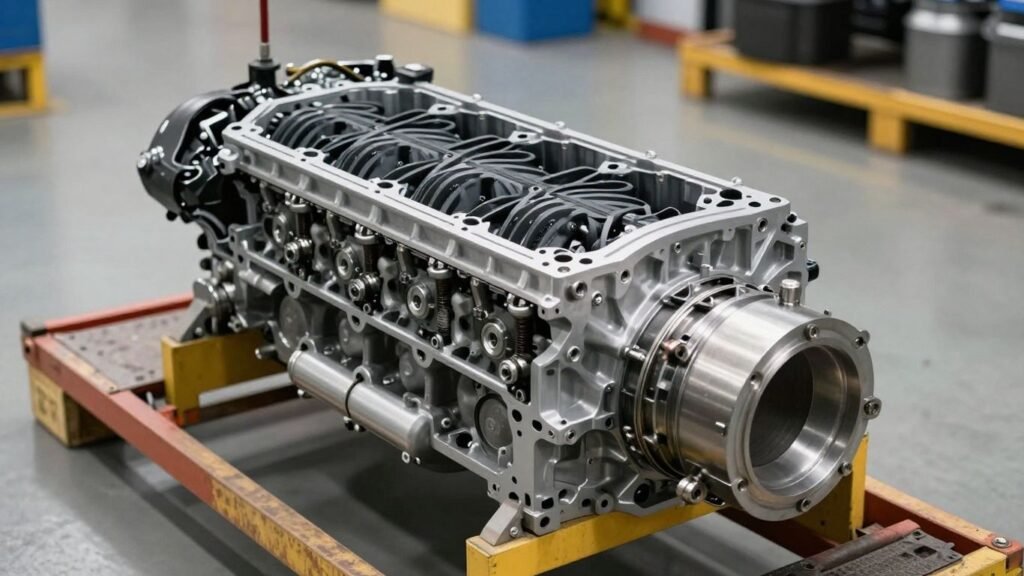
Moving heavy machinery requires a careful approach to ensure the equipment arrives intact and on time. You must balance speed against the inherent risks that come with transporting dense, cast-iron components across long distances. Coordinating a successful engine delivery to my mechanic depends on choosing a provider that understands the nuances of palletized goods.
Evaluating freight vs. standard courier options
Standard couriers often lack the equipment needed for heavy items, while freight carriers specialize in large, palletized shipments that exceed weight limits for parcel services. Freight options provide the durability needed for heavy parts, though they may move slower than express small-packet services.
Understanding insurance and liability coverage
Verify that your chosen carrier includes basic cargo insurance to cover the value of the engine. Liability coverage is essential because internal parts can be damaged by improper handling or vibrations that occur during transit.
Tracking capabilities for heavy machinery
The ability to monitor the progress of your shipment through a digital dashboard is invaluable for peace of mind. Reliable carriers offer checkpoint updates that help you coordinate your schedule with the logistics of the delivery truck, ensuring you are prepared for its arrival.
Preparing the engine for transit
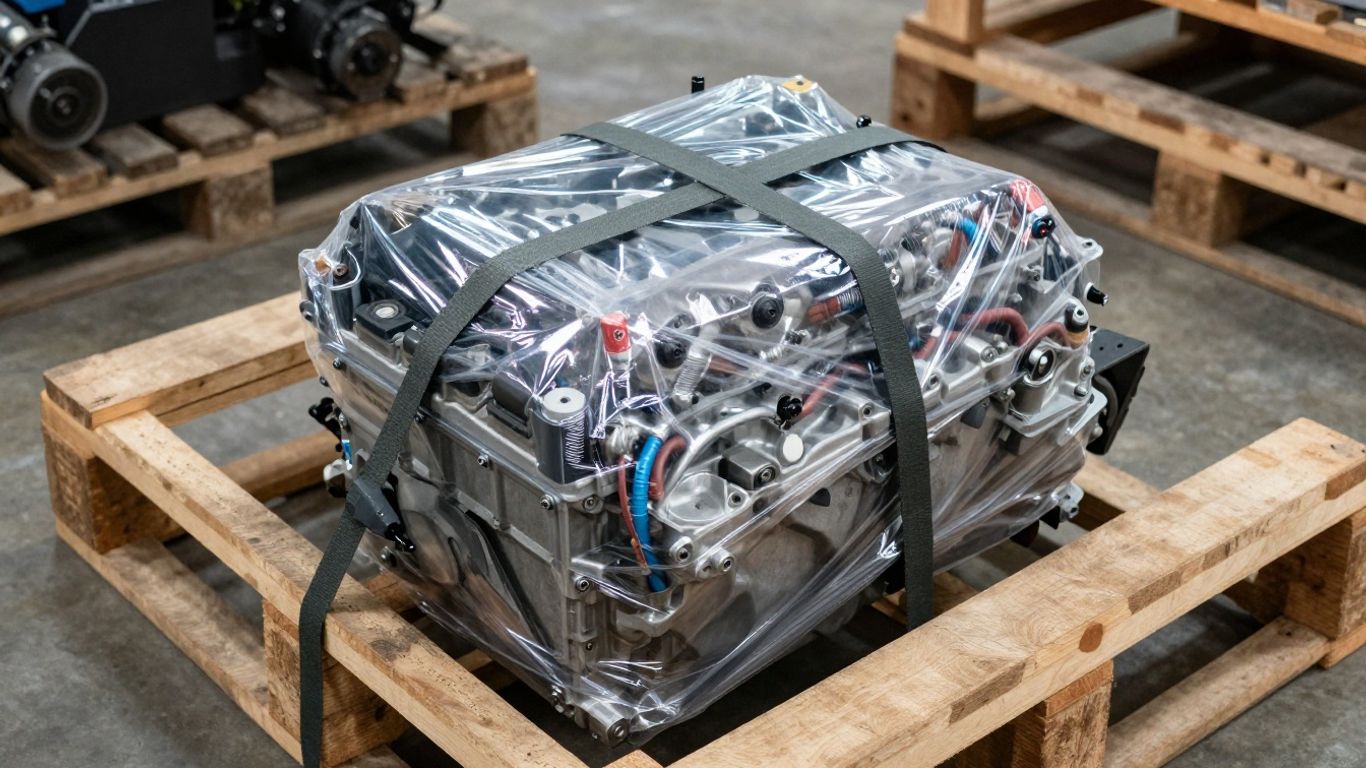
Preparing your engine for movement is a physical task that requires attention to detail to avoid leaks or mechanical issues. A poorly prepared engine can cause environmental contamination or suffer from internal damage during transitions and vehicle shifts throughout the transit process.
Safely draining fluids for safe transport
You must completely drain the oil, coolant, and transmission fluid before handing the engine to the carrier to prevent hazardous spills. Failing to clear these reservoirs can lead to fines from the shipping carrier.
Securing the engine to a heavy-duty pallet
An engine must be bolted down to a custom-sized, heavy-duty pallet to prevent it from tipping or sliding. Using high-strength ratchet straps or steel lag bolts ensures the unit remains stationary despite the jarring movements common during long-haul trucking.
Protecting sensitive electrical components
Use industrial-grade plastic wrap and bubble packaging to seal off wires, sensors, and the alternator from moisture and debris. Taking these steps prevents corrosion or short circuits upon arrival, keeping the engine in a usable condition for the installation process.
Coordinating with your mechanic
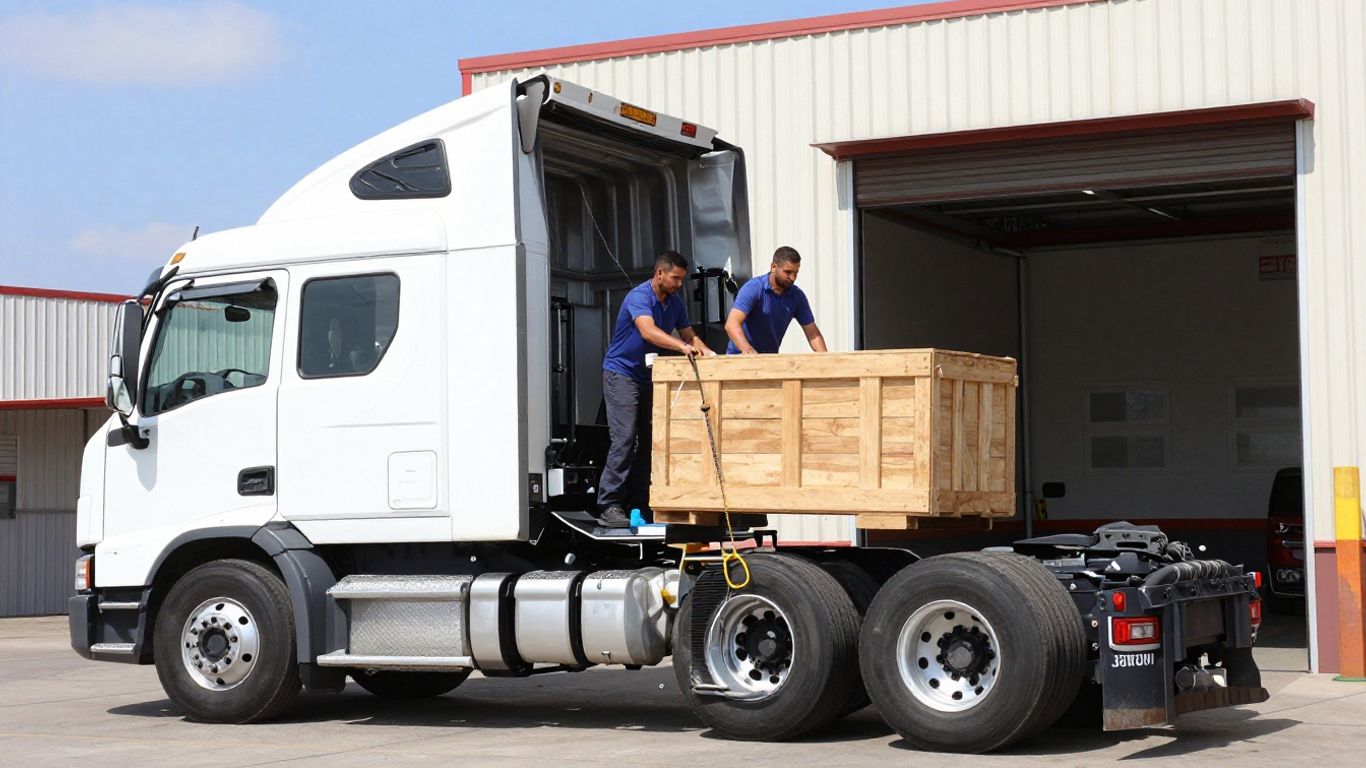
Clear communication with the automotive team is necessary to streamline the workflow from arrival to installation. Without a plan, a heavy, unboxed engine might sit in an inconvenient space, blocking the shop floor and delaying the work schedule for other vehicles being serviced alongside yours.
Determining the best delivery arrival window
Establish a specific day and time when your mechanic can physically accommodate the large crate inside the bay. An engine delivery to my mechanic is most efficient when the team has a designated workspace ready.
Confirming shop accessibility for freight trucks
Check if the repair shop has an accessible loading dock or a flat driveway suitable for a 53-foot trailer. Smaller urban shops may have limited access, requiring specialized smaller trucks or specific drop-off instructions to avoid delivery failures.
Providing necessary documentation for the receiver
The following documents are essential to ensure the shop accepts the package without issues:
- The shipping bill of lading with the tracking number.
- A copy of the detailed invoice listing all included parts.
- A technical manual or specific notes regarding engine configuration.
- Contact information for the dispatch supervisor in case of delays.
After providing these documents, you should confirm receipt to ensure the shop has all the necessary information to proceed with the technical work once the unit arrives.
Calculating costs and logistics
Logistical costs vary based on weight, distance, and the specialized equipment needed to handle your shipment. Understanding how these fees break down allows you to budget correctly and avoid surprise charges at the time of pickup or drop-off.
Factors influencing engine shipping rates
The total cost of moving an engine is typically determined by the total mileage and the weight of the pallet assembly. The current market rates for freight services often follow specific pricing structures summarized in the table below.
| Distance Factor | Estimated Cost Range | Priority Handling |
|---|---|---|
| Short Haul (<200 miles) | $200 – $400 | Standard |
| Mid Range (200-800 miles) | $400 – $800 | Standard |
| Long Haul (>800 miles) | $800+ | Expedited |
These estimates demonstrate that mid-range distances are generally quite affordable, though specialized services always incur additional costs.
Residential vs. commercial delivery fees
Freight companies charge significant premiums for residential deliveries because their massive trucks cannot easily navigate narrow streets. It is far cheaper to have the engine delivered to a commercial facility that has proper loading bays and zoning for large transport vehicles.
Using lift-gate services for curbside unloading
If you lack a forklift or loading dock, you must request a lift-gate service, which uses a hydraulic platform to lower the engine from the truck to the ground. This service is mandatory for ground delivery to locations without heavy lifting equipment.
Inspecting the shipment upon arrival
When the truck stops, your work as the sender or receiver is not finished until you carefully inspect the cargo. You need to look for signs of structural stress or moisture entry that might indicate the package was mishandled while in transit to the facility.
Documenting potential damage before signing
Immediately photograph all four sides of the crate if you see any crushed corners or punctures. Marking the delivery receipt with specific notes about the damage is the only way to ensure your insurance claim is valid later.
Verifying shipment contents against the invoice
Cross-reference the engine serial number and the components listed on the manifest to ensure nothing was lost during transit. Missing parts or incorrect hardware can cause significant delays during the mechanical installation phase.
Notifying the shipping company of discrepancies
If an issue arises, contact the carrier dispatch immediately and provide the photo evidence you collected upon unloading. Quick communication is the most effective approach to resolving disputes and getting potential compensation for transit damage.
Conclusion
Successfully shipping an engine depends on thorough preparation, clear coordination with your service technician, and meticulous inspection upon delivery. By strictly adhering to these logistical protocols, you ensure that your engine arrives safely and exactly when your mechanic needs it, setting the stage for a smooth installation process.