Key Takeaways
Navigating the replacement engine market requires careful planning to balance performance needs with your available financial resources. These core principles will help guide your search effectively:
- Accurately identify your vehicle’s specific engine code and production build requirements.
- Compare the long-term value of a remanufactured unit versus a standard used engine.
- Always account for hidden secondary costs like shipping, specialized tools, and labor hours.
- Formalize all private party purchase agreements with verified documentation of maintenance history.
- Prioritize reputable suppliers to ensure you receive a engine that is fully documented.
Assessing the current engine and vehicle needs
When a major mechanical failure strikes, your first impulse might be to jump straight into searching for advertisements. However, taking a deliberate step back to look at the big picture often reveals that a full swap might not be your only path forward. You must weigh the urgency of returning to the road against the potential for a deeper, more expensive project than originally anticipated.
Identifying the engine code and specifications
Every car comes with specific manufacturer requirements that dictate which engines are compatible. Your vehicle identification number (VIN) and the specific engine block casting code are the only reliable ways to confirm a match. Skipping this verification step leads to costly mistakes during installation, even if the engine looks visually identical to the original.
Determining if a direct replacement or upgrade is necessary
Sometimes, the cost of sourcing a rare, direct replacement is significantly higher than choosing a more common engine platform. If you have the mechanical expertise, switching to a more readily available engine might be a smart choice to reduce acquisition costs. However, ensure that any divergence from factory specs does not create a nightmare for electronic control unit integration or chassis mounting later on.
Evaluating the cost-benefit of repair versus replacement
Deciding when to walk away from a damaged block is the most difficult part of the process. You have to consider if the existing engine has secondary damage from prolonged oil starvation or thermal stress. To help track your decision, consider the typical cost categories involved in this assessment process.
| Expense Category | Typical Risk Factor | Priority Level |
|---|---|---|
| Diagnostic Labor | High Accuracy | Critical |
| Internal Machining | Variable Future Life | Medium |
| Full Part Swapping | Known Reliability | High |
After looking at those variables, you will have a better baseline for deciding if your money is better spent on a rebuild or on sourcing a fresh unit.
Exploring engine sourcing options
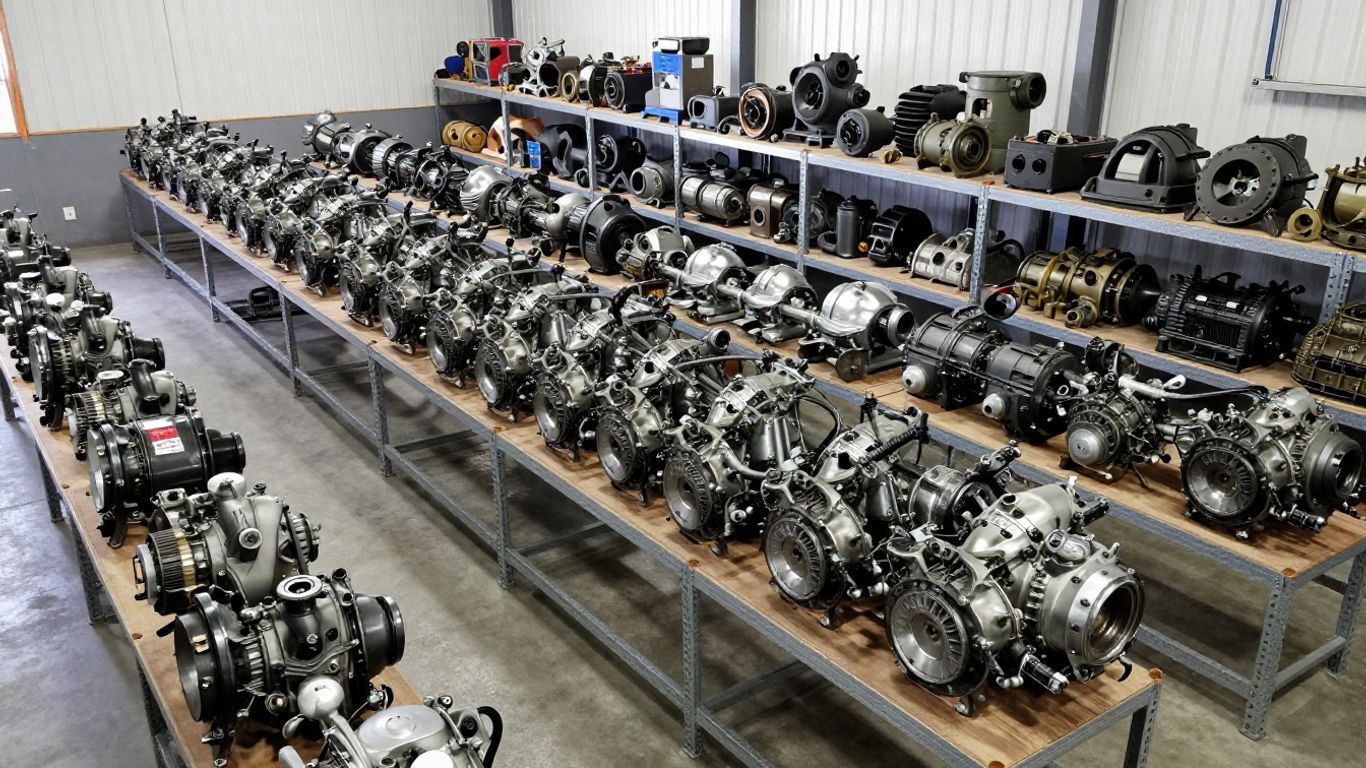
Finding the right source for your hardware depends on your comfort level with mechanical work and your tolerance for risk. Local salvage yards offer the lowest immediate price points but come with the inherent risk of hidden wear. Alternatively, specialized suppliers like Blue Prism Automotive provide quality-tested engines that offer a higher level of confidence for builders who want to avoid repeating the installation process. Balancing these variables is how you successfully find an engine that fits my budget while ensuring it lasts.
Buying from local salvage yards and auto recyclers
Local yards are excellent for finding components at a fraction of the retail cost. You can often inspect parts in person, which helps in identifying obvious signs of external damage or neglect. Just be prepared to pull the engine yourself or pay the facility to handle the extraction process.
Purchasing remanufactured versus used engines
Remanufactured engines undergo a rigorous restoration process that typically brings their operational life closer to that of a new factory build. Used engines, while cheaper, often come with incomplete history. Many enthusiasts opt for remanufactured units when the vehicle is intended to be a long-term daily driver.
Sourcing from online engine marketplaces and private sellers
Digital marketplaces have expanded the reach of your search across the country, allowing you to source rare engine variants that might not exist in your local region. You should focus on sellers with transparent transaction histories or multi-platform positive feedback. Verifying the source is just as important as evaluating the price of the unit itself.
Benefits of importing low-mileage engines
Importing engines from international markets, particularly those with strict vehicle inspection laws, often provides access to components that have seen remarkably light usage. These units frequently feature significantly fewer miles than domestic equivalents. Because of the stringent maintenance cultures in such regions, the overall internal condition of these imported units is frequently much higher than average domestic pulls.
Navigating price tiers for various engine types
Determining where your money goes is easier when you understand the hierarchy of engine offerings. Prices fluctuate wildly based on whether you are buying a stripped block or a complete dressing. Understanding these distinctions ensures you do not overspend on unnecessary components during the purchase phase.
What to expect from high-mileage standard units
High-mileage engines are usually sold as-is without any promise of internal longevity. These units are often suitable for parts-store builds or low-budget weekend projects rather than primary transportation needs. If you choose this route, always set aside several hundred dollars for an immediate timing belt or seal replacement package.
Evaluating the premium for long-block versus short-block engines
Short-block engines include the bottom end and rotating assembly but leave the heads and valve train for you to manage. Long-block engines are far more complete, which creates a substantial price difference. Many professional shops prefer long-blocks because they reduce the time technicians spend reassembling components, which saves money on hourly shop labor.
Balancing crate engine costs with long-term warranty security
Crate engines from manufacturers represent the top tier of the pricing pyramid. While the upfront investment is substantial, they offer the peace of mind that comes with a fresh warranty. For many, this security removes the uncertainty associated with used parts that may have undisclosed failures.
Verifying quality and legitimacy before purchase
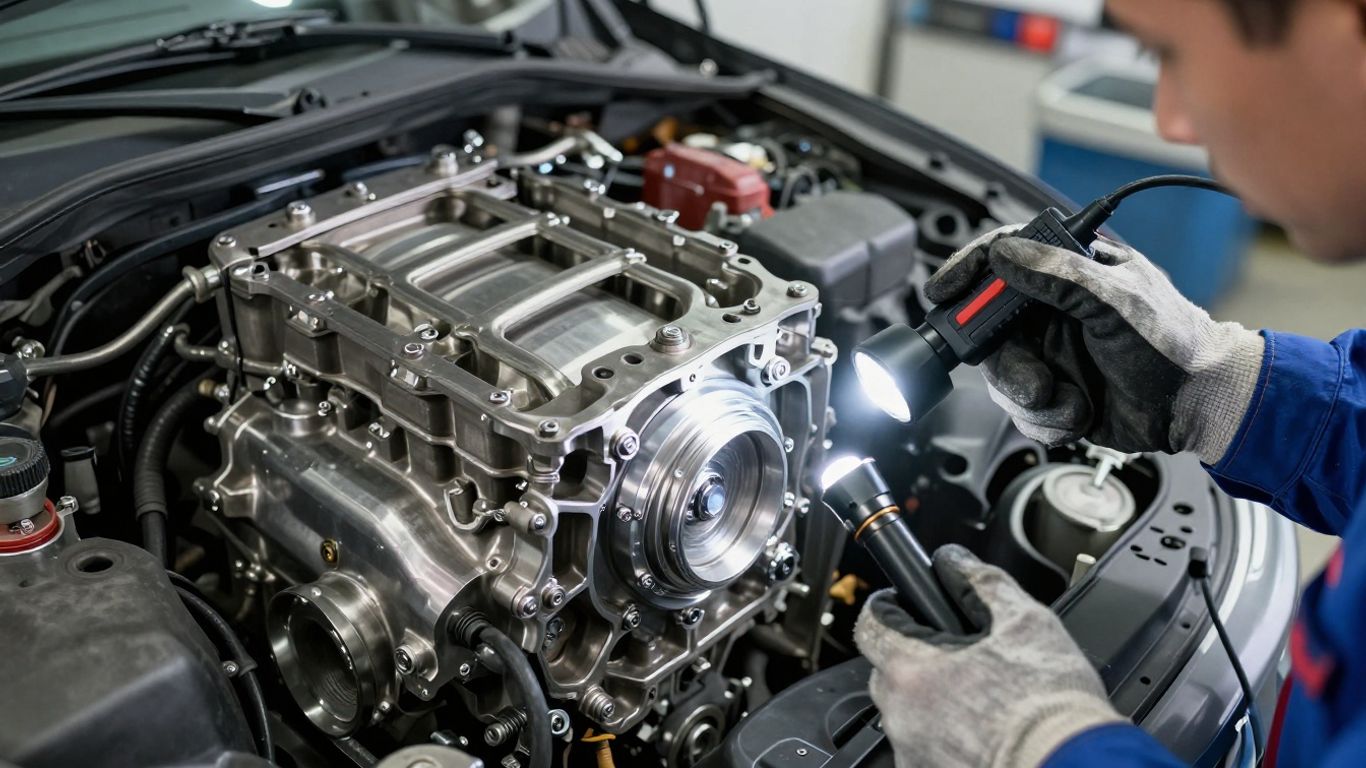
Taking shortcuts during the verification process usually results in a catastrophic failure shortly after the first test drive. You must gather all available evidence before committing your funds to a seller. If a party refuses to provide basic documentation or history, you should treat the offer with extreme skepticism. Blue Prism Automotive consistently follows strict verification protocols to document the integrity of their inventory, setting a standard for the industry. You should apply similar rigor whenever you are shopping for your own project.
Requesting documentation for mileage and maintenance history
Never take a vague claim of "low miles" at face value. Ask for VIN history reports or original service records that verify when and where the engine was pulled. This simple step filters out entities that are concealing the true age of their inventory.
Conducting a compression test or visual inspection
If the engine is not yet pulled from a donor vehicle, a compression test is the gold standard for checking internal health. Even if you are buying a loose engine, you should perform a thorough examination of the oil filter contents and the condition of the intake valves. If the seller prohibits these checks, walk away from the deal immediately.
Checking the seller’s refund policy and reputation
Professional engine sellers should provide a clear, written guarantee regarding the engine’s functionality upon delivery. If the agreement is strictly "no returns," you are assuming the entire risk of the transaction. A reputable business will have a track record of supporting their buyers if a component arrives damaged.
Identifying warning signs of internal engine damage
There are several indicators that an engine should be avoided, even if it looks clean on the outside. Look for these red flags during your inspection:
- Excessive sludge build-up underneath the valve covers or oil filler cap.
- Visible metal shavings or glitter inside the drained oil or oil pan.
- Corroded or heavily oxidized electrical connectors indicating flood exposure.
- Obvious coolant leaks or remnants of white residue on gaskets.
Catching these signs early is the absolute best way to protect your budget from a total project loss.
Factoring in hidden costs and labor
People often forget that the engine is only one piece of the puzzle. The final bill for your swap can easily balloon once you include the peripheral parts and the logistical challenges of transporting a heavy steel component across state lines.
Shipping and freight considerations for heavy parts
Engine shipments require specialized freight handling rather than standard courier services. If you are buying from a distant seller, get an exact quote for lift-gate and residential delivery services before finalizing the payment. These costs can easily exceed hundreds of dollars depending on your proximity to a commercial distribution hub.
Estimating mechanic labor rates for installation
Labor costs represent the largest variable in your total project spend. Specialized engine swaps require technicians to handle complex wiring and mounting configurations that take time to dial in correctly. You should confirm if your shop offers an estimated flat-rate for the swap, which protects you from unexpected diagnostic fees.
Budgeting for necessary peripheral components and installation kits
Replacing the engine is the perfect time to address common maintenance points that are otherwise inaccessible. You will almost certainly need new gaskets, coolant hoses, spark plugs, and potentially a new water pump. Plan to set aside an extra 15% to 20% of your total engine price to cover these small, critical parts.
Protecting your engine investment
A well-documented installation process is far more valuable than a high-performance part that was poorly installed in a rush. Keeping careful records of every installation step ensures that you have a clear path to troubleshooting if early operational issues occur after the launch date.
Understanding standard startup and performance warranties
Most engines sold by professional recyclers carry a standard thirty-to-ninety-day part warranty. It is vital to understand that these warranties usually only cover the engine block itself and often exclude peripheral systems like starters or sensors. Blue Prism Automotive simplifies this by offering well-defined warranty documentation for their units. Read these terms carefully so you know exactly what is protected.
Negotiating terms for private party transactions
If you are dealing with a private seller, create a simple written agreement that outlines the engine’s condition and any agreed-upon stipulations. While not legally binding in the same way as a corporate warranty, it forces a clear conversation about the deal. Having a record of your agreements can provide leverage if the item does not arrive as promised.
Ensuring precise parts compatibility to avoid project delays
Small variations in production years often lead to different sensor plugs or mounting points. Before you start the removal of your current unit, try to dry-fit any new components or adapters you plan to use. This preemptive checking avoids the frustration of realizing a vital part is missing during the final stages of the build.
Conclusion
Building or replacing an engine is a significant investment that requires patience and a systematic approach to research. By understanding your specific vehicle requirements, sourcing components from reliable providers, and carefully budgeting for the hidden costs of installation, you can successfully navigate the process. When you stay focused on quality and documentation throughout, you ensure your vehicle returns to the road with a dependable power plant that serves your needs for years to come.