

Key Takeaways
Dealing with a major automotive repair requires careful planning and a clear-eyed look at the numbers before you commit to the work. Understanding the process helps ensure that your engine swap is handled correctly without unexpected financial setbacks.
- Determine if a costly repair is actually worth the investment for your aging vehicle.
- Gather precise technical information like your VIN before contacting suppliers.
- Understand the performance trade-offs between used, remanufactured, and new engine tiers.
- Review every line item in your quote to avoid surprise labor or shipping fees.
- Factor in peripheral components as those parts often need replacing alongside the engine.
Determining if your vehicle needs a replacement engine
Engine failure is a stressful event that can bring your daily routine to a grinding halt, especially when you need reliable transportation. You might notice unusual noises, persistent warning lights, or a noticeable drop in performance that keeps returning even after minor repairs. Before deciding on such a massive project, you have to weigh whether the car is actually worth the time and expense. It usually comes down to checking your finances and the current market value of your vehicle.
Identifying signs of catastrophic engine failure
Usually, the warning signs start small but become impossible to ignore as the internal parts begin failing under load. If you hear a deep knocking sound or notice vast clouds of blue or white smoke, it often signals internal damage that simple maintenance cannot resolve.
Assessing the financial viability of a replacement
You have to decide if the cost of the repair exceeds the benefit of keeping the car on the road. Many vehicle owners struggle with this split decision, but looking at a budget spreadsheet helps make the emotional choice more objective.
Reviewing your vehicle’s current market value
If the cost to swap the engine represents a large chunk of the total equity, it might be smarter to sell your vehicle for parts instead. Checking online listings for similar models gives you a baseline for what your car is worth.
Preparing required vehicle documentation for quotes
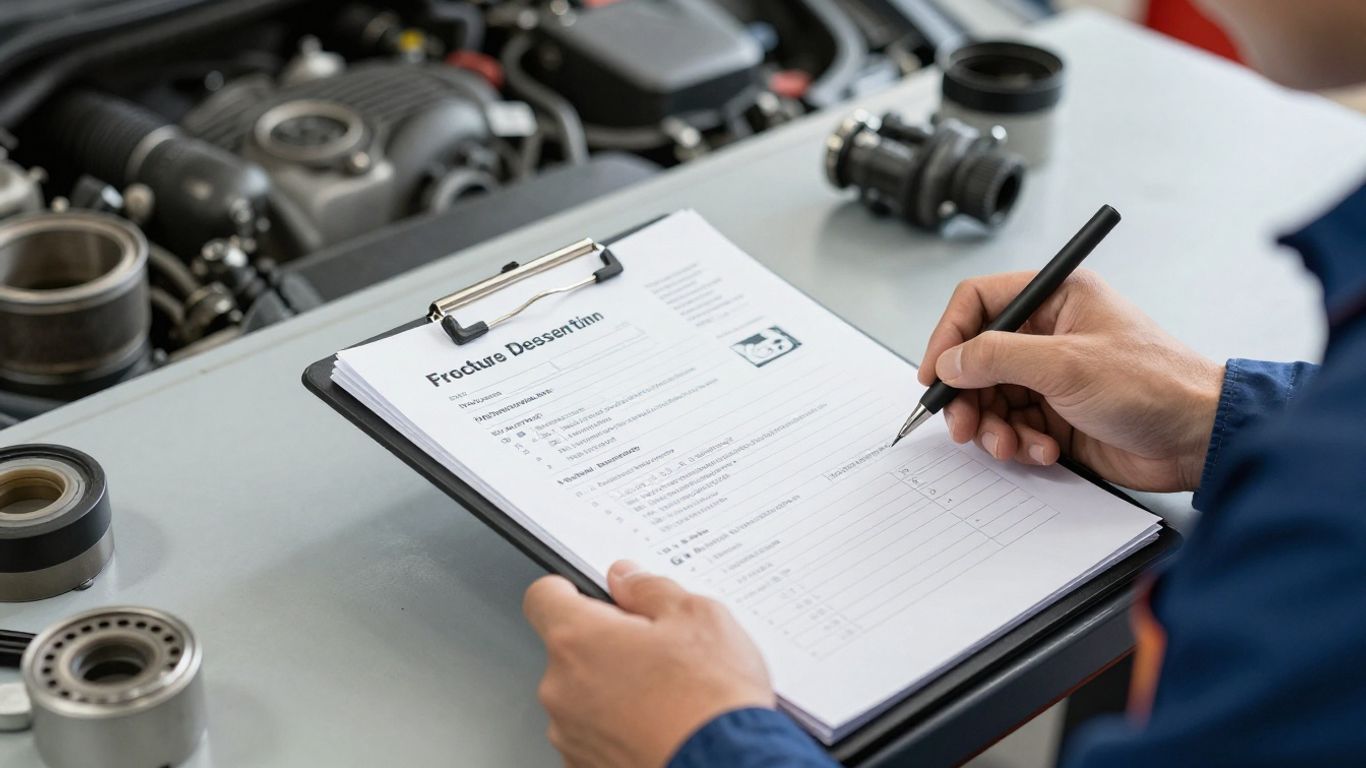
When you reach out to shops for professional estimates, having the right data saved beforehand keeps the conversation productive and quick. Suppliers get dozens of requests each day, so handing them clear, accurate information helps them generate an estimate much faster.
Locating your vehicle identification number (VIN)
Your VIN is the most important piece of information because it tells the supplier exactly which engine design matches your specific chassis configuration. You can find this sequence of characters printed on the dashboard, the driver-side door jam, or your ownership paperwork.
Documenting known mechanical issues or error codes
Before asking for a price, write down all the specific error messages and physical symptoms your old engine has been displaying. This helps the mechanic confirm if you truly need a full replacement or if the issue could be resolved by fixing smaller subsystems.
Specifying exact engine block and cylinder configurations
You need to identify whether your car requires a specific block casting since even the same model-year vehicles often feature different engine iterations. This saves everyone a massive amount of headache during the installation process.
Choosing between remanufactured and used engines
Deciding between engine tiers is where many drivers find themselves confused because the labels change based on what exactly was done to the hardware. You might consider purchasing a unit from an engine provider to ensure you get a quote for a replacement engine that fits your budget and expected durability requirements.
Understanding the core differences between engine tiers
Used engines are essentially salvaged parts pulled directly from wrecked cars, while remanufactured units are disassembled and rebuilt to meet strict factory standards. The difference in price and reliability is significant, so clearly defining your needs changes your search strategy.
Pros and cons of opting for a remanufactured engine
Remanufactured engines offer a sense of security because they go through a rigorous quality check and usually come with a professional warranty. The drawback is the higher upfront cost, which can feel steep compared to a cheaper salvage yard find.
Verifying warranty terms for different replacement types
You should always check if the warranty covers just the internal parts or if it also extends to the labor costs in the event of a failure. Some salvage yards include limited duration protections, while rebuilt units often guarantee performance for a set number of miles.
Where to source reliable replacement engine quotes
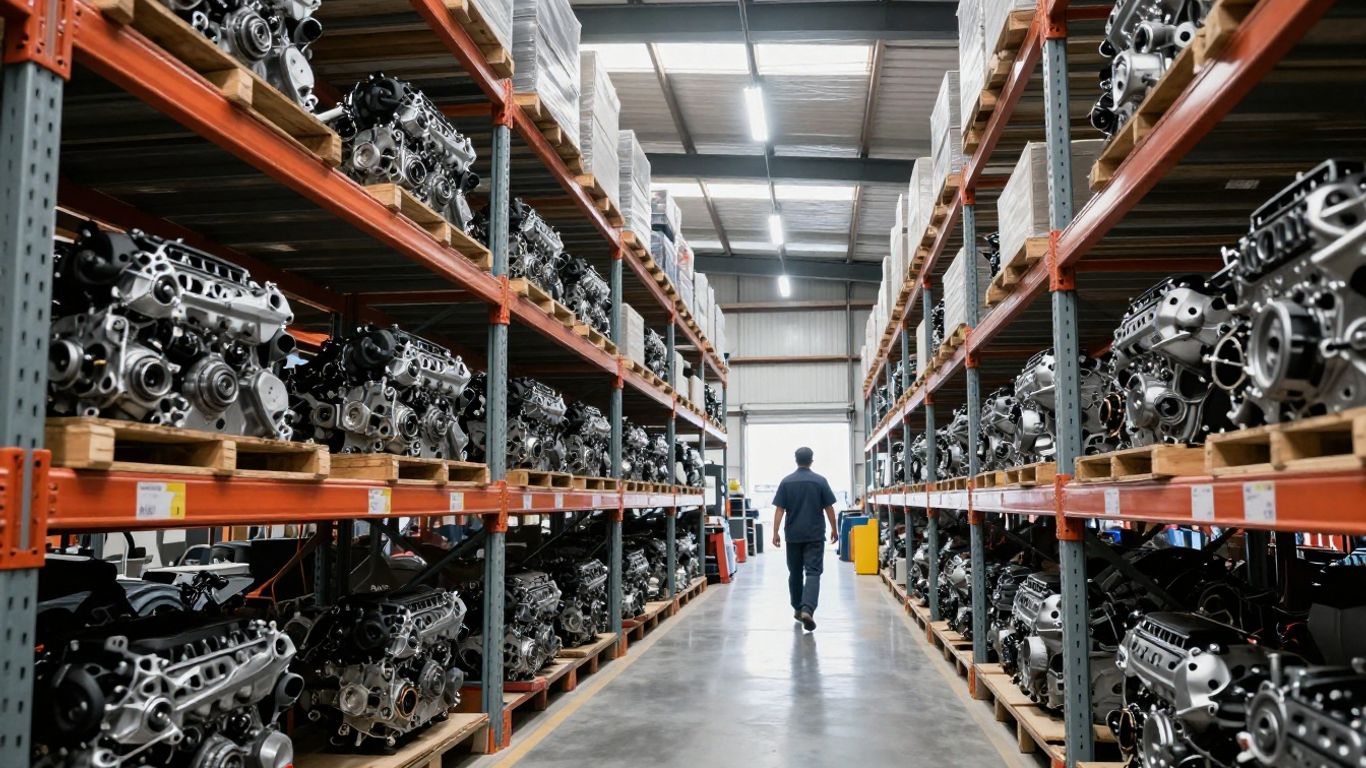
Finding the right supplier is about balancing trust, local expertise, and the speed of delivery for your part. You should consider reaching out to several sources to check for inconsistencies in pricing or availability before committing.
Engaging local independent mechanic shops
Local mechanics often have long-standing relationships with reputable engine suppliers that you might not even know about. Their local expertise helps ensure they only order from vendors they trust, which adds a layer of accountability for the parts they install.
Comparing price estimates from national engine retailers
Large national suppliers provide massive stock lists and often ship directly to your chosen shop. While their prices might seem competitive, remember to check how they handle disputes if the engine is dead on arrival.
Utilizing online marketplaces for localized availability
You can search through common platforms that aggregate inventory from hundreds of salvage yards near your zip code. Use this list to keep your search organized:
- Check the seller’s rating before processing any payments.
- Verify the mileage disclosure on the used engine unit.
- Ensure the shipping cost is fully quoted upfront.
- Confirm that you have a local shop willing to install these specific parts.
Taking a moment to cross-reference these points will ensure you avoid common procurement pitfalls and keeps your project moving.
Evaluating the fine print in engine quotes
The final price tag on an estimate is rarely the total cost you will actually pay once all the incidental charges are applied. You must read every line item to ensure you understand hidden fees that are common in this industry.
Clarifying outbound shipping and freight charges
Shipping a massive engine block across the country costs a fortune, and these charges are often billed as an extra line item. Verify that your quote includes the lift-gate delivery fee if your mechanic does not have a professional loading dock.
Checking for core charge requirements and return deposits
A core charge is basically a deposit you pay to ensure you return your busted engine back to the seller, who will then recycle or rebuild it. If you fail to return the old block within a specific timeframe, you lose that deposit entirely.
Analyzing labor inclusions versus separate hourly rates
Most quotes show the cost of the hardware, but sometimes they bundle in the shop’s hourly rate for the installation labor. Consider this breakdown of common charges:
| Component | Average Cost | Typical Inclusion |
|---|---|---|
| Core Deposit | $200 – $500 | Refundable |
| Shipping Fee | $150 – $400 | Fixed |
| Labor Charge | $800 – $1500 | Variable |
Understanding where each dollar goes helps you compare apples to apples when you have several different estimates on your desk.
Preparing for hidden costs involved in engine installation
The actual engine is just one part of the equation; you will almost certainly need to replace associated hoses, seals, and fluids that were likely damaged or worn out.
Estimating shop supplies and necessary fluid costs
Budgeting for high-quality synthetic oil, engine coolant, transmission fluid, and various gaskets will prevent the job from stopping halfway through.
Accounting for mandatory peripheral part replacements
It is almost always a good idea to swap out the water pump, timing belt, or tensioners while the old engine is being removed.
Managing expectations for extended repair timelines
Engine swaps are complex and often hit delays due to parts availability or hidden mechanical issues revealed during the extraction process.
Conclusion
Getting a new engine is a major commitment that requires thorough preparation and clear communication with your mechanical team. By documenting your vehicle’s needs, evaluating the quality of the engine tiers, and carefully reviewing every line in your quote, you can navigate the repair process with confidence. Treat this experience as an investment in your car’s longevity, and don’t rush the decision to save a few dollars on a cheaper, unverified part.