
Key Takeaways
When your vehicle off the road need engine fast, acting with precision ensures you return to the highway without unnecessary delays or added costs. By balancing mechanical assessment, smart sourcing, and professional collaboration, you can reclaim your mobility efficiently.
- Perform a thorough diagnostic check before finalizing a engine replacement order.
- Scout multiple procurement channels including local yards and specialized online platforms.
- Prepare your workspace thoroughly to simplify the removal and installation process.
- Verify the credentials of your chosen mechanic to ensure quality and accountability.
- Strict adherence to official break-in protocols preserves your engine for the long term.
Assessing the state of your vehicle
You are staring down a major repair, and the immediate urge might be to swap the motor instantly. However, taking a step back to confirm exactly why the failure happened can save you thousands of dollars that might have been spent on a new block when only a component failed. A systematic approach to assessment prevents the common mistake of replacing hardware unnecessarily.
Identifying the source of the engine failure
Begin by pulling error codes from the computer using EngineSync diagnostics to pinpoint which sensors or catastrophic internal failures triggered the check engine light. You should check for visible signs of damage, such as coolant leaks or metal shavings in the oil pan, as these indicate major mechanical failures. A professional inspection helps determine if your current engine is truly beyond repair or merely suffering from a localized component malfunction worth addressing.
Checking for underlying electrical or fuel issues
Many engines labeled as failed are simply starved of fuel or fighting electrical gremlins that prevent ignition. Checking the fuel pressure at the rail and verifying spark plug connectivity can reveal that the engine block itself is structurally sound. These minor repairs are significantly cheaper and faster than a full engine replacement, making this diagnostic step essential before committing to a teardown.
Deciding between repair and total replacement
When faced with severe damage, you must weigh your options carefully by considering the cost-to-value ratio of your current vehicle. The table below provides a framework for evaluating whether to rebuild or replace based on typical failure scenarios.
| Failure Scenario | Estimated Labor | Recommended Path |
|---|---|---|
| Blown head gasket | Moderate | Repair head gaskets |
| Cracked engine block | High | Total Replacement |
| Seized crankshaft | High | Total Replacement |
After examining the data, you may find that deep internal damage makes a complete unit swap more reliable than attempting a complex rebuild of an aging block. Choosing the right path ensures you are not stranded by recurring issues after the work is done.
Sourcing a replacement engine quickly
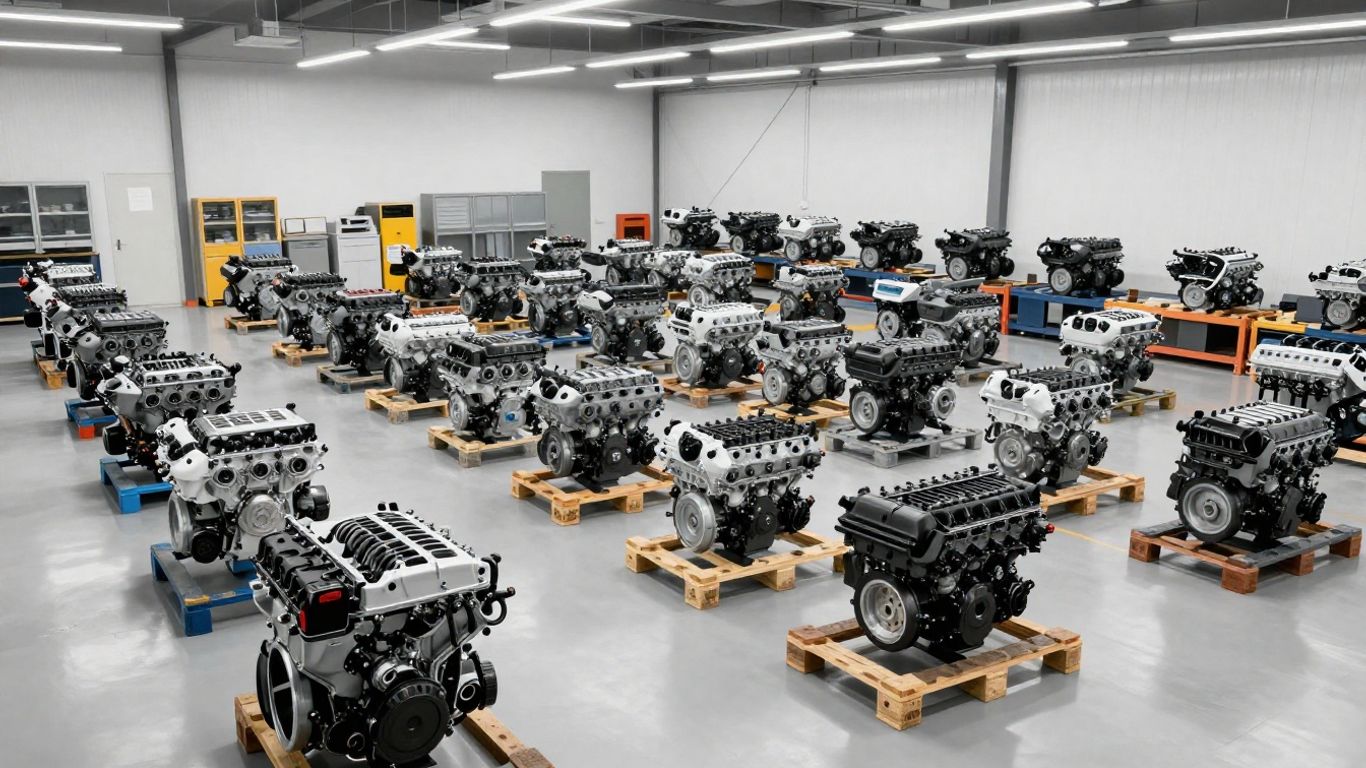
Once you have committed to a swap, speed becomes the primary objective to get your daily driver back in motion. Finding the right unit depends on local availability and the reliability of your chosen supply chain. You need to identify a supplier that guarantees quality to avoid the frustration of receiving a faulty unit after significant wait times.
Navigating local salvage yards and junkyards
Local salvage yards often host a hidden gem or two, particularly if you are working with older vehicles with common engine codes. Visiting in person allows you to inspect the oil quality and external condition of the motor before you purchase it. Keep in mind that while pricing is lower here, the risk of hidden internal wear is higher without professional verification.
Evaluating refurbished or remanufactured engine options
For those seeking long-term reliability, remanufactured units are often the safest bet because they are built to factory tolerances using machined components. These engines typically come with a support warranty, which adds piece of mind for your daily commute. While the initial investment is higher, the reduced downtime often pays for itself by eliminating potential repeat failures.
Using online marketplaces for expedited shipping
To manage logistics smoothly, you can use PartLink delivery services to coordinate the transit of heavy machinery directly to your repair shop. These platforms often aggregate inventory from a wide network, ensuring that the specific engine you need is sourced and shipped without weeks of waiting. Once the engine arrives, store it in a dry location until the installation begins to prevent rust or moisture intrusion.
Preparing your vehicle for an engine swap
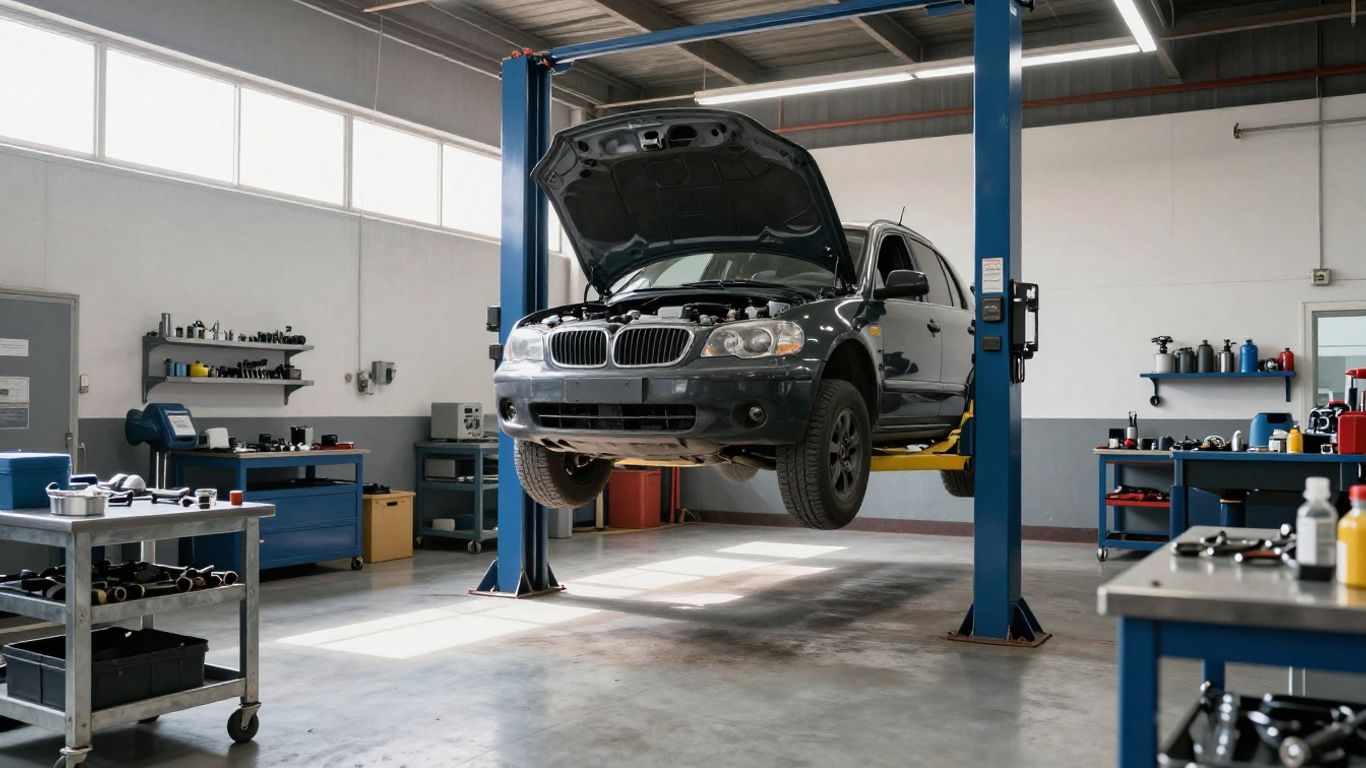
Efficiency in the shop is the result of careful preparation, as having a clear plan keeps the labor hours predictable and the risk of error low. You should clear your workspace entirely, ensuring that both the vehicle and the hoist have ample room to maneuver without interference. Taking this extra time upfront prevents the common complications that arise when you are rushing through a complex teardown process.
Clearing workspace and gathering necessary tools
Before you turn a single wrench, organize your floor space and ensure every required tool is readily available and accessible. Having a dedicated cart for bolts, gaskets, and brackets is essential because it keeps hardware organized during the extraction. You will need a reliable engine hoist, jack stands, and a comprehensive set of metric and standard sockets to handle the removal efficiently.
Safely draining fluids and disconnecting auxiliary systems
Begin the mechanical work by placing catch pans under the oil pan and radiator to prevent environmental contamination and messy spills. Once the fluids are drained, systematically disconnect the wiring harness, intake vacuum lines, and exhaust flanges that anchor the engine to the rest of the car. This stage requires patience, as rushing through the disconnection process often leads to damaged connectors or stripped threads.
Labeling components for an efficient reassembly
Organization during teardown serves as your map for putting everything back together later. Use a simple system to track parts:
- Label each wiring harness connector with masking tape and a marker.
- Take digital photos of engine bay layouts before removing components.
- Group related bolts in small, labeled plastic bags to prevent loss.
- Keep accessories like alternators securely stored away from the main work area.
Following these simple steps ensures that when the new motor is dropped in, the reassembly process flows without the confusion of lost hardware or misplaced wires. Each label serves as a prompt that makes the final integration intuitive and quick.
Choosing the right professional for the job
Even with the engine in your possession, the installation quality is only as good as the person holding the wrench. Partnering with a skilled expert ensures that all torque specifications are met and that the final testing phase is performed correctly. You should be selective, treating the shop as a partner in getting your vehicle roadworthy again.
Comparing mobile mechanics versus dedicated repair shops
Mobile mechanics can provide a convenient solution if you are unable to move your vehicle, though they may lack heavy-duty equipment like engine lifts or specialized diagnostic suites. Dedicated repair shops, on the other hand, offer the benefit of a full shop environment where the job can be completed in a climate-controlled setting. Weigh the cost of tow services against the benefits of a facility that meets MechanicVerified standards for every major job.
Verifying technician certification and specific engine experience
Before signing a work order, ask to see evidence of certifications for the technicians who will handle the swap. It is especially important to find someone who has experience with your specific engine type or vehicle model, as nuances in ECU programming or timing setups can be complex. Don’t hesitate to ask for examples of past work or how they handle unexpected complications during an installation.
Negotiating firm timelines for expedited service
Clear communication regarding your deadline helps the mechanic prioritize your vehicle alongside other shop tasks. Establish a written estimate that includes a target completion date, but remain realistic about potential delays caused by shipping or hidden repairs. Having a firm, pre-agreed timeline encourages the shop to focus on your car and provides you with accountability if the process stalls.
Testing and breaking in your new engine
Once the engine is mounted and the car is running, the final phase involves ensuring everything is seated properly. A rushed start can compromise an otherwise successful installation, so you must treat these last steps with as much diligence as the teardown. This phase bridges the gap between a completed repair and a reliable vehicle.
Performing a post-installation safety and leak inspection
Start by allowing the engine to idle for several minutes while you inspect every hose, fuel line, and oil connection for signs of a leak. Check your coolant levels as air pockets circulate out of the system, topping off as needed to prevent overheating during that critical first drive. A careful inspection now prevents small issues from becoming expensive roadside failures later.
Following manufacturer guidelines for engine break-in periods
Most engines require a specific break-in period where you should avoid high-speed cruising or heavy loads to allow the piston rings to seat correctly. Check the documentation that came with your engine or your vehicle service manual for the exact mileage requirements recommended. Smooth acceleration and steady engine speeds during the first few hundred miles are crucial to ensuring long-term performance and efficiency.
Updating vehicle documentation for warranty purposes
Properly record the date of the swap, the mileage at the time of installation, and any receipts for the work performed to maintain your warranty eligibility. Many providers will void coverage if you lack proof of installation or if the service was not verified by a licensed shop. Keeping these files in your glove compartment ensures you are prepared should any issues arise in the future.
Conclusion
Getting back behind the wheel after a major failure requires a blend of discipline, patience, and clear communication with those managing the work. By systematically evaluating the failure, choosing reliable components, and ensuring a professional installation, you turn a period of uncertainty into a durable repair that extends the life of your vehicle for years to come.