
Key Takeaways
A sound engine decision starts with diagnosis, not a guess based on mileage or a single symptom.
- Confirm the underlying problem before authorizing major work.
- Compare repair, rebuilding, used, and remanufactured options.
- Judge the estimate against the vehicle’s value and expected life.
- Review labor, parts, warranty, and related costs together.
- Protect the finished work with careful maintenance and quick follow-up.
Understanding your automotive engine options
An engine problem does not automatically mean the vehicle is finished. A small oil leak, failed sensor, cooling-system fault, or worn accessory may be repairable without opening the engine. More serious internal damage calls for a closer comparison of rebuilding and replacement. The right answer depends on evidence, budget, vehicle condition, and how long you plan to keep driving it.
Common signs of engine trouble
Some symptoms are easy to recognize, while others develop slowly. A tapping, knocking, or grinding noise may point to a lubrication or internal component problem, but loose accessories can create similar sounds. Blue, white, or heavy black smoke, poor acceleration, hard starting, overheating, and declining fuel economy also deserve attention. A warning light is useful evidence, but it is not a diagnosis by itself.
Pay attention to when the symptom occurs. A rough idle that disappears at higher speed suggests a different line of investigation than a noise that grows with engine speed. Record fluid levels, recent repairs, driving conditions, and whether the problem is getting worse. That simple history can save time during inspection.
Repair versus rebuild versus replacement
A repair usually addresses a defined failed component while the rest of the engine remains serviceable. A rebuild involves disassembly, inspection, machining or replacement of worn parts, and reassembly to an appropriate standard. Replacement removes the existing engine and installs another unit, which may be used or remanufactured. These choices are not interchangeable, so an estimate should explain why one path fits the observed damage.
For a vehicle with limited internal wear, repairing the cause may be the most sensible route. If the block and major components are usable but several internal parts are worn, rebuilding can restore the engine without replacing the entire vehicle. Replacement becomes more attractive when damage is extensive, repair time is critical, or a suitable unit is available with clear warranty terms.
How vehicle age and mileage affect the decision
Age and mileage provide context, not a final verdict. A high-mileage vehicle with a clean service history, solid transmission, healthy body, and recent suspension work may still justify a major engine investment. Conversely, a lower-mileage vehicle with rust, neglected maintenance, or several failing systems may not be a good candidate for expensive work.
Estimate the vehicle’s likely value after the engine decision, not just its current value with a failed engine. Consider tires, brakes, cooling components, electrical systems, and upcoming maintenance. The more complete the assessment, the less likely a seemingly affordable engine solution will become an expensive series of unrelated repairs.
When a used or remanufactured engine makes sense
A used engine can reduce the initial purchase price, particularly when the vehicle is older or the repair budget is limited. Its history, mileage, testing process, and warranty matter as much as the price. A remanufactured engine generally offers a more defined process and coverage, but installation and related parts still affect the total cost.
JASPER is described in the available service material as a source of completely remanufactured gas or diesel engines installed by an authorized dealer. That option may be worth discussing when a replacement is more practical than rebuilding the original unit. The specific fit, warranty, and installation requirements should still be confirmed for the vehicle.
Diagnosing engine problems before spending money
Diagnosis is the financial safeguard in any engine decision. Symptoms can overlap, and replacing a major component before confirming the cause can create a second problem instead of solving the first. A careful inspection should connect the complaint to measurable findings. Ask for those findings in plain language before approving significant work.
Warning lights, noises, smoke, and performance changes
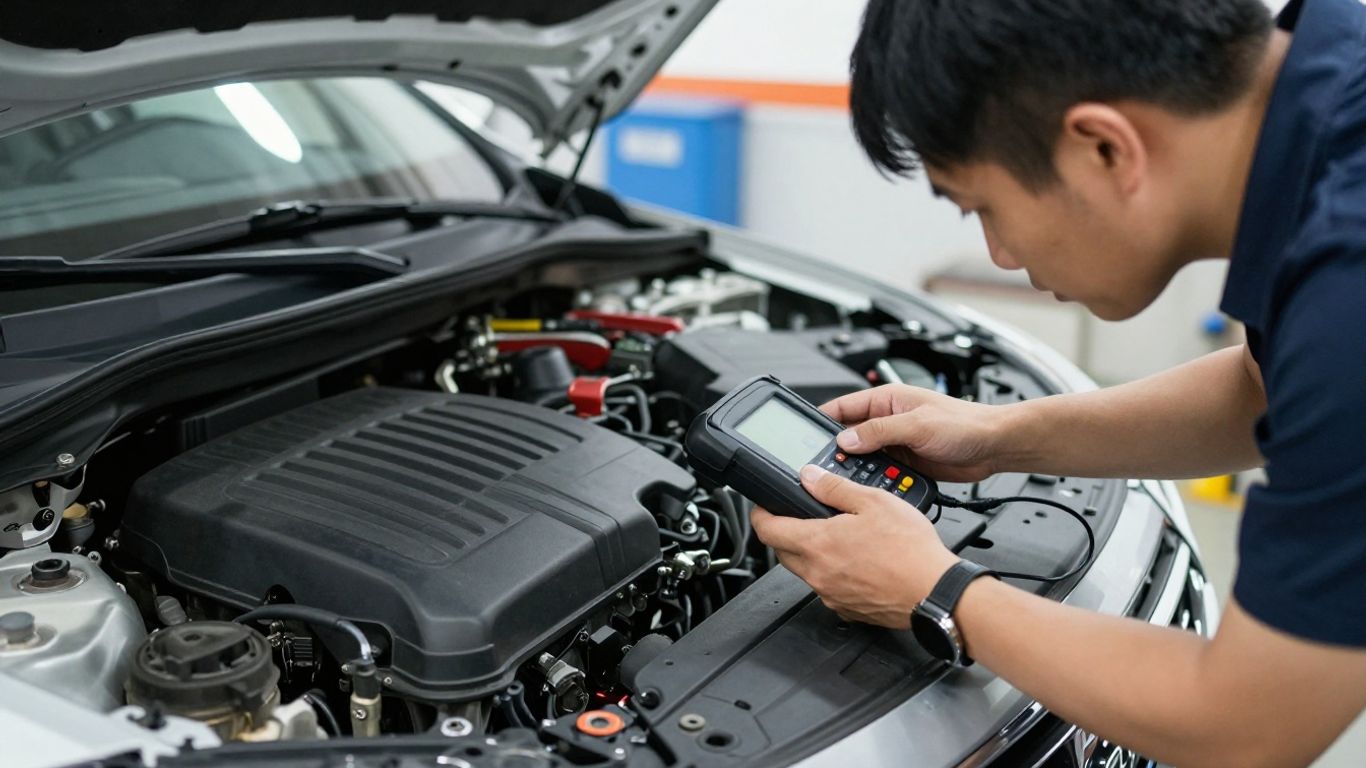
Begin with the driver’s experience: when the light appeared, whether the engine was hot or cold, and what changed immediately beforehand. Scan codes can identify a system that needs investigation, but the stored code may describe a symptom rather than a failed part. A misfire code, for example, can result from ignition, fuel, compression, or air-related causes.
Smoke color and fluid condition add useful clues, though they should be interpreted with other evidence. Persistent overheating, coolant loss, milky oil, or a sweet exhaust smell can indicate a cooling or sealing problem. None of these signs alone establishes the repair scope, so avoid treating a familiar symptom as a guaranteed diagnosis.
Essential diagnostic tests and inspections
A competent inspection may include a visual check for leaks, belt and hose condition, fluid levels, battery and charging performance, scan-tool data, and cooling-system pressure. The technician may also inspect spark plugs, ignition components, fuel delivery, vacuum readings, and the condition of the air intake. The exact sequence should follow the symptoms rather than a fixed parts-replacement routine.
The best report separates confirmed findings from possibilities. It should identify what was tested, what passed, what failed, and what additional test would settle an unresolved question. A written diagnosis protects your budget because it gives you something concrete to compare with a second estimate.
How compression and leak-down tests reveal engine condition
Compression testing measures how much pressure each cylinder can build during cranking. Results that are low, uneven, or improved by adding a small amount of oil can suggest different mechanical conditions, although test procedure and engine design affect interpretation. The readings become more useful when compared across cylinders and reviewed alongside symptoms.
A leak-down test introduces compressed air into a cylinder and identifies where that pressure escapes. Air heard at the intake, exhaust, crankcase, or cooling system can help distinguish valve, ring, or sealing concerns. These tests do not replace a full inspection, but they can clarify whether internal engine work is warranted.
Avoiding unnecessary repairs through a second opinion
A second opinion is especially reasonable when the proposed work is expensive, the diagnosis is based only on a warning code, or the explanation changes during the estimate. Bring the original test results and ask the next provider to evaluate the evidence rather than simply repeat the first recommendation. A different conclusion is not automatically proof that either shop is wrong.
Use the second inspection to narrow the decision. If both providers identify the same mechanical failure with similar test results, confidence increases. If they disagree, ask what additional measurement would resolve the disagreement before authorizing a rebuild or replacement.
Comparing affordable engine repair solutions
Affordable automotive engine solutions are not defined by the smallest initial number. A lower-priced repair can become costly if it leaves a related failure untouched, while a more complete solution may provide better value over several years. Compare durability, fit, installation requirements, downtime, and warranty alongside the purchase price. The most useful comparison is between complete approaches, not isolated parts.
Minor repairs that can extend engine life
Not every engine symptom requires internal work. Failed sensors, vacuum leaks, ignition parts, oil leaks, thermostats, hoses, belts, and cooling-system components may be repairable when compression and the main rotating assembly remain healthy. Correcting these issues promptly can prevent heat, lubrication, or combustion problems from causing more serious damage.
The repair should still address the cause. Replacing a part without checking why it failed may lead to a repeat visit. Ask whether the recommended work restores normal operation or merely reduces one visible symptom for a short time.
When a head gasket or timing repair is worthwhile
Head-gasket and timing repairs can make sense when the engine block, cylinder head, crankshaft, and other major components remain within usable condition. The decision depends on the extent of overheating, warping, contamination, and collateral damage. A shop should explain which surfaces will be inspected or machined and which related components are recommended during reassembly.
Timing work deserves particular care because a failed belt or chain can cause extensive valve damage on some engines. If the engine is already open, replacing accessible wear items may prevent duplicated labor later. The estimate should distinguish necessary work from sensible preventive additions.
Evaluating used engines and salvage-yard options
A used engine can be appropriate for an older vehicle or a repair where controlling upfront cost matters most. Ask for the donor vehicle, recorded mileage, storage conditions, testing performed, and what accessories are included. Confirm whether the replacement is complete or whether your original intake, exhaust, sensors, mounts, and accessories must be transferred.
Warranty language is crucial. Find out whether coverage applies to parts only or includes labor, and whether the warranty requires installation by an approved provider. A cheap unit with uncertain history may not remain cheap after shipping, preparation, fluids, and a second installation.
Comparing remanufactured and rebuilt engines
“Rebuilt” and “remanufactured” can describe different processes depending on the supplier, so ask for a plain explanation rather than relying on the label. Review what was inspected, machined, replaced, and tested. Also compare the included components, installation instructions, break-in requirements, and warranty exclusions.
JASPER is identified in the source material as providing completely remanufactured gas or diesel engines through an authorized dealer. That documented option belongs in a replacement comparison when the vehicle is compatible. Its terms should be read alongside other written estimates, with attention to what the installer and engine provider each cover.
Estimating the total cost of an engine solution
The advertised engine price is only one part of the decision. Labor, fluids, gaskets, belts, hoses, filters, mounts, diagnostic time, and cooling-system work can materially change the final invoice. A useful estimate shows the full job in a way that lets you compare alternatives fairly. It should also identify assumptions that could change after disassembly.

Parts, labor, fluids, and related service costs
Request separate lines for the engine or repair parts, removal and installation labor, machining, fluids, filters, seals, and testing. Ask whether the estimate includes an alignment, programming, refrigerant service, or other work that may be disturbed during the job. Some items are vehicle-specific, so a generic package price should be treated as a starting point.
A complete estimate makes tradeoffs easier to see. For example, replacing an accessible thermostat during engine installation may cost less than returning later for the same labor. That does not make every add-on necessary, but it gives you a reasonable basis for asking what is urgent, recommended, or optional.
Core charges, warranties, and installation fees
Replacement engines may involve a core charge that is refunded when the old engine is returned and accepted. Confirm the amount, return deadline, and conditions that could reduce the refund. Installation fees may also vary depending on whether accessories are transferred, the engine arrives complete, and unexpected damage is found during removal.
A warranty should state its duration, mileage limit, covered components, labor responsibility, and required maintenance. JASPER is presented in the available material as a remanufactured engine source used by an authorized dealer, but the exact warranty terms for a particular installation still need to be obtained in writing.
Hidden expenses that can affect the final price
Unexpected costs often come from systems connected to the original failure. Severe overheating may damage sensors, hoses, the radiator, or the cylinder head. Metal contamination from internal damage can affect other components, while a worn mount or clutch may become apparent only after the engine is removed.
Before work begins, ask how additional findings will be handled. A clear approval threshold, photographs, test results, and a phone call before exceeding the estimate can prevent an unpleasant surprise. It is reasonable to request that nonessential additions wait until the core repair is complete.
Calculating repair value against vehicle replacement
Compare the proposed repair with the cost of obtaining another vehicle in similar condition, including taxes, financing, insurance changes, and immediate maintenance. A known vehicle with a healthy transmission and documented history may be worth repairing even when the engine bill feels large. A vehicle with several major problems may not justify the same investment.
Think in terms of expected service, not just resale value. Divide the total repair cost by the years or miles you realistically expect to keep the vehicle, then account for likely maintenance. This does not produce a perfect answer, but it turns an emotional decision into a more practical one.
Choosing a trustworthy engine service provider
The provider matters nearly as much as the engine choice. Major engine work requires accurate diagnosis, careful installation, and communication when hidden damage appears. Look for a shop that can explain the work without pressure and document what it found. A polished website or low advertised price cannot substitute for a clear process.
Questions to ask before approving the work
Ask who will perform the diagnosis, what tests support the recommendation, and whether the quoted engine is new, used, rebuilt, or remanufactured. Clarify what parts are included, what parts will transfer from the old engine, and how additional work will be approved. You should also know the expected timeline and who handles warranty claims.
Good questions are direct and specific:
- What failure has been confirmed, and how was it confirmed?
- What does the quoted price include and exclude?
- Which related parts should be replaced while access is available?
- What maintenance or break-in steps are required after installation?
The answers should be consistent with the written estimate. If the provider avoids basic questions or treats reasonable clarification as a nuisance, pause before committing to a large repair.
Reviewing certifications, experience, and customer feedback
Experience with the vehicle’s engine family can be useful, especially when the repair involves known timing, cooling, or access complications. Ask about relevant training, licensing requirements in your area, and whether the shop regularly handles engine removal and installation. Certifications can add context, but they do not replace a conversation about the actual job.
Customer feedback is most useful when it describes communication, estimate accuracy, workmanship, and warranty support. Look for patterns rather than a single glowing or negative review. A provider willing to share inspection findings and explain limitations gives you stronger evidence than one relying on broad promises.
Comparing written estimates and warranty terms
Put estimates side by side and normalize the details. One may include fluids, filters, mounts, and labor that another lists separately. Check whether taxes, shop supplies, diagnostics, programming, towing, and core charges are included or excluded.
Warranty comparisons also require care. A longer term is not automatically better if exclusions are broad or labor is not covered. Read the maintenance requirements and ask what happens if a related component fails after the engine is installed.
Recognizing low-quality parts and misleading offers
Be cautious when an offer is dramatically lower than others without explaining why. Vague labels, missing mileage, no stated testing process, pressure to authorize immediately, and promises that ignore possible related damage are warning signs. The concern is not that every low price is wrong; it is that an incomplete price can hide the real scope.
A trustworthy provider can state what is known, what remains uncertain, and what would change the estimate. That kind of honesty may feel less convenient at first, but it is far safer than approving work based on an attractive headline number.
Extending the life of your replacement or repaired engine
The repair is not finished when the vehicle leaves the shop. A replacement or rebuilt engine needs the right fluids, operating conditions, and follow-up checks. Maintenance records help protect both the vehicle and any applicable warranty. Small changes in noise, temperature, or oil level should be treated as useful information rather than ignored.
Following the recommended break-in process
Follow the installer’s written instructions for the first several hundred miles or the period specified by the engine supplier. Break-in guidance may address speed variation, load, towing, idling, and the first oil change. Do not assume that an ordinary driving routine is appropriate for every repaired or replacement engine.
Keep receipts and record the mileage at each service. If the engine develops unusual noise, smoke, overheating, or loss of power during break-in, stop driving when it is safe and contact the provider promptly. Early documentation can make diagnosis and warranty review much simpler.
Keeping up with oil and filter changes
Use the oil grade and filter specified for the vehicle and engine. Check the level on a regular schedule, particularly after installation or a repair involving oil loss. Short trips, severe temperatures, towing, and dusty conditions may require a more frequent service interval than ordinary driving.
Do not stretch the first oil change beyond the provider’s instructions. Fresh oil and a suitable filter help remove contamination and maintain lubrication while you monitor the engine’s condition. Keep every service record in one place.
Monitoring cooling and lubrication systems
An engine’s long-term health depends heavily on stable temperature and adequate lubrication. Watch the temperature gauge, coolant level, oil level, warning lights, and the ground beneath the vehicle. Inspect hoses, belts, and the radiator area for leaks or damage during routine checks.
Never treat repeated overheating as a minor inconvenience. Continuing to drive can turn a manageable cooling-system fault into cylinder-head, gasket, or internal engine damage. If the temperature rises unexpectedly, pull over safely and arrange an inspection rather than repeatedly topping up and continuing.
Addressing early performance problems quickly
A repaired engine should not be dismissed as “still settling in” if it develops persistent misfires, new smoke, fluid loss, hard starting, or unusual vibration. Contact the installer with dates, mileage, conditions, and any warning codes. Avoid authorizing unrelated parts replacement until the original work has been reviewed.
Prompt follow-up protects the investment and may preserve warranty options. With clear records, sensible driving, and consistent maintenance, a properly diagnosed and installed engine can provide useful service for years.
Conclusion
Affordable automotive engine solutions begin with a confirmed diagnosis and end with a complete cost, warranty, and maintenance plan. Whether the sensible path is a minor repair, a rebuild, a used engine, or a remanufactured replacement, the decision should fit the vehicle’s overall condition and your expected ownership. Take the time to compare evidence and written estimates before spending money, then give the finished work the care it requires.