Key Takeaways
Exploring engine replacement requires careful documentation and professional oversight to ensure a successful outcome for your vehicle.
- Prioritize suppliers who offer clear written warranty terms.
- Always have a qualified mechanic perform the engine swap.
- Check VIN compatibility before finalizing any purchase agreement.
- Keep detailed service records for potential warranty claims.
- Utilize statutory consumer protections if significant issues emerge.
The benefits of purchasing a used engine with warranty
Opting for a refurbished or pre-owned power plant can be a strategic move for car owners facing mechanical failure. When you source a used engine with warranty Australia, you effectively create a safety net for your automotive budget while extending the life of your vehicle.
Financial savings compared to new crate engines
The most immediate advantage is the significant price difference between a factory-new assembly and a salvaged one. Choosing a recycled engine allows you to get your car back on the road without the premium cost associated with brand-new components.
Peace of mind regarding mechanical reliability
Having an official guarantee means the supplier is putting their reputation behind the part’s performance. Knowing that an entity like Sandgate Wreckers stands behind their inventory allows you to proceed with repairs without constant anxiety over hidden defects.
Protection against immediate post-installation failure
Early failure instances occur rarely but do happen, often due to unforeseen issues during storage or transit. A warranty ensures you are not left out of pocket if the engine exhibits a fault within the first few weeks of operation.
Environmental advantages of engine recycling
Recycling is a fundamental part of the circular economy within the auto industry. By reclaiming functional blocks and heads, we drastically reduce the environmental footprint involved in casting, forging, and shipping entirely new metal assemblies.
Where to source quality used engines
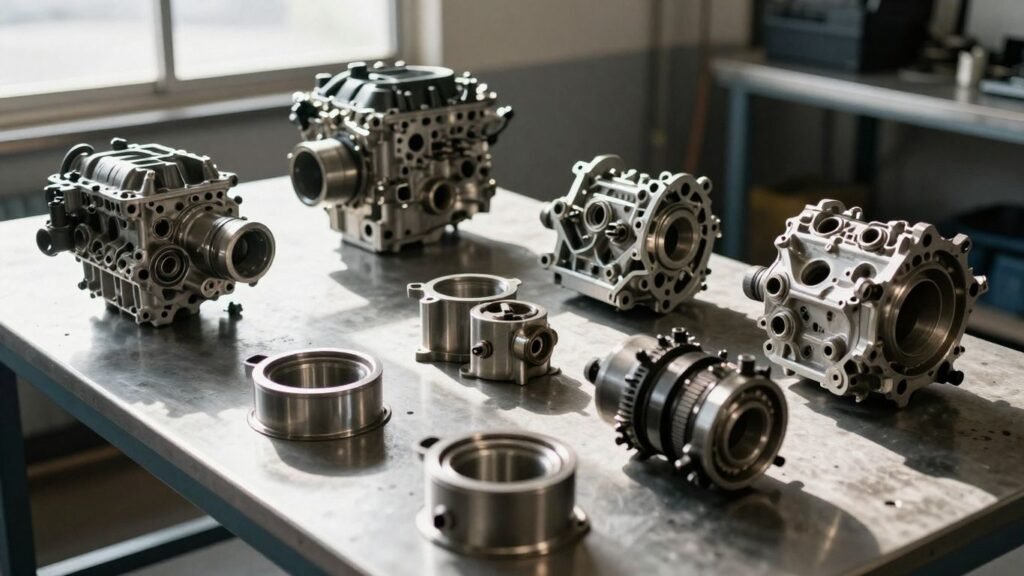
Finding the right component involves looking beyond popular online listings and identifying established professional suppliers. Reliable sourcing is about verifying the history and the testing process before the hardware arrives at your workshop.
Reputable wrecking yards and salvage auctions
Local yards often hold inventory that has been recovered from vehicles written off for non-mechanical reasons. These sites frequently offer a firsthand look at the donor vehicle’s condition, which is a major advantage for prospective buyers.
Specialized engine reconditioning centers
These facilities take salvage engines and restore them to original factory specifications. Companies like All Good Parts provide these specialized services to ensure that the engines you receive are not just used, but thoroughly verified for performance standards.
Online marketplaces versus direct dealership parts
Online platforms offer vast inventory access but carry higher risks regarding seller accountability. Conversely, direct dealership parts come with higher price tags but offer a more predictable chain of custody and service history documentation.
Verified Australian business directories
Using industry-specific trade directories helps you bypass unvetted sellers. These platforms aggregate businesses based on licensing and professional standing, ensuring you are dealing with genuine operators who adhere to local business standards.
Understanding warranty coverage terms
Not all protection plans are created equal, and it is vital to read the fine print before paying. Transparency regarding what constitutes a protected failure is the cornerstone of a stress-free experience.
Standard time and mileage limitations
Most providers structure their warranties based on specific thresholds of time or distance traveled. It is common to see plans that expire at the earliest of either three months or five thousand kilometers, creating a clear expectation for both parties.
Parts-only versus parts-and-labor coverage
Labor costs often exceed the base price of the engine itself, making this coverage type critically important. If you choose a parts-only warranty, ensure you have a contingency fund prepared for the mechanic’s service fees.
Defining fair wear and tear under Australian consumer law
Consumer laws provide a baseline for what an engine should reasonably provide during its operation. When evaluating a potential claim, you should consider the following common factors that distinguish expected aging from premature component failure:
| Observation | Fair Wear/Tear | Potential Failure |
|---|---|---|
| Oil consumption | Normal burning | Piston ring failure |
| Engine noise | Tappet sound | Rod knock/bearing issue |
| Seal condition | Minor seep | Major fluid leak |
Understanding these distinctions helps you determine the validity of your claims when discussing technical issues with the original supplier.
Mandatory documentation and proof of purchase requirements
Keeping your receipts and professional fitting certificates is non-negotiable. Without these, your ability to leverage the written warranty terms becomes significantly compromised in the event of a dispute.
Inspecting a used engine before installation
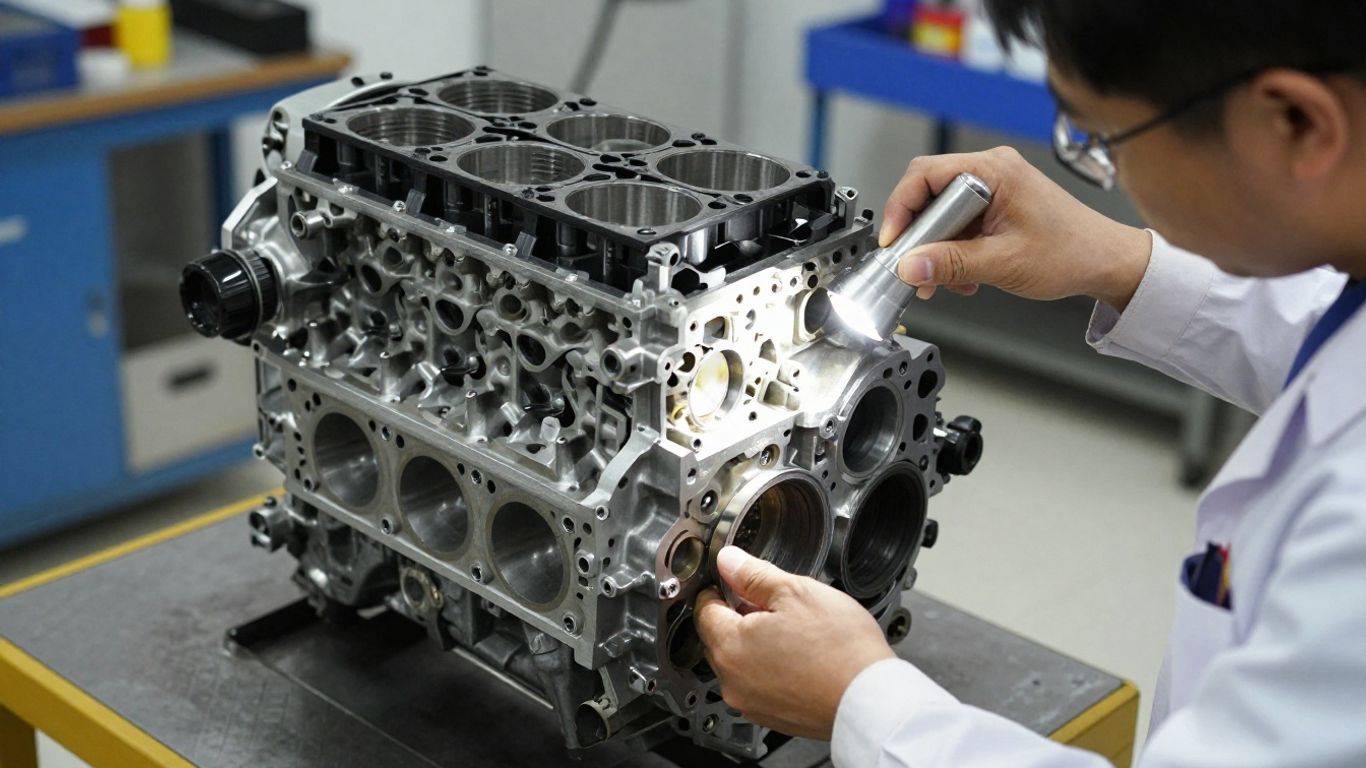
Physical validation of the unit is your last line of defense before it gets bolted into your engine bay. A thorough hands-on inspection often reveals issues that simple visual checks might overlook.
Identifying signs of excessive oil sludge
Look inside the valve cover or oil fill cap for thick, gelatinous residue. Heavy sludge buildup acts as a warning sign that the maintenance schedule was neglected, which could indicate long-term internal damage to bearings.
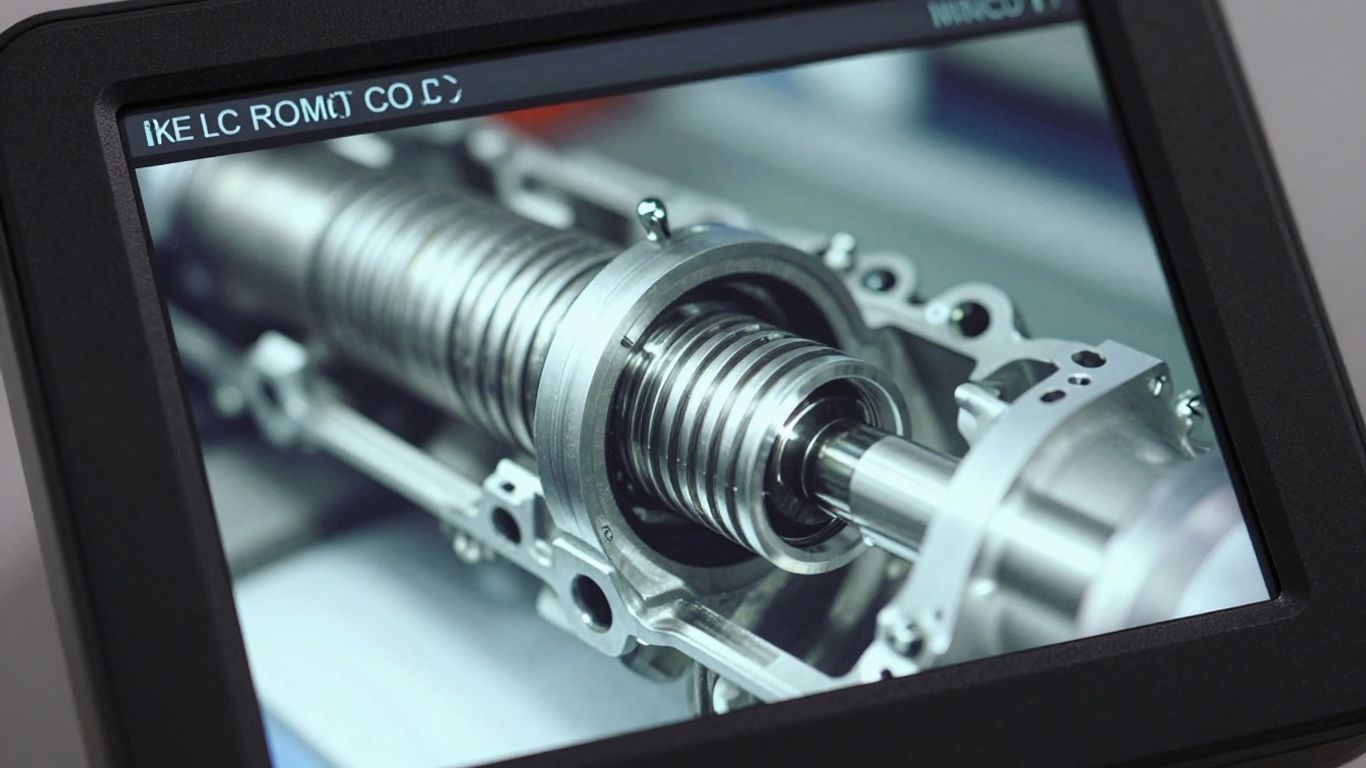
Using a borescope for internal cylinder examination
Inserting a camera into the cylinders allows you to see the cross-hatching pattern of the walls. Clear, non-scored surfaces suggest the engine retains good compression and has not suffered from chronic overheating or foreign object damage.
Checking the integrity of external gaskets and seals
Even if a part seems solid, aged rubber on external seals will eventually leak once the engine reaches hot operating cycles. Many experts suggest replacing these affordable items proactively while the engine is still out of the vehicle.
Confirming vehicle identification number (VIN) compatibility
An engine might fit physically but lack the specific sensors or firing patterns your car’s computer demands. Cross-referencing the VIN ensures that the accessory drive and emission systems align perfectly with your chassis electronics.
Best practices for professional installation
Properly seating your new engine requires attention to detail that only experienced technicians can provide. Skipping steps here often leads to premature failures that warranties might not cover due to improper fitting.
Selecting a certified mechanic for swap procedures
Your installer acts as the primary validator of the part’s quality. Choosing a shop that specializes in engine replacements ensures they have the equipment to handle modern electronic integration and fluid management correctly.
Mandatory component replacements during the swap
There are several parts that should be installed new regardless of what came with the used engine. These include items that are difficult to access once the unit is fully mounted in the engine bay.
- Timing belt or chain tensioner kit
- Water pump and thermostat assembly
- Spark plugs and ignition coils
- Fresh drive belts and pulleys
Replacing these at the time of the swap prevents you from having to pull the engine again later for minor maintenance.
Testing oil pressure and compression post-installation
Once the engine is staged in the bay, testing confirms internal health. Measuring these metrics against manufacturer specifications provides the empirical proof that the assembly is operating within a safe range.
Ensuring fluid compatibility according to manufacturer specifications
Refer strictly to the owner’s manual for coolant, oil, and transmission fluid grades. Mixing modern synthetic fluids with remnants of old additives can lead to sludge formation or seal degradation, even in a healthy engine.
Navigating Australian consumer guarantees
Australian legislation provides an essential framework for resolving issues that go beyond the initial seller agreement. Knowing these rights is a fundamental piece of protecting your investment as a consumer.
Statutory rights under the Australian Consumer Law
Even when private warranties expire, your rights as a consumer persist for a reasonable period. If an engine displays a major fault that shouldn’t exist, the law mandates that suppliers must rectify the situation.
Dealing with disputes if the engine fails prematurely
Maintain a formal file of all communication, photos, and professional diagnostics when a problem arises. Clear documentation is essential if you need to escalate your claim to higher authorities.
Differentiating between implied warranties and seller agreements
Seller agreements are supplementary, but they cannot replace your basic consumer rights. Always understand that a "no refund" policy stated by a seller does not override the fundamental protections afforded by local and federal laws.
Engaging with the ACCC for unresolved purchase claims
If a vendor refuses to engage with legitimate technical issues, local consumer affairs or the ACCC can provide guidance on dispute resolution. This is the final stage for resolving claims where the supplier has failed their obligations.
Conclusion
Choosing a used engine with warranty Australia requires balancing cost-effectiveness with proactive mechanical diligence. By prioritizing verified components from reputable suppliers and insisting on certified professional installation, you can restore your vehicle to reliable service while keeping your finances in order.