Key Takeaways
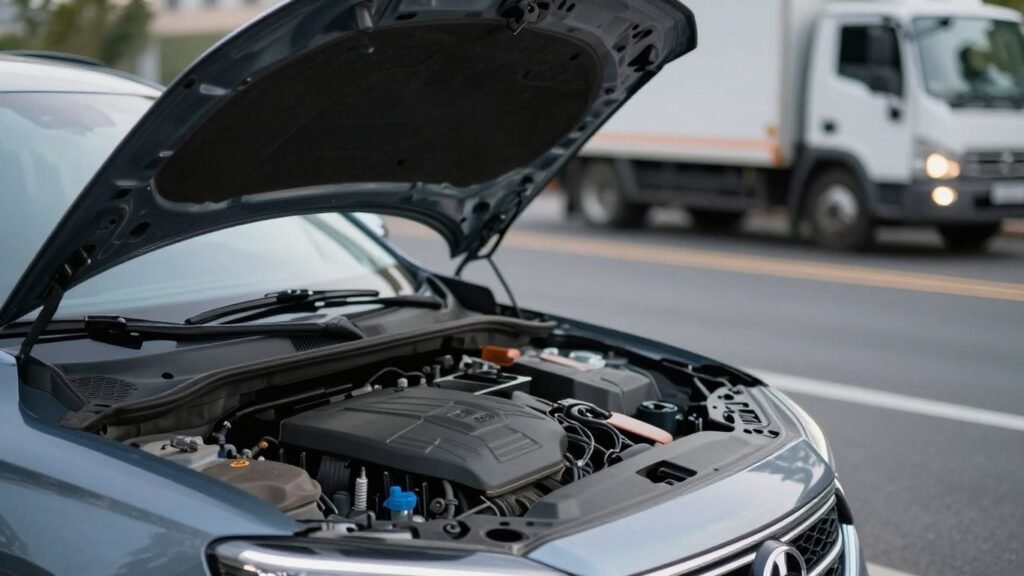
When your car experiences a mechanical failure, managing your environment and personal safety becomes the highest priority before addressing the hardware. These five points highlight how to handle a breakdown effectively.
- Prioritize getting your vehicle to a safe, level spot off the roadway.
- Use visible signals like hazard lights to warn other incoming drivers.
- Assess your surroundings to determine if staying inside the vehicle is safer.
- Keep essential contact information for professional repair services handy.
- Conduct regular vehicle maintenance to mitigate future risks of engine failure.
Immediate roadside safety
When your engine falters, the initial response dictates your overall safety. Staying calm prevents impulsive decisions that could put you in the path of oncoming traffic.
Pulling over to a secure location
Your first objective is navigating to a flat, stable surface away from active traffic lanes. Even if it causes minor damage to the rim or tire, maneuvering to a shoulder or parking area is vastly better than stopping in a dangerous, high-traffic position.
Activating hazard lights and visibility aids
Once stopped, you must immediately alert other motorists to your status. Turning on your hazard lights creates a clear warning for other vehicles to change lanes or slow down as they approach.
Staying inside the vehicle versus exiting
If you find yourself on a busy highway, it is often safer to remain inside with your seatbelt buckled. Exiting the car puts you at high risk, especially if your vehicle is near the flow of traffic.
Contacting emergency services if in danger
In scenarios where your car is partially blocking a lane or you feel threatened, do not hesitate to contact emergency services. Officials like the CHART responders are trained to manage high-risk traffic emergencies quickly.
Assessing the engine issue safely
Visualizing the problem requires a detached approach, as jumping into action often risks personal injury or further machine degradation. Take a moment to observe the vehicle from a protected position rather than immediately popping the hood.
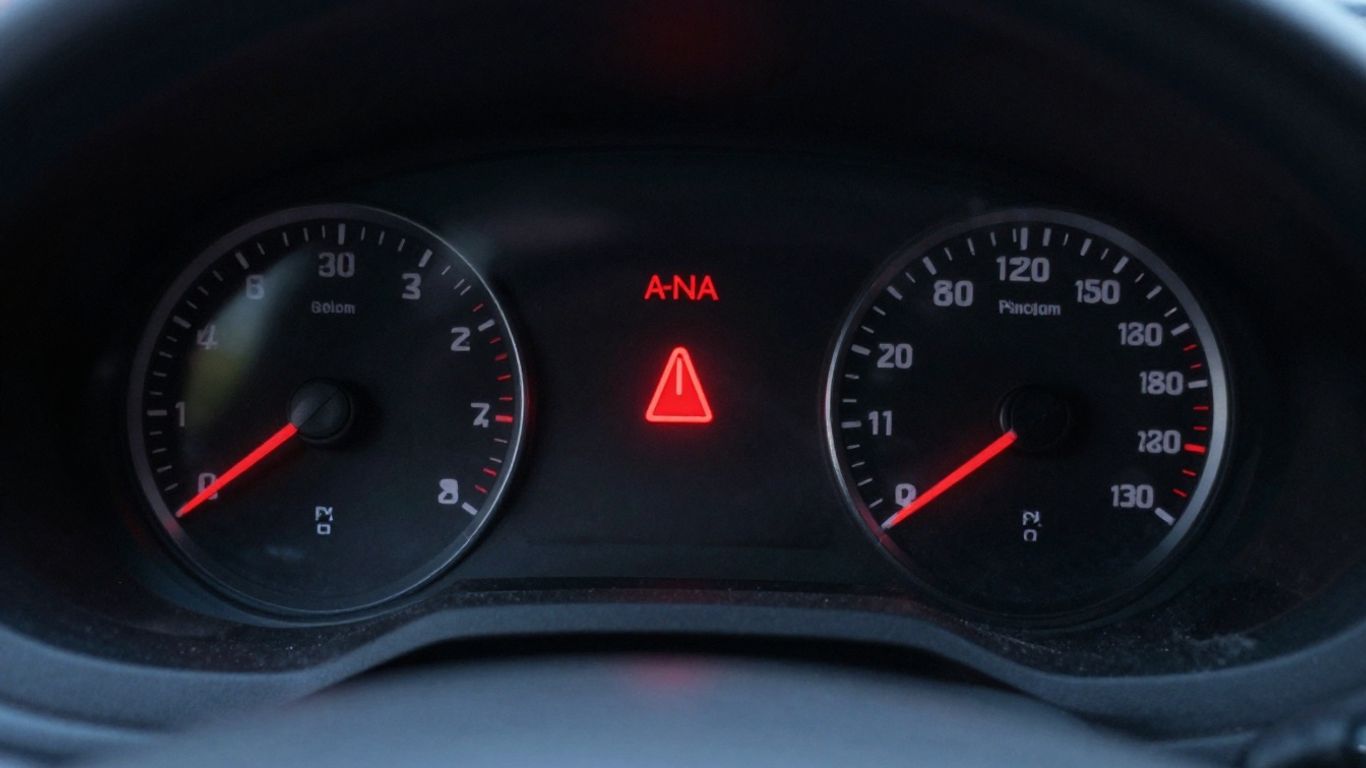
Identifying warning lights on the dashboard
Your dashboard acts as the primary communication bridge for internal systems. Note which symbols illuminate, such as the check engine light or oil pressure warning, as these provide specific clues for technicians.
Checking for outward signs like smoke or steam
Before approaching the vehicle, look for telltale wisps of smoke or steam escaping from the grille. Excessive steam often signals a cooling system failure, while dark smoke might indicate burning oil or electrical issues.
Understanding common engine failure symptoms
Common signs of trouble include a loss of power while accelerating, unusual vibrations, or strange clunking noises. Understanding these specific warning signs allows you to accurately describe the situation when requesting help.
Avoiding dangerous visual checks under the hood
Refrain from opening the hood immediately, as pressurized steam or high-voltage components can cause burns or electric shock. Let the engine cool down for at least thirty minutes before even considering a visual inspection.
Calling for professional roadside assistance
Reaching out for help with a clear plan ensures the right resources are dispatched to your location. Reliable services like Viking roadside assistance can provide the necessary recovery equipment if the engine requires a tow.
Knowing your location and GPS coordinates
Dispatchers require precise details to find you quickly. Use your smartphone to grab your current GPS coordinates, or look for highway mile markers if you are on an interstate.
Identifying the right service provider
Not every service covers every type of breakdown, so verify your provider’s capabilities. Whether you need a simple jump-start or complex towing, select a company that is qualified for the specific nature of your trouble.
Communicating the problem to the dispatch operator
Speak clearly and provide a description of the symptoms without exaggerating the situation. Explain that the car is disabled and share any details regarding the engine warning lights you observed earlier.
Estimating wait times and service expectations
Ask for a concrete ETA so you can plan your time accordingly. Most professional services will give you a window, but keep in mind that weather or traffic conditions often influence total wait times.
Handling minor troubleshooting or temporary solutions
Sometimes, a simple issue like a loose connection or a low fluid level is the culprit behind your engine trouble. Carefully investigate these common pain points before assuming your car needs a full engine rebuild.
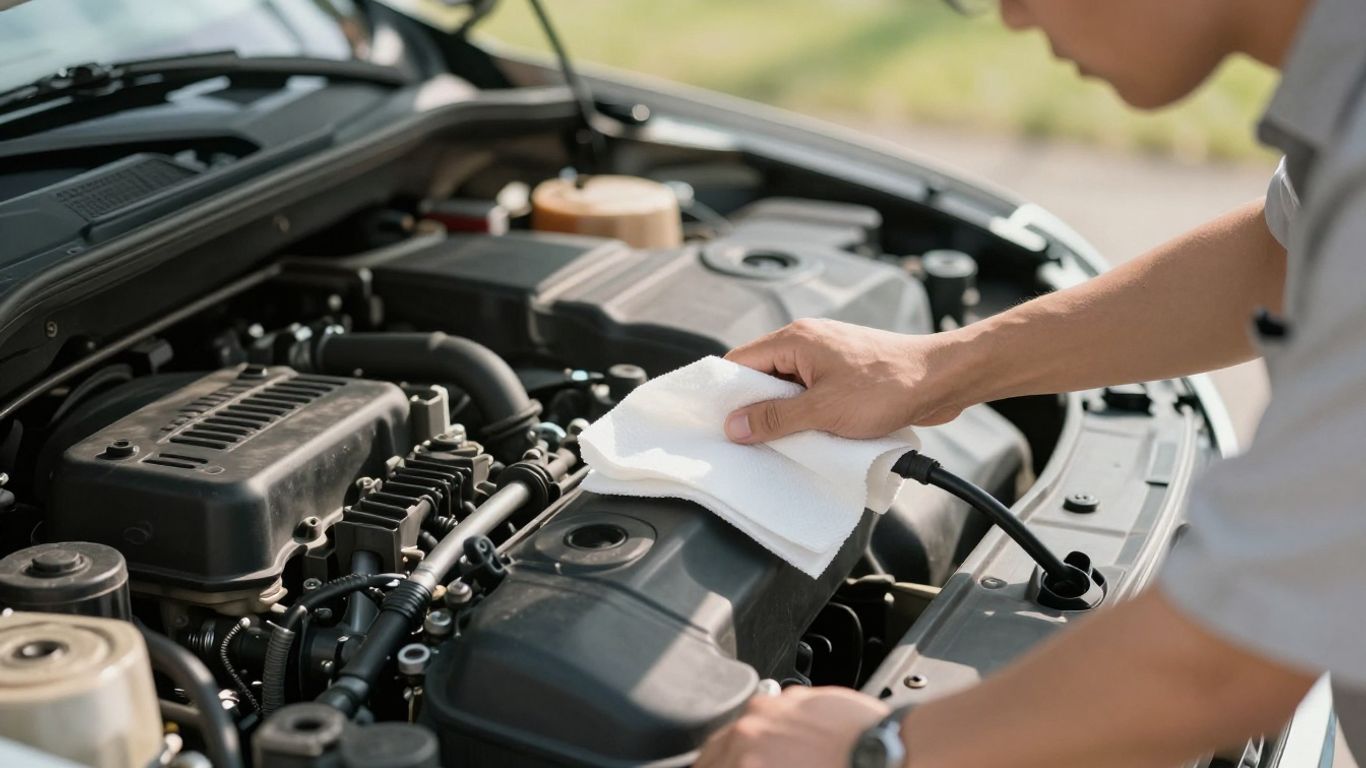
Checking vital fluids and battery terminals
Visual inspection of your fluids can reveal critical depletion or contamination levels. Refer to the table below for standard fluid integrity checks.
| Fluid Type | Inspection Method | Warning Sign |
|---|---|---|
| Engine Oil | Pull dipstick | Dark, gritty texture |
| Coolant | Check reservoir | Low level, bright neon color |
| Battery | Wiggle cables | Loose terminal or corrosion |
Performing these quick checks helps distinguish between a minor inconvenience and a significant mechanical failure, keeping you informed for the technician.
Evaluating the validity of DIY quick fixes
Be cautious when attempting repairs like topping off oil or tightening a battery terminal. These are only temporary measures and should not be attempted on busy roads where your safety is compromised by passing traffic.
Recognizing when a simple fix is not possible
If you see fluid leaking profusely or hear grinding metal, stop attempting any fixes immediately. Certain issues cause catastrophic damage if the engine remains under any form of pressure.
Preventing further damage while awaiting help
Keep the ignition off and avoid turning the key, as this can worsen an electrical or mechanical fault. Simply staying still and monitoring the perimeter is the best way to preserve your engine.
Insurance and transportation logistics
Navigating the financial side of a breakdown is often as complicated as the repair itself. Understanding your coverage lets you minimize out-of-pocket costs at the scene.
Determining if you have roadside coverage
Many credit cards or dedicated plans like RoadPoint insurance offer pre-paid roadside assistance bundles. Review your policy paperwork or online portal to see if towing and mobile repair are included in your premium.
Choosing between a tow or a mobile repair service
If your engine trouble is likely a sensor error, a mobile repair team might be able to fix it right on the shoulder. Otherwise, plan for a tow to a certified shop to let professional tools handle the heavy analysis.
Dealing with repair shop recommendations
Listen to the towing operator’s advice, but verify their suggested shops through independent reviews. It is your right to decide where your vehicle is transported, so stick to mechanics you trust.
Documenting the incident for potential insurance claims
Take clear photographs of the vehicle’s position, the dashboard lights, and any visible damage before the tow truck arrives. These records strengthen your case if you need to file a claim later.
Preparing for future engine emergencies
Proactive measures turn a stressful event into a manageable task. By maintaining a well-stocked inventory and a routine schedule, you keep the probability of a surprise failure as low as possible.
Assembling a reliable roadside emergency kit
Your kit should include items for survival and basic communication. Consider adding these essential tools to your trunk:
- Heavy-duty jumper cables for battery issues
- High-visibility reflective triangles for night safety
- A portable phone charger with a long cable
- One gallon of water and a flashlight
Preparation ensures you remain comfortable until professional help arrives to solve the problem for you.
Scheduling regular maintenance to prevent failures
Adhering to your manufacturer’s service schedule is the best defense against engine degradation. Timely oil changes and filter replacements keep internal parts moving freely and prevent overheating.
Maintaining an updated list of local towing services
Keep a list of contacts saved in your phone or a notebook in the glove box. Knowing who to call in different regions saves you the hassle of hunting for services during an emergency.
Understanding your vehicle’s warranty and breakdown protections
Check if your vehicle is still covered by a factory warranty that includes roadside assistance. Being aware of these protections helps you bypass expensive third-party costs when you need help most.
Conclusion
Navigating a mechanical failure requires a balanced approach between safety, preparation, and professional execution. By keeping your vehicle maintained and staying calm when problems arise, you protect both yourself and your car during difficult roadside moments.