

Key Takeaways
A sound engine replacement starts with diagnosis, compatibility checks, and an honest look at the vehicle’s value. The cheapest engine on paper is not always the least expensive choice once labor and related parts are included.
- Confirm that replacement is more sensible than rebuilding or selling the vehicle.
- Compare used, remanufactured, crate, and locally rebuilt engines carefully.
- Match engine codes, electronics, emissions equipment, and transmission requirements.
- Get a written estimate that includes labor, accessories, fluids, seals, and warranty terms.
- Follow the break-in and maintenance schedule closely after installation.
Know when engine replacement makes sense
An engine failure can make a dependable vehicle feel disposable overnight, but replacement is not automatically the right answer. The decision depends on the damage, the condition of the rest of the vehicle, and the cost of returning it to dependable service. For engine replacement for everyday drivers, practical value matters more than the appeal of a fresh powerplant.
Signs your current engine may be beyond repair
A cracked block, a damaged crankshaft, severe bearing failure, or extensive overheating can push an engine beyond a sensible repair. Metal in the oil, very low compression across several cylinders, and coolant mixed with oil are warning signs that deserve a careful teardown or second opinion. A diagnosis should identify the failed component rather than rely on a vague statement that the engine is “bad.”
Before approving replacement, ask whether the damage is confined to a cylinder head, timing system, oil pump, or accessory. Some failures look catastrophic from the driver’s seat but can be repaired without replacing the complete long block.
When rebuilding is better than replacing
Rebuilding may make sense when the block and crankshaft are usable and the machine shop can measure the major components accurately. It also lets the owner retain a known engine block and address wear throughout the assembly instead of accepting the unknown history of a used unit. The tradeoff is time, workmanship, and the quality of the parts selected.
A rebuild is only as reliable as the inspection and assembly behind it. Request a written explanation of what will be machined, which parts will be replaced, and what the shop warranty covers.
How vehicle age and mileage affect the decision
A replacement engine does not renew the transmission, suspension, cooling system, air conditioning, or electrical system. On a high-mileage vehicle, those systems should be evaluated before money is committed. A lower-mileage car with a clean body and documented maintenance may justify a more substantial engine option than an older vehicle needing several unrelated repairs.
Mileage is useful context, not a complete verdict. How the vehicle was maintained, where it was driven, and whether rust or accident damage is present can matter just as much.
Comparing repair costs with the vehicle’s market value
Compare the complete repair estimate with the vehicle’s realistic private-party or trade value, then consider how long you expect to keep it. Market value is only one factor: replacing an engine may still be rational if the vehicle is known, paid off, and otherwise dependable. Conversely, a low estimate can become poor value when hidden repairs are likely.
Include registration, taxes, towing, rental transportation, and the cost of correcting deferred maintenance. A written inspection of the whole vehicle makes this decision less emotional and easier to defend.
Compare your engine replacement options
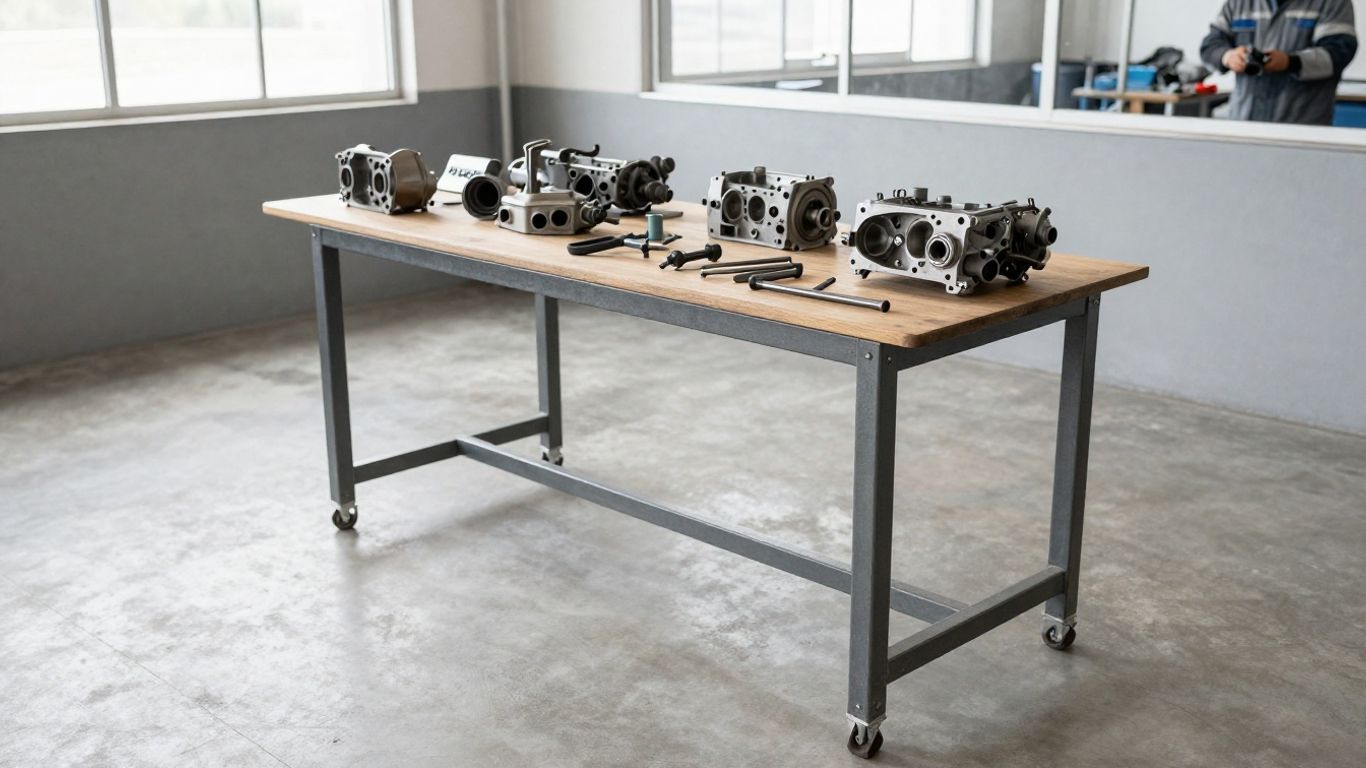
Replacement engines differ in history, price, warranty, and how much work remains after delivery. There is no universal winner because a commuter, a work truck, and a lightly used family car may have very different priorities. Compare the source and coverage as carefully as the advertised price.
Used engines from salvage vehicles
A used engine can be an economical choice when its mileage, source, and testing history are documented. Ask whether the engine was inspected, whether compression or leak-down results are available, and what accessories are included. A salvage unit may require transferring parts from the failed engine, and its internal wear may not be visible from outside.
The warranty deserves close reading. Determine whether it covers parts only, whether labor is excluded, and what evidence is required if a problem appears after installation.
Remanufactured engines with restored components
A remanufactured engine is generally disassembled, inspected, machined or replaced where necessary, and assembled to a defined standard. The exact process varies by supplier, so ask for the scope of the work rather than assuming every internal component is new. This option often costs more than a used engine but can offer more predictable condition.
A useful comparison is the combination of warranty length, included components, and installation requirements. A stronger warranty may be less valuable if the shop must use specific fluids or follow narrow claim procedures that were not explained beforehand.
| Option | Typical advantage | Main uncertainty | Best fit |
|---|---|---|---|
| Used engine | Lower initial price | Internal wear and history | Tight budget with documented testing |
| Remanufactured engine | Restored components and defined process | What the warranty excludes | Long-term ownership with coverage |
| Crate engine | Consistent, standardized package | Vehicle-specific fit and added parts | Standardized applications |
| Local rebuild | Direct communication with the builder | Variable machine-shop quality | Owners with a trusted local specialist |
This comparison is a starting point, not a substitute for a written quote. The right choice is the one whose condition, included parts, and warranty match the vehicle and the owner’s tolerance for risk.
Crate engines for standardized applications
Crate engines can be attractive when the application is standardized and the package is clearly specified. They may simplify sourcing a complete assembly, but “crate” does not by itself confirm that the engine will connect to the vehicle’s transmission, wiring, computer, emissions equipment, or accessories.
Verify what is included before comparing prices. A complete-looking engine may still require a flywheel, mounts, sensors, intake components, exhaust changes, or programming.
Rebuilt engines from a local machine shop
A local rebuild can provide direct access to the people inspecting and assembling the engine. That relationship may help when unusual wear, regional parts availability, or an older vehicle makes a standard replacement difficult. It also requires confidence in the shop’s measuring, machining, balancing, and documentation practices.
Ask for the final specifications and break-in instructions in writing. A reputable builder should be able to explain what was reused, what was replaced, and how a warranty claim would be handled.
Match the replacement engine to your vehicle
Compatibility is more than engine size. Two engines with the same displacement may use different sensors, computers, mounts, fuel systems, emissions equipment, or transmission interfaces. Confirming these details before purchase prevents a low-priced engine from becoming an expensive fabrication project.
Confirming engine codes and compatibility
Start with the vehicle identification number, model year, engine code, and transmission code. Use those details to compare the replacement unit’s casting, sensor locations, mounting points, and accessory arrangement. Do not rely on a seller’s statement that an engine “fits” without asking what modifications or transferred parts are expected.
Photographs, casting numbers, and a parts list can resolve differences before the engine ships. If the vehicle has been modified previously, document those changes as well.
Checking transmission, computer, and wiring requirements
The replacement must communicate with the transmission and the vehicle’s computer system in the way the original engine did. Differences in crank or cam sensors, throttle control, ignition, connectors, and immobilizer systems can prevent starting or create persistent faults. Ask the installer to identify any required harness, module, or programming work.
This is especially important when the replacement comes from a different model year. A physically similar engine may still require substantial electrical changes.
Considering emissions equipment and fuel-system differences
Emissions equipment must match the vehicle’s applicable configuration and local inspection requirements. Compare oxygen-sensor locations, exhaust-gas equipment, evaporative controls, intake parts, fuel injectors, and fuel delivery arrangements before accepting a substitute. Removing or bypassing equipment can create legal and reliability problems.
Have the shop confirm which original emissions components will transfer and which must be sourced separately. The answer should appear in the estimate, not remain an assumption.
Avoiding mismatched performance upgrades
A higher-output engine can introduce demands that the rest of the vehicle was not designed to handle. Cooling capacity, transmission strength, brakes, axles, fuel delivery, and computer calibration may all need attention. For a commuter, smooth starting and predictable operation are usually more valuable than peak horsepower.
If performance changes are still being considered, price the supporting systems and legal requirements at the same time. A modest, compatible replacement is often the more dependable choice.
Build a realistic engine replacement budget
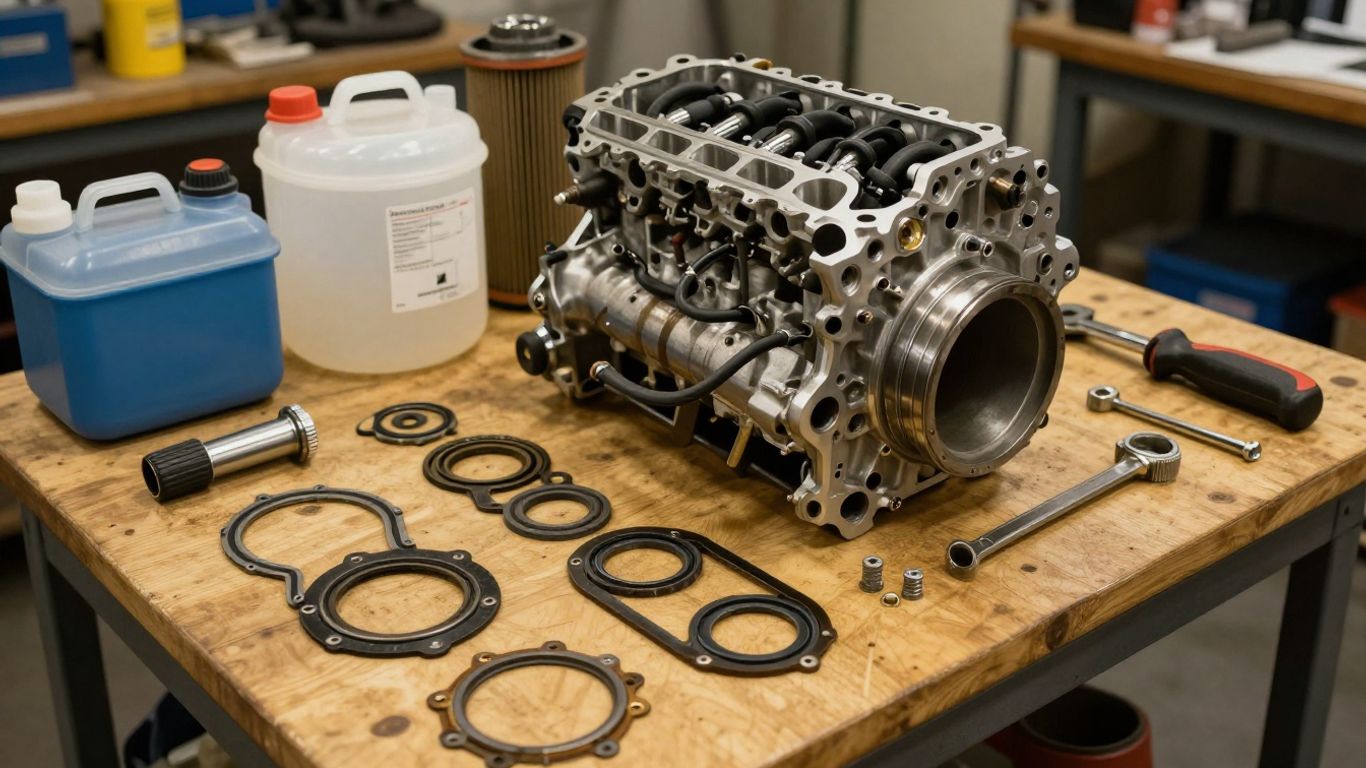
A replacement estimate should describe the entire job, not just the engine sitting on a pallet. Parts, labor, fluids, programming, shop supplies, and possible complications can move the final total well beyond the advertised unit price. Ask for assumptions and exclusions before authorizing work.
Typical costs for parts and labor
Labor depends on access, vehicle design, rust, drivetrain layout, and how many parts must be transferred. The engine price itself varies with source and warranty, while installation may expose worn mounts, hoses, belts, or cooling components. A low labor estimate should be questioned if the shop has not inspected the vehicle.
Request separate lines for the engine, removal and installation, diagnosis, testing, programming, and disposal. That makes it easier to compare estimates that use different assumptions.
Extra expenses for fluids, seals, and accessories
An engine installation commonly involves fresh oil, coolant, filters, seals, gaskets, belts, hoses, and other small parts. Some accessories may be reused if they test well; others may be easier to replace while access is available. Towing and rental transportation can also affect the real cost.
The goal is not to replace every part automatically. It is to identify parts that are inexpensive now but labor-intensive later, then make a deliberate choice.
How warranties affect the total price
Read whether the warranty covers the complete engine or only selected internal parts. Check the duration, mileage limit, labor provision, approved installer requirements, maintenance documentation, and exclusions for overheating or contaminated fluids. A warranty with clear obligations can be more useful than a longer warranty with difficult claim conditions.
Keep the invoice and installation records together from the first day. If the supplier requires proof of oil changes or specific break-in steps, plan for that before the vehicle leaves the shop.
Questions to ask before approving a shop estimate
A short conversation can expose missing assumptions in an estimate. Ask the shop to answer these questions in writing:
- Which exact engine code and mileage or remanufacturing specification will be installed?
- Which accessories, sensors, mounts, and seals are included?
- What labor is covered if the replacement engine has a warranty problem?
- What programming, testing, fluids, and break-in procedures are included?
The answers should correspond with the invoice and warranty documents. If the shop cannot explain a large part of the price, pause before approving the work.
Understand the replacement process
Engine replacement is a sequence of inspections and decisions, not simply a removal followed by installation. The shop must protect the replacement from the cause of the original failure and verify that surrounding systems are ready. Good communication during the job can prevent surprises near completion.
Removing the failed engine and inspecting related components
After draining fluids and disconnecting the required systems, the shop removes the failed engine and examines the engine bay. The inspection should include mounts, transmission connections, cooling components, wiring, exhaust attachments, and evidence of contamination. If the original failure scattered metal or caused overheating, related damage must be addressed before the replacement runs.
A pause for approval may be appropriate if the inspection reveals work outside the original estimate. That is preferable to hiding necessary repairs inside a rushed installation.
Transferring compatible accessories and sensors
Accessories such as the alternator, starter, air-conditioning compressor, intake parts, and sensors may transfer if they are compatible and in good condition. Reusing a failing accessory can create a second breakdown, while replacing a sound part needlessly raises the bill. The decision should follow testing and fitment, not habit.
Ask which parts belong to the replacement engine and which will come from the original vehicle. This distinction matters for both troubleshooting and warranty claims.
Programming the vehicle’s computer system
Some vehicles require computer or immobilizer programming after an engine installation, especially when modules or sensors differ. The shop should verify communication, clear appropriate fault codes, and confirm that the engine and transmission controls operate normally. Programming is not a cure for incompatible hardware, so fitment must be resolved first.
Make sure the final invoice identifies any programming performed. That record can help a later technician understand the vehicle’s configuration.
Testing, break-in, and final inspections
Before delivery, the shop should check for leaks, abnormal noises, overheating, warning lights, charging problems, and proper fluid levels. A road test can reveal drivability issues that are not visible while the vehicle is stationary. The owner should receive break-in instructions and know when the first inspection or fluid change is due.
Do not treat the first drive as a test of maximum performance. Gentle operation and early monitoring give the shop a better chance to identify a problem while the work is still covered.
Choose a reliable replacement for daily driving
A daily driver needs predictable starts, manageable maintenance, and comfortable operation across ordinary traffic. Maximum output may sound appealing, but it can bring extra cost, tuning demands, and strain on other components. Choose an engine that suits the vehicle’s normal work rather than an imagined weekend use.
Prioritizing fuel economy and low-end drivability
For commuting, smooth torque at low and moderate engine speeds is often more useful than a high peak-power figure. Correct sensors, fuel delivery, gearing, and calibration support easy starts and steady acceleration. An engine that requires unusual driving habits may become tiring even if it is mechanically sound.
Consider the routes the vehicle actually drives. Stop-and-go traffic, hills, cold starts, and highway cruising each place different demands on the replacement.
Balancing mileage, condition, and warranty coverage
Mileage should be weighed alongside test results, service history, storage conditions, and warranty terms. A documented higher-mileage engine may be a safer purchase than an unknown low-mileage unit. Condition and evidence matter more than a single number in a listing.
For a vehicle expected to remain in service, paying more for clearer documentation and meaningful coverage can reduce financial risk. Make sure the warranty period matches your planned ownership.
Evaluating engine brand and supplier reputation
Supplier reputation is best assessed through documentation, clear communication, consistent specifications, and a warranty process that is easy to understand. Look for a traceable engine identity, written test information where available, and a return policy that explains shipping and labor responsibilities. Avoid making a decision based only on polished photos or an unusually low price.
Your installer’s experience with the exact engine family also matters. A familiar, well-documented application can reduce delays and compatibility surprises.
Deciding whether performance upgrades are practical
Performance upgrades are practical only when the budget includes supporting modifications and future maintenance. Extra power may require changes to cooling, fuel delivery, transmission control, brakes, tires, and exhaust systems. Those changes can make an otherwise straightforward replacement less suitable for dependable daily use.
If the main goal is reliable transportation, preserve the original vehicle balance first. A clean, compatible installation usually offers more everyday value than a complicated power increase.
Protect your investment after installation
The first weeks after installation are when small leaks, loose connections, or calibration problems are most likely to appear. Treat the replacement as a system that needs observation, not as a repair that can be forgotten once the invoice is paid. Careful follow-up also protects warranty rights.
Following the recommended break-in schedule
Use the supplier’s or builder’s break-in instructions exactly, since procedures differ between used, rebuilt, remanufactured, and new engines. Avoid extended idling, heavy loads, or aggressive acceleration if the instructions restrict them. Varying normal driving conditions may be appropriate, but the written procedure should take priority.
Ask when the first inspection or fluid change is required. Missing that interval can complicate a later warranty discussion.
Changing fluids and filters at the right intervals
Check oil and coolant levels frequently at first and inspect for changes in color, smell, or debris. Replace filters and fluids at the intervals specified by the installer or engine supplier, using the required grades. Do not assume the vehicle’s old maintenance schedule covers a newly installed engine’s initial service.
Keep receipts for the materials and record the mileage. Simple documentation can establish that the engine received the required care.
Monitoring warning signs during the first few weeks
Watch for overheating, oil or coolant loss, unusual smoke, persistent warning lights, hard starting, rough running, and new mechanical noises. Stop driving when a serious warning appears rather than hoping it will clear. Early attention can limit damage and make diagnosis easier.
Write down when the symptom occurs, whether the engine is hot or cold, and what the dashboard shows. Specific observations are more useful than a general report that the vehicle “doesn’t feel right.”
Keeping service records for warranty claims
Keep the purchase invoice, installation estimate, warranty, engine identification, fluid receipts, and service notes in one place. Record dates, mileage, parts used, and the shop’s inspection findings. Warranty providers may ask for this information before authorizing diagnosis or labor.
A complete record also helps future owners and technicians understand what was replaced. It turns a major repair into a documented part of the vehicle’s history.
Conclusion
Choosing an engine replacement for everyday drivers is mainly an exercise in matching condition, compatibility, cost, and expectations. Diagnose the original failure, compare the complete installed price, verify every interface, and choose a supplier and installer willing to document the work. With careful follow-up maintenance, the replacement can restore useful service without turning a sensible repair into an open-ended project.