
Key Takeaways
Specialist engine support and advice helps turn uncertain symptoms into practical decisions about safety, repair, and long-term reliability.
- Treat changes in performance, sound, temperature, or fuel use as useful diagnostic clues.
- Give specialists accurate operating history, maintenance records, and current symptoms.
- Choose support that matches the engine, application, urgency, and level of technical risk.
- Use remote troubleshooting for simple, well-documented issues and on-site inspection for complex faults.
- Compare repair and replacement decisions against downtime, safety, future reliability, and total cost.
Understanding specialist engine support and advice
Engine support is broader than replacing a failed component. It can include technical assessment, maintenance planning, repair guidance, records review, and help deciding what should happen next. The right advice connects the engine’s condition with the way it is being used. That makes it easier to act before a small irregularity becomes an expensive interruption.
What specialist engine support typically includes
A specialist may begin with a discussion about the engine’s symptoms, operating environment, service history, and recent work. From there, support can range from interpreting a diagnostic report to reviewing a proposed repair scope or helping plan a major maintenance event. The work should leave the owner with a clear explanation of the issue, the available options, and the consequences of delaying action.
At TGIS Aviation, the specialist Engine Powerplant Team provides technical support and guidance across commercial engine types for organizations buying, leasing, selling, or maintaining engines. That scope is useful when an internal team needs another technical perspective, particularly around engine management decisions that affect an asset over time.
Engine types and applications covered
Engine expertise is always tied to the application. A commercial aviation engine, an industrial power unit, and a marine propulsion engine may all have rotating components and lubrication systems, but their duty cycles, operating limits, records, and compliance requirements differ. A provider should be able to explain which engine types and applications it regularly supports rather than relying on broad claims about general mechanical experience.
Ask whether the service covers the specific model, installation, and operating environment in front of you. It also helps to confirm whether the provider supports only routine maintenance or can advise on inspections, repair planning, acquisition, leasing, and end-of-life decisions. That distinction matters when the engine is part of a larger commercial asset.
When expert guidance is more valuable than general servicing
Routine servicing is appropriate when the work is clearly defined and the engine is behaving within its normal range. Expert guidance becomes more valuable when the symptoms are intermittent, several systems appear involved, or a repair decision could affect safety, availability, or asset value. It is also worthwhile before buying or leasing an engine when the available records leave important questions unanswered.
A general technician may identify a worn part, while a specialist can help ask why it wore prematurely and whether the surrounding system needs attention. Early technical judgment can prevent repeat work when the first visible fault is only one part of a larger problem.
The difference between technical advice, repair, and ongoing support
Technical advice explains what the evidence suggests and what options deserve consideration. Repair is the physical work of correcting a fault, replacing parts, rebuilding a system, or returning equipment to service. Ongoing support continues beyond the immediate job through maintenance planning, records review, supplier coordination, and follow-up on recurring issues.
These services can be purchased separately, but they often work better when responsibilities are clear. Before work begins, establish who will diagnose the issue, who will approve the repair scope, who will perform the work, and who will confirm that the engine is ready for service. Clear boundaries reduce misunderstandings when the situation changes.
Recognizing signs that an engine needs expert attention
Engines rarely fail without offering clues first. A change may appear as slower response, a new sound, an unusual smell, a temperature rise, or a gradual increase in operating cost. One clue may be harmless in isolation, but a pattern across several indicators deserves careful review.
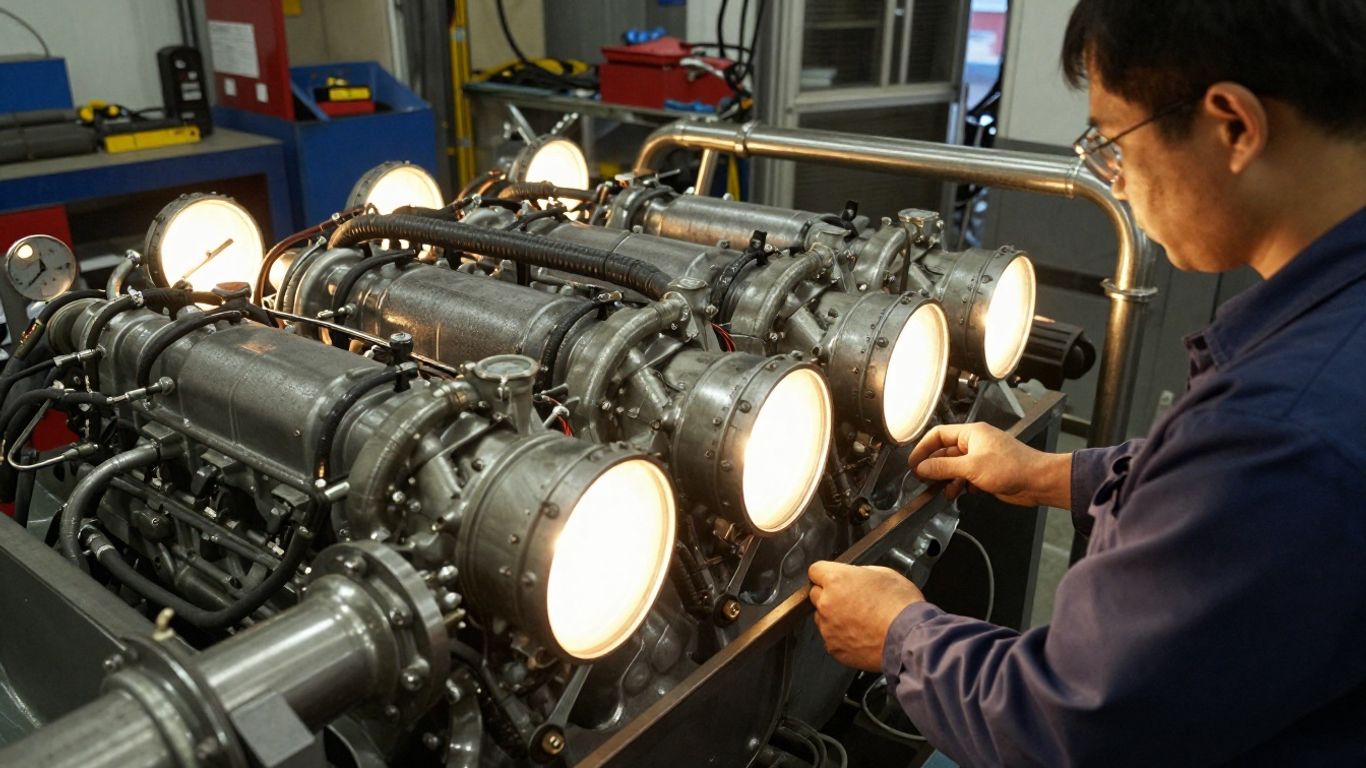
The safest approach is to record what changed, when it changed, and under what load or conditions. Do not continue operating simply to collect more evidence when there is a risk of fire, loss of control, severe overheating, or mechanical destruction.
Performance changes that should not be ignored
Loss of power, uneven output, hard starting, hesitation, and slower response can all signal a developing problem. The change may come from fuel delivery, air flow, ignition, cooling, lubrication, control systems, or an internal mechanical fault. Comparing present behavior with the engine’s normal performance is more useful than judging it against a vague expectation.
Record the load, ambient conditions, operating speed, and duration of the symptom. A performance change that appears only at high load may point an investigation in a different direction from a fault present during starting or idle operation. The pattern gives a specialist a better starting point.
Warning lights, unusual sounds, and excessive vibration
Warning lights should be treated as information, not merely as items to reset. Clicking, knocking, scraping, hissing, hunting, or repeated misfiring can provide clues about timing, bearings, belts, exhaust systems, or combustion. Vibration is similarly significant when it is new, increasing, or linked to a particular speed or load.
Operators should note whether a sound changes with temperature or engine speed and whether vibration is felt through the structure, controls, or surrounding equipment. A short recording can sometimes help a specialist understand the symptom, but it should never replace a safe inspection when the condition is worsening.
Fuel consumption, emissions, and overheating issues
A gradual increase in fuel consumption can indicate reduced efficiency, a control problem, increased friction, changing operating conditions, or an issue in a supporting system. Visible smoke, an unusual exhaust odor, or a change in emissions may also warrant investigation. Overheating is especially important because continued operation can turn a manageable cooling problem into major internal damage.
Look for relationships rather than isolated numbers. Fuel use that rises alongside reduced output is more concerning than a change caused by a known increase in load. Likewise, a temperature increase after a cooling-system service deserves a different review from a one-time reading taken in unusual weather.
Situations that require urgent technical support
Stop or reduce operation according to the equipment’s safety procedures when there is a sudden loss of lubrication pressure, rapid temperature increase, severe vibration, uncontrolled speed, visible fire, heavy smoke, or a loud new mechanical noise. The immediate priority is protecting people and preventing secondary damage. Remote advice may help with safe next steps, but it should not encourage continued operation beyond approved limits.
When contacting support, describe the immediate risk first. Include whether the engine is running, isolated, accessible, or already damaged, then provide the model and the most recent readings. This helps the specialist judge urgency before discussing a full diagnostic path.
How specialists diagnose engine problems
Good diagnosis is a process of narrowing possibilities, not guessing from one symptom. Specialists combine what the operator observed with records, physical evidence, test results, and the conditions under which the fault appeared. They also consider whether recent maintenance or a change in duty could have influenced the result.
The objective is not simply to name a failed part. It is to establish a defensible explanation, identify immediate risks, and recommend work in a sensible order. That approach can prevent unnecessary replacement of components that were affected by, rather than responsible for, the original fault.
Reviewing operating history and maintenance records
Records can reveal trends that are invisible during a single inspection. Useful information includes service dates, operating hours, loads, temperatures, fluid levels, alarms, previous repairs, parts used, and any changes in performance. Fuel quality, storage conditions, environmental exposure, and periods of unusual operation may also matter.
A specialist should compare the current event with earlier records rather than treating it as an isolated incident. Repeated repairs in the same area may indicate an unresolved cause, an unsuitable part, an installation issue, or a maintenance interval that does not match actual use.
Using inspections, testing, and diagnostic equipment
The diagnostic method should fit the engine and the reported symptom. It may involve a visual inspection, fluid sampling, pressure and temperature checks, electrical testing, vibration analysis, borescope work, or manufacturer-approved diagnostic equipment. Testing is most useful when each measurement has a reason behind it.
A reading without context can mislead. Specialists should record the conditions under which a test was taken, the instrument or method used, and how the result compares with a suitable baseline. If the first test does not explain the symptom, the next step should be guided by the evidence rather than by habit.
Separating symptoms from the underlying fault
A failed sensor, for example, may be the cause of a warning or merely the messenger for a deeper pressure, temperature, or control problem. Similarly, smoke, vibration, or low output can have several possible sources. Diagnosis becomes stronger when the specialist tests competing explanations instead of stopping at the first plausible answer.
This is where a clear sequence helps: verify the symptom, identify related systems, test the most likely causes, and confirm the result after corrective work. The sequence also creates a useful record for future maintenance and makes supplier discussions more precise.
Confirming repair priorities and likely outcomes
Once the evidence is assembled, the specialist should separate immediate safety actions from short-term repairs and longer-term recommendations. Some work may be essential before the engine can return to service. Other work may be advisable while access is already available, but not necessary for safe operation today.
A practical diagnostic report explains the fault, supporting evidence, recommended action, expected result, and remaining uncertainty. It should also identify what could happen if the work is postponed. That gives decision-makers a clearer basis for approving the next step.
Choosing the right engine support provider
The best provider is not necessarily the one with the broadest service list. It is the one that understands the engine, the operating context, the consequences of downtime, and the limits of the evidence available. Technical depth matters, but so do communication, availability, documentation, and a willingness to explain uncertainty.
Before appointing anyone, define the problem you need solved. A provider suited to a pre-purchase inspection may not be the right choice for emergency field work, and a repair contractor may not provide independent advice about whether a repair is commercially sensible.
Matching technical expertise to your engine and industry
Start with the engine model, application, duty cycle, location, and regulatory environment. Ask for examples of comparable work without requesting confidential customer information. A provider familiar with the same type of equipment will usually understand the relevant failure patterns, records, service constraints, and operating risks more quickly.
The commercial setting matters too. An owner managing a single engine may need practical troubleshooting, while a lessor or fleet manager may need support with inspection, contract review, shop visit management, or asset decisions. The scope should match the decision in front of you.
Checking qualifications, experience, and service coverage
Look for evidence of relevant training, technical experience, documented procedures, and appropriate insurance. Confirm who will actually perform the work and whether the named specialist is available for the duration of the assignment. A polished proposal is less useful if it does not identify responsibilities, deliverables, and escalation routes.
Coverage includes more than geography. Ask whether the provider can support the required application, inspect the necessary records, coordinate with other parties, and return clear written findings. When work is performed at another facility, clarify who controls access, tooling, parts, and quality checks.
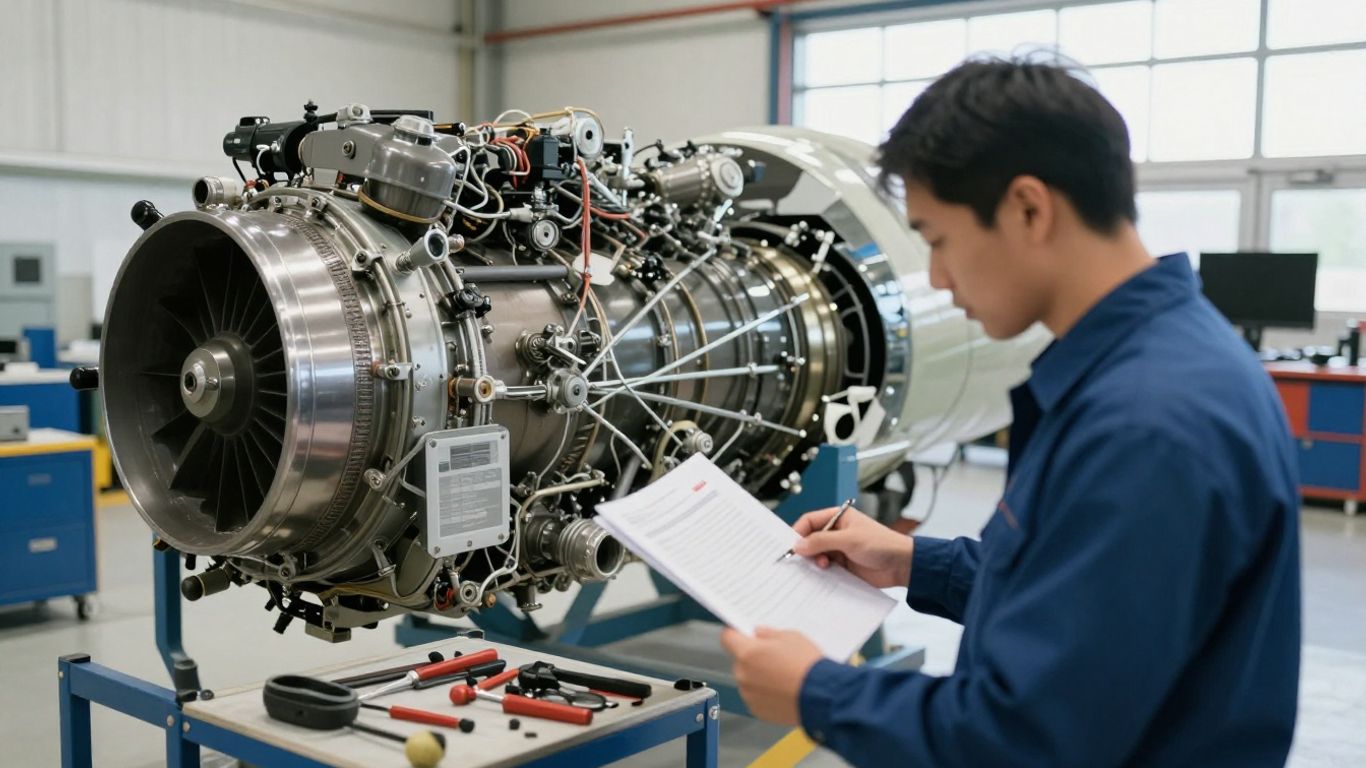
Evaluating response times and emergency availability
Response time should be defined rather than implied. Find out how quickly an initial call is returned, when a remote review can begin, how an on-site visit is arranged, and whether support is available outside normal business hours. Also ask what emergency support includes: advice only, dispatch coordination, inspection, repair supervision, or another defined service.
A realistic provider will explain what information is needed before advice can be given and what situations require physical attendance. That honesty is more useful than a promise of instant resolution, particularly when safety or specialist tooling is involved.
Comparing independent specialists with manufacturer support
Manufacturer support can be appropriate when the issue requires proprietary procedures, model-specific technical data, or an established warranty route. An independent specialist may be valuable when you need an additional assessment, broader commercial perspective, or help comparing options across the life of an asset. The choice depends on the question being asked, not on a simple rule about one type of provider.
TGIS Aviation’s specialist Engine Powerplant Team provides technical support and guidance across commercial engine types and supports organizations buying, leasing, selling, or maintaining engines. That documented scope makes it relevant to engine management decisions as well as maintenance discussions, while the precise assignment should still be agreed in writing.
Making remote and on-site engine support work effectively
Remote support works best when the specialist receives organized, trustworthy information. It can help sort urgent from non-urgent conditions, guide basic checks, review records, and prepare a site visit. It cannot safely replace physical inspection when the evidence points to internal damage, a hazardous condition, or a fault that cannot be reproduced remotely.
The quality of the first exchange often determines how quickly the problem moves forward. A concise summary, reliable readings, and clear photographs are more useful than a long account with no timeline.
What information to provide before contacting a specialist
Prepare the engine make and model, serial number if available, location, operating hours, recent work, current load, alarm codes, fluid levels, temperatures, and a description of what changed. Include photographs of the installation and any visible leak, damage, or contamination. Say whether the engine is operating, isolated, or unsafe to approach.
It helps to gather the information in a consistent order:
- Identify the equipment and its present operating status.
- Describe the first symptom and the conditions when it appeared.
- List recent maintenance, repairs, part changes, or unusual operating events.
- Provide readings, alarm codes, photographs, and relevant records.
This preparation reduces repeated questions and gives the specialist a usable timeline. It also highlights missing information early, before anyone commits to an unrealistic diagnosis.
How remote troubleshooting can reduce downtime
A remote consultation can help an operator verify safe isolation, check obvious external conditions, interpret an alarm, or decide whether continued operation is acceptable under an approved procedure. It may also allow the specialist to review a service report or repair quotation before work begins. These steps can shorten the path to a properly equipped site visit.
Remote advice should be documented. Record the instructions given, the readings taken, the person who performed each check, and any limits placed on operation. If the symptom changes, stop relying on an earlier assessment and report the new condition.
TGIS Aviation provides technical support and guidance across commercial engine types, including support for organizations maintaining engines. Where the question concerns engine management rather than a physical repair, that kind of technical review can help an organization organize its next decision before committing resources.
When an on-site inspection is necessary
Physical attendance is generally needed when the fault involves internal condition, structural damage, unsafe leakage, persistent vibration, unexplained overheating, contamination, or a symptom that cannot be reproduced reliably. It is also sensible when access, installation geometry, or connected systems may be influencing the engine.
An on-site specialist can observe the equipment in context, verify readings, inspect surrounding components, and speak directly with operators. The visit should end with a defined record of findings, immediate controls, recommended tests, and any parts or tooling required for the next stage.
Preparing equipment, access, and safety documentation
Before the visit, confirm isolation procedures, access permissions, lifting arrangements, lighting, ventilation, permits, and personal protective equipment. Gather manuals, drawings, previous reports, service records, and site safety requirements. If the engine is installed in a confined or controlled area, explain those restrictions before the specialist arrives.
Good preparation protects people and saves time. It also prevents a situation where the specialist reaches the equipment but cannot inspect it, run an approved test, or speak with the person who knows its operating history.
Building a proactive engine maintenance strategy
Proactive maintenance is not simply doing more work more often. It means using operating conditions, performance history, inspection findings, and manufacturer guidance to decide what attention is justified. The plan should protect reliability without creating unnecessary intervention or cost.
A useful strategy is shared by maintenance staff, operators, managers, and anyone approving repairs. Each group sees different evidence, and small observations are easier to connect when they are recorded consistently.
Setting service intervals based on use and operating conditions
Service intervals should reflect operating hours, starts and stops, load profile, environment, fuel and lubricant conditions, seasonal demand, and consequences of failure. An engine working intermittently in a clean environment may need a different approach from one exposed to dust, salt, heavy loads, or frequent short cycles.
Use the manufacturer’s requirements as a foundation, then document any justified adjustment. Intervals should be reviewed after major repairs, changes in duty, repeated faults, or evidence that a component is wearing earlier than expected.
Tracking performance data and recurring faults
Trend data can reveal deterioration before a failure becomes obvious. Depending on the application, useful measures may include fuel use, temperature, pressure, vibration, output, alarm frequency, starting behavior, and fluid condition. The value comes from consistent measurement under comparable conditions.
A recurring-fault register should capture the date, symptom, operating context, diagnosis, action taken, parts used, and result. If the same issue returns, the record makes it easier to challenge an incomplete repair or investigate a deeper cause.
Managing replacement parts and wear components
Parts planning should account for lead times, storage conditions, shelf life, compatibility, and the cost of holding stock. Critical wear components may deserve a defined minimum quantity when a failure would cause disproportionate downtime. Less critical items can often be ordered when inspection findings justify replacement.
Do not treat every inexpensive part as interchangeable. Confirm specification, application, traceability, and installation requirements. A cheaper item that fails early can create more cost through labor, disruption, and secondary damage.
Training operators to identify early warning signs
Operators are often the first people to notice a change. Training should cover normal sounds, temperatures, pressures, exhaust appearance, starting behavior, fluid checks, alarm response, and the point at which operation must stop. It should also explain how to record observations without guessing at the diagnosis.
Short, practical routines usually work better than dense manuals. Ask operators to report facts, preserve alarm information, follow isolation procedures, and escalate patterns even when the engine is still running. That habit supports earlier technical review.
Understanding the cost and value of specialist engine advice
The price of technical advice is only one part of the decision. A sound assessment may prevent unnecessary parts, reduce repeated labor, shorten downtime, or stop a worsening fault before it damages connected equipment. Its value is clearest when the recommendation is tied to evidence and a defined business consequence.
Cost comparisons should include the full decision horizon. A quick repair may be attractive today but poor value if it leaves a known underlying problem, while a larger intervention may be justified if it restores predictable service and reduces repeated disruption.
Comparing repair costs with downtime and replacement costs
Estimate more than the invoice for labor and parts. Include lost production or availability, transportation, specialist travel, temporary equipment, expedited freight, inspection delays, and the cost of rescheduling related work. For a critical asset, even a short interruption can change the preferred option.
A simple comparison can clarify the discussion:
| Option | Immediate cost | Downtime exposure | Main uncertainty |
|---|---|---|---|
| Targeted repair | Lower to moderate | Often shorter | Whether the underlying cause is fully resolved |
| Rebuild or major overhaul | Moderate to high | Longer and planned | Final condition found after disassembly |
| Replacement | High upfront | Depends on availability and installation | Procurement, fit, and integration timing |
The table is not a substitute for an engineering assessment. It is a way to make assumptions visible, so decision-makers can test whether the cheapest immediate option remains sensible once downtime and uncertainty are included.
Identifying estimates, exclusions, and hidden charges
Ask whether the estimate includes inspection, disassembly, cleaning, testing, travel, lifting, consumables, parts, taxes, shipping, storage, documentation, and return-to-service checks. Clarify which findings would trigger a variation and who must approve additional work. Written exclusions are easier to manage than surprises discovered after the equipment is opened.
Also establish the expected deliverables. A quotation may cover physical repair but not a condition report, failure analysis, follow-up inspection, or repair supervision. Knowing that distinction prevents an apparently complete price from being compared with a broader scope.
Deciding between repair, rebuild, and replacement
A targeted repair may suit a localized and well-understood fault in an otherwise healthy engine. A rebuild deserves consideration when condition is uncertain, several related components are worn, or access makes repeated intervention impractical. Replacement may be more appropriate when parts support is limited, the engine no longer fits the duty, or future reliability cannot be justified.
The decision should consider remaining useful life, availability of parts and expertise, installation changes, warranty, compliance, and the consequences of another failure. Technical evidence and commercial priorities need to be considered together rather than in separate conversations.
Measuring reliability improvements after support work
Follow-up closes the loop. Compare post-repair performance with the baseline, confirm that the original symptom has disappeared, and monitor related readings for a reasonable period. Record downtime avoided, repeat faults, maintenance hours, fuel or operating changes, and any unresolved limitations.
TGIS Aviation supports organizations buying, leasing, selling, or maintaining engines through technical support and guidance across commercial engine types. When that support informs an engine-management decision, its usefulness should be judged by the quality of the decision and the clarity of the resulting records, not by an assumed guaranteed outcome.
Conclusion
Specialist engine support and advice is most useful when it connects careful observation with disciplined diagnosis and practical decision-making. By recording early warning signs, choosing expertise that matches the application, preparing for remote or on-site support, and comparing total costs rather than invoice prices alone, owners and operators can make more confident choices about safety, maintenance, repair, and reliability.