Looking for the best place to buy engine and transmission parts online in 2025? It can feel like a big task, right? You want something reliable without breaking the bank. Whether you’re a DIYer or just need a replacement part, knowing where to look makes all the difference. We’ve checked out some options to help you find what you need for your car’s engine and transmission.
Key Takeaways
- Car Part Planet offers a wide selection of remanufactured, used, and new OEM engine and transmission parts, focusing on quality and value. Many parts come with warranties.
- Jasper Engines & Transmissions, a long-standing remanufacturer since 1942, is known for its quality powertrain products and offers a nationwide warranty on many items.
- When considering engines, options range from remanufactured (rebuilt to like-new condition) and used (economical, inspected) to new OEM crate engines (factory-built, dealer-serviceable) and aftermarket performance engines (for enhanced power).
- For transmissions, similar choices exist: remanufactured (disassembled, rebuilt with new parts), used (affordable, inspected), new OEM crate (direct factory replacements), and aftermarket performance (designed for better shifting and durability with higher power).
- Finding the right part is simplified by searching by vehicle year, make, and model, or by using VIN lookup for precise matching, ensuring compatibility for your engine or transmission needs.
1. Car Part Planet
Car Part Planet is a pretty solid place to start when you’re hunting for engine or transmission parts online. They’ve been around for a while, and they really focus on giving you options. You can find pretty much any kind of powertrain component you need here, whether it’s remanufactured, used, or even new OEM crate parts. They aim to cover the whole drivetrain, which is handy.
Here’s a quick look at what they generally have:
- Remanufactured Engines & Transmissions: These are rebuilt to be like new, often coming with good warranties. They’re usually a more budget-friendly choice than brand new parts.
- Used Engines & Transmissions: If you’re really trying to save money, their used parts are inspected and vetted. They focus on giving you details like mileage and a visual check.
- New OEM Crate Engines & Transmissions: These are factory-built and should fit your vehicle without much fuss. They usually come with the manufacturer’s warranty.
- Aftermarket Performance Engines & Transmissions: If you’re looking to boost your car’s power or maybe get better fuel economy, these can be a good option, sometimes at a better price point than OEM.
They also mention having transfer cases and differentials, so it’s a pretty complete stop for your drivetrain needs. They even talk about a warranty program that can go up to 7 years or 1 million miles on remanufactured items, which is pretty impressive if it’s true for everything they sell.
Finding the right part can feel overwhelming, especially when you’re dealing with a major repair. Car Part Planet tries to simplify that by offering a wide selection and clear categories, so you’re not just stuck with whatever your local mechanic suggests.
2. Jasper Engines & Transmissions
Jasper Engines & Transmissions has been around since 1942, so they’ve definitely seen a thing or two when it comes to rebuilding engines and transmissions. They’re pretty big, calling themselves the nation’s leading remanufacturer of powertrain products. That’s a lot of parts they’ve put back on the road.
When you’re looking at Jasper, you’re mostly looking at remanufactured stuff. They take old engines and transmissions, break them down, clean everything up, and replace worn-out parts with new ones. They even do some testing before they let them out the door. It’s not just a quick fix; they aim to make them as good as, or even better than, the original.
Here’s a quick look at what they focus on:
- Gas Engines: They rebuild a lot of these for different vehicles.
- Diesel Engines: If you’ve got a diesel, they handle those too, including popular brands like Cummins.
- Transmissions: They go through the whole process of taking them apart, cleaning, and rebuilding.
- Differentials: They also offer remanufactured differentials for rear-wheel-drive vehicles.
One thing that stands out is their warranty. For many of their products, they offer a parts and labor warranty that can be used nationwide. This is a pretty big deal because it means if something goes wrong, you’re not stuck trying to find a shop that will cover it, and you’re not paying out of pocket again.
They also have a bunch of locations across the country, which makes it easier to find a dealer or an installer if you need one. It seems like they put a lot of effort into making sure their rebuilt parts are reliable, and that’s something you want when you’re buying a major component like an engine or transmission.
3. Remanufactured Engines
When your car’s engine has seen better days, a remanufactured option can be a really smart choice. Think of it like this: it’s not just a used engine that’s been patched up. A remanufactured engine has been completely taken apart, cleaned, inspected, and then rebuilt with new parts where needed. It’s basically brought back to its original factory specs, or sometimes even better.
This process means you’re getting something that performs like new, but usually at a lower cost than a brand-new OEM crate engine. It’s a good middle ground if you want reliability without breaking the bank.
Here’s what you can generally expect:
- Complete Disassembly and Cleaning: Every single part is taken out and cleaned thoroughly.
- Inspection and Replacement: Components are checked for wear and tear. Any part that doesn’t meet strict standards gets replaced with new or re-qualified parts.
- Reassembly and Testing: The engine is put back together and then tested to make sure it runs right.
Many remanufactured engines come with solid warranties, often covering several years or a significant number of miles, which gives you a lot of peace of mind. This warranty is a big deal because it shows the rebuilder stands behind their work. It’s a way to get a dependable engine that’s ready for many more miles on the road.
Choosing a remanufactured engine means you’re opting for a product that has been restored to a high standard. It’s a responsible choice that can save you money while still providing a reliable heart for your vehicle. The focus is on quality and durability, making it a strong contender for many car owners.
4. Used Engines
Looking for a budget-friendly way to get your car back on the road? A used engine might be just the ticket. These engines have been pulled from other vehicles and are typically much cheaper than new or even remanufactured options. While they’ve got some miles on them, reputable sellers will have them inspected and tested to make sure they’re still in good working order. It’s a great way to save some serious cash if you’re not looking to break the bank.
When you’re shopping around for a used engine, keep a few things in mind:
- Mileage: Always ask for the mileage on the engine. Lower is generally better, but condition is more important than just the number.
- Condition Report: See if the seller provides a report detailing any tests or inspections done on the engine. This gives you a better idea of its health.
- Warranty: Even used engines sometimes come with a limited warranty. It might not be long, but it can offer some peace of mind.
- Source: Try to buy from a seller who specializes in used auto parts. They usually have a better process for checking and selling these components.
Finding a good used engine can sometimes feel like a treasure hunt, but the savings can be substantial. You can often find a wide variety of options available, from common car models to more specialized vehicles. Just remember to do your homework and ask plenty of questions before you buy.
Buying a used engine means you’re getting a component that has already seen some use. The key is to find one that has been well-maintained or properly inspected before being put up for sale. This approach can significantly reduce the risk associated with purchasing a pre-owned powertrain part.
There are many places to look for these parts, and some online retailers offer a decent selection. You might find anything from a basic commuter car engine to something a bit more robust, depending on what’s available. It’s worth checking out places that list a lot of different engine options for sale to see what fits your needs and budget.
5. New OEM Crate Engines
When you need a brand-new engine that’s guaranteed to fit and function just like the original, a new OEM crate engine is the way to go. These are factory-built units, meaning they come straight from the manufacturer, so you know you’re getting the real deal. This often means they come with the manufacturer’s warranty, which is a big plus for peace of mind. You can usually get them serviced at any dealership, which makes things pretty convenient if you run into any issues down the road.
Think of it like buying a new part directly from the car company itself. It’s not rebuilt or modified; it’s fresh from the factory floor. This usually translates to a hassle-free installation because it’s designed specifically for your vehicle’s make and model. While they can be more expensive than other options, the reliability and warranty coverage often make them a solid choice for many car owners.
Here’s a quick rundown of what to expect:
- Direct Fit: Designed specifically for your vehicle’s make, model, and year.
- Manufacturer Warranty: Typically covered by the original manufacturer’s warranty.
- Dealership Service: Can usually be serviced at any authorized dealership.
- Reliability: Brand new, never used, offering top-tier dependability.
Choosing a new OEM crate engine means you’re opting for the highest level of certainty regarding compatibility and performance, straight from the source. It’s a straightforward replacement that aims to restore your vehicle to its original factory condition without any guesswork.
6. Aftermarket Performance Engines
So, you’re looking to squeeze a bit more oomph out of your ride? That’s where aftermarket performance engines come into play. These aren’t your standard factory replacements; they’re built with upgrades in mind, aiming to boost horsepower, torque, and sometimes even fuel efficiency. Think of them as the tuned-up versions of your car’s heart.
These engines are specifically designed for vehicles that are pushing more power or for drivers who want a more spirited driving experience. They often use stronger internal components, improved airflow designs, and sometimes different compression ratios to achieve their performance goals. It’s a way to get more out of your existing vehicle without necessarily buying a whole new car.
When you’re shopping for one, you’ll find a range of options. Some are built for mild upgrades, while others are for serious enthusiasts looking for track-day power. It’s important to match the engine to your driving needs and the capabilities of your vehicle’s chassis and drivetrain.
Here’s a quick rundown of what to consider:
- Purpose: Are you looking for a daily driver with a bit more pep, or a weekend warrior for the track?
- Compatibility: Make sure the engine fits your vehicle’s make, model, and year, and that your existing transmission and other components can handle the extra power.
- Brand Reputation: Look into manufacturers known for quality and reliability in the performance engine space.
- Warranty: Performance parts can sometimes have different warranty structures than standard parts, so understand what’s covered.
Choosing an aftermarket performance engine means you’re stepping beyond the standard. It’s about tailoring your vehicle’s power to your specific desires, whether that’s for quicker acceleration, better towing, or just a more engaging drive. Just be sure to do your homework to find the right fit for your car and your driving style.
7. Remanufactured Transmissions
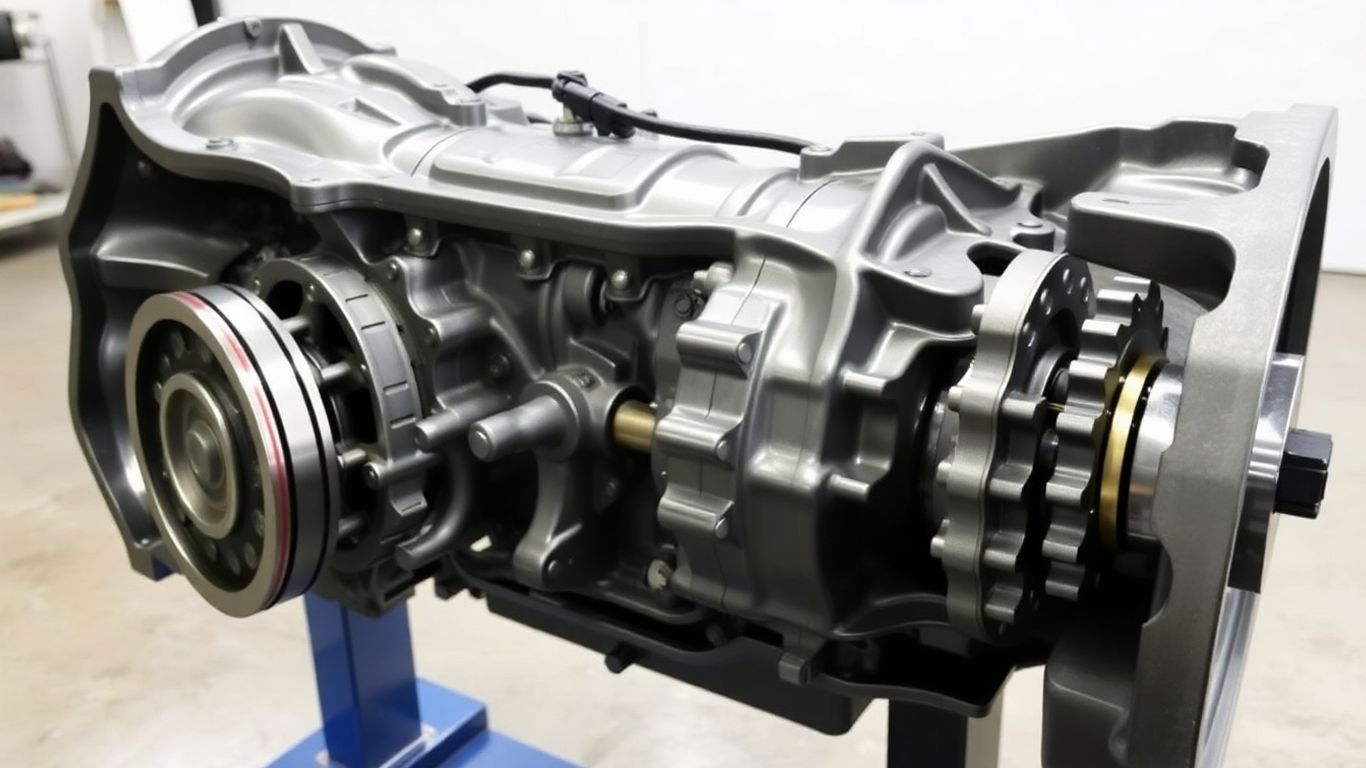
When your car’s transmission starts acting up, it’s a real headache. You’ve got options, and one of the best is a remanufactured transmission. Think of it like this: it’s not just a used part someone slapped back together. These transmissions are taken apart completely, every single piece is checked out, and then they’re rebuilt using new, quality parts. This process aims to make them as good as, or even better than, when they first rolled off the assembly line.
Why go remanufactured? Well, it’s a solid middle ground. You get a unit that’s been professionally restored, often with better components than the original, and it usually comes with a decent warranty. This gives you peace of mind that you’re not just buying a temporary fix.
Here’s a quick look at what you can expect:
- Complete Disassembly: Every transmission is taken down to its core components.
- Thorough Inspection: Each part is checked for wear and tear.
- Rebuilding with New Parts: Worn-out bits are replaced with fresh, high-quality replacements.
- Testing: The rebuilt unit is tested to make sure it performs correctly.
When you’re shopping around, look for details about the warranty. Some places offer warranties that can last for years or even hundreds of thousands of miles, which is a pretty good sign they stand behind their work. It’s a smart choice if you want reliability without the brand-new price tag.
8. Used Transmissions
Looking for a more budget-friendly option for a replacement transmission? Used transmissions can be a good way to go. They’re not new, obviously, but they can still get the job done without breaking the bank. When you’re shopping around for a used transmission, it’s super important to find a seller that actually checks them out before they sell them.
A used transmission can be a smart choice if you need a functional replacement without the cost of a new or remanufactured unit. You’re basically getting a transmission that’s been pulled from another vehicle, and hopefully, it’s still got plenty of life left in it. It’s kind of like buying a used appliance – you hope it works well, but there’s always a bit of a gamble involved.
Here’s what you should look for:
- Inspection Reports: Ask if the seller has any documentation showing the transmission was inspected. This might include mileage records or a basic check of its condition.
- Seller Reputation: Stick with reputable online stores or salvage yards that have good reviews. People are more likely to be honest if they want repeat business.
- Warranty (if any): Some places might offer a very short warranty, like 30 days, on used parts. It’s not much, but it’s better than nothing if something goes wrong right away.
Buying a used transmission means you’re accepting a certain level of risk. It’s a trade-off for the lower price. Make sure you know what you’re getting into and that the seller is upfront about the condition of the part.
9. New OEM Crate Transmissions
When you need a transmission that’s guaranteed to fit and function exactly like the original, a new OEM crate transmission is the way to go. These aren’t rebuilt or used parts; they’re brand new, straight from the factory, and designed specifically for your vehicle’s make and model. Think of it as getting a factory-fresh start for your car’s drivetrain.
These transmissions offer the highest level of compatibility and reliability because they are manufactured to the exact specifications set by your vehicle’s maker. This means you won’t have to worry about fitment issues or unexpected performance quirks. Plus, since they’re OEM, you can often get them serviced at any dealership, which is a nice bit of peace of mind.
Here’s what you can expect:
- Direct Fit: Designed to integrate perfectly with your existing vehicle components.
- Manufacturer Warranty: Typically covered by the original manufacturer’s warranty, offering protection and support.
- Peak Performance: Restores your vehicle’s original shifting performance and efficiency.
- Reliability: Built with new components to ensure long-term durability.
While they might come with a higher price tag compared to used or remanufactured options, the certainty of a perfect fit and factory-backed quality is often worth the investment, especially if you plan on keeping your vehicle for a long time. For certain applications, like upgrading a 2020-2024 diesel vehicle, a new OEM crate transmission can be a solid choice for improved capabilities. You can find these at various online retailers specializing in new OEM crate transmissions.
Choosing a new OEM crate transmission means you’re opting for the most straightforward replacement. It’s the closest you can get to having the original transmission installed in your car when it first rolled off the assembly line. This eliminates guesswork and potential compatibility headaches.
10. Aftermarket Performance Transmissions and more
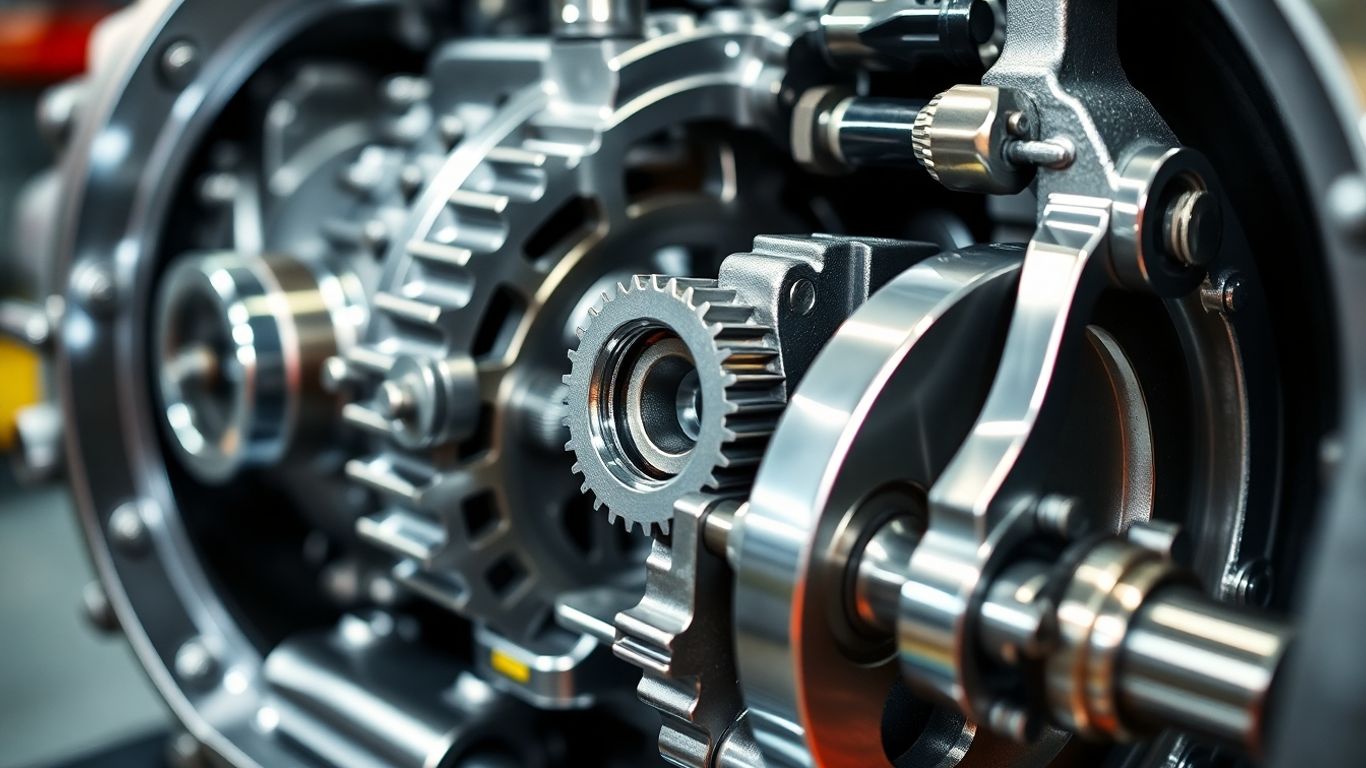
When you’re looking to really push your vehicle’s limits, aftermarket performance transmissions are where it’s at. These aren’t your standard, everyday transmissions. They’re built with tougher materials and designed for quicker, more precise shifts. This means your engine can spend more time in its sweet spot, making more power and getting you up to speed faster.
Think about it: if you’ve upgraded your engine to make more horsepower, a stock transmission might just give up. Performance transmissions are designed to handle that extra grunt. They can also improve how efficiently power gets from the engine to the wheels, so less power is wasted.
Here’s a quick look at what you might find:
- Manual Performance Transmissions: These give you that direct connection and control, often with stronger gears and synchros for aggressive driving.
- Automatic Performance Transmissions: These are beefed up to handle more torque and shift much faster than stock automatics, sometimes with programmable features.
- Dual-Clutch Transmissions (DCTs): While often factory-equipped on performance cars, aftermarket versions can offer even faster shifts and more durability.
Beyond just transmissions, this category often includes related performance drivetrain parts. You might find:
- Performance Transfer Cases: For AWD or 4WD vehicles, these can handle more power and offer better durability for off-roading or track use.
- Performance Differentials: These help manage the power going to your wheels, especially during hard acceleration or cornering, preventing wheel hop and improving traction.
Cost Considerations:
| Type of Transmission | General Price Range |
|---|---|
| Manual Performance | $1,500 – $4,000+ |
| Automatic Performance | $2,000 – $5,000+ |
| Specialized/High-End DCTs | $5,000 – $10,000+ |
Remember, these prices are just for the unit itself. Installation and any other necessary supporting mods will add to the total cost. It’s a significant investment, but for serious performance builds, it’s often a necessary one to get the most out of your vehicle.
Wrapping It Up
So, when it comes to getting your car back on the road with a new engine or transmission, you’ve got options. We looked at a few places that really stand out, like Car Part Planet, which offers a huge selection from used to remanufactured, and Jasper Engines & Transmissions, a big name with a long history. Remember to check what kind of warranty you’re getting – that’s super important. Whether you’re trying to save some cash with a used part or want something rebuilt to last, doing a little homework online can save you a lot of headaches and money. Happy hunting for that perfect powertrain part!
Frequently Asked Questions
What’s the difference between a remanufactured and a used engine?
A remanufactured engine is like a brand-new engine. It’s taken apart, cleaned, and rebuilt with new parts to be as good as or even better than the original. A used engine is just that – an engine that’s been in another car. It’s checked for quality, but it’s not rebuilt with new parts.
Are new OEM crate engines a good choice?
Yes, new OEM crate engines are a great option if you want a part that’s made directly by your car’s manufacturer. They are designed to fit perfectly and usually come with a warranty that can be used at any dealership, making them hassle-free.
Can aftermarket performance engines make my car faster?
Absolutely! Aftermarket performance engines are made to give your car more power and sometimes even better gas mileage. They’re often a less expensive way to upgrade your vehicle’s performance compared to other options.
What makes Jasper Engines & Transmissions stand out?
Jasper has been around since 1942 and is a leading company that rebuilds engines and transmissions. They focus on quality and offer a good warranty, like their 3-year/100,000-mile coverage on many products. They have many locations and a strong reputation.
How do I know if I need a new transmission?
A healthy transmission is key for smooth and safe driving. If you’re experiencing rough shifting, slipping gears, or strange noises, it might be time to look into a replacement. Options range from rebuilt (remanufactured) to used or new OEM parts.
What’s the main benefit of buying parts online?
Buying engine and transmission parts online, like from Car Part Planet, often means you can find exactly what you need at a better price. You have a wider selection, and many online stores offer good warranties and quality checks, giving you more choices and value.