

Key Takeaways
A successful engine shipment starts with clear expectations and careful preparation. The details you confirm before pickup can make the trip easier to coordinate and any delivery issue easier to address.
- Choose a shipment method that fits the engine, access at both ends, and your schedule.
- Compare what each quote includes, including equipment, insurance terms, and possible extra fees.
- Drain fluids, protect vulnerable parts, and secure the engine to a suitable pallet or crate.
- Confirm pickup and delivery details in writing and keep shipment records together.
- Inspect the engine before signing, noting any visible damage on the delivery receipt.
How nationwide engine shipping works
Nationwide engine shipping usually involves arranging a pickup, moving the engine through a carrier’s network or by direct transport, and completing delivery at an agreed location. The process varies with the engine’s size, how it is packaged, and whether the pickup and destination can accommodate freight equipment. Before booking, clarify who will handle loading and what the receiver needs to do when the shipment arrives. Those details help prevent avoidable delays on both ends.
Pickup options for private sellers and businesses
A private seller may need a carrier to collect a pallet from a home or workshop, while a business might have a loading dock and staff who handle freight regularly. Pickup availability depends on the carrier’s service and the access conditions at the address, so describe the site rather than assuming a standard truck can reach it. Mention gates, narrow roads, stairs, limited hours, or the lack of a forklift. Clear information lets the carrier confirm what equipment or assistance may be needed.
Freight terminals versus door-to-door delivery
Terminal service can suit a shipment when the sender and receiver can each arrange a trip to a freight location. Door-to-door service can reduce that travel, but it still depends on truck access and whether the delivery point can safely accommodate the vehicle and freight. Ask whether the quoted service means delivery to the curb, a loading dock, or another specific point. The distinction matters: “door-to-door” does not necessarily mean the carrier will move an engine inside a building or unload it without suitable equipment.
What happens during transit and delivery
After pickup, the engine may travel directly or pass through freight facilities, depending on the service arranged. Transit estimates are planning windows, not a reason to leave the receiver uninformed; share the expected delivery period and make sure someone can respond to carrier updates. At delivery, the receiver should check the packaging and visible condition before signing. A few minutes spent on inspection can preserve useful information if the shipment arrives with damage.
How to choose an engine shipping provider
A reliable choice is not necessarily the provider with the lowest number on the first quote. Match the service to the engine’s size, packaging, route, and the practical conditions at pickup and delivery. Then compare the written terms, including what protection is available if something goes wrong. A clear scope of service is easier to assess than a broad promise without specifics.
Compare service coverage and equipment
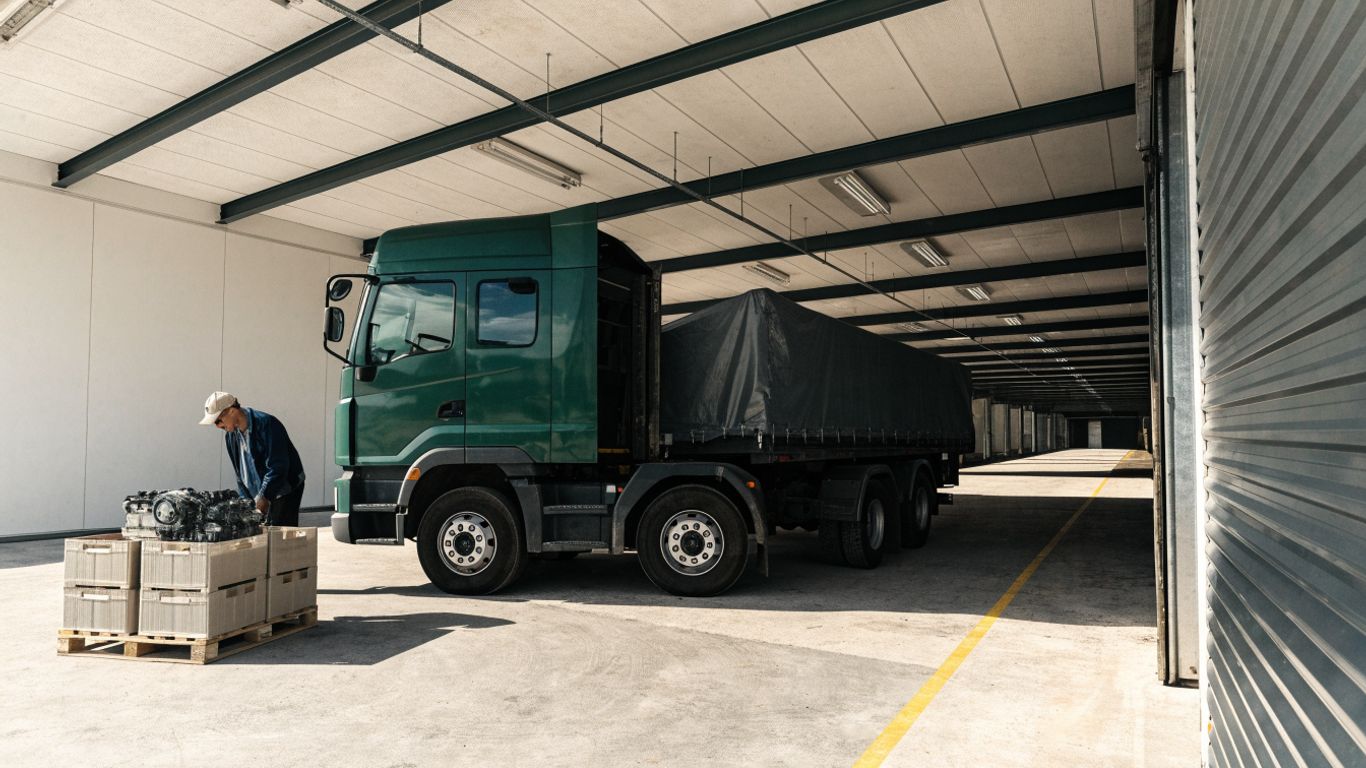
Ask whether the provider serves both addresses and whether the route, timing, and pickup method suit your shipment. Explain the engine’s dimensions and packaging, and ask what equipment the carrier expects to use for loading and unloading. If the engine is crated or palletized, describe how it is secured and whether it can be handled by standard freight equipment. A provider’s answers should make it clear what you need to arrange yourself.
Check insurance, liability limits, and claims procedures
Before committing, read the written terms for cargo protection, liability limits, exclusions, and the steps required to report a problem. Do not assume a carrier’s liability equals the engine’s full replacement value; ask how coverage is calculated and what documentation may be required. Confirm how quickly visible damage must be reported and whether the receiver needs to note it on the delivery receipt. Knowing the process beforehand leaves less guesswork if an issue arises.
Evaluate quotes beyond the advertised price
Compare quotes using the same shipment details and service level, or the figures may not be comparable. Check whether the price includes pickup, delivery, fuel-related charges, terminal handling, and any requested loading or unloading assistance. A simple comparison can help identify what is included and what still needs confirmation.
| Quote detail | What to confirm |
|---|---|
| Pickup and delivery | Addresses, service type, and access requirements |
| Handling | Loading, unloading, and equipment expectations |
| Timing | Estimated transit window and appointment arrangements |
| Protection | Liability terms, exclusions, and claim steps |
Once you have those answers, compare the full cost and the responsibilities assigned to you, not just the headline price. If an item is unclear, request written clarification before booking.
How to prepare an engine for transport
Good preparation protects the engine and helps the carrier handle it as planned. Follow any instructions provided by the carrier, since packaging and acceptance requirements can vary. Before pickup, allow enough time to drain fluids, secure loose parts, and make the assembly stable for handling. Take photographs as you work so you have a record of the engine and its packaging.
Drain fluids and secure loose components
Remove fluids as appropriate for the engine and the carrier’s requirements, and make sure any remaining fluid is contained. Fluids can leak during handling or transit, potentially affecting the engine’s packaging and other freight. Detachable accessories and loose components should be secured separately or fastened so they cannot shift. A quick final check helps catch small items that might otherwise be overlooked.
A short preparation pass can help keep the shipment tidy and easier to inspect. Consider checking these points before wrapping or crating the engine:
- Drain fuel, oil, coolant, and other fluids as required for the shipment.
- Close or cover fluid openings after draining.
- Remove or secure loose accessories and hardware.
- Keep detached parts together and identify them for the receiver.
Use the carrier’s specific instructions if they differ from general preparation advice. Good containment and secure parts reduce the risk of leaks or movement, but they do not replace suitable packaging.
Protect openings, sensors, and exposed surfaces
Cover ports and openings with suitable protective caps or coverings to help keep out dirt and prevent incidental contact. Pay attention to sensors, connectors, wiring ends, and protruding components that could be struck or snagged. Use padding that will stay in place during handling, and avoid placing pressure on fragile parts. The goal is to protect vulnerable areas without hiding damage that should be documented before shipment.
Mount the engine safely on a pallet or shipping crate
The engine needs a stable base that can support its weight and withstand ordinary freight handling. Secure it to a suitable pallet or inside a crate, keeping the load balanced and preventing it from sliding or tipping. Do not rely on straps around delicate components; use secure points appropriate for the engine and packaging. If you are unsure whether the base or fastening method is adequate, ask the carrier what it will accept before pickup is scheduled.
What affects shipping costs and delivery times
Shipping prices and delivery estimates depend on more than the distance between two cities. The engine’s size, the route, the type of service, and the work required at either address can all affect the quote. Timing can also shift when a pickup needs an appointment or when the locations have limited access. Share accurate details early so estimates reflect the shipment you are actually arranging.
Distance, route, and delivery location
A longer route generally involves more transport, but route conditions and the exact delivery point matter too. A location near a frequently served freight corridor may be easier to reach than a remote site with restricted truck access. Ask whether the estimate is based on the addresses you provided and whether either location could trigger a different service arrangement. A terminal option may be worth comparing when direct access is difficult or unavailable.
Engine weight, dimensions, and packaging
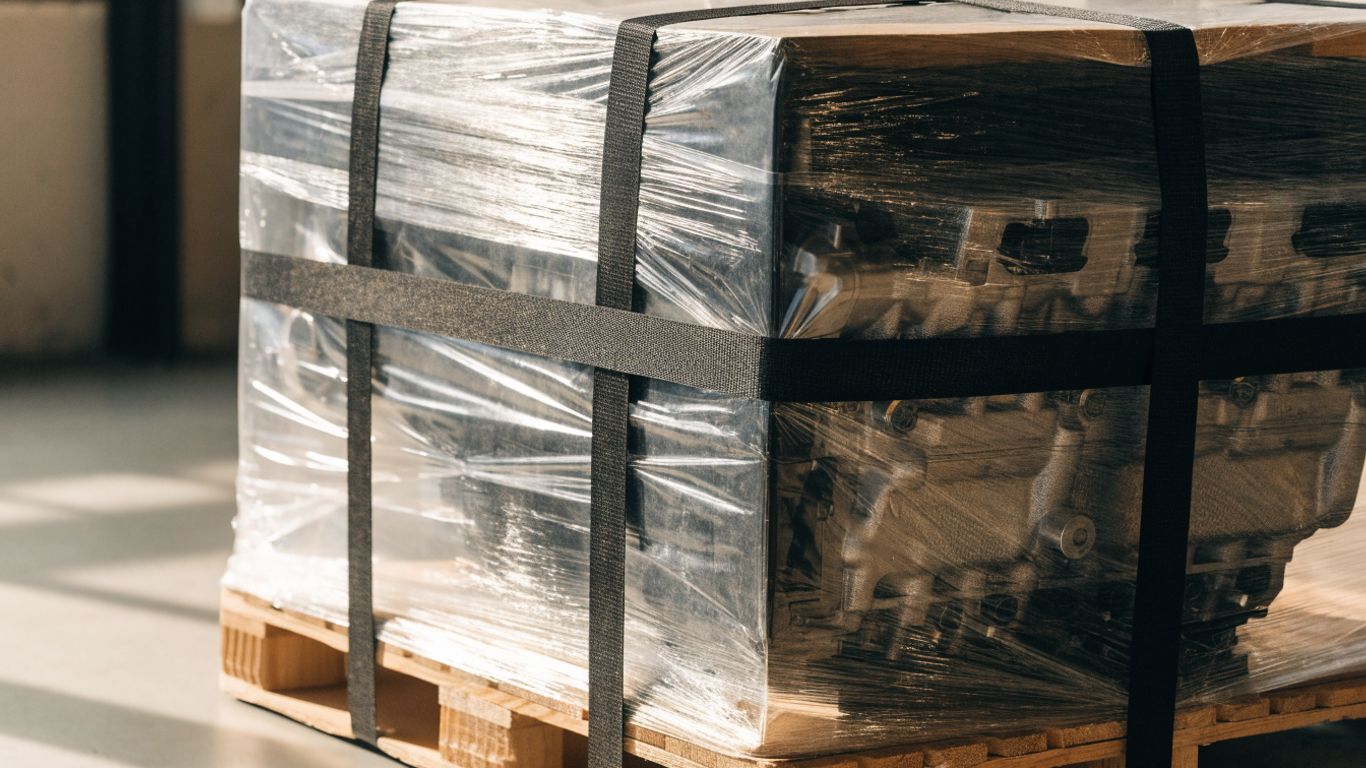
Weight and dimensions help determine how an engine can be handled and which service is appropriate. Include the measurements of the complete packaged shipment, not just the engine itself, and provide a realistic weight estimate. Packaging also affects how the load can be secured, moved, and stacked. These details help the provider assess the shipment before pickup rather than discovering a mismatch at the curb.
Accessorial fees, fuel surcharges, and scheduling
An initial estimate may not include every charge associated with pickup or delivery. Ask about fuel surcharges, appointment requirements, limited-access locations, liftgate service, and any handling needs relevant to your addresses. The exact charges depend on the provider and the shipment, so request an itemized quote when possible. Confirm the quoted service and expected timing in writing, particularly if the receiver has limited availability.
How to book and coordinate a shipment
Booking goes more smoothly when both ends of the shipment are ready before the carrier is contacted. Gather the engine and packaging details, confirm that each address can support the planned service, and make sure a responsible person is available at pickup and delivery. Then keep the written quote and shipment paperwork accessible. A little coordination up front can prevent missed pickups and avoidable rescheduling.
Gather engine specifications and shipment details
Start with the engine’s approximate weight and the packaged dimensions, along with its pickup and delivery addresses. Note whether the engine is on a pallet or inside a crate, whether it can be accessed by freight equipment, and what loading help is available. Provide honest details rather than relying on a generic description, since a difference in size or handling requirements can affect the service. Ask what additional information the provider needs to price and schedule the shipment.
Confirm pickup and delivery requirements
Agree on the pickup window, delivery expectations, contact names, and any appointment process before the shipment is dispatched. Check that the sender can have the engine ready and that the receiver can accept it during the likely delivery period. Confirm who is responsible for loading and unloading, and whether equipment must be arranged at either address. Written confirmation makes it easier for everyone to work from the same plan.
Document condition and retain shipping paperwork
Take clear photos of the engine from multiple angles before it is packed, then photograph the completed packaging. Keep copies of the quote, booking confirmation, tracking or reference details, and any written carrier instructions. This record can help establish what was shipped and what condition it was in before pickup. Save the documents together so they are easy to find when the delivery arrives.
How to handle delivery issues or damage
A calm, careful inspection at delivery gives you the best chance of documenting a problem accurately. Check the outer packaging first, then look at accessible engine surfaces and components before the shipment is accepted. If something seems wrong, record the details and follow the provider’s stated process promptly. Keep the packaging and paperwork until you know whether they are needed for a review.
Inspect the engine before signing
Look for punctures, crushed corners, broken straps, shifted packaging, leaks, or visible damage to the engine. Compare the shipment with the photos taken before pickup, while remembering that some parts may not be visible without removing packaging. If you need more time to inspect, ask the delivery personnel what options are available before signing. Do not assume that signing without a note will preserve the same record of condition as a documented exception.
Record visible damage and note exceptions on the delivery receipt
Photograph any damage while the engine and packaging are still in place, including close views and wider shots that show where the issue occurred. Describe what you can see specifically rather than using a vague note, and ask that the exception be recorded on the delivery receipt. Keep a copy of the signed receipt and any delivery paperwork. Accurate, contemporaneous notes are more useful than trying to reconstruct the condition later.
File a claim and preserve supporting evidence
Contact the carrier or provider promptly and follow its written claim instructions and deadlines. Keep the engine, packaging, photographs, receipt, and relevant shipment documents available while the issue is reviewed. Provide a clear account of the damage and the date it was discovered, and retain copies of all correspondence. The applicable terms determine what information is required and how a claim is handled, so refer to the documents for the specific shipment.
Conclusion
A well-planned engine shipment comes down to a few practical habits: describe the load accurately, choose a service that fits the locations, prepare the engine carefully, and keep a record from pickup through delivery. Confirming responsibilities and terms in advance will not remove every uncertainty, but it gives both sender and receiver a clearer plan—and a better basis for addressing problems if they arise.