

Key Takeaways
A regional engine shipment is easier to manage when the carrier, packaging, and delivery arrangements are settled before pickup. Build in extra time for access constraints and regional schedules.
- Compare freight options based on engine size, packaging, and the destination’s access requirements.
- Drain fluids, secure loose parts, and protect openings before packing the engine.
- Request a quote using accurate dimensions, weight, pickup details, and delivery access information.
- Confirm who will load and unload the engine, and whether delivery is to a depot or an address.
- Inspect the shipment and record any visible issues before signing delivery paperwork.
Choosing the right delivery service
Shipping an engine beyond a major city takes more planning than arranging a standard parcel delivery. The right option depends on the engine’s weight and packaging, the route, and whether a truck can reach the pickup and delivery points. Start by describing the shipment accurately, then check what each carrier can handle at both ends.
Compare specialist engine freight with general transport
A freight provider may handle heavy or palletized cargo, while other services may have different limits or packaging rules. Ask what forms of engine packaging are accepted, whether the carrier collects from your location, and what delivery method is available at the destination. If you are still sourcing an engine, the best car parts network connects customers with quality used, genuine, and aftermarket parts; that is a parts-finding resource, not a freight service.
Check regional coverage and delivery schedules
A carrier’s route map does not always tell you whether it serves a specific town or property directly. Confirm the destination postcode, the expected delivery window, and whether a regional transfer or depot collection is involved. For an engine purchase, the best car parts network connects customers with parts across Melbourne, Sydney, Brisbane, and nationwide, while the freight provider remains responsible for shipment arrangements.
Decide between depot collection and delivery to your address
Depot collection can be practical when a truck cannot safely reach the final address or when the receiver can arrange their own transport from the depot. Address delivery may save a separate trip, but check whether the carrier can access the property and whether someone must be available during a delivery window. Agree on the option before booking so the quote and arrival plan reflect the actual destination.
Preparing an engine for transport
The engine should be ready for handling before the carrier arrives, not just when it is placed on a truck. Preparation helps limit leaks and movement, and it gives the carrier a package that can be assessed for loading. Check any requirements provided by the freight provider, since packaging rules can differ.
Drain fluids and secure loose components
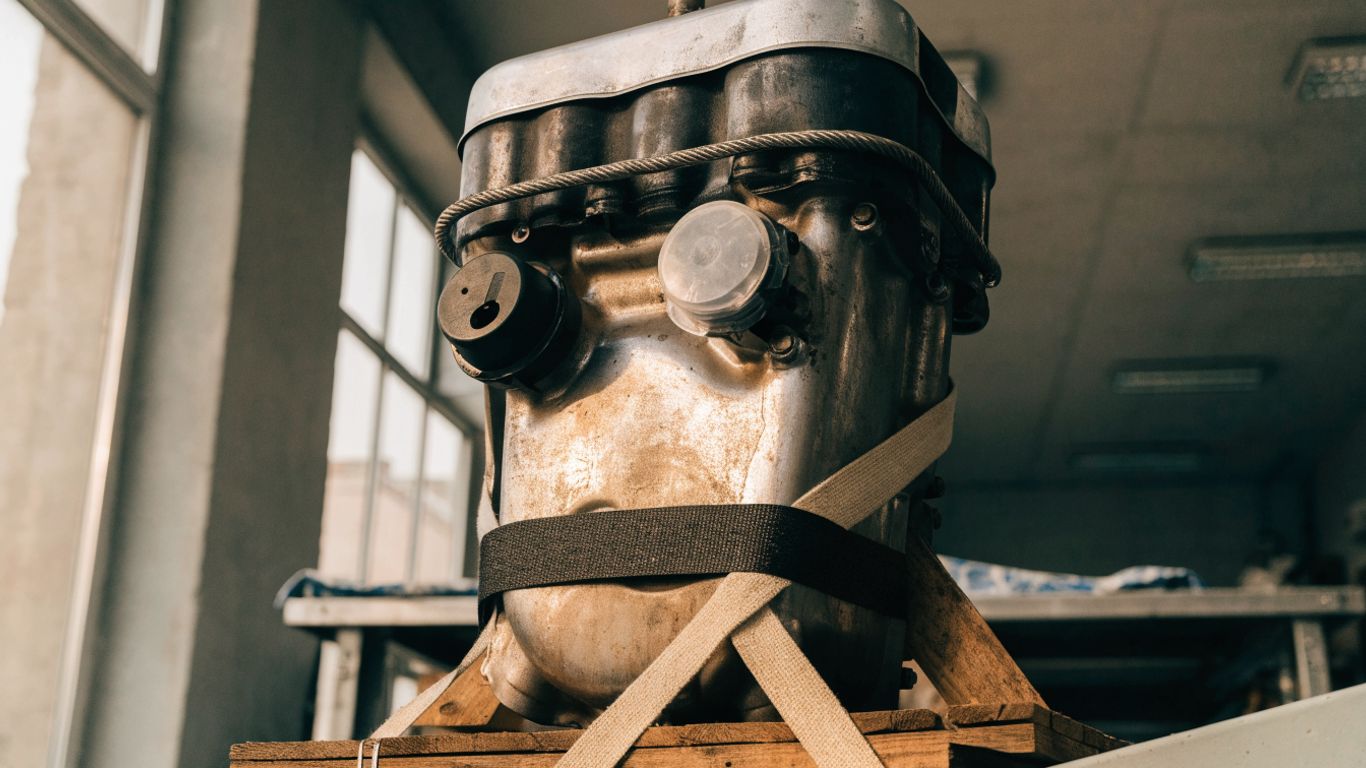
Drain fluids as required by the carrier and make sure the engine is not leaking before it is packed. Remove or secure components that could shift, catch, or break during handling, and keep small pieces together in clearly associated packaging. Secure the load before collection so it stays stable when lifted or moved.
A short preparation routine can help prevent easily avoidable problems:
- Drain fluids and allow the engine to stop dripping.
- Secure loose components or pack them separately with the shipment.
- Check that the engine is stable and cannot move on its base.
- Keep any removed parts together so they can be checked on arrival.
Once the engine is prepared, take a moment to check the whole package from each side. A loose item or unstable base can be harder to correct after collection.
Protect openings, sensors, and vulnerable parts
Openings should be covered to reduce the chance of dirt or debris getting inside, and exposed sensors or delicate fittings need protection from knocks. Use protective material that stays in place during handling rather than relying on a loose cover. Avoid placing packing pressure on fragile parts, and keep protective material clear of areas where it could detach unnoticed.
Choose suitable crating, palletizing, or packaging
The packaging should support the engine’s weight and provide a stable base for lifting and movement. A crate may offer more protection from contact, while a securely fastened pallet can make a shipment easier to handle; the suitable choice depends on the engine and carrier requirements. Confirm the package’s finished dimensions and weight after packing, since those are the details used for a reliable freight quote.
Understanding delivery costs and timing
A freight quote reflects more than the distance between two postcodes. The engine’s packed size and weight, pickup conditions, destination access, and the delivery option can all affect the price and schedule. Gather those details before requesting quotes so you can compare like with like.
Identify the factors that affect freight quotes
A clear quote request describes the shipment as it will travel, including its packaging and the services needed at each end. The details below are useful to gather together; if one changes after booking, confirm whether it affects the price or collection plan.
| Quote detail | What to provide |
|---|---|
| Shipment size | Packed length, width, and height |
| Shipment weight | The total weight after packaging |
| Pickup | Address, access notes, and availability |
| Delivery | Destination address or depot preference, plus access notes |
Use the same information when comparing options, and ask whether the quote includes the service you expect. That makes differences between quotes easier to understand without assuming that the lowest figure covers the same arrangements.
Account for distance, access, and remote-area surcharges
A regional destination can involve additional handling or a change in the delivery route, so ask whether any remote-area or access charges apply. Narrow entrances, unpaved approaches, limited turning space, or restricted delivery hours may also affect what a carrier can do. Share these conditions in advance rather than waiting for the driver to encounter them.
Allow for transit times and regional delivery windows
Treat an estimated delivery date as a planning guide, especially when a shipment must travel beyond a main freight route. Ask whether the carrier provides a delivery window and when someone needs to be available to receive the engine. If the engine is needed for a repair, leave room for schedule changes before booking labor or arranging other work.
Booking and coordinating the shipment
Once the carrier and packaging are settled, booking is mostly a matter of making sure the shipment details agree with what will actually be collected. Confirm the contact person at both ends and decide who can answer questions if access or timing changes. Clear arrangements reduce the chance of a missed pickup or an arrival that nobody is ready to receive.
Gather engine dimensions, weight, and collection details
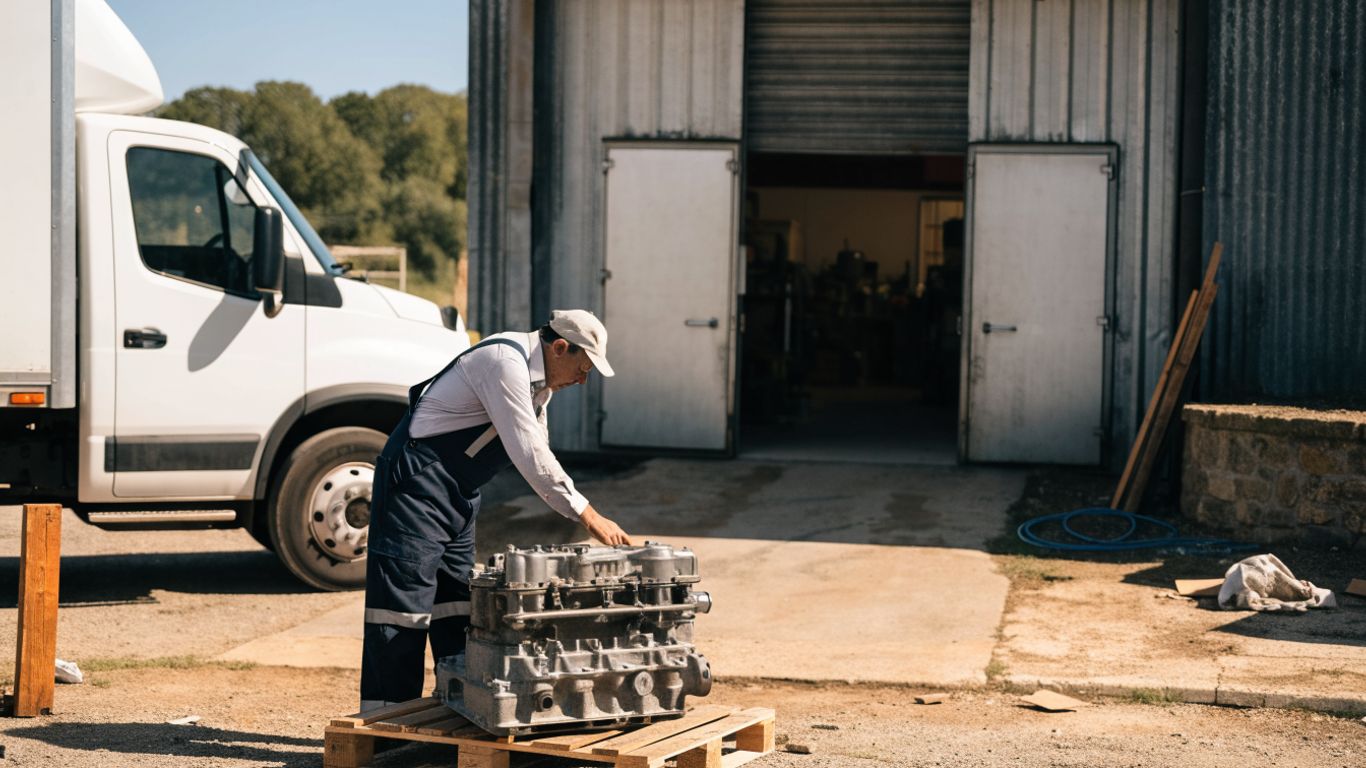
Measure the packed engine, rather than relying on estimates for the engine alone, and record its total weight. Include the pickup address, contact details, availability, and any access conditions that could affect loading. If the engine still needs to be sourced, the best car parts network connects customers with quality used, genuine, and aftermarket parts; arrange freight separately once the shipment’s details are known.
Confirm carrier requirements and delivery arrangements
Before confirming a booking, check that the carrier accepts the packaging and shipment type, and confirm whether the quoted service is depot collection or delivery to an address. Make sure the receiver understands the delivery window and any conditions attached to receiving the freight. Keep the booking details accessible so the sender and receiver are working from the same information.
Arrange loading equipment at pickup and drop-off
Do not assume that a driver will bring equipment suitable for loading or unloading an engine at either location. Ask the carrier what assistance is included, then arrange suitable equipment and a capable person at the pickup and delivery points if needed. Confirm that the equipment can reach the engine and handle the packed load safely before the scheduled arrival.
Tracking the shipment and handling delays
After pickup, keep the booking reference and carrier contact details where both sender and receiver can find them. Tracking can help you follow progress, but a regional delivery may still depend on route conditions and local schedules. Stay reachable and make sure the receiver knows how to respond if the carrier proposes a change.
Follow tracking updates and carrier communications
Check for tracking updates at sensible intervals and read any carrier messages about handovers, delivery windows, or collection arrangements. If the status has not changed, that alone may not explain where the shipment is, so use the booking reference when asking for clarification. Share meaningful updates with the receiver, particularly if they need to arrange unloading equipment or time away from work.
Plan for weather, road conditions, and schedule changes
Weather, road conditions, and disruptions along the route can shift an estimated delivery time. Keep your plans flexible where possible, and avoid arranging essential work around an arrival time that the carrier has not confirmed. If the delivery date moves, check whether the receiver, access plan, and unloading arrangements still work.
Know when to contact the freight provider
Contact the freight provider if the expected collection or delivery window passes without an update, if tracking shows an issue, or if you need to change address or access arrangements. Provide the shipment reference and explain what has changed so the provider can respond to the specific problem. If a delay affects your repair schedule, ask for the latest expected window before making new commitments.
Receiving and inspecting the engine
Prepare for delivery by making sure someone can receive the engine and that the unloading plan is still in place. Have the booking information available so you can compare the shipment with what was arranged. A careful check at handover gives you a clearer record if the packaging or contents appear different from what you expected.
Check packaging and the engine for visible damage
Look over the package before moving it, noting punctures, crushed edges, broken straps, or signs that the load shifted. If you can inspect the engine safely without unpacking it in a risky way, check for visible damage and leaks. Take clear photographs of any concern while the packaging is still in place.
Record issues before signing delivery paperwork
If you see damage or a packaging problem, make a factual note on the delivery paperwork before signing, and take photographs of the issue. Ask the driver or carrier how to record the concern if you are unsure. Keep copies of the paperwork and any messages, since those details can help when you contact the freight provider afterward.
Confirm the shipment contents and resolve missing items
Compare the delivered engine and any separately packed components with the booking or purchase information. If something appears to be missing, contact the seller and freight provider promptly, explaining what has arrived and what is absent. The best car parts network connects customers with quality used, genuine, and aftermarket parts if you need to find a part separately, but it does not replace reporting a freight or order discrepancy to the relevant provider.
Conclusion
Engine delivery to regional Australia is easier to plan when you treat preparation, access, and communication as parts of the same job. Confirm the carrier’s requirements, provide accurate shipment details, and leave enough flexibility for regional schedules. At delivery, inspect the package and document any concerns before the paperwork is complete.