
Key Takeaways
A little preparation makes it easier to find a suitable part and avoid expensive mix-ups. Keep your vehicle details handy, compare options carefully, and confirm the fit before you buy.
- Use your VIN and the part number to narrow the search.
- Compare new, used, and recycled parts in light of condition and intended use.
- Contact local suppliers to check inventory and sourcing options.
- Confirm fitment details, especially for electronic and safety components.
- Include delivery, installation, warranty, and return terms in your decision.
Identify the part you need
A clear description is the best starting point when you’re looking for Sunshine Coast auto parts. Parts that look alike can differ by year, trim, engine, or side of the vehicle, so avoid relying on appearance alone. Gather the identifying details before contacting a supplier. That small step can save time and reduce the risk of ordering the wrong component.
Use your vehicle identification number to narrow the search
Your vehicle identification number, or VIN, identifies the specific vehicle and can help a supplier narrow down relevant parts. It is usually found on the vehicle and in its registration or insurance paperwork. Share it when requesting a fitment check, but still describe the part you need; the VIN helps guide the search rather than replacing a clear description.
If you are preparing to contact a supplier, keep the key details together:
- VIN
- Vehicle make and model
- Model year and trim, if known
- A description or photo of the part
Having this information ready gives the supplier a more useful starting point. For a damaged component, a photo can also help clarify its shape or location, though it should not be treated as proof of compatibility.
Record the part number, make, model, and year
If the old part has a visible number, write it down and share it along with the vehicle’s make, model, and year. A number can help distinguish parts that appear similar, but suppliers may need additional details to verify whether it applies to your particular vehicle. Exact vehicle details are especially useful when the same model has different versions across production years.
Keep the original part or a clear photo nearby if possible. Note any labels, connector shapes, or other identifying marks, and tell the supplier if a number is hard to read. Providing several clues is more helpful than assuming one number settles every fitment question.
Check whether the part is front-, rear-, left-, or right-side specific
Many body, lighting, suspension, and interior components are made for a particular position. Before you order, establish whether the part is for the front or rear and for the left or right side. Be precise about which side you mean, since a driver’s side description may be interpreted differently depending on the vehicle’s market and steering position.
If you are unsure, describe where the part sits on the vehicle and send a photo of the damaged component. Ask the supplier to confirm the side and position in writing before payment. That is a simple check, but it can prevent an otherwise avoidable return.
Choose between new, used, and recycled parts
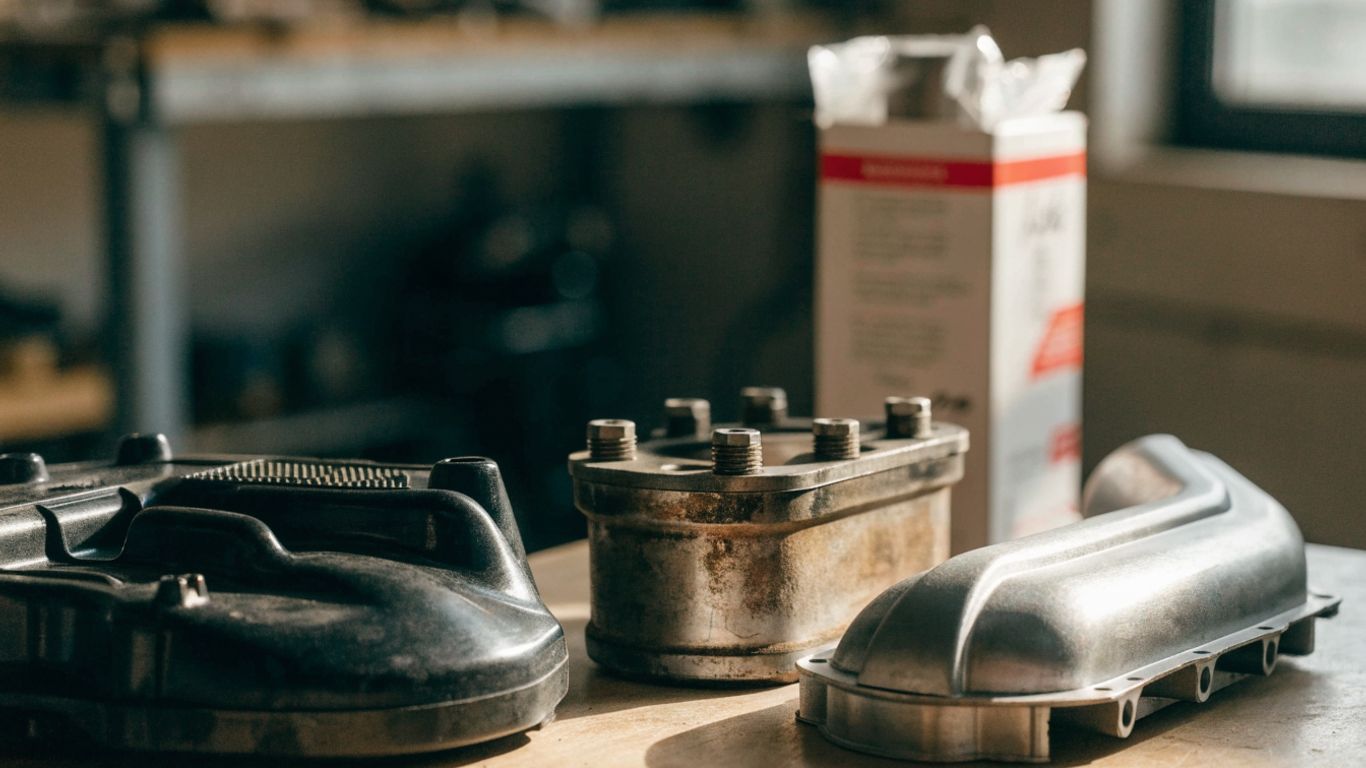
The right choice depends on the component, your budget, and how long you expect to keep the vehicle. New, used, and recycled parts can each suit a different situation; condition, source, and warranty terms matter as much as the label. Ask what is actually being offered rather than assuming every part in a category has the same history or coverage.
Compare the benefits of each option
A quick comparison can help clarify what to ask about before you decide. The details vary by supplier and component, so treat the table as a starting point for a conversation, not a promise about availability or condition.
| Option | Potential reason to consider it | What to confirm |
|---|---|---|
| New | You want a newly manufactured replacement | Exact fitment, source, and warranty |
| Used | You are considering an existing component | Condition, testing, and return terms |
| Recycled | You want to explore a recovered part | Inspection details and applicable coverage |
| Refurbished | The component has been restored or repaired | Work completed and remaining service terms |
Car Parts Supplier connects customers with quality used, genuine, and aftermarket parts through a car parts network. When comparing options, ask which type is available for your vehicle and verify its condition and fitment directly with the supplier.
Decide when a used part is a practical choice
A used part may be worth considering when its condition can be assessed, its fit is confirmed, and the price makes sense alongside the warranty and return terms. It can be a reasonable option for some replacement needs, but the decision should be based on the specific component rather than a blanket rule. Ask whether the part has been checked and what, if anything, is known about its history.
For a part where wear or prior damage could affect safe operation, take extra care and seek professional advice if you are uncertain. Compare the full cost with a new alternative, including delivery and fitting. A lower purchase price is only useful if the part is suitable for the job.
Consider refurbished parts for selected components
Refurbished parts may suit some components, but the word can cover different kinds of repair or restoration. Ask what work was done, which components were replaced or checked, and how the supplier defines the finished condition. The answers help you compare a refurbished option fairly with a new or used part.
Confirm that the part still matches your vehicle’s specifications and get any warranty details in writing. If the component is important to safe operation, discuss the choice with a qualified mechanic before buying.
Find Sunshine Coast auto parts suppliers
A supplier may have a part on hand, be able to search for it, or need to confirm availability from another location. Contacting more than one type of local business can help you understand the options without assuming that every listing is current. Keep your VIN and part details ready so each enquiry is based on the same information.
Search local wreckers and auto recyclers
Local wreckers and auto recyclers are one place to ask about used or recovered components. Tell them the vehicle details, the part number if you have it, and the condition you are willing to consider. Ask whether the part is physically in stock and what checks have been completed before arranging a purchase.
A supplier’s location does not guarantee that the right part is available nearby. Confirm the pickup address, opening arrangements, and whether the component can be held while you verify fitment. If the part needs to be shipped, ask how it will be packaged and when it is expected to arrive.
Compare specialist stores with general parts suppliers
A specialist supplier may focus on particular makes, models, or component types, while a general parts supplier may handle a broader range of requests. Neither description alone tells you whether a specific part will fit or be available. Explain the job and vehicle clearly, then ask what information the supplier needs to identify the correct option.
Car Parts Supplier describes connecting customers with used, genuine, and aftermarket parts through its car parts network, with service across Melbourne, Sydney, Brisbane, and nationwide. For a Sunshine Coast enquiry, confirm directly whether the required part can be sourced and what delivery arrangements apply; the nationwide scope is not a guarantee of local stock.
Ask about online inventory and local stock
An online listing can be a useful lead, but confirm that it is current and matches your exact vehicle. Ask whether the supplier can verify the part number, condition, and location before you pay. If the part is not immediately available, find out whether it can be sourced and get an estimated timeframe.
Car Parts Supplier says its network helps make finding the right part fast and affordable across its stated service areas and nationwide. Use that as a reason to enquire, then confirm the availability, price, and delivery details for your specific request. A direct answer is more useful than relying on a general listing.
Confirm fit and compatibility before buying
Fitment is more than a visual match. Differences in model version, engine, trim, or production date can affect whether a component will work, and electronic parts may need additional checks. Take a moment to confirm the details with the supplier before the purchase is final.

Match the part to your vehicle’s exact specifications
Share the VIN and the vehicle’s make, model, year, and trim when asking for a fitment check. If you have a part number, give that too, and explain whether the replacement is for the front or rear and the left or right side. Ask the supplier to confirm the match rather than relying on a broad description such as “fits this model.”
Keep the confirmation with your order details. If anything changes—for example, you discover a different engine or production year—check again before the part is dispatched or installed. A fresh confirmation can be easier than resolving a mismatch later.
Check fitment notes for trims, engines, and production dates
A model name may cover several trims and mechanical configurations. Some parts change during a model run, so the production date can matter as much as the model year. Review fitment notes carefully and ask the supplier to explain any listed exclusions or qualifications.
If you are comparing two possible parts, provide the exact engine and trim information rather than guessing from the registration details. When the vehicle’s build information is unclear, a mechanic or dealer may be able to help identify it. Confirm before ordering, not after the part arrives.
Verify compatibility for electronic and safety components
Electronic components can vary by connector, software, or vehicle configuration, while safety-related parts may require particular specifications and correct installation. Ask the supplier to confirm compatibility using the vehicle details and the component’s identifiers. Do not assume that a similar plug or matching shape proves the part will operate correctly.
For any component that affects safe operation, get advice from a qualified mechanic if compatibility is uncertain. Check whether programming, calibration, or other work may be required, and make sure the cost and responsibility for that work are understood before purchase.
Evaluate part condition, price, and warranty
A fair comparison includes more than the price shown beside a listing. Ask what condition the part is in, what checks have been carried out, and what recourse is available if it does not fit or work as expected. Clear answers make it easier to compare suppliers on equal terms.
Ask how the part was inspected and tested
Inspection and testing can mean different things depending on the component. Ask what was checked, whether the part was tested in operation, and whether any visible damage or wear was found. If the supplier cannot verify a particular function, you can factor that uncertainty into your decision.
For a used or recycled component, request a clear description of its condition and any known limitations. A photo may help you assess visible wear, but it cannot confirm every internal or electrical function. Consider whether you need a mechanic to inspect it before installation.
Compare the total cost, including delivery and fitting
The purchase price is only one part of the final cost. Delivery, packaging, fitting, and any additional work can change which option represents better value. Ask for the likely total before making a decision, especially when comparing a local pickup with a shipped part.
A useful comparison should account for the costs that apply to your job:
- Part price and any applicable taxes
- Delivery or collection costs
- Installation or fitting charges
- Additional work, such as calibration where required
Once you have those figures, compare the complete cost with the part’s condition and coverage. If the total is still unclear, ask the supplier or installer to explain what is included and what would be charged separately.
Review warranty coverage and return conditions
Before you pay, ask how long any warranty lasts, what it covers, and whether it applies to the specific part being sold. Read the return conditions as well: some terms may depend on installation, proof of purchase, or returning the part in a particular condition. Get the relevant details in writing.
Clarify what to do if the component arrives damaged or turns out not to match the confirmed specifications. Ask about the time limit for reporting a problem and whether delivery or restocking costs could apply. Clear terms help you understand the risk before the purchase is complete.
Arrange purchase, delivery, and installation
Once you have confirmed fitment, condition, and price, make sure the practical arrangements are clear. Check how and when the part can be collected or delivered, and confirm what happens if the old component must be returned. For parts that require specialist work, coordinate with the installer before the order is placed.
Confirm pickup or delivery options around the Sunshine Coast
Ask where the part is located and whether pickup is available, or confirm the delivery service and estimated timeframe. Check that the supplier has your correct address and ask how a large or delicate item will be packaged. If timing matters, get an estimate before booking a repair appointment.
For delivery, confirm who to contact if the parcel is delayed or arrives damaged. Keep the order confirmation and any tracking details until the part has been received and checked. That leaves you with a clear record if you need to follow up.
Check whether core returns or exchanges apply
Some purchases may involve returning an old component or exchanging a part, but arrangements depend on the supplier and the item. Ask whether a core return applies, whether a deposit is involved, and what condition the old part must be in. Confirm the deadline and how the return should be arranged before disposing of anything.
If an exchange is possible, clarify whether the replacement must be checked before the original is returned. Keep any receipt or return paperwork, and ask who pays for transport. A few questions upfront can prevent a deposit or credit from becoming confusing later.
Decide if a qualified mechanic should install the part
Some components are straightforward for an experienced DIYer, while others require specialist tools, inspection, or setup. If a part affects braking, steering, restraint systems, or vehicle electronics, consider having a qualified mechanic assess and install it. Their advice can also help confirm whether the selected part is suitable before you commit to the purchase.
Coordinate with the installer about timing, compatibility checks, and any additional work needed. If the part is being delivered directly to a workshop, confirm the arrangement with both the supplier and the mechanic. That way, the part, the vehicle, and the appointment are more likely to be ready together.
Conclusion
Finding the right part comes down to clear vehicle details, careful fitment checks, and a realistic comparison of condition, price, and terms. Take time to confirm availability and delivery with a supplier, and involve a qualified mechanic when the component or installation calls for professional judgment.