
Key Takeaways
A little preparation can prevent a mismatched part or a delivery surprise. Confirm the vehicle details, ask clear questions, and check the shipment as soon as it arrives.
- Use the VIN and engine details to narrow down the correct part.
- Compare part condition, completeness, fitment, and warranty terms.
- Confirm that the supplier delivers to Darwin and ask when the part can arrive.
- Get the part number, costs, and order details in writing.
- Inspect the shipment promptly and follow the supplier’s process if something is wrong.
Confirm the vehicle and engine details
The more precise your vehicle information is, the easier it is to check whether an engine part will fit. A model name alone may not distinguish between engine variants or production changes. Before asking for quotes, gather the details from the vehicle and any records you have. That small bit of preparation can make Darwin engine parts delivery more straightforward.
Gather the VIN, make, model, and year
Start with the vehicle identification number (VIN), along with the make, model, and year. The VIN is usually shown on the vehicle and in registration or insurance paperwork; if you are unsure where to find it, check the owner’s manual. Share the full details with the supplier rather than relying on a registration description alone. Accurate vehicle details give the supplier a clearer basis for checking fitment.
Identify the engine code and configuration
The engine code can help distinguish versions that share a vehicle name but use different components. Check the engine label, service records, or the vehicle documentation, and confirm whether the engine is petrol or diesel and whether other configuration details apply. If you cannot locate the code, say so rather than guessing. A supplier can then tell you what additional information is needed to identify the part.
Note any modifications or replacement engine details
A replacement engine or a modification can change which part is appropriate, even if the vehicle’s make and year are unchanged. Tell the supplier what you know about the engine’s origin, any swaps, and relevant changes to the setup. If the engine code is unclear, a clear photo of its identification markings may help the supplier advise what to check next. Keep the original vehicle details on hand as well, since both sets of information may matter.
Choose the right type of engine part
A part that appears suitable in a listing still needs to match your needs, budget, and installation plan. Ask how its condition is described and what is included before comparing prices. The distinctions below are useful starting points, but terms can vary between suppliers. Confirm the specific description for the item you are considering.
Compare new, used, reconditioned, and aftermarket parts
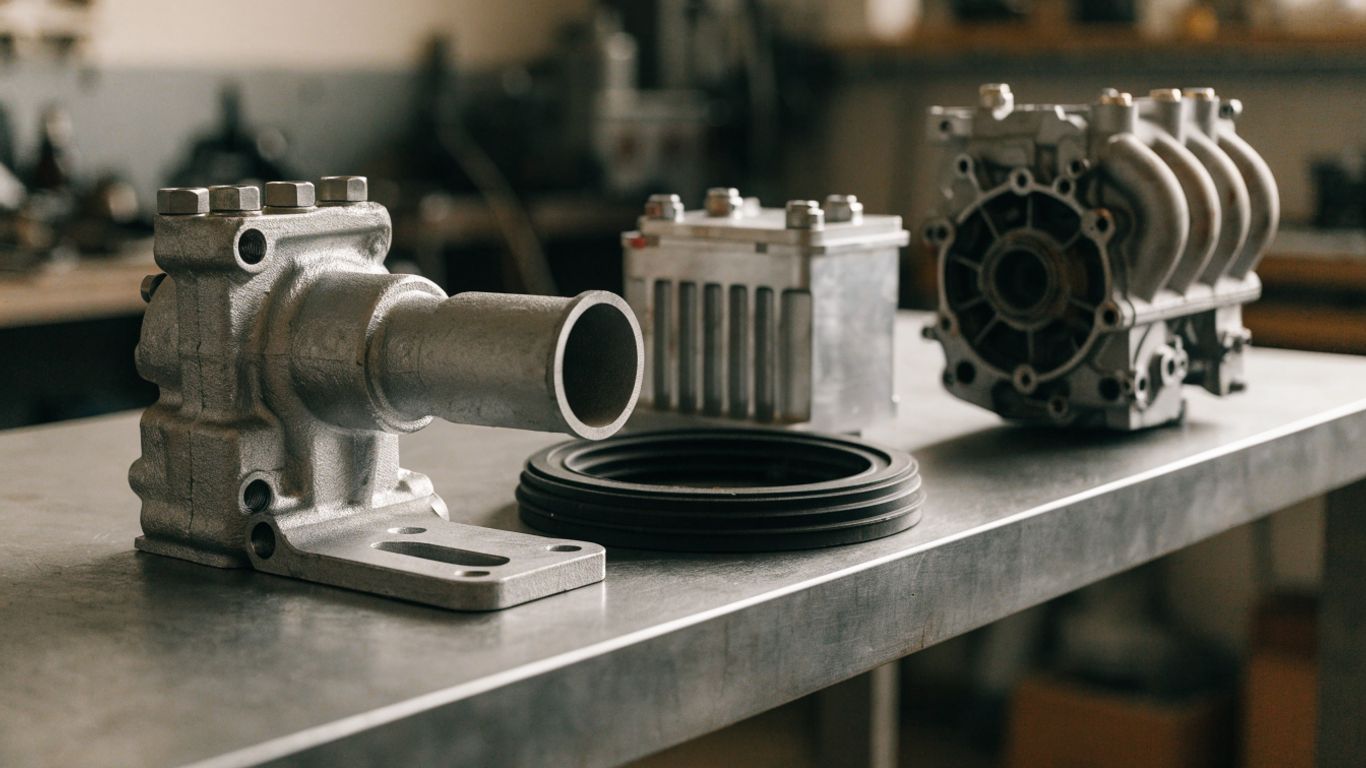
The part category can affect price, availability, and what you should ask about its condition. Use the supplier’s description rather than assuming every item in a category has the same history or preparation. This simple comparison can guide the conversation, but the written listing or quote should settle what applies to the part on offer.
| Part type | What to clarify | Useful question |
|---|---|---|
| New | Whether it is genuine or aftermarket | Is this the exact item being quoted? |
| Used | Its condition and known history | What checks or records are available? |
| Reconditioned | What work was completed | What does the reconditioning include? |
| Aftermarket | The maker and stated fitment | Which vehicle and engine details does it match? |
These labels do not replace a fitment check or a clear warranty description. Ask the supplier to explain any unfamiliar terminology and put the item’s stated condition in writing before you order.
Check whether the part is complete or sold separately
A listing may refer to a single component, an assembly, or a larger set of parts. Confirm exactly what is included, and ask whether related pieces such as sensors, brackets, or fasteners are supplied if you need them. Do not rely on a photo alone to establish what comes with the order. A detailed parts list can help prevent a delay caused by discovering that a required component was not included.
Confirm fitment and warranty terms before ordering
Ask the supplier to verify fitment against the VIN and engine details you provided, and request the part number in the quote. Read the warranty terms for the actual item, including any conditions that apply to installation or returns. If fitment depends on a detail you have not confirmed, resolve that question before paying. Clear answers now are easier to act on than assumptions after delivery.
Find a supplier that delivers to Darwin
Not every supplier offers the same delivery choices, and a part’s availability can affect the route and timing. Confirm that the supplier will deliver to your address or an agreed collection point in Darwin. Ask how the order will be handed over and whether you need to be present. A little clarity here helps you compare quotes on more than the part price alone.
Check the supplier’s service area and delivery options
Ask whether delivery is available to your exact location, not just to Darwin generally. Confirm whether the part can be sent to a business address, residential address, or freight depot, and whether collection is an option. If access or delivery hours could be an issue, mention that when requesting the quote. The supplier’s answer should make clear what delivery arrangement is actually included.
Ask whether the part is in stock or needs to be sourced
A part described as available may be in the supplier’s inventory or may need to be obtained from another source. Ask which applies, and whether the quoted timing accounts for any sourcing or handling before dispatch. To keep the conversation useful, request answers to a few practical questions:
- Is the part physically in stock or still being sourced?
- What is the part number and stated condition?
- When do you expect it to be ready for dispatch?
- Will you confirm any change to the estimate?
Those answers help distinguish a firm dispatch plan from a preliminary estimate. If the supplier needs to confirm availability, ask when you should expect an update before making a decision.
Compare local suppliers with interstate sellers
A nearby supplier may offer a different collection or delivery arrangement from an interstate seller, while an interstate seller may have a part you cannot find locally. Compare the total cost and practical details rather than assuming one option is automatically faster or less expensive. Ask each supplier about availability, delivery method, estimated timing, and the process for resolving a damaged or incorrect shipment. Choose the option whose terms fit your needs and are clearly documented.
Understand delivery times and costs
A useful delivery estimate separates preparation time from the time the shipment spends in transit. Ask when the part is expected to be ready, when it may leave, and what arrival window the supplier can currently provide. Transit estimates can change, so find out how updates will be shared. This is especially helpful when a repair booking depends on the part arriving first.
Request an estimated dispatch and arrival date
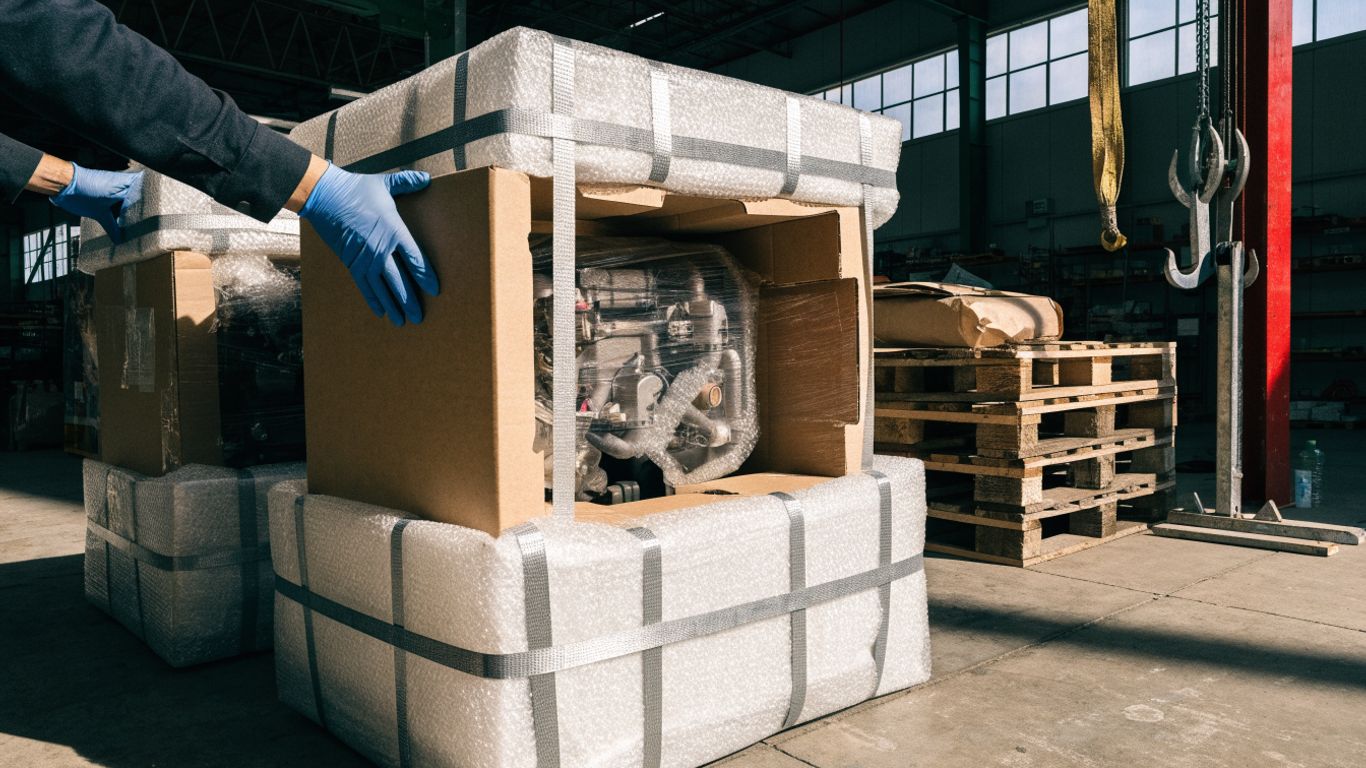
Ask for both an estimated dispatch date and an estimated arrival date, and clarify whether either one is confirmed or provisional. If the part has to be sourced, find out whether the estimate begins after it reaches the supplier. Ask how you will be notified if the schedule changes. A realistic window is more useful for planning than a precise date that has not been verified.
Check freight charges and any regional delivery fees
Request the full delivered cost before placing the order, including any freight charge or delivery fee that applies to your address. Ask whether the quote includes unloading, depot collection, or other arrangements you may need to make separately. Compare the final totals on the same basis, with the part and delivery terms both clear. That way, a lower listed price does not obscure a higher overall cost.
Ask how oversized or heavy parts are transported
Large or heavy components may need a different freight arrangement from a small parcel. Ask what delivery method is planned, whether the shipment requires a suitable unloading point, and whether you need equipment or assistance at the destination. Confirm who will contact you to arrange delivery and what happens if no one is available. These details can help you prepare the receiving location before the part arrives.
Place and track your order
Once the supplier confirms the part and delivery plan, review the order details before paying. A written record gives you something to refer to if the part number, price, or delivery arrangement is later unclear. Keep communication in one place where possible, and save any messages that confirm changes. That makes it easier to follow the shipment from dispatch to arrival.
Confirm the part number and order details in writing
Check that the written order includes the part number, description, condition, price, delivery cost, and the vehicle details used for the fitment check. Confirm the delivery address and any agreed timing or receiving instructions. If a detail differs from the quote, ask for a corrected version before the order is finalized. A clear record can prevent avoidable misunderstandings.
Keep the invoice and delivery reference handy
Save the invoice, order confirmation, and any freight reference together, either digitally or in a place you can access easily. These details are useful when checking an update or contacting the supplier about the shipment. Make sure another person receiving the part can find the order information too, if you will not be there. Having the reference ready can make a status inquiry quicker.
Contact the supplier promptly if tracking stops updating
A gap in tracking does not by itself explain what has happened to a shipment. Check the latest available information, then contact the supplier with your order and delivery references if there is no update or the expected date has passed. Ask whether the freight provider has supplied new information and what the next follow-up step will be. Keep a note of the response so you have a record if you need to check again.
Check the delivery when it arrives
Take a moment to inspect the shipment before treating the delivery as complete. Compare what arrived with the order, and keep the packaging and paperwork until you are satisfied that the part is correct and undamaged. If there is a concern, record it promptly and follow the supplier’s stated process. A careful check can make it easier to resolve a problem while the delivery details are still available.
Inspect the packaging for damage before signing
Look over the exterior of the package or crate before signing for it. If you see damage, follow the carrier’s process for recording it and take clear photos of the packaging before opening it, where practical. Ask the delivery person what can be noted on the receipt if the condition is a concern. Keep the packaging until you have checked the part.
Match the delivered part to the order and vehicle details
Compare the part number, description, and any visible identification markings with your order confirmation. Check that the item appears to match the condition and included components that were agreed, and refer back to the VIN and engine details used for fitment. If anything does not line up, pause before installation and contact the supplier for guidance. Early confirmation can help avoid extra work or damage from attempting to fit the wrong item.
Follow the supplier’s process for returns or freight claims
If the part is incorrect or the shipment is damaged, contact the supplier promptly and provide the order reference, a concise description, and relevant photos. Ask what steps to follow and whether the item should remain unopened or be held for inspection. Keep copies of the messages and any freight paperwork until the matter is resolved. Follow the supplier’s instructions rather than arranging a return independently.
Conclusion
A successful engine-part order starts with accurate vehicle details and ends with a careful delivery check. Compare the part and its terms, confirm the freight arrangement to Darwin, and keep the order record close at hand. That steady process helps you make a more informed purchase and know what to do if the shipment does not match expectations.