

Key Takeaways
Choosing an engine specialist starts with understanding the problem and finding a clear, careful repair process. A thoughtful comparison can help you make a decision that suits your vehicle and budget.
- Describe symptoms clearly and ask how the specialist will diagnose them.
- Look for experience relevant to your vehicle and the work required.
- Compare repair, rebuild, and replacement options before approving a job.
- Request a written estimate and understand the warranty terms.
- Keep up with scheduled maintenance and save service records.
Understand what an engine specialist can help with
Engine specialists may diagnose faults, repair damaged components, and advise whether a larger repair is practical. The right scope depends on the vehicle, its condition, and what testing reveals. Before booking, describe the symptoms and ask what kinds of engine work the workshop handles. A clear answer helps establish whether the job is a good fit.
Engine diagnostics and fault-code interpretation
A diagnostic scan can reveal stored fault codes, but a code is not always a complete explanation of the underlying problem. A technician may need to combine scan results with a physical inspection and tests specific to the symptoms. Ask what the code indicates, what further checks are needed, and how the findings will guide the repair. That distinction helps prevent replacing parts based on a code alone.
Repairs for overheating, misfires, and oil leaks
Overheating, an uneven idle, or an oil leak can each have more than one possible cause. A useful assessment traces the symptom back to its source rather than treating a visible sign as the whole problem. Share when it occurs, whether it is getting worse, and any recent work on the vehicle. A precise symptom history can help the specialist decide what to inspect first.
Rebuilding or replacing an engine
If damage is extensive, a specialist may discuss repairing the existing engine, rebuilding it, or fitting a replacement. The options can differ in parts, labor, downtime, and the condition of the rest of the vehicle. A parts supplier connecting customers with quality used, genuine, and aftermarket parts through a car parts network may also be relevant when replacement components are being considered. Ask the workshop which option it recommends and why, rather than assuming the largest repair is the only route.
Performance tuning and specialist components
Some workshops also work on performance tuning or specialist components, while others focus on diagnosis and repairs. If you have a particular goal, explain it plainly and ask what work is within the shop’s experience. Modifications can affect how a vehicle behaves and may have implications for its maintenance or compliance, so discuss those considerations before approving changes. A specialist should be able to explain the scope without promising a result before assessing the vehicle.
Recognize signs your engine needs attention
Engine problems often start with a change that is easy to dismiss: a new sound, a warning message, or a temperature reading that climbs higher than usual. Not every symptom means the vehicle must be towed, but some call for immediate caution. Note when the change began and whether it appears under particular conditions. Acting on a developing problem may help avoid further damage.

Changes in noise, vibration, or exhaust smoke
Knocking, ticking, rough vibration, or a change in exhaust smoke can all be useful clues, though none identifies a cause on its own. Notice whether the sound changes with engine speed or whether vibration appears only when the vehicle is stopped. Smoke color and timing may also help a technician understand what to inspect. Avoid trying to diagnose a serious or worsening symptom solely by sound or appearance.
Warning lights and dashboard messages
An engine warning light can point to a fault that needs investigation even if the vehicle still feels normal. Read any dashboard message and make a note of whether the light is steady or flashing. If the vehicle has reduced power or runs roughly, include that detail when contacting a shop. A scan may be part of the assessment, but the result should be interpreted alongside the vehicle’s symptoms.
Fluid leaks, overheating, or unusual smells
A puddle under the vehicle, a rising temperature gauge, or a burning smell deserves attention. If you can do so safely, note where the fluid appears and whether it is clear, dark, or colored; do not touch hot components or unknown fluids. The pattern may help a technician narrow the inspection, but appearance alone cannot confirm what has failed. A parts supplier offering quality used, genuine, and aftermarket parts through a car parts network may be useful later if the repair calls for a component, after the diagnosis is clear.
When it is safe to drive—and when to stop
Use caution if the engine is overheating, the oil-pressure warning appears, smoke is heavy, or the vehicle suddenly loses power. Continuing to drive may worsen a fault, and stopping in an unsafe location creates another risk. If a warning is severe or the engine sounds or smells markedly different, pull over somewhere safe and seek professional advice rather than trying to reach the workshop. When symptoms are mild and no critical warning is present, call the shop first and explain what you are seeing.
Compare Canberra engine specialists
A good choice is not always the closest workshop or the one that offers the quickest estimate. Consider whether the specialist can assess your vehicle, explain the proposed work, and communicate clearly about costs and timing. You can compare these factors before handing over the keys. A short conversation often reveals whether the workshop is prepared to answer practical questions.
Relevant experience with your vehicle make and model
Experience with your vehicle’s make, model, engine type, or age can matter, particularly when symptoms are unusual or the repair is substantial. Ask whether the shop has handled similar work and whether it needs any vehicle-specific information before quoting. You do not need a long list of technical credentials to have a useful conversation; a direct explanation of relevant experience is a good start. If your vehicle has modifications or a distinctive service history, mention those too.
Diagnostic equipment and repair capabilities
Ask what testing the workshop expects to perform and whether it can complete the repair in-house. Some faults call for more than a basic scan, and a specialist should be able to explain the next step in ordinary language. The answer should match the symptoms rather than rely on a broad promise to fix every engine issue. If a job requires outside work or a particular component, ask how that affects timing and the estimate.
Qualifications, reviews, and recommendations
Qualifications, customer reviews, and recommendations can add context when you are deciding whom to trust. Look for comments about communication, explanations, and how unexpected findings were handled, not only general praise. A single review is only one person’s experience, so patterns across several accounts are more useful. Recommendations from people who own a similar vehicle may also help you prepare questions.
Clear communication and written estimates
A written estimate makes it easier to understand what the shop proposes and to compare options. Before booking, clarify what the price includes and how the workshop will contact you if the diagnosis changes. These questions are practical, not confrontational; good communication gives both sides a clearer basis for approval.
- Ask what diagnostic work is included in the estimate.
- Confirm which parts and labor the quoted amount covers.
- Find out whether the shop will seek approval for additional work.
- Ask how updates and changes to timing will be communicated.
When the answers are specific, you are less likely to be surprised by a new charge or a different scope of work. Keep a copy of the estimate so you can check it against the final invoice.
Evaluate repair options and costs
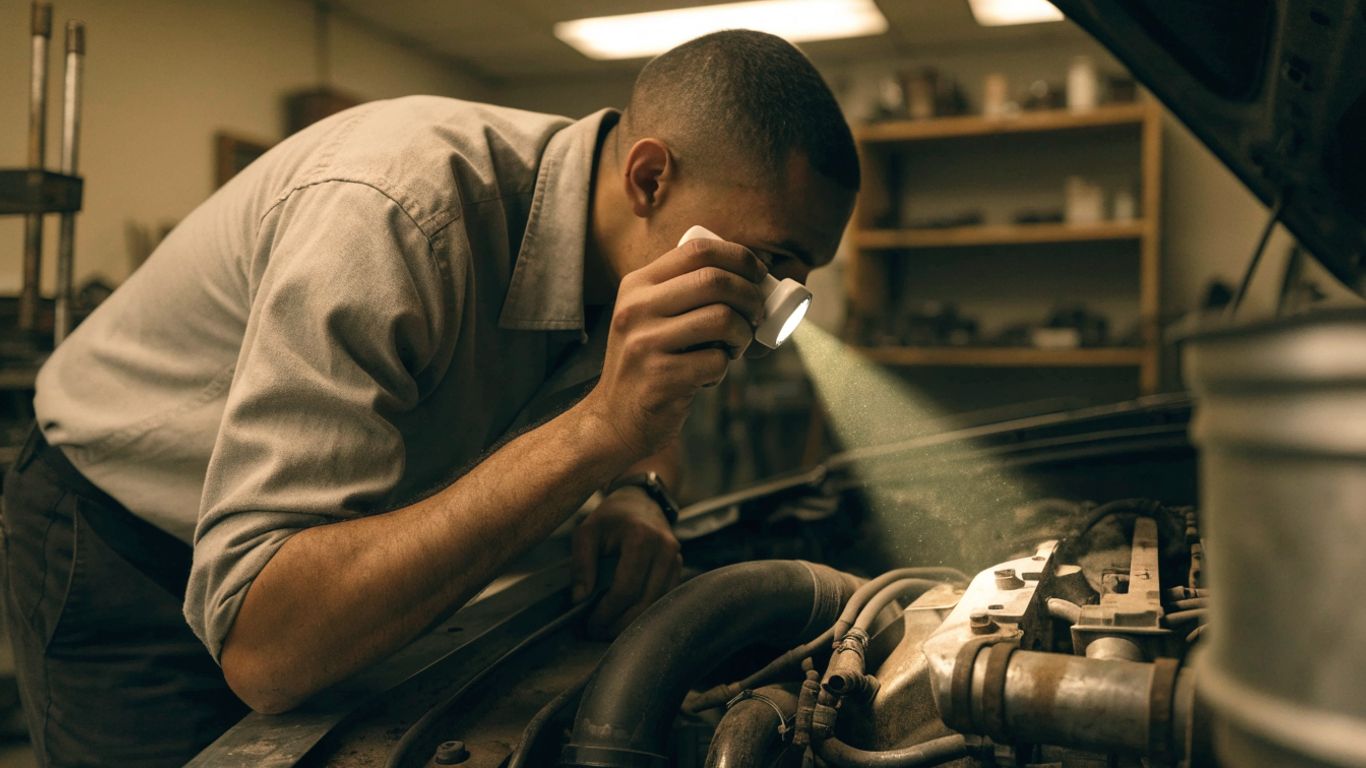
Engine work can vary widely in price because the fault, vehicle, parts, and amount of labor are different from one job to another. A low initial quote may not cover the same work as a higher one, so compare scope as well as totals. Ask the specialist to explain what is confirmed and what remains uncertain. This makes it easier to weigh the cost against the vehicle’s condition and your plans for it.
What can affect the price of engine work
The estimate may depend on how accessible the affected part is, what testing is needed, and whether the repair reveals related damage. Parts availability and the choice of new, used, genuine, or aftermarket components can also affect the total. A supplier connecting customers with quality used, genuine, and aftermarket parts through a car parts network may be one source to consider when parts are needed. Ask for the estimate to distinguish known costs from items that could change after disassembly.
Comparing repair, rebuild, and replacement
These options have different scopes, and the most sensible choice depends on the diagnosis and the vehicle’s overall condition. Compare them by asking what work each option includes, how long it may take, and what warranty applies. The table below is a starting point for that discussion, not a substitute for an inspection.
| Option | What to clarify | Why it may be considered |
|---|---|---|
| Repair | Which failed component will be addressed? | The fault appears limited to a specific area |
| Rebuild | Which internal parts will be inspected or renewed? | More extensive engine work may be needed |
| Replacement | What is known about the replacement engine and its coverage? | Repair or rebuilding may not be the preferred route |
Ask the specialist to explain the recommendation against the evidence from testing. A parts supplier connecting customers with quality used, genuine, and aftermarket parts through a car parts network may be relevant if the approved work requires replacement parts, but the workshop should first establish what is needed.
Questions to ask about parts and labour
Before approving work, make sure you understand the parts being proposed and the labor involved. If the shop gives you alternatives, ask how each one changes the scope, timing, or warranty. Answers should be concrete enough for you to compare the options without needing to guess what is included. A car parts network connecting customers with quality used, genuine, and aftermarket parts can be one avenue to explore when sourcing parts, while the specialist can clarify which specifications suit the repair.
Checking warranty terms and exclusions
Warranty terms can vary by shop, part, and type of repair. Ask for the conditions in writing, including what is covered, how long coverage lasts, and whether labor is included if a covered part fails. Check for exclusions such as issues unrelated to the approved repair or maintenance requirements. Keep the warranty document with the invoice so you can refer to it later.
Know what to expect during the repair process
A well-managed repair usually moves from an initial assessment to a discussion of findings, approved work, and final checks. The exact sequence depends on the fault and whether additional inspection is required. You should know whom to contact and how approval will be handled before work begins. Clear expectations make an uncertain repair easier to follow.
Initial inspection and diagnostic testing
The first visit typically starts with a description of the symptoms and a check of the vehicle. Depending on the issue, the specialist may scan for fault codes, inspect components, or perform further tests. Ask what the initial assessment covers and whether additional diagnostic work has a separate cost. Sharing when symptoms occur and any recent repairs can give the inspection a useful starting point.
Reviewing the findings before authorizing work
Once the shop has assessed the vehicle, ask for the findings and the proposed next step in plain language. You should be able to distinguish confirmed faults from possible causes that still need checking. Review the estimate, parts, and warranty before giving approval. If something is unclear, take the time to ask rather than agreeing to work based on assumptions.
Getting updates as repairs progress
Some repairs proceed as expected; others uncover a related issue once components are removed or inspected more closely. Agree in advance on how the shop will contact you and whether it will pause for approval before changing the scope. Ask what timing is realistic and when you should expect the next update. This keeps decisions in your hands even if the schedule shifts.
Understanding final checks and handover
At handover, ask what work was completed and whether any checks were performed after the repair. Review the invoice against the approved estimate and collect any warranty information or parts documentation. The specialist may also explain how the vehicle should behave after the work and what to watch for. If a symptom remains or returns, contact the shop promptly and describe what has changed.
Help prevent future engine problems
Routine care cannot prevent every fault, but it can help you notice changes earlier and keep useful records of the vehicle’s condition. Follow the schedule for your specific vehicle rather than relying on a generic interval. Pay attention to how the engine sounds, feels, and runs from week to week. Small observations can be useful at the next service or if a warning appears.
Follow the manufacturer’s service schedule
The manufacturer’s schedule is a practical reference for routine servicing and inspections. Check the owner’s manual for guidance that applies to your model and driving conditions, and ask a service professional if you are unsure how an interval applies. If the vehicle has a history of demanding use or a previous engine repair, mention it when planning maintenance. Keeping to a consistent schedule makes service history easier to follow.
Check oil, coolant, and other essential fluids
Regularly checking the levels of essential fluids can help you spot a change before it becomes harder to explain. Use the vehicle manual for the correct checking procedure and take care around hot engine parts. If a level drops repeatedly or a leak appears, arrange an assessment instead of simply topping it up indefinitely. A new smell or change in fluid appearance is also worth mentioning.
Respond promptly to warning signs
A warning light, fresh leak, or new engine noise is easier to investigate when you can describe when it began. Note the dashboard message, driving conditions, and whether the symptom repeats. If the vehicle shows a serious warning or begins overheating, stop safely and seek advice rather than continuing the journey. Acting promptly can help the specialist focus on what changed.
Keep service records and repair invoices
Save invoices, diagnostic notes, and warranty documents together, whether digitally or in a folder. Records show what work has already been done and can help a new specialist avoid repeating steps without reason. Include dates, mileage, and any recurring symptoms when possible. A brief note made at the time is often more useful than trying to reconstruct events months later.
Conclusion
Choosing a Canberra engine specialist is easier when you start with the symptoms, ask how the diagnosis will be made, and compare repair options on their actual scope rather than price alone. Clear estimates, sensible updates, and a record of completed work help you make a considered decision and look after the engine after the repair.