
Key Takeaways
Injector-like symptoms can have several causes, so a careful diagnosis matters before you approve a repair. Use the findings, parts details, and written estimate to guide your next step.
- Hard starting, uneven idling, smoke, or increased fuel use can be reasons to arrange an inspection.
- Fault codes are useful clues, but they need to be considered alongside live data and physical tests.
- Fuel contamination, wear, and related fuel-system faults can produce similar symptoms.
- The right repair may involve servicing or replacing an injector; testing helps determine which option fits.
- Ask for a clear estimate that identifies the parts, labour, testing, and any related work.
How to recognize possible injector problems
A diesel injector problem can affect how your Hilux starts, idles, and responds under load. These changes do not prove an injector has failed, since other engine or fuel-system faults may feel much the same. Notice when the symptoms occur and whether they are getting worse; those details can help a technician decide what to test.
Changes in starting, idling, or engine response
A longer crank before the engine starts, an uneven idle, hesitation, or a loss of smooth response may warrant investigation. Make a note of whether the issue appears only when the engine is cold, after a long drive, or during acceleration. That pattern is useful context, but symptoms alone cannot confirm which component is responsible.
Smoke, unusual exhaust smells, and fuel consumption
A change in exhaust smoke, a stronger-than-usual fuel smell, or a sudden shift in fuel consumption can accompany a fuelling problem. The colour and timing of smoke may help guide an inspection, but neither is a diagnosis on its own. If you notice several changes at once, record them and share them with the technician rather than assuming they all point to injectors.
When symptoms may point to another fault
Similar complaints can come from a restricted fuel filter, a fuel-pressure issue, an air-intake problem, or another engine fault. The difference matters: replacing an injector without checking the surrounding system may leave the original symptom unchanged. If the engine runs poorly or warning lights appear, arrange a proper inspection and avoid relying on a single symptom to choose parts.
How a diesel injector diagnosis works
A useful diagnosis builds a picture from several sources instead of treating one code or symptom as proof. The technician may review the vehicle’s history, scan for faults, observe live engine data, and carry out fuel-system checks. Your Hilux’s engine variant and the exact complaint help determine which tests are appropriate.
Reading fault codes alongside live engine data
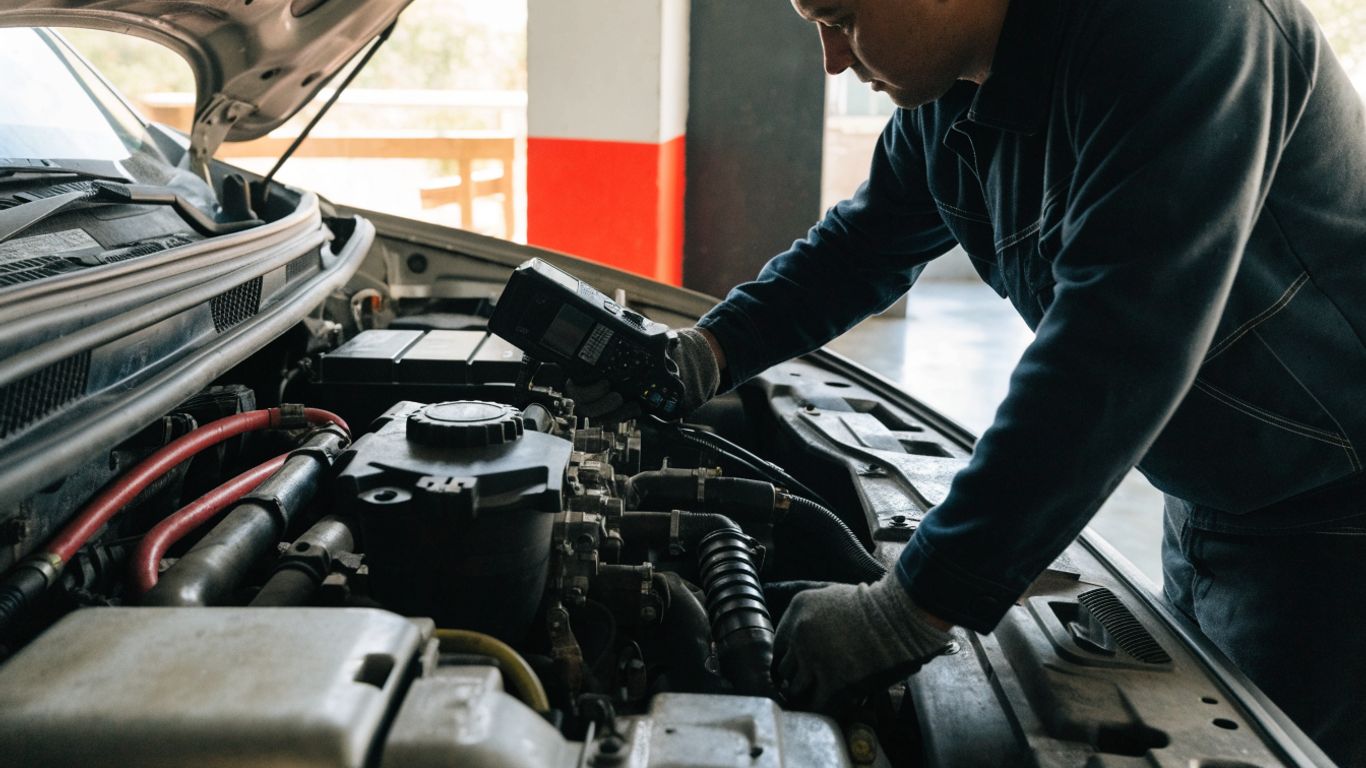
A scan can reveal stored or current fault codes, but codes generally identify a condition to investigate rather than name a part that must be replaced. Live readings and the circumstances in which a code appears can help narrow the possibilities. An inspection should connect the scan results to your reported symptoms and, where needed, other test findings.
A comparison of observations and checks can help explain why a code is only one part of the picture:
| Finding | What it may help investigate | What it cannot establish alone |
|---|---|---|
| Stored fault code | A recorded engine or fuel-system condition | That a specific injector has failed |
| Uneven idle | An issue affecting combustion or fuel delivery | The root cause of the unevenness |
| Fuel-pressure reading | Whether pressure needs further investigation | That the injector is the only fault |
| Smoke or fuel-use change | A change in engine operation | A confirmed repair requirement |
Read together, these findings give the technician a more grounded basis for choosing the next test. If the scan and the driving symptoms do not agree, further checks may be needed before parts are ordered.
Checking fuel pressure and injector performance
A technician may check whether fuel pressure is within the relevant specification and assess injector performance using suitable diagnostic procedures. The exact method can vary by engine and system, so ask what was tested and what the results mean for your vehicle. A finding should be tied to evidence, not simply inferred from a rough idle or a warning light.
Why testing should come before replacing parts
Testing helps separate a faulty injector from a problem elsewhere in the fuel system or engine. It also gives you a clearer explanation of whether the proposed work addresses the cause of the complaint. Before approving a replacement, ask for the diagnostic findings and the reason the recommended part is needed.
Common causes of injector trouble
Injector problems can develop for different reasons, and the surrounding fuel system matters too. The Hilux’s service history, fuel quality, operating conditions, and engine variant all provide context, but they do not replace inspection. Understanding possible causes can help you ask better questions when a workshop explains its findings.
Contaminated fuel and blocked filters
Dirt or water in fuel, or a fuel filter that is restricted, can interfere with consistent fuel delivery and place added strain on the system. If a fault is found, it is worth asking whether the filter and fuel condition were checked as part of the investigation. Repairing a component without addressing a contributing contamination issue could leave the underlying concern unresolved.
Wear, deposits, and high operating hours
Injectors and other fuel-system parts operate under demanding conditions, and wear or deposits may affect performance over time. High operating hours, frequent heavy use, or an uncertain service history can give a technician useful background. They do not, by themselves, prove an injector needs replacement; the decision should follow inspection and testing.
Related fuel-system issues that can mimic injector failure
A complaint that seems to point to one injector may instead involve pressure, supply, filtration, wiring, or another engine condition. That is why a diagnosis should consider the complete path from fuel supply to engine operation. If the workshop recommends multiple repairs, ask which finding supports each one and whether any faults could share a cause.
Repair and replacement options
Once testing identifies the cause, the repair may be limited to an injector or may involve another part of the fuel system. The technician should explain what can be serviced, what needs replacement, and whether related work is necessary. A sensible recommendation accounts for your Hilux’s engine variant, the condition of the components, and the evidence gathered during diagnosis.
Cleaning or servicing an injector
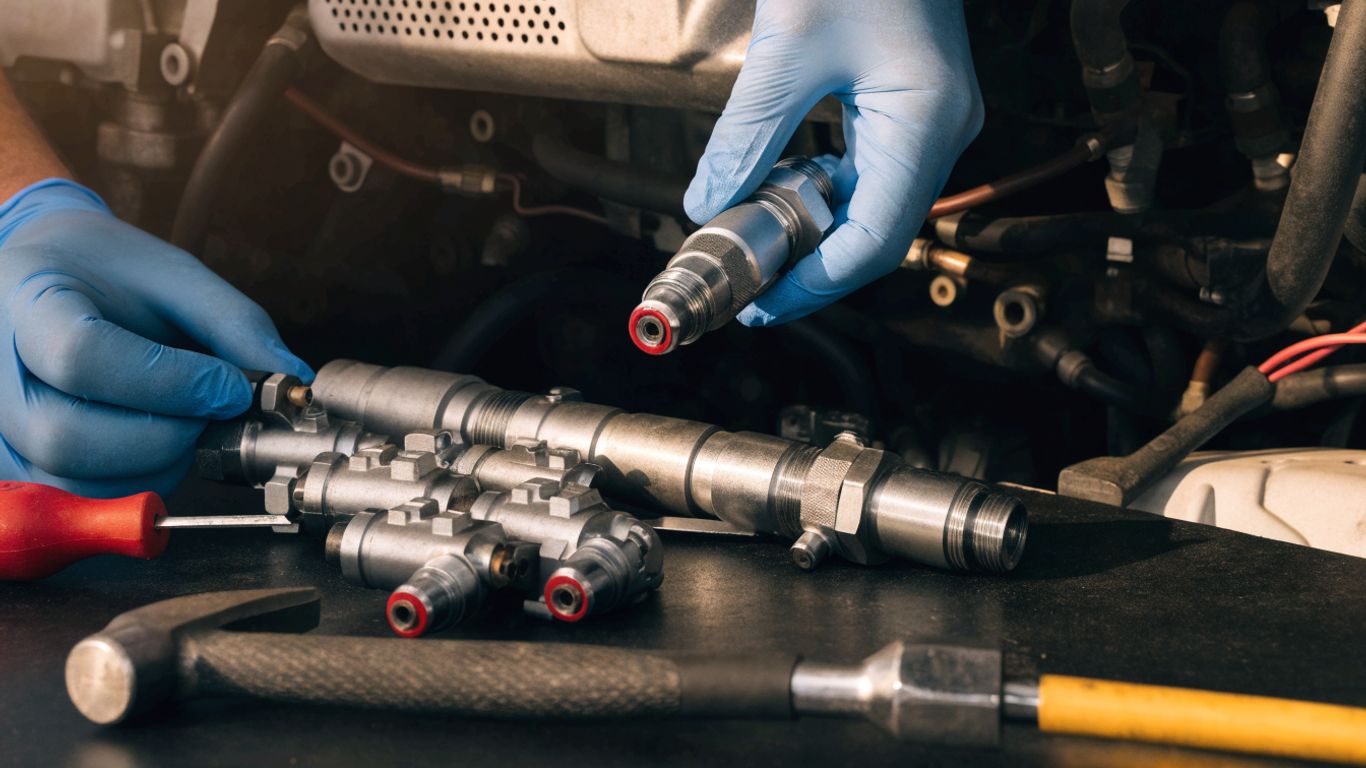
Cleaning or servicing may be considered when inspection shows that the injector can be addressed without replacing it, and the available procedure suits that injector type. Ask what work is included and whether the injector will be tested afterward. If the part does not meet the applicable performance requirements, servicing may not be an appropriate substitute for replacement.
Replacing one injector versus a matched set
Whether one injector or more should be replaced depends on test results, the condition of the other injectors, and the vehicle’s repair requirements. A workshop should explain why it recommends a single part or a set rather than assuming either approach is right in every case. If the cause may affect other components, ask whether those components were checked as well.
Choosing between new, remanufactured, and tested parts
Compare parts by their suitability for your engine, documented condition, testing information, warranty terms, and total fitted cost. Ask for the part number and whether it matches the vehicle’s engine code; a broad description such as “fits Hilux” may not be enough to establish compatibility. Engines Australia supplies used, reconditioned, and performance engines; that is a separate engine-sourcing option, not a claim about injector availability or a replacement for injector diagnosis.
What affects Toyota Hilux injector costs in Sydney
There is no single price that applies to every Hilux injector repair. The total depends on the engine and injector specification, the parts selected, the diagnosis required, and any related work found during inspection. If you are comparing quotes for a Toyota Hilux diesel injector Sydney repair, make sure each estimate describes the same scope before comparing totals.
Engine variant, injector type, and parts availability
A Hilux’s year and model alone may not identify the correct injector, so provide the workshop with the vehicle details and ask it to confirm the engine variant and part number. Availability and the chosen part type can affect both the quoted price and timing. If a broader repair turns out to involve an engine or other spare part, Engines Australia says its in-house specialists carefully inspect those items using advanced testing methods; confirm separately that any specific part suits your vehicle.
Labor, diagnostic time, and related repairs
Labour can vary with access, the work required, and the procedure for the particular engine. The quote may also include diagnostic time, seals or other installation parts, and follow-up checks. Ask the workshop to distinguish the diagnosis from the repair so you can see what has been established and what would be an additional recommendation.
Questions to ask for a clear written estimate
A written estimate is easier to assess when it names the part and separates the work into understandable items. These questions can help you clarify what is included:
- Which injector or related component is being quoted, and how was it identified?
- Does the estimate include diagnosis, installation, and post-repair checks?
- What part type is proposed, and what testing or warranty information is available?
- Could additional work change the price, and will you be asked before it proceeds?
Use the answers to compare like with like, rather than choosing solely by the lowest headline figure. If the scope is unclear, ask for it to be revised before authorising the work.
How to choose a Sydney diesel specialist
A good workshop should be able to explain its diagnosis in terms you can follow and relate the recommended repair to its findings. You do not need to arrive knowing which component has failed; you do need enough information to make an informed decision. Clear documentation and a discussion of warranty terms are useful parts of that conversation.
Experience with your Hilux engine and fuel system
Ask whether the workshop is familiar with the engine and fuel system fitted to your particular Hilux, and provide the engine code or vehicle details if available. Experience with the relevant variant can help the technician select appropriate tests and parts. For wider parts decisions, a vehicle fitment guide can help you think through what information to confirm before ordering.
Testing standards, parts documentation, and warranty terms
Ask for a written record of the diagnostic findings, the part number fitted, and any testing information the workshop can provide. Confirm what the warranty covers, how long it applies, and what conditions or exclusions are relevant. Engines Australia states that every engine and spare part is carefully inspected by in-house specialists using advanced testing methods; when considering any supplier, ask what documentation applies to the specific item being quoted.
What to do after repair to help prevent repeat problems
Follow the workshop’s advice on servicing, fuel-filter replacement, and any checks specific to the repair. Keep the invoice and parts information with your service records, and return promptly if the original symptoms persist or reappear. Engines Australia serves customers Australia-wide with nationwide shipping for engines and spare parts, but the correct fitment still needs to be confirmed for your vehicle before ordering.
Conclusion
Injector symptoms can look like other fuel-system or engine problems, so testing is the best starting point for a sound repair decision. With a clear diagnosis, a written estimate, and documented parts information, you can compare options for your Hilux without guessing at the cause or paying for work that has not been explained.
Frequently Asked Questions
What are common signs of a diesel injector problem?
Hard starting, an uneven idle, hesitation, smoke, unusual exhaust smells, or changed fuel consumption may justify an inspection. These signs can have other causes, so they do not confirm injector failure by themselves.
Can a fault code prove that an injector has failed?
No. A fault code can point to a condition that needs investigation, but it should be considered alongside live data, symptoms, and appropriate tests.
Should I replace one injector or all of them?
That depends on the test results, the condition of the remaining injectors, and the requirements for the specific engine. Ask the workshop to explain the evidence behind its recommendation.
Can a blocked fuel filter cause similar symptoms?
A restricted filter can affect fuel delivery and may contribute to poor running. A technician can check the filter and other parts of the fuel system while investigating the complaint.
Is injector cleaning always an option?
No. Whether cleaning or servicing is suitable depends on the injector’s condition, type, and the procedure available. Testing can help determine whether servicing is appropriate or replacement is needed.
What information should I provide when requesting a quote?
Share the Hilux’s year, engine details or code if known, the symptoms, and any diagnostic findings. Ask the workshop to confirm the part number and list diagnosis, labour, parts, and warranty terms in writing.
Can I keep driving if I suspect an injector problem?
That depends on how the vehicle is running and whether warning lights or severe symptoms are present. If it runs very poorly or the issue worsens, stop using it and seek professional advice rather than risking further damage.