
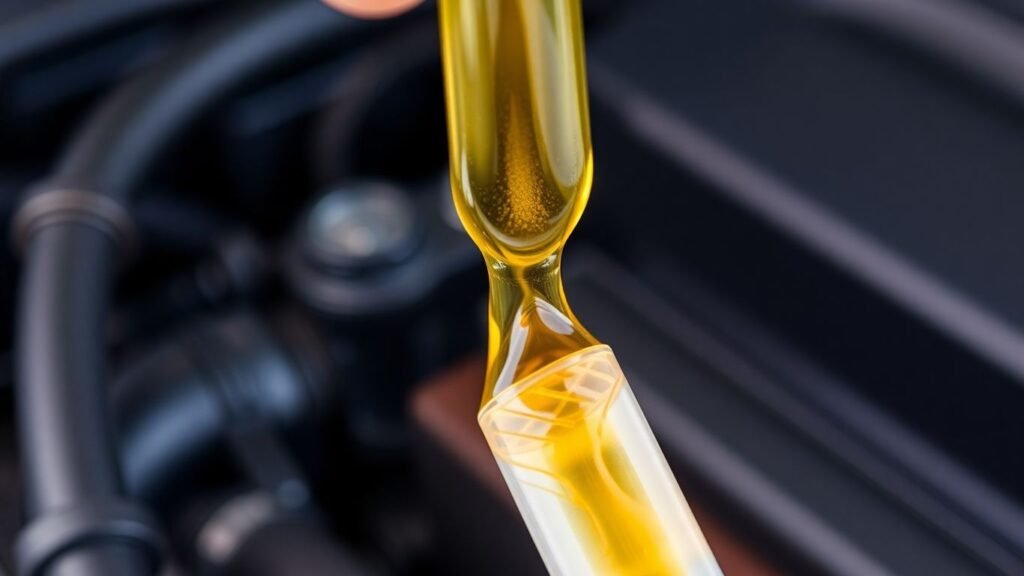
Many car owners know oil changes are important, but do they really get why? It’s not just another thing to tick off a list. Keeping your engine happy with fresh oil is a big deal for how long your car lasts and how well it runs. We’re going to break down why regular engine oil changes are essential and what happens when you skip them. Think of it as giving your car a little insurance policy for the road ahead.
Key Takeaways
- Engine oil is like the lifeblood of your car, lubricating parts, cooling the engine, and picking up dirt.
- Skipping oil changes means oil breaks down, leading to more friction, wear, and potential engine damage.
- Fresh oil helps your engine run smoother, which can improve gas mileage and make your car last longer.
- Regular oil changes prevent sludge buildup and keep other engine parts working right, saving you from big repair bills.
- Watch for dashboard lights, dirty oil, or strange engine noises – these are signs it’s time for a change.
The Critical Role Of Engine Oil
Think of your car’s engine oil as its lifeblood. It’s not just some random fluid; it’s actively working to keep everything running smoothly inside that complex metal box. Without it, or with old, worn-out stuff, your engine would basically grind itself to a halt pretty quickly. It’s a simple maintenance task, but its importance can’t be overstated.
Lubrication For Moving Parts
Inside your engine, there are a ton of metal parts moving against each other at high speeds. We’re talking pistons going up and down, crankshafts spinning, valves opening and closing – it’s a busy place. Engine oil creates a thin, slippery film between these parts. This film is what stops them from grinding together, which would cause a lot of heat and damage. Without proper lubrication, metal-on-metal contact would quickly destroy your engine.
Engine Cooling And Heat Dissipation
All that friction from moving parts creates heat. A lot of heat, actually. While your car has a cooling system with a radiator, the engine oil plays a big part too. As the oil circulates, it picks up heat from the hotter parts of the engine and carries it away to the oil pan, where it can cool down before circulating again. It’s like a secondary cooling system, helping to keep the engine from getting too hot, especially during tough driving conditions.
Suspension Of Dirt And Debris
Engines aren’t perfectly clean environments. Tiny bits of metal wear off parts, carbon deposits form, and other gunk can get in there. The oil acts like a magnet and a sponge, grabbing onto these small particles and holding them in suspension. This prevents them from settling in places they shouldn’t be, like oil passages or bearing surfaces. When you get an oil change, all that collected gunk gets drained out with the old oil, leaving your engine much cleaner.
Consequences Of Neglecting Oil Changes
Skipping out on regular oil changes might seem like a minor oversight, but it can really mess with your car’s engine. Think of oil as the lifeblood of your engine; it keeps everything moving smoothly. When that oil gets old and dirty, it just can’t do its job anymore.
Accelerated Engine Wear And Tear
When your engine oil breaks down, it loses its ability to properly lubricate the metal parts inside. This means those parts start rubbing against each other more than they should. Over time, this friction grinds away at the metal, causing parts to wear out much faster than they would with fresh oil. It’s like trying to run a marathon without any water – your body just can’t keep up.
Sludge Buildup And Clogged Passages
Old oil doesn’t just get dirty; it can actually turn into a thick, gunk-like substance called sludge. This sludge can build up in all the little nooks and crannies of your engine, especially in the oil passages that are supposed to let oil flow freely. When these passages get clogged, oil can’t reach the parts that need it most, leading to even more wear and tear, and potentially overheating.
Increased Risk Of Engine Failure
All of this – the increased wear, the sludge, the lack of proper lubrication – adds up. Eventually, the engine can get so damaged that it just stops working altogether. This is called engine failure, and it’s usually one of the most expensive repairs you can face for your car. It’s a pretty serious consequence of not keeping up with something as simple as an oil change.
Neglecting oil changes is like ignoring a small leak in your roof. It might not seem like a big deal at first, but if left unchecked, it can lead to major structural damage and a much bigger, more expensive problem down the road. Your engine works hard for you, and it deserves a little regular attention to keep it running right.
Benefits Of Regular Oil Changes
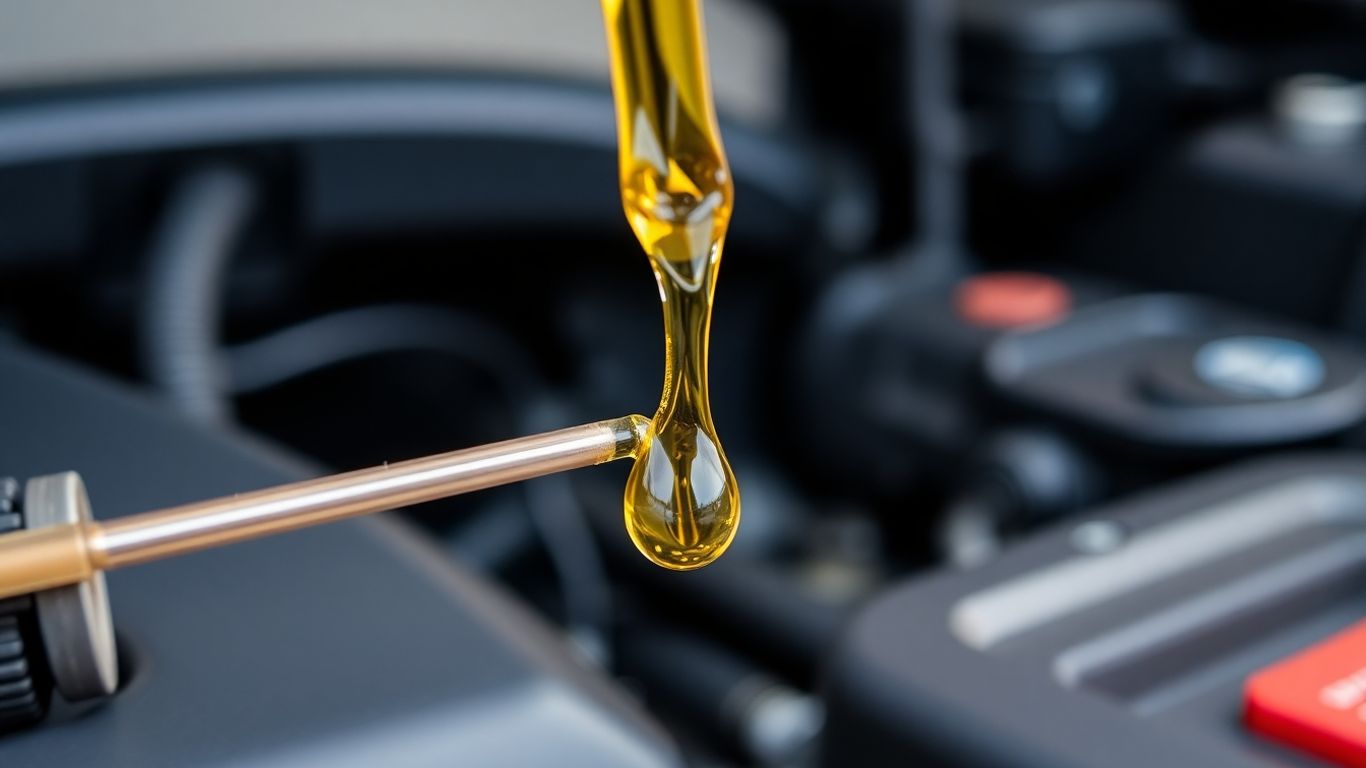
Sticking to a regular oil change schedule might seem like a small thing, but it really adds up when it comes to keeping your car happy and healthy for the long haul. Think of it as a regular check-up for your engine’s heart. It’s not just about keeping things running; it’s about making sure everything inside is protected and working its best.
Preventing Engine Wear
This is probably the biggest one. Your engine has a ton of moving parts, and they all need a good layer of slippery stuff to keep them from grinding against each other. Fresh oil is like a protective shield. When oil gets old and dirty, it can’t do its job as well. This means more friction, more wear, and eventually, parts wearing out faster than they should. Changing your oil regularly means you’re always giving those parts the best chance to last.
Improving Fuel Efficiency
It might surprise you, but clean oil actually helps your car use less gas. When the oil is fresh, it lets the engine parts move more freely. Less friction means the engine doesn’t have to work as hard to do its job. When the engine isn’t straining, it uses less fuel. So, you can actually save money at the pump just by keeping up with your oil changes. Over time, those savings can really add up, and you might find you’re getting better mileage than you used to. For example, sticking to intervals like every 7,500 miles can lead to noticeable savings over the life of your vehicle compared to more frequent changes [0284].
Extending Engine Life
This one ties right back into preventing wear. By keeping the oil clean and topped up, you’re actively fighting against the buildup of gunk and sludge that can clog up your engine’s tiny passages. Sludge is bad news; it stops oil from getting where it needs to go, and that can lead to serious problems. Fresh oil helps keep everything flowing smoothly, which means your engine is less likely to suffer major breakdowns and will simply keep running for more miles and more years. It’s a simple step that makes a huge difference in how long your car will last.
Enhancing Vehicle Performance And Longevity
Keeping your car running smoothly isn’t just about avoiding breakdowns; it’s also about making sure it performs at its best. Regular oil changes play a big part in this. Think of fresh oil as giving your engine a clean slate to work with. It helps everything move without that extra friction that old, dirty oil causes. This means your engine doesn’t have to strain as much, leading to a more responsive feel when you accelerate and generally better power delivery. It’s a simple step that makes a noticeable difference in how your car drives.
Maintaining Optimal Oil Quality
Over time, engine oil does its job by picking up all sorts of gunk – tiny metal bits from wear, dirt that gets in somehow, and combustion byproducts. This contamination makes the oil thicker and less effective at its main tasks. Fresh oil, on the other hand, is clean and has all its lubricating properties intact. It can flow easily, coat all the moving parts properly, and do its job of reducing friction. This is why sticking to a schedule for oil changes is so important; it guarantees your engine is always getting the best protection.
Protecting Other Engine Components
It’s not just the main engine parts that benefit. Oil circulates everywhere, lubricating things like the timing chain, camshafts, and even the oil pump itself. When the oil is old and sludgy, these parts don’t get the smooth lubrication they need. This can lead to premature wear on these components, which can be just as expensive to fix as major engine problems. Keeping the oil clean is like giving your whole engine a spa day, looking after all its different bits and pieces.
Ensuring Peak Performance
When your engine is running with clean, fresh oil, it operates more efficiently. This means it can reach its designed performance levels. You’ll notice your car feels more eager, the acceleration is smoother, and the engine runs quieter. It’s about keeping your vehicle operating as the engineers intended.
Old oil can lead to increased engine temperatures. Fresh oil helps regulate this, preventing overheating and keeping the engine running at its optimal operating temperature, which is key for both performance and longevity.
Here’s a quick look at what happens:
- Reduced Friction: Less resistance between moving parts.
- Better Heat Transfer: Oil carries heat away from hot spots.
- Cleaner Operation: Prevents buildup that can hinder performance.
- Smoother Acceleration: Engine responds more readily to your input.
Financial And Practical Advantages
Avoiding Costly Repairs
Let’s be real, nobody likes unexpected car bills. Sticking to a regular oil change schedule is one of the simplest ways to keep those big, scary repair bills at bay. When your engine runs with clean, fresh oil, it’s just happier. It means less friction, less wear, and a much lower chance of something major going wrong inside. Think of it like this: a small, regular payment for maintenance can save you from a massive, one-time expense down the road. It’s a no-brainer, really.
Improving Resale Value
Planning to sell your car down the line? Keeping up with your oil changes is a smart move. When you go to trade it in or sell it privately, a car with a solid maintenance history, especially one showing regular oil changes, looks a lot more appealing. Buyers are more likely to trust a car that’s clearly been looked after. This can translate directly into getting more money for your vehicle when it’s time to move on. It’s an investment in your car’s future value.
Maintaining Manufacturer Warranty
Most new cars come with a warranty, and that’s a pretty important safety net. But here’s the catch: manufacturers usually require you to follow a specific maintenance schedule to keep that warranty valid. And guess what’s almost always on that list? Regular oil changes. If you skip them and something goes wrong with your engine, your warranty might be useless. Keeping records of your oil changes is your proof that you’ve done your part, protecting your investment.
Recognizing When It Is Time For Service
Sometimes, your car will give you pretty clear signals that it’s time to get that oil changed. You don’t always have to wait for a scheduled appointment, especially if you’re noticing some changes in how your car is running. Paying attention to these signs can save you a lot of trouble down the road.
Dashboard Warning Lights
Most modern cars have a little light on the dashboard that pops up to let you know it’s time for an oil change. It might say "Oil Change Required" or "Service Engine Soon." Don’t ignore these lights! They’re put there for a reason, usually tied to your car’s mileage or engine performance. It’s your car’s way of saying, "Hey, I need a little attention."
Visual Inspection Of Oil Condition
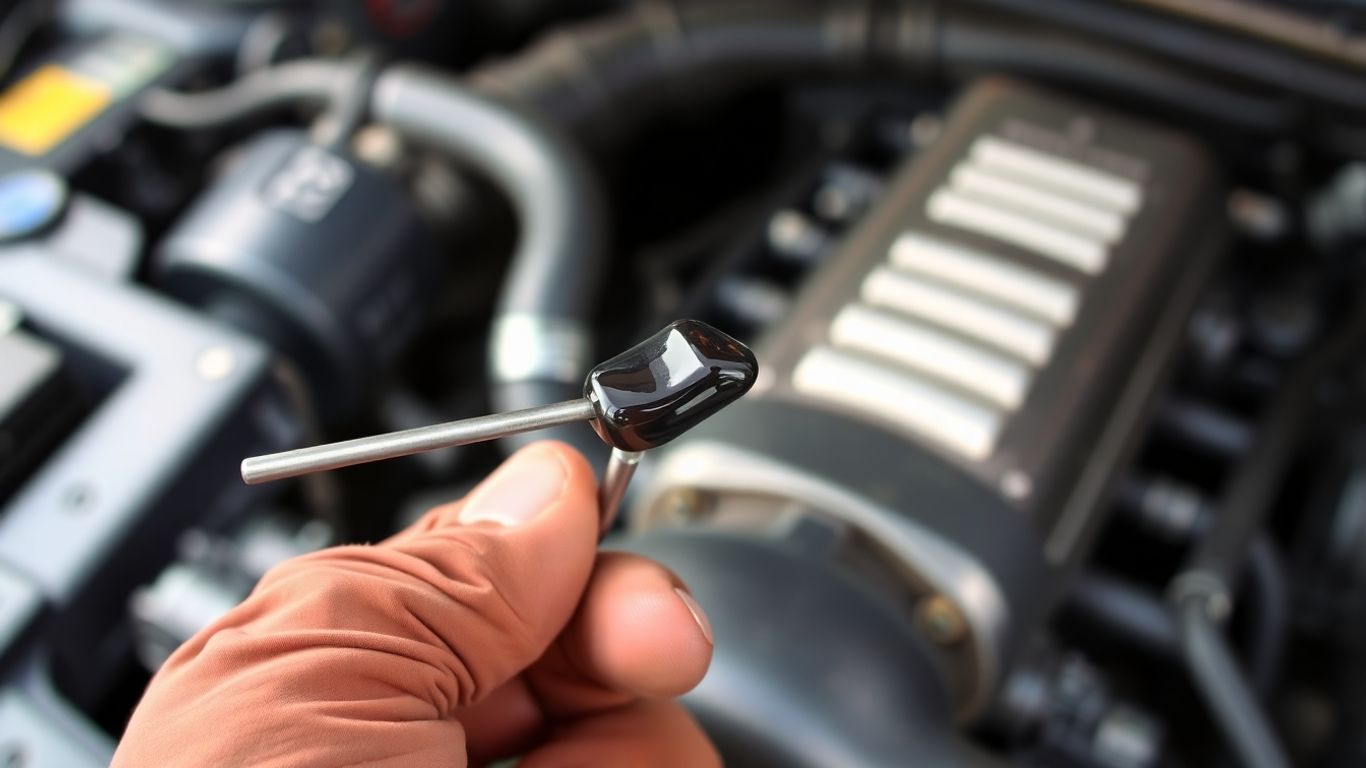
If you’re feeling a bit hands-on, you can check the oil yourself. Pull out the dipstick, wipe it clean, reinsert it, and pull it out again. Look at the oil on the end. Fresh oil is usually a light amber color and looks pretty clear. If the oil you see is dark brown or black, and maybe even looks a bit gritty or thick, that’s a strong sign it’s used up its usefulness and needs to be replaced.
Audible Engine Noises
Your engine might start making different sounds when the oil is old or low. You might hear more knocking or ticking noises, especially when you first start the car or when it’s working hard. This usually happens because the oil isn’t lubricating the engine parts as well as it should, and metal is starting to rub against metal. It’s a sound that definitely means you should get it checked out.
Ignoring these indicators can lead to more serious issues. Think of them as early warnings that help you avoid bigger, more expensive problems later on. A quick oil change is a small price to pay for keeping your engine healthy.
Here are some common things to look out for:
- Dark or Dirty Oil: As mentioned, fresh oil is translucent. If it looks like black sludge, it’s time for a change.
- Low Oil Level: If the dipstick shows the oil level is below the minimum mark, you need to add oil, and it’s also a good time to consider a full change.
- Increased Engine Noise: Knocking, ticking, or grinding sounds are red flags.
- Exhaust Smoke: Blue or gray smoke coming from your exhaust can sometimes indicate oil is burning inside the engine.
So, What’s the Takeaway?
Look, keeping your car running well doesn’t have to be complicated. Changing the oil might seem like a small thing, but it really makes a big difference in how long your engine lasts and how smoothly it runs. It’s like giving your car a little health boost that prevents bigger, more expensive problems down the road. So, don’t skip it. Just get it done regularly, and your car will thank you for it by sticking around for many more miles.
Frequently Asked Questions
What does engine oil actually do for my car?
Think of engine oil as your car’s lifeblood! It’s like a shield and a coolant all in one. First, it coats all the moving metal parts inside your engine, like a slippery layer that stops them from rubbing together and wearing out. It also helps carry away heat, so your engine doesn’t get too hot. Plus, it grabs onto tiny bits of dirt and gunk, keeping them from sticking to your engine parts.
What happens if I don’t change my oil regularly?
If you skip oil changes, the oil gets old and dirty. It loses its ability to protect your engine. This means parts rub together more, causing them to wear down way faster. Gunk can build up, blocking the oil from reaching important spots, and your engine might even overheat. In the worst case, this can lead to a broken engine, which is super expensive to fix.
How often should I change my oil?
The old rule was every 3,000 miles, but cars and oils are much better now. Many cars can go 5,000 to 7,500 miles, and some special oils last even longer. Your car’s manual will tell you the best time. If you drive a lot in tough conditions, like stop-and-go traffic or extreme weather, you might need to change it more often.
Can changing my oil really help my car last longer?
Absolutely! Regular oil changes are one of the easiest ways to make your engine last for many years. By keeping the oil clean and fresh, you prevent that nasty sludge from building up and stop parts from wearing out too quickly. It’s like giving your engine a healthy diet and regular check-ups – it just performs better and lasts longer.
Does changing my oil affect my car’s gas mileage?
Yes, it does! When your engine oil is fresh and clean, it lets all those moving parts slide around easily. This means your engine doesn’t have to work as hard to do its job. When your engine works less, it uses less gas, so you can drive further on a tank of fuel. It’s a simple way to save money at the pump.
What are the signs that my car needs an oil change?
Keep an eye out for a few things. Your dashboard might have a light that comes on, often saying ‘Oil’ or showing an oil can symbol. If you check your oil dipstick and the oil looks dark and gritty instead of a lighter amber color, it’s probably time. Sometimes, you might hear your engine making louder, grinding noises because it’s not getting enough lubrication. If you notice any of these, it’s best to get your oil changed soon.